
Discover how often to oil your hair based on hair type, porosity, and lifestyle. Learn the ideal frequency for best results and avoid common mistakes.
For most people, oiling hair 1–2 times a week is ideal. Dry or coarse hair may need 2–3 sessions, while oily scalps should stick to once weekly or less. Always focus on the lengths and ends, not the scalp, and leave the oil on for at least 30 minutes before washing.
Understanding Hair Oiling: What It Does and Why Frequency Matters
Hair oiling is an ancient practice that has been used for centuries in South Asia and the Middle East to nourish and protect hair. But in modern times, with so many products and conflicting advice, it’s easy to get confused about how often you should actually oil your hair. The truth is, there’s no one-size-fits-all answer. The ideal frequency depends on your hair type, scalp condition, lifestyle, and the specific oil you use. In this section, we’ll break down the science behind hair oiling and help you determine the right schedule for your hair.
First, let’s understand what oiling does. Hair oils can penetrate the hair shaft to varying degrees, depending on their molecular size and composition. Oils like coconut oil, which is rich in lauric acid, can actually penetrate the cortex and reduce protein loss during washing. Other oils, like argan or jojoba, mostly coat the surface, providing lubrication and shine. Oiling also helps seal in moisture, smooth the cuticle, and prevent damage from environmental stressors. For the scalp, certain oils like castor or rosemary may stimulate blood circulation and have antimicrobial properties, but they can also clog pores if used too frequently.
The frequency of oiling matters because over-oiling can lead to buildup, greasy scalp, and even folliculitis (inflammation of hair follicles). Under-oiling, on the other hand, may leave dry hair prone to breakage and split ends. So, it’s about finding a balance. A good rule of thumb is to oil your hair 1–2 times per week if you have normal hair, 2–3 times per week for very dry or damaged hair, and once a week or less if you have an oily scalp. But these are just starting points; you’ll need to adjust based on how your hair responds.
Another factor is your hair porosity. High-porosity hair (which absorbs and loses moisture quickly) may benefit from more frequent oiling to keep it hydrated, while low-porosity hair (which resists moisture) can become weighed down easily, so less frequent oiling is better. You can test your porosity by dropping a strand of clean hair into a glass of water: if it sinks quickly, it’s high porosity; if it floats, it’s low porosity. This simple test can guide your oiling routine. Additionally, consider your lifestyle: if you live in a polluted city, oiling can help protect hair from environmental damage, but you’ll need to wash it out thoroughly to avoid buildup. In Pakistan, where the climate can be hot and humid in summer and dry in winter, you may need to adjust your oiling frequency seasonally. For example, during the dry winter months, you might oil more often to combat dryness, while in humid summers, you might reduce frequency to avoid a greasy look.
It’s also important to note that oiling is not a replacement for washing and conditioning. Oils are not moisturizers in themselves; they seal in moisture. So, always apply oil to damp hair or after a leave-in conditioner to lock in hydration. If you oil dry hair, it may just sit on top and not provide the same benefits. Moreover, the type of oil you choose matters: lightweight oils like grapeseed or sweet almond are good for frequent use, while heavy oils like castor or olive oil are better for occasional deep treatments. We’ll discuss choosing the right oil later. For now, remember that consistency is key: oiling once a week regularly is better than oiling three times one week and then skipping for two weeks. Your hair thrives on routine.
In summary, the frequency of hair oiling should be personalized. Start with once a week, observe how your hair feels, and adjust up or down. Pay attention to signs like greasiness, itchiness, or dryness. If your hair feels limp or your scalp is oily, reduce frequency. If your hair is still dry and brittle, increase to twice a week. And always listen to your hair’s needs, which can change with seasons, health, and hair treatments. Now that you understand the basics, let’s dive into how to determine your specific hair type and its oiling needs.
How to Determine Your Hair Type and Its Oiling Needs
Before you settle on an oiling schedule, you need to know your hair type. Hair type is generally classified by curl pattern (straight, wavy, curly, coily) and by scalp condition (dry, oily, normal, combination). Each type has different oiling requirements. Let’s break it down.
Straight hair tends to get oily quickly because the natural oils from the scalp can easily travel down the hair shaft. If you have straight hair, you probably need to oil less frequently—once a week or even every 10 days. Over-oiling can make straight hair look greasy and flat. Focus on the ends only, and use a lightweight oil like argan or grapeseed. Wavy hair is somewhere in between; it can benefit from oiling once or twice a week, but be careful not to weigh down the waves. Use a light hand and choose oils that absorb well, such as jojoba or sweet almond. Curly hair is naturally drier because the curl pattern makes it harder for scalp oils to travel down the shaft. Curly hair often needs more frequent oiling—2–3 times a week—to keep it hydrated and defined. Heavier oils like coconut or castor can work well for curly hair, especially as a pre-poo treatment. Coily hair (type 4) is the driest and most fragile; it may need oiling every other day or even daily, depending on porosity. Coily hair benefits from heavy oils and butters, and oiling can be part of a daily moisturizing routine.
Scalp condition also plays a role. If you have an oily scalp, oiling the scalp directly can exacerbate the issue. Instead, apply oil only to the lengths and ends, and use a clarifying shampoo regularly to prevent buildup. You might oil once a week or less. If you have a dry scalp, oiling can help soothe and moisturize, but be cautious: dandruff can be caused by a yeast overgrowth, and some oils can feed the yeast. In that case, use oils with antifungal properties like tea tree or neem, and oil no more than twice a week. A normal scalp is the easiest—you can oil 1–2 times a week without issues. Combination scalp (oily at the roots, dry at the ends) is common; oil only the ends and mid-lengths, and maybe do a scalp treatment once a week with a light oil.
Hair porosity, as mentioned earlier, is another key factor. High-porosity hair has gaps in the cuticle, so it absorbs oil quickly but also loses moisture fast. You can oil more frequently—2–3 times a week—and use heavier oils that seal well. Low-porosity hair has tightly packed cuticles, so oils tend to sit on top. You should oil less often (once a week) and use lightweight oils, and consider applying heat (like a warm towel) to help the oil penetrate. To determine your porosity, try the water test or simply observe how your hair reacts to products: if it takes a long time to get wet and dries slowly, it’s low porosity; if it soaks up water instantly and dries quickly, it’s high porosity.
Other factors include hair density (fine vs. thick) and whether your hair is chemically treated (colored, relaxed, or permed). Fine hair can be easily weighed down, so oil sparingly and choose light oils. Thick hair can handle more oil and more frequent applications. Chemically treated hair is often more porous and dry, so it may need more frequent oiling to restore moisture. Also, consider your activity level: if you sweat a lot, oiling can trap sweat and dirt, leading to scalp issues, so you might oil less often or wash more frequently. Environmental factors like humidity and pollution also matter. In humid climates, oiling can make hair feel greasy; in dry climates, it’s a savior. In Pakistan, the weather varies drastically from Karachi’s humid coastal air to Lahore’s dry heat and the northern areas’ cold winters. You may need to tweak your oiling routine with the seasons.
To sum up, identifying your hair type and scalp condition is the first step to customizing your oiling frequency. There’s no universal answer, but by paying attention to these characteristics, you can find what works for you. In the next section, we’ll walk you through a step-by-step oiling routine that maximizes benefits regardless of your frequency.
Step-by-Step Guide to Oiling Your Hair Properly
Oiling your hair is not just about slathering on oil and hoping for the best. The technique matters just as much as the frequency. Follow these steps to get the most out of your oiling sessions.
Step 1: Choose the right oil. Different oils have different properties. For a detailed breakdown, see our Hair Care category. For general use, coconut oil is a great all-rounder for most hair types, especially dry hair. Argan oil is lightweight and good for fine hair. Castor oil is thick and best for edges and very dry hair. Jojoba oil mimics scalp sebum and is excellent for oily scalps. You can also mix oils for a customized blend. Avoid mineral oil or petroleum-based products, as they can create a barrier that prevents other beneficial ingredients from penetrating.
Step 2: Prep your hair. Oiling works best on clean, slightly damp hair. If your hair is dirty, the oil won’t penetrate as well. Wash your hair with a gentle shampoo, towel-dry until it’s damp (not dripping), and then proceed. If you’re doing a pre-poo treatment, you can oil before washing, but ensure your hair is at least detangled. Use a wide-tooth comb to remove knots—check out our guide on how to detangle hair without breakage for tips.
Step 3: Warm the oil. Warm oil penetrates better and feels more relaxing. Take a small amount of oil in a bowl and place it in a larger bowl of hot water for a few minutes. Alternatively, rub the oil between your palms to warm it. Never microwave the oil as it can get too hot and burn your scalp.
Step 4: Apply to scalp and hair. If you have a dry scalp, you can massage oil into the scalp using your fingertips in circular motions. This stimulates blood flow. If you have an oily scalp, skip the scalp and apply oil from mid-lengths to ends. Use a dropper or your fingers to distribute the oil evenly. Don’t overdo it—start with a small amount and add more if needed. For thick hair, you may need more; for fine hair, less is more.
Step 5: Massage and comb. Gently massage the oil into your scalp for 5–10 minutes. This helps improve circulation and relaxes you. Then, use a wide-tooth comb to distribute the oil from roots to tips. This ensures every strand is coated.
Step 6: Leave it on. The duration depends on your schedule and hair needs. A minimum of 30 minutes is recommended for any benefit. For a deeper treatment, leave it on for 1–2 hours. You can also leave it overnight, but be sure to protect your pillow with a towel and wash it out thoroughly in the morning. Overnight oiling can be beneficial for very dry hair, but if you have an oily scalp, it might cause breakouts. Do not leave oil on for more than 24 hours as it can attract dirt and lead to scalp issues.
Step 7: Wash it out. Use a gentle shampoo to remove the oil. You may need to shampoo twice to get it all out. Follow with a conditioner on the lengths. If you find that your hair still feels greasy, try a clarifying shampoo once a month. Avoid using very hot water, as it can strip natural oils.
Step 8: Style as usual. After washing, let your hair air-dry or style as you normally would. You can apply a leave-in conditioner or serum for extra shine.
Remember, consistency is key. Even if you oil only once a week, doing it regularly will yield better results than sporadic heavy oiling. Also, adjust the amount of oil based on your hair’s thickness and porosity. Fine hair needs just a few drops; thick, coarse hair can handle a tablespoon or more. And always patch test new oils on a small area of skin to check for allergic reactions.
Common Mistakes to Avoid When Oiling Your Hair
Even with the best intentions, many people make mistakes that can sabotage their hair oiling efforts. Here are the most common pitfalls and how to avoid them.
Mistake 1: Oiling too often. Over-oiling is a real issue. It can lead to a greasy scalp, clogged hair follicles, and even hair loss. If you oil daily, you may be doing more harm than good. Unless your hair is extremely dry and your scalp is not prone to oiliness, stick to 1–2 times a week. Remember, more is not always better.
Mistake 2: Applying oil to a dirty scalp. If your scalp is dirty, oil will trap dirt and sweat, leading to itching and dandruff. Always start with a clean scalp. If you’re doing a pre-poo oil treatment, that’s fine, but don’t layer oil over days-old buildup.
Mistake 3: Using the wrong oil. Not all oils are created equal. Heavy oils like castor or olive oil can weigh down fine hair, while lightweight oils like coconut may not be enough for coarse hair. Choose based on your hair type. Also, avoid oils with added synthetic fragrances or mineral oil, which can be irritating.
Mistake 4: Not washing it out properly. Leaving oil in your hair can make it look greasy and attract dust. If you’re not planning to wash it out, use a very small amount as a leave-in serum. Otherwise, shampoo thoroughly. A double cleanse may be necessary.
Mistake 5: Skipping the patch test. Essential oils and some carrier oils can cause allergic reactions. Always do a patch test on your inner arm before using a new oil on your scalp.
Mistake 6: Oiling for too long. Leaving oil on for days can lead to scalp infections. A few hours is sufficient for most; overnight is okay occasionally but not every time.
Mistake 7: Using hot oil directly from the stove. Hot oil can burn your scalp. Always test the temperature on your wrist before applying.
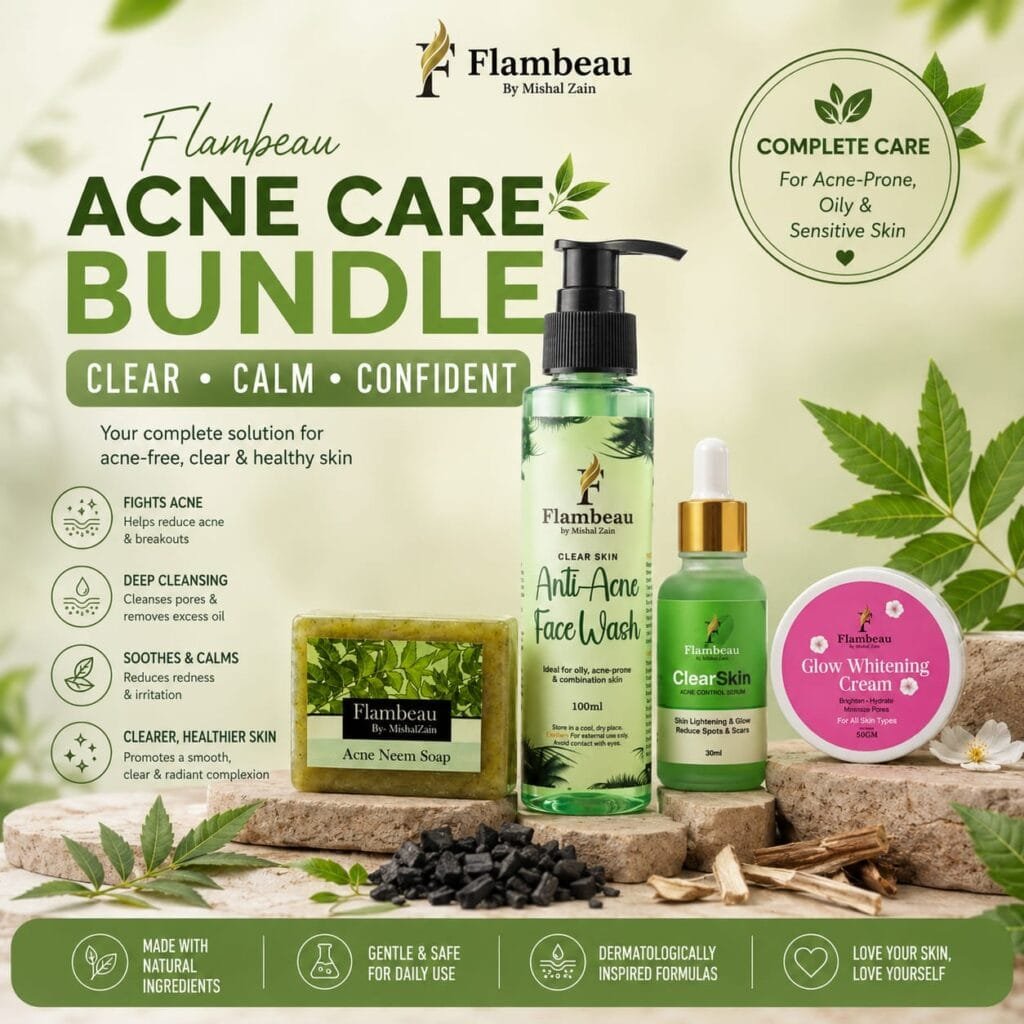
Mistake 8: Ignoring your scalp condition. If you have dandruff or seborrheic dermatitis, some oils can worsen the condition. Consult a dermatologist if you have a persistent scalp issue. For acne-prone skin, be careful with oils that can clog pores; if you struggle with acne, you might benefit from our Acne Care Bundle – All in One for your skin while you address hair care separately.
Mistake 9: Not adjusting for seasons. Your hair’s needs change with the weather. In winter, you might need more frequent oiling; in summer, less. Pay attention to how your hair feels and adjust accordingly.
Mistake 10: Expecting overnight miracles. Oiling is a gradual process. It improves hair health over time, but it’s not a quick fix. Be patient and consistent.
By avoiding these mistakes, you’ll ensure that your oiling routine is effective and safe. Now, let’s discuss how to choose the best oil for your hair.
Choosing the Right Oil for Your Hair Type
The oil you choose can make or break your hair oiling routine. Here’s a guide to the most common hair oils and which hair types they suit best.
Coconut oil: This is a popular choice because it’s one of the few oils that can penetrate the hair shaft, reducing protein loss. It’s great for dry, damaged, and coarse hair. However, it can make fine hair look greasy, and some people are allergic to it. It solidifies at room temperature, so you may need to warm it.
Argan oil: Lightweight and non-greasy, argan oil is rich in vitamin E and fatty acids. It’s perfect for fine to medium hair and for taming frizz. It’s also good for oily scalps as it doesn’t weigh hair down.
Jojoba oil: Technically a wax ester, jojoba oil closely resembles human sebum. It’s excellent for balancing oil production, making it ideal for oily scalps and acne-prone skin. It’s also lightweight and won’t clog pores.
Castor oil: Thick and viscous, castor oil is known for promoting hair growth, though scientific evidence is limited. It’s best for very dry hair, edges, and eyebrows. It can be mixed with a lighter oil to improve spreadability.
Olive oil: Heavy and rich in antioxidants, olive oil is good for dry, thick hair. It can be too heavy for fine hair and may cause buildup.
Sweet almond oil: Lightweight and moisturizing, sweet almond oil is great for all hair types, especially sensitive scalps. It’s rich in vitamin E and helps soothe irritation.
Grapeseed oil: Very light and non-greasy, grapeseed oil is good for fine hair and oily scalps. It’s also astringent, which can help with dandruff.
Essential oils: While not carrier oils, essential oils like rosemary, tea tree, and peppermint can be added to carrier oils for specific benefits. Rosemary oil has been shown to stimulate hair growth comparable to minoxidil in some studies. Tea tree oil has antifungal properties. However, essential oils must be diluted with a carrier oil (usually 2–3 drops per tablespoon of carrier oil) and patch tested.
When choosing an oil, consider your hair porosity, scalp condition, and personal preference. You can also mix oils to create a custom blend. For example, mix coconut and jojoba for a balanced treatment. If you’re looking for ready-made options, our Beauty Care Deal includes a selection of hair and skin care products that might suit your needs. Also, explore our blog archive for more tips on hair and skin care.

Always buy high-quality, cold-pressed oils when possible, as they retain more nutrients. Avoid oils with added synthetic fragrances or colors. And remember, what works for your friend may not work for you—experiment to find your perfect match.
Adjusting Your Oiling Routine for Different Hair Types and Seasons
Your hair’s needs are not static; they change with seasons, hormones, and lifestyle. Here’s how to adapt your oiling routine.
For dry hair: Oil 2–3 times a week. Use heavier oils like coconut, olive, or castor. Leave on for at least an hour or overnight. Consider a hot oil treatment once a week.
For oily hair: Oil once a week or every 10 days. Use lightweight oils like jojoba, grapeseed, or argan. Apply only to the ends, avoiding the scalp. Leave on for 30 minutes.
For normal hair: Oil 1–2 times a week. Any oil works, but rotate for variety. Leave on for 30–60 minutes.
For curly hair: Oil 2–3 times a week. Use coconut, avocado, or shea butter. Apply to damp hair to seal in moisture. Leave on for at least an hour.
For fine hair: Oil once a week. Use a few drops of argan or grapeseed oil. Apply to ends only. Leave on for 30 minutes.
For chemically treated hair: Oil 2–3 times a week. Use reparative oils like argan, coconut, or castor. Leave on for an hour or overnight.
Seasonal adjustments: In winter, when the air is dry, increase frequency and use heavier oils. In summer, when humidity is high, reduce frequency and use lighter oils. During monsoon, when hair tends to frizz, use oils that smooth the cuticle, like argan or coconut. In Pakistan, the summer months can be scorching, so you might want to oil less often to avoid a greasy look, while the dry winter months call for more moisturizing treatments.
Also, consider your lifestyle: if you swim regularly, oiling before swimming can protect hair from chlorine damage. If you wear hijab or head coverings, oiling can help prevent friction and dryness, but be mindful of buildup.
Lastly, listen to your hair. If it feels brittle, add more oiling sessions. If it feels limp, cut back. There’s no perfect formula—only what works for you.
Frequently Asked Questions
Can I oil my hair every day?
Oiling every day is generally not recommended, as it can lead to greasy buildup, clogged pores, and scalp irritation. Most hair types benefit from oiling 1–2 times per week.
How long should I leave oil in my hair?
A minimum of 30 minutes is needed for any benefit. For deeper conditioning, leave it on for 1–2 hours or overnight, but wash it out thoroughly afterward.
Which oil is best for hair growth?
Rosemary oil has shown promising results in stimulating hair growth, but it must be diluted with a carrier oil. Coconut and castor oils are also popular for promoting healthier-looking hair.
Should I oil my scalp or just the ends?
It depends on your scalp type. If you have a dry scalp, massaging oil into the scalp can help. If your scalp is oily, apply oil only to the lengths and ends to avoid greasiness.
Written by Mishal Rehman, owner of Flambeauty — sharing practical, professional beauty and skincare guidance.
Updated: September 2026