Discover how rose soap brightens and hydrates skin naturally. Learn how to use it, avoid mistakes, and pick the best rose soap for your skin type.
Rose soap helps with skin brightening and hydration because rose extract is naturally rich in antioxidants and soothing compounds that calm inflammation, while its gentle cleansing base removes impurities without stripping moisture. Regular use can leave skin softer, more even-toned, and comfortably hydrated.
Why Rose Soap Works for Brightening and Hydration
Rose has been used in skincare for centuries, not just for its romantic scent but for its genuine benefits. The petals contain antioxidants like vitamin C and flavonoids that help neutralize free radicals — unstable molecules that can dull the skin and speed up signs of aging. When you wash with rose soap, these compounds come into contact with your skin, gently encouraging a more even tone and a fresher appearance over time.
Hydration is another strong suit. Rose extract is known for its humectant properties, meaning it attracts moisture from the air and helps lock it into the skin. Unlike harsh cleansers that leave your face feeling tight and dry, a quality rose soap cleanses while maintaining the skin’s natural moisture barrier. That barrier is crucial: when it’s compromised, skin loses water rapidly, leading to flakiness, irritation, and a dull look.
The soap base itself matters too. Many artisanal rose soaps use glycerin or plant oils as a base, which are gentle and non-comedogenic. Glycerin is a well-known humectant that draws water into the skin, while oils like olive or coconut provide lightweight nourishment. When combined with rose, these bases create a product that cleanses, softens, and supports a healthy glow — without the aggressive surfactants found in some commercial bars.
It’s important to set realistic expectations. Rose soap isn’t a magic eraser for dark spots or a replacement for medical treatments. Instead, it’s a gentle daily step that supports your skin’s natural renewal process. With consistent use, you may notice improved softness, a more radiant complexion, and less dryness — especially if you live in a dry or polluted environment.
If you’re looking for a rose soap that delivers on these promises, consider trying Moroccan Nila Soap, which blends traditional ingredients for a luxurious, skin-friendly cleanse. Or explore our full soaps category to find the perfect match for your skin.

How to Use Rose Soap for Best Results: A Step-by-Step Guide
Using rose soap effectively is about technique, not just the product. Follow these steps to maximize brightening and hydration.
Step 1: Start with clean hands. Before touching your face, wash your hands thoroughly. This prevents transferring dirt and bacteria to your skin, which can clog pores and cause breakouts.
Step 2: Wet your face with lukewarm water. Hot water strips natural oils and can worsen dryness. Lukewarm water opens pores gently and prepares skin for cleansing.
Step 3: Create a lather. Rub the rose soap between your palms or use a soft washcloth to work up a rich foam. A gentle lather ensures even distribution without tugging at the skin.
Step 4: Massage onto your face in circular motions. Use your fingertips and avoid scrubbing aggressively. Spend about 30 seconds, focusing on areas prone to oiliness like the T-zone. Always be gentle — your skin isn’t a floor to be scrubbed.
Step 5: Rinse thoroughly. Splash with lukewarm water until no soap residue remains. Leftover soap can cause irritation or dryness.
Step 6: Pat dry and follow with moisturizer. Use a clean, soft towel to pat (not rub) your face dry. Immediately apply a hydrating moisturizer to seal in moisture while skin is still slightly damp. This step is crucial for locking in the hydration that rose soap provides.
Step 7: Use twice daily — morning and night. Consistency is key. However, if your skin feels tight after washing, reduce to once a day and moisturize well.
For extra brightening, you can alternate rose soap with other natural cleansers like Goat Milk Soap, which is rich in lactic acid and gently exfoliates. And for more traditional skincare inspiration, see our post on Gram Flour (Besan) for Skin.
Common Mistakes to Avoid When Using Rose Soap
Even a great product can underperform if you fall into these traps.
Mistake 1: Skipping moisturizer. Rose soap hydrates, but it’s not a substitute for a moisturizer. Without sealing in moisture, your skin can still become dry. Always moisturize within 3 minutes of washing to trap water in the skin.
Mistake 2: Using water that’s too hot. Hot water strips away natural oils and can leave skin red and irritated. Stick to lukewarm.
Mistake 3: Over-washing. Cleansing more than twice a day can disrupt the skin barrier. If you have dry skin, once at night may be enough.
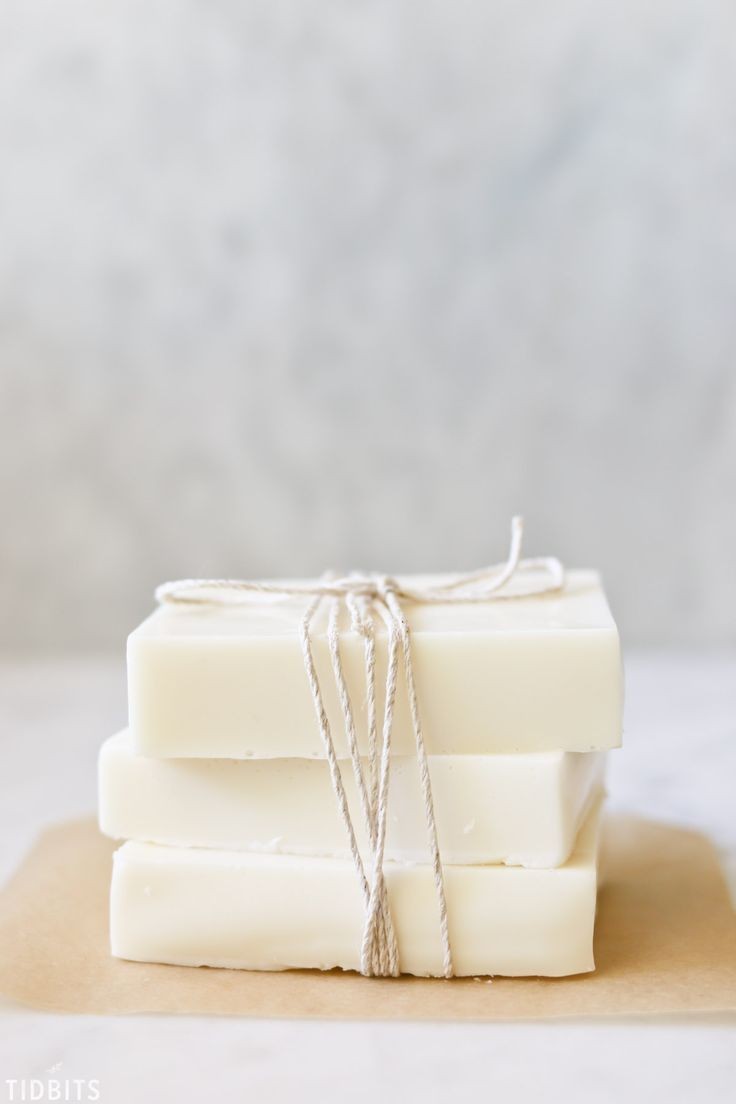
Mistake 4: Storing soap improperly. If your rose soap sits in a puddle of water, it can become mushy and harbor bacteria. Use a draining soap dish to keep it dry between uses.
Mistake 5: Expecting overnight results. Brightening and hydration are gradual. Give it 4–6 weeks of consistent use to see noticeable improvements.
Mistake 6: Ignoring your skin type. What works for oily skin may not suit dry or sensitive skin. Adjust usage accordingly (see next section).
By avoiding these pitfalls, you’ll get the most out of your rose soap and enjoy healthier-looking skin.
Choosing the Right Rose Soap for Your Skin Type
Not all rose soaps are created equal, and your skin type should guide your choice.
Dry skin: Look for rose soaps with added oils like shea butter, olive oil, or goat milk. These provide extra nourishment and prevent tightness. Avoid soaps with high amounts of coconut oil, which can be drying for some.
Oily skin: Choose a rose soap with a glycerin base or one that includes ingredients like tea tree or neem to help control excess oil. Rose itself is balancing, so it won’t over-dry.
Combination skin: A gentle rose soap with glycerin works well. You can also use it only on oily areas if your cheeks are dry.
Sensitive skin: Opt for fragrance-free or naturally scented rose soaps with minimal ingredients. Avoid synthetic dyes and harsh preservatives. Always patch test first on your inner arm before using on your face.
Acne-prone skin: Look for non-comedogenic rose soaps that contain salicylic acid or tea tree oil. Rose’s anti-inflammatory properties can help calm redness, but avoid heavy oils that may clog pores.
When reading labels, prioritize natural rose extract or rose oil over artificial fragrance. Also check for moisturizing ingredients like glycerin, aloe vera, or honey. If you’re unsure, start with a small bar and see how your skin responds.
For a nourishing option suitable for most skin types, try Goat Milk Soap, which combines the gentleness of milk with skin-loving nutrients. And don’t forget to browse our blog for more skincare tips.
Rose Soap vs. Other Brightening and Hydrating Ingredients
How does rose soap stack up against other popular skincare ingredients?
Rose vs. Vitamin C serums: Vitamin C is a powerhouse for brightening, but it can be irritating for sensitive skin and requires careful storage. Rose soap offers a gentler, more gradual approach with added hydration benefits.
Rose vs. Hyaluronic acid: Hyaluronic acid is excellent for holding moisture, but it’s not a cleanser. Rose soap cleanses and hydrates in one step, making it a convenient choice for daily use.
Rose vs. AHA/BHA exfoliants: Exfoliants remove dead skin cells to reveal brighter skin, but they can cause sensitivity and shouldn’t be used daily. Rose soap provides mild brightening without the risk of over-exfoliation.
Rose vs. other botanical soaps: Soaps like chamomile or lavender are soothing, but rose stands out for its dual action on brightening and hydration. Its antioxidant content targets dullness while its humectant properties draw in moisture.
That said, rose soap works best as part of a balanced routine. You can pair it with a vitamin C serum in the morning and a hyaluronic acid moisturizer at night for compounded benefits. Just remember to introduce new products one at a time to avoid irritation.
For a traditional twist, consider incorporating Sesame Oil in Traditional Skin & Hair Care Rituals for extra nourishment. And always consult a dermatologist if you have persistent skin concerns.
Frequently Asked Questions About Rose Soap
Can rose soap really brighten my skin? Yes, rose soap contains antioxidants that help reduce dullness and promote a more even tone over time. However, it’s not a bleaching agent — results are gradual and natural.
Is rose soap suitable for all skin types? Generally, yes, but formulations vary. Dry skin benefits from added oils, while oily skin may prefer a glycerin base. Sensitive skin should patch test first.
How long until I see results? With consistent use, most people notice improved hydration within a week and brighter skin after 4–6 weeks.
Can I use rose soap on my body? Absolutely! Rose soap is gentle enough for full-body use and can help soothe and hydrate dry areas like elbows and knees.
For more answers, check out our blog or explore our range of natural soaps.
Frequently Asked Questions
Can rose soap really brighten my skin?
Yes, rose soap contains antioxidants that help reduce dullness and promote a more even tone over time. However, it's not a bleaching agent — results are gradual and natural.
Is rose soap suitable for all skin types?
Generally, yes, but formulations vary. Dry skin benefits from added oils, while oily skin may prefer a glycerin base. Sensitive skin should patch test first.
How long until I see results?
With consistent use, most people notice improved hydration within a week and brighter skin after 4–6 weeks.
Can I use rose soap on my body?
Absolutely! Rose soap is gentle enough for full-body use and can help soothe and hydrate dry areas like elbows and knees.
Written by Mishal Rehman, owner of Flambeauty — sharing practical, professional beauty and skincare guidance.
Updated: September 2026