
Learn the gentlest way to detangle knotty hair without breakage, from prep and tools to a step-by-step method for straight, wavy, curly and coily hair types.
The gentlest way to detangle hair is to work from the ends upward on damp, conditioner-coated strands, using a wide-tooth comb or your fingers, in small sections. Start dry hair with a light oil or leave-in to add slip, never rip through knots, and finish with a gentle rinse and a soft towel or silk scrunchie to protect the strands.
Why Hair Tangles in the First Place
Before you reach for a comb, it helps to understand what you are actually fighting. A tangle is not just strands lying over each other; it is a tiny knot where the cuticle — the outer, shingle-like layer of each hair — has caught on the cuticle of a neighbouring strand. Once those rough edges lock together, pulling simply tightens the knot and stretches the fibre until it snaps. That is why detangling is really about smoothing the cuticle and adding slip, not about force.
Several everyday factors make tangles more likely. Dryness is the biggest one: hair with low moisture has a rougher, more raised cuticle, so strands grip each other instead of sliding past. Friction from cotton pillowcases, rough towels, and rubbing hair dry with a terry cloth all lift the cuticle and encourage knots. Heat styling, colouring, and even sun exposure strip the outer layer and leave hair more porous and prone to matting. In Pakistan’s climate, this plays out in two directions — humid monsoon air can make fine hair swell and tangle, while the dry, dusty winter months and constant air-conditioner exposure leave hair brittle and static-prone.
Hair length and texture matter too. Fine hair tangles easily because each strand is thin and flexible, while curly and coily hair has a natural structure that wraps around itself, creating single-strand knots and fairy knots almost by design. Long hair gathers more shed strands, which act like tiny anchors once they wrap around healthy hair. And if you have ever wondered why hair tangles more after washing, the answer is simple: wet hair stretches, and stretched hair breaks far more easily than dry hair.
Understanding this changes your whole approach. Instead of attacking a knot head-on, you condition the hair to make it slippery, separate strands patiently from the bottom up, and avoid the stretching that causes invisible damage. The good news is that with the right habits, detangling becomes a two-minute routine rather than a painful ordeal — and your hair keeps more of its length over time.
What You Actually Need: Tools and Products That Add Slip
The single most important tool is not a brush at all — it is a wide-tooth comb with smooth, seamless teeth. Seams and rough edges on cheap combs catch the cuticle and shred hair with every pass. A good comb glides through conditioner-coated strands without snagging. For thicker or curlier hair, a detangling brush with flexible bristles can work, but only once the major knots are already loosened by hand. A fine-tooth comb should never touch wet, tangled hair.
Products matter just as much as tools. You want something that adds slip — the ability of one strand to slide over another. Conditioners rich in fatty alcohols, leave-in creams, and lightweight oils all do this. Coconut, argan, and jojoba oils penetrate or coat the strand and reduce friction, while glycerin and aloe draw in moisture and soften the cuticle. If your hair is very dry or coarse, a leave-in conditioner followed by a few drops of oil gives the best glide. A Hair Growth Oil – Strengthen & Nourish Hair Naturally can double as a detangling aid on damp ends, adding enough slip to separate knots while supporting the scalp and lengths over time.

Accessories quietly make or break your results. Cotton towels and tight elastics create friction and tension that cause breakage at the crown and hairline. Swap to a microfibre towel or a soft cotton T-shirt for drying, and use a silk scrunchie instead of a standard elastic when you tie hair back — a 1 Silk Scrunchie – Gentle & Perfect for All Hair Types slides against the hair rather than gripping and tearing it, which matters most when hair is already fragile. Satin or silk pillowcases reduce overnight friction for the same reason.
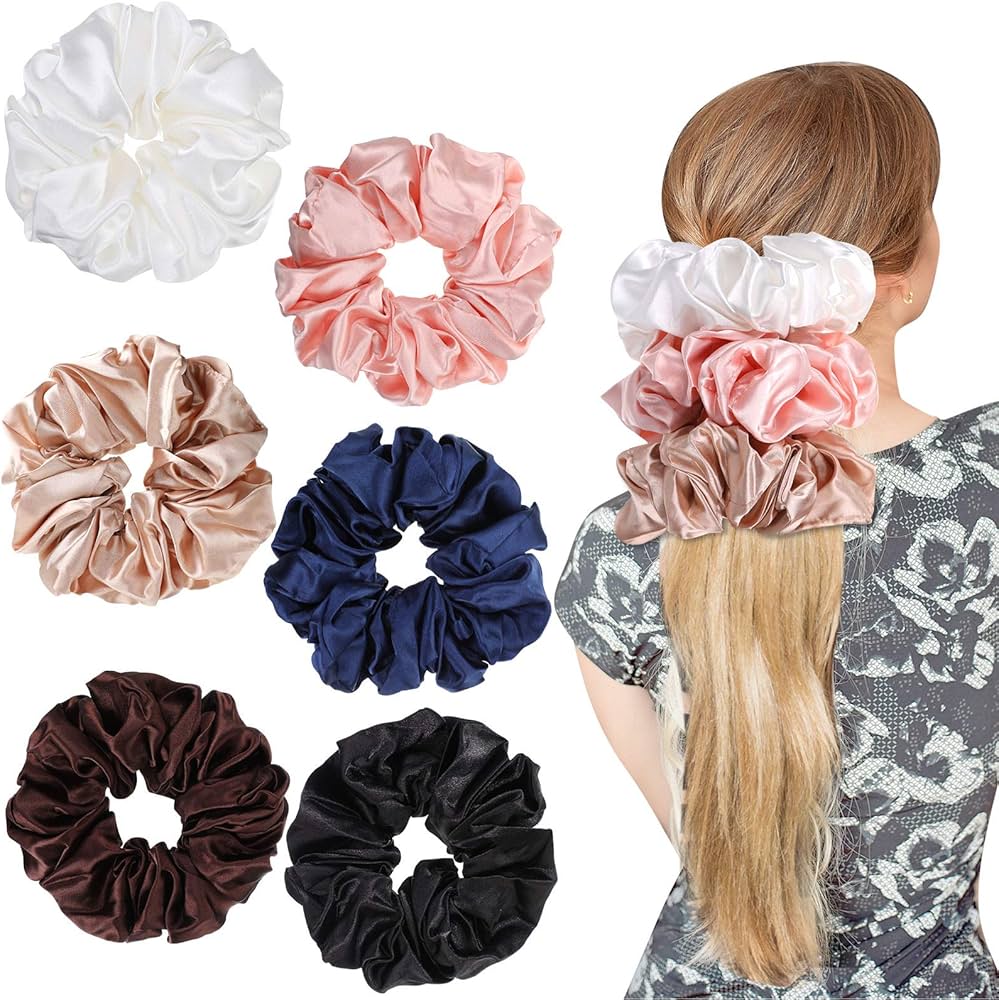
Finally, keep a spray bottle of water mixed with a little conditioner on hand. Reviving dry, tangled ends with a light mist before combing is far kinder than dragging a comb through brittle hair. A few seconds of prep saves minutes of pain and a lot of broken strands.
The Step-by-Step Detangling Method
Step one: prepare the hair before you touch a comb. If your hair is dry and knotty, mist it lightly with water and work a small amount of leave-in conditioner or oil through the ends. If you are detangling in the shower, apply conditioner generously and let it sit for two to three minutes so the cuticle smooths and the strands become slippery. Never begin on soaking-wet, unprotected hair — that is when stretching and snapping happen.
Step two: divide and conquer. Split hair into two, then four, then smaller sections as needed, clipping the rest out of the way. Tangles hide in the bulk, and trying to comb through a whole head at once guarantees that you pull against knots you cannot see. Working in sections means each pass is short, controlled, and gentle.
Step three: start at the ends and move upward. This is the golden rule. Take a section, hold it near the middle so you are not pulling directly on the scalp, and comb the last few centimetres first. Once the ends are smooth, move up another few centimetres, then again, until you reach the roots. If you hit a knot, stop, hold the hair above the knot, and use your fingers or the comb tip to tease the strands apart sideways rather than pulling downward. Patience here is what prevents breakage.
Step four: work through the stubborn knots by hand. For tight mats or single-strand knots, apply extra conditioner or oil directly, then gently roll the knot between your fingers to loosen it. You can also use a pin to separate the strands one at a time. Never yank, and never cut a knot unless it is truly beyond saving — cutting is a last resort.
Step five: rinse and dry gently. Once detangled, rinse with cool water to seal the cuticle, then squeeze — do not rub — water out with a microfibre towel or soft T-shirt. Comb once more with the wide-tooth comb while damp to keep strands aligned, then let hair air-dry or style as usual. Tie it loosely with a silk scrunchie if you need it out of your face. If you want more scalp and length support between washes, the Hair Care collection has options that fit easily into this routine.
Common Detangling Mistakes That Cause Breakage
The most damaging mistake is starting at the roots and dragging the comb straight down. This pushes every knot toward the ends, tightening them into hard little balls and stretching the hair until it snaps. Always begin at the ends and work upward, no matter how rushed you are.
Detangling dry, product-free hair is another frequent error. Without moisture or slip, the comb has to physically tear strands apart. A quick mist of water and a drop of conditioner or oil takes seconds and dramatically reduces friction. Similarly, using the wrong tool — a fine-tooth comb, a bristle brush on wet hair, or a brush with ball-tipped bristles that snag — causes far more harm than most people realise.
Rubbing hair dry with a rough towel, sleeping on cotton pillowcases, and tying hair tightly with standard elastics all create the friction and tension that lead to split ends and thinning at the hairline. Rough drying and tight elastics are silent saboteurs — the damage accumulates slowly and only becomes obvious months later. Switching to microfibre, silk, and loose ties protects the hair while you sleep and move through your day.
Finally, over-washing and skipping conditioner strip the hair of the very oils that keep it slippery. If your hair tangles constantly, look at your wash routine before blaming your comb. And resist the urge to detangle aggressively when you are in a hurry — rushed detangling is when most breakage happens. Slow, sectioned, conditioned detangling is faster in the long run because you lose less length and need fewer trims.
One more overlooked point: detangling the same spot repeatedly. Once a section is smooth, leave it alone. Going over it again and again with a comb adds unnecessary friction and can weaken strands over time.
Adapting Your Method to Your Hair Type
Fine or Straight Hair
Fine hair tangles easily but is also the most fragile, so use a lightweight leave-in rather than a heavy oil that weighs strands down. Detangle on damp hair with a wide-tooth comb, working in thin sections, and avoid over-brushing. A small amount of lightweight conditioner or a few drops of oil on the ends only is usually enough. Skip heavy butters, which can make fine hair look limp and greasy.
Wavy Hair
Wavy hair sits between straight and curly, so it benefits from finger-detangling first, then a wide-tooth comb on conditioner-coated hair. Avoid dry brushing, which disrupts the wave pattern and creates frizz and knots. A leave-in cream plus a light oil gives good slip without flattening the waves.
Curly Hair
Curly hair should be detangled wet and loaded with conditioner, ideally in the shower. Use your fingers to separate curls, then a wide-tooth comb or detangling brush, always from the ends up. Never brush curly hair dry — it causes frizz and breakage. After detangling, scrunch in product and avoid touching the hair until it dries.
Coily or Kinky Hair
Coily hair needs the most moisture and the gentlest handling. Detangle only on wet, conditioner-heavy hair, in small sections, using fingers first and a wide-tooth comb second. Sectioning with clips and working methodically is essential, as is sealing with oil afterward. Consider detangling during a deep-conditioning session for maximum slip, and tie hair loosely with a silk scrunchie or satin scarf at night to prevent re-tangling.
Relaxed, Coloured, or Heat-Damaged Hair
Chemically treated and heat-damaged hair is more porous and breaks easily, so treat it like fine hair even if it is thick. Use protein-free moisturising conditioners, detangle gently on damp hair, and avoid tugging. Regular trims help, since split ends catch on each other and create new knots. If your hair feels weak or thinning, the tips in this guide on herbal remedies for strengthening weak, thinning hair pair well with a gentle detangling routine.
Choosing Detangling Products: What to Look For
When shopping, read the ingredient list rather than the front label. Look for conditioners built on fatty alcohols like cetyl and stearyl alcohol — despite the name, these are moisturising and give excellent slip. Ingredients such as glycerin, aloe vera, panthenol (pro-vitamin B5), and hydrolysed proteins help soften and strengthen. Oils like argan, jojoba, coconut, and sweet almond reduce friction and add shine. Silicones such as dimethicone can be useful for instant glide, though some people prefer to limit them if they co-wash frequently.
For a leave-in detangler, choose something lightweight if your hair is fine and richer if it is thick or coily. A spray detangler is convenient for quick refreshes; a cream or oil is better for deep hydration and long-lasting slip. If you have a sensitive scalp, avoid heavy fragrance and essential oils in high concentrations. Always patch test a new product on a small area before applying it all over, especially if you have reacted to products before.
Tools deserve the same scrutiny. Choose a comb with wide, smooth teeth and no sharp seams, and a brush with flexible bristles if you prefer brushing. For drying, a microfibre towel or soft cotton T-shirt beats a rough terry towel every time. For tying, silk scrunchies and satin scarves reduce friction overnight. These small upgrades cost little but protect your hair daily.
Consistency matters more than any single product. A simple routine — gentle wash, generous conditioner, patient sectioned detangling, and protective accessories — will do more for your hair than an expensive product used occasionally. If you enjoy learning about complementary habits, the Flambeau blog covers topics like scalp care and seasonal routines, and this glow up guide is a good reminder that healthy hair and skin habits reinforce each other.
For authoritative guidance on scalp and hair care, the American Academy of Dermatology recommends gentle handling and avoiding harsh pulling — advice that aligns perfectly with a patient, conditioned detangling routine.
Making Detangling a Calm, Regular Habit
The best detangling routine is one you actually repeat. Aim to detangle gently every time you wash, and do a quick finger-detangle or loose braid before bed to prevent overnight tangles. Keep a wide-tooth comb, a spray bottle, and a little oil within reach so the process never feels like a chore. Over weeks, you will notice fewer knots, less snapping, and more length retained.
Remember the core principles: moisture first, ends first, and never force a knot. These three rules prevent the vast majority of breakage. Pair them with gentle drying, silk accessories, and regular trims, and your hair will feel smoother, look healthier, and tangle far less. Detangling does not have to be painful — with the right method, it becomes a few calm minutes that protect your hair instead of damaging it.
Frequently Asked Questions
Should I detangle my hair wet or dry?
Damp, conditioner-coated hair is generally easiest and gentlest to detangle because moisture adds slip and softens the cuticle. Dry detangling is fine for a quick refresh if you first mist the hair and add a little leave-in or oil, but never comb dry, product-free hair.
What is the best tool for detangling without breakage?
A wide-tooth comb with smooth, seamless teeth is the safest choice for most hair types, especially curly and coily hair. You can use your fingers first to loosen knots, then a detangling brush with flexible bristles once the major tangles are gone.
How do I stop my hair from tangling so much?
Keep hair moisturised, use conditioner every wash, switch to a microfibre towel and silk scrunchies, and tie hair loosely before bed. Regular trims also help, since split ends catch on each other and create new knots.
Can detangling cause hair loss?
Aggressive detangling can snap strands and pull hair from the roots, which looks like shedding. Gentle, sectioned detangling on conditioned hair greatly reduces this, but if you notice sudden or patchy hair loss, consult a dermatologist.
Written by Flambeau by Mishal Zain — sharing practical, affordable beauty and skincare tips.
Updated: September 2026