Discover effective herbal remedies for chapped lips using natural ingredients like honey, coconut oil, and aloe vera. Learn step-by-step routines, common...
Chapped lips are a common nuisance, especially in dry or cold climates, and can range from mild flaking to painful cracking. The most effective natural herbal remedies include applying pure honey, coconut oil, or aloe vera gel directly to the lips, creating a protective barrier with beeswax or shea butter, and staying hydrated. These simple, plant-based solutions soothe, moisturize, and help repair the delicate skin on your lips without harsh chemicals. For persistent issues, incorporating a gentle lip balm with herbal extracts and avoiding licking your lips can prevent further damage.
Understanding Chapped Lips: Causes and the Role of Natural Herbs
Chapped lips occur when the thin, delicate skin on your lips loses moisture faster than it can be replenished. Unlike the rest of your face, lips lack oil glands, so they rely on external moisture and natural humidity to stay supple. Common culprits include dry weather, cold winds, excessive sun exposure, dehydration, and even certain habits like licking your lips, which actually strips away natural oils. In Pakistan, where the climate can swing from intense summer heat to chilly winters, chapped lips are a year-round issue. The skin on your lips is also more sensitive to irritants, so harsh soaps, flavored lip balms, or toothpaste can trigger inflammation and worsen the condition.
Natural herbs have been used for centuries in traditional Pakistani and South Asian skincare to treat dryness and promote healing. Herbs like calendula, chamomile, and neem are revered for their soothing, anti-inflammatory, and antimicrobial properties. Calendula, for example, is rich in flavonoids that help calm irritated skin, while chamomile contains bisabolol, a compound known to reduce redness and promote skin repair. Neem, a staple in Ayurvedic remedies, offers potent antibacterial benefits that can prevent infection in cracked lips. These herbs work by providing essential fatty acids, antioxidants, and vitamins that support the skin’s natural barrier function.
When you apply an herbal remedy, you’re not just adding moisture – you’re delivering active compounds that help the skin regenerate. For instance, the mucilage in aloe vera forms a protective film that locks in hydration, while the antioxidants in green tea extract fight free radicals that can accelerate skin damage. The key is to choose remedies that are gentle yet effective, avoiding synthetic fragrances and petroleum-based products that can create a temporary barrier but may not nourish the underlying skin. Understanding why your lips are chapped is the first step to selecting the right herbal treatment.
It’s also important to recognize that chapped lips can sometimes signal an underlying issue, such as a vitamin B deficiency, an allergic reaction, or even dehydration from excessive caffeine intake. In such cases, natural remedies can provide relief, but addressing the root cause is essential for long-term improvement. For most people, however, a consistent routine using herbal ingredients can restore softness within a few days. The herbs you choose should be based on your specific symptoms – if your lips are dry and flaky, look for emollients; if they’re cracked and painful, prioritize healing and anti-inflammatory agents.
Finally, the way you apply these remedies matters as much as the ingredients themselves. Gently exfoliating with a soft toothbrush or sugar scrub (mixed with honey) can remove dead skin, allowing herbal balms to penetrate deeper. However, over-exfoliating can worsen the problem, so limit this to once or twice a week. Always patch test any new herbal ingredient on a small area of skin to ensure you don’t have an allergic reaction, especially if you have sensitive skin. With this foundation, you can confidently explore the most effective herbal remedies for chapped lips.
Top Natural Herbal Remedies for Chapped Lips
Nature offers a pharmacy of ingredients that can soothe and repair chapped lips. Here are the most effective herbal remedies, each backed by traditional use and simple to incorporate into your daily routine.
Honey is perhaps the most versatile remedy. It’s a natural humectant, meaning it draws moisture from the air into your skin. Raw honey also contains enzymes and antioxidants that help reduce inflammation and promote healing. To use, apply a thin layer of raw honey to your lips and leave it on for 15-20 minutes, then rinse with warm water. For an intensive overnight treatment, mix a teaspoon of honey with a few drops of coconut oil and a pinch of turmeric (which has anti-inflammatory properties) and apply before bed. The sweetness may tempt you to lick it off, but try to keep it on for maximum benefit.
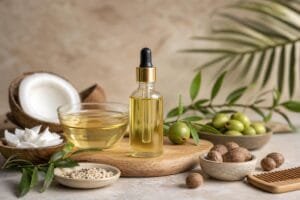
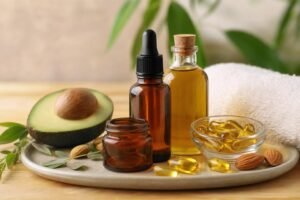
Coconut oil is another powerhouse, rich in medium-chain fatty acids that penetrate the skin and lock in moisture. It also has mild antimicrobial properties, making it ideal for cracked lips that are prone to infection. You can apply coconut oil directly as a balm, or combine it with shea butter and beeswax to create a more solid lip salve. In Pakistan, pure coconut oil is widely available and affordable, making it a staple in many households. For an extra soothing effect, infuse the coconut oil with dried chamomile flowers or calendula petals over low heat for 30 minutes, then strain and use the infused oil.
Aloe vera gel is renowned for its cooling and healing properties. The gel contains polysaccharides that help new skin cells grow, and its anti-inflammatory compounds can reduce pain and redness. If you have an aloe plant at home, simply cut a leaf, squeeze out the gel, and apply it to your lips. Leave it on for 20 minutes or even overnight. For a more convenient option, look for pure aloe vera gel without added alcohol or fragrance. Aloe vera is especially beneficial in the hot Pakistani summer when lips can get sunburned – apply it after sun exposure to calm the skin.
Shea butter is a rich emollient derived from the nuts of the shea tree. It’s packed with vitamins A and E, which help repair damaged skin and improve elasticity. Shea butter has a thick consistency that forms a protective barrier, making it excellent for severe chapping. You can use it alone or blend it with beeswax, coconut oil, and a few drops of essential oil like lavender or peppermint (use sparingly, as peppermint can be cooling but may irritate sensitive lips). For a simple DIY lip balm, melt equal parts shea butter, coconut oil, and beeswax, pour into a small tin, and let it cool. This balm will keep your lips hydrated for hours.
Green tea is not just for drinking – its antioxidant properties can benefit your lips too. The polyphenols in green tea help reduce inflammation and protect against UV damage. Brew a strong cup of green tea, let it cool, and use a cotton ball to dab the tea onto your lips. You can also mix a teaspoon of green tea leaves with honey and apply it as a paste. For a more targeted treatment, steep a green tea bag in warm water, then place the bag on your lips for 5-10 minutes. This can be especially soothing if your lips are chapped from sun exposure.
Finally, calendula oil or chamomile oil can be added to your homemade balms. Calendula is a natural anti-inflammatory and has been used to treat skin irritations for centuries. Chamomile is equally soothing and can help reduce the pain of cracked lips. Both oils are available at health food stores or online. When choosing essential oils, always dilute them with a carrier oil like coconut or jojoba oil, as they are highly concentrated and can irritate sensitive skin. A drop or two in your lip balm is sufficient.
Step-by-Step Guide to Healing Chapped Lips with Herbs
To get the best results from natural remedies, follow this step-by-step routine that combines gentle exfoliation, deep moisturization, and overnight repair.
Step 1: Gently Exfoliate (Once or Twice a Week). Start with clean lips. Mix one teaspoon of sugar with a few drops of honey or coconut oil to create a gentle scrub. Massage the mixture onto your lips in circular motions for 30 seconds, then rinse with lukewarm water. This removes dead skin and allows subsequent treatments to penetrate deeper. Avoid scrubbing if your lips are severely cracked or bleeding – wait until they heal a bit. For a gentler option, use a soft toothbrush to lightly brush your lips after applying a thin layer of honey.
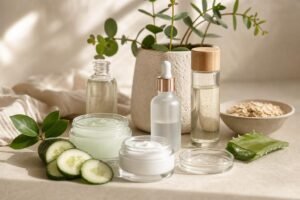
Step 2: Apply a Hydrating Herbal Mask. After exfoliating, apply a generous layer of your chosen herbal remedy – honey, aloe vera gel, or a mixture of coconut oil and shea butter. Leave it on for 15-20 minutes to allow the ingredients to soak in. You can also use a slice of cucumber or a used green tea bag as a soothing mask. This step is especially beneficial in the evening when you have time to relax.
Step 3: Lock in Moisture with a Herbal Balm. After the mask, apply a lip balm that contains herbal ingredients like beeswax, shea butter, or calendula oil. This creates a protective barrier that prevents moisture loss. Carry this balm with you and reapply it throughout the day, especially after eating, drinking, or being outdoors. In Pakistan’s dry winters, you may need to apply it every couple of hours. Look for balms that come in a tube or tin and avoid those with added fragrance or color.
Step 4: Overnight Repair. Before bed, apply a thick layer of a nourishing treatment, such as pure coconut oil, shea butter, or a blend of honey and olive oil. This gives your lips hours to absorb the nutrients and repair overnight. You can also use a lip mask or simply apply a generous amount of your regular balm. For an extra boost, mix in a drop of vitamin E oil from a capsule. In the morning, your lips should feel softer and more supple.
Step 5: Maintain with Healthy Habits. Throughout the day, drink plenty of water to stay hydrated from within. Avoid licking your lips, as saliva evaporates quickly and leaves them drier. Protect your lips from the sun by using a balm with SPF, especially during Pakistan’s sunny months. If you’re outdoors in cold or windy weather, cover your face with a scarf or mask. Also, ensure your diet includes foods rich in B vitamins and iron, as deficiencies can contribute to chapped lips.
Consistency is key – you won’t see dramatic results overnight, but within a week of following this routine, you should notice a significant improvement. If your lips don’t heal after two weeks or become increasingly painful, consult a dermatologist, as it could be a sign of a more serious condition.
Common Mistakes to Avoid When Treating Chapped Lips
Even with the best herbal remedies, certain habits can sabotage your progress. Here are the most common mistakes and how to avoid them.
Licking your lips is the number one offender. Saliva contains enzymes that help digest food, but on your lips, they break down the delicate skin and cause evaporation. The more you lick, the drier your lips become, creating a vicious cycle. Instead, reach for your herbal balm. If you have a habit of licking your lips, try applying a slightly bitter balm (like one with neem) to discourage the habit.
Exfoliating too aggressively or too often can strip away the protective layer and worsen the condition. Limit exfoliation to once a week, and use gentle movements. Avoid harsh ingredients like baking soda or salt, which can cause micro-tears. If your lips are already chapped, skip exfoliation altogether until they heal.
Using products with irritants such as menthol, camphor, or phenol can actually dry out your lips further. These ingredients are often found in medicated lip balms and provide a cooling sensation that masks the problem. Similarly, lip balms with added fragrance, flavor, or color can cause allergic reactions or irritation. Stick to unscented, natural formulas with minimal ingredients.
Ignoring sun protection is another mistake. Your lips are just as susceptible to sunburn as the rest of your skin, and over time, UV damage can lead to dryness and premature aging. Choose a lip balm with SPF 15 or higher, especially if you spend time outdoors. In Pakistan, the sun is intense, so make this a non-negotiable step.
Not drinking enough water is a common oversight. Herbal remedies work from the outside, but hydration starts from within. Aim for at least eight glasses of water a day, and more if you’re active or in a hot climate. Herbal teas like chamomile or green tea can contribute to your fluid intake while providing additional antioxidants.
Finally, picking or peeling the flaky skin on your lips can cause bleeding and infection. Let the dead skin fall off naturally or gently exfoliate. If you have a habit of picking, keep your lips well-moisturized to reduce the urge. By avoiding these mistakes, you’ll give your herbal remedies the best chance to work.
How to Choose the Right Herbal Lip Care Products
Not all natural lip balms are created equal. When shopping for herbal lip care, look for products that contain whole-food ingredients and avoid synthetic additives. Here’s what to consider.
Check the ingredient list. The first few ingredients should be recognizable – like beeswax, shea butter, coconut oil, or cocoa butter. Avoid products with “fragrance” or “parfum” listed, as these can hide phthalates and other allergens. Look for specific herbal extracts like calendula, chamomile, or aloe vera, which are known for their soothing properties. If the product claims to be “natural” but is full of long, unpronounceable chemicals, it’s probably not.
Consider the consistency. Balms that come in a tin or pot are typically thicker and more occlusive, making them great for overnight use. Tubes are more convenient for daytime application. Some balms have a glossy finish, while others are matte. Choose based on your preference and how often you need to reapply. For intense hydration, a balm with a high percentage of shea butter or lanolin (if you’re not vegan) is ideal.
Look for certifications. While not mandatory, certifications like USDA Organic or Ecocert can give you confidence that the product meets certain standards. In Pakistan, you may not always find these labels, but you can still evaluate the ingredient list. Also, check for cruelty-free certifications if that’s important to you.
Consider your skin type. If you have sensitive skin, choose balms with minimal ingredients, like pure beeswax and coconut oil. If you have acne-prone skin, avoid heavy oils that could clog pores around your lips (though this is rare). For severe dryness, look for balms with added ceramides or hyaluronic acid, which help restore the skin barrier.
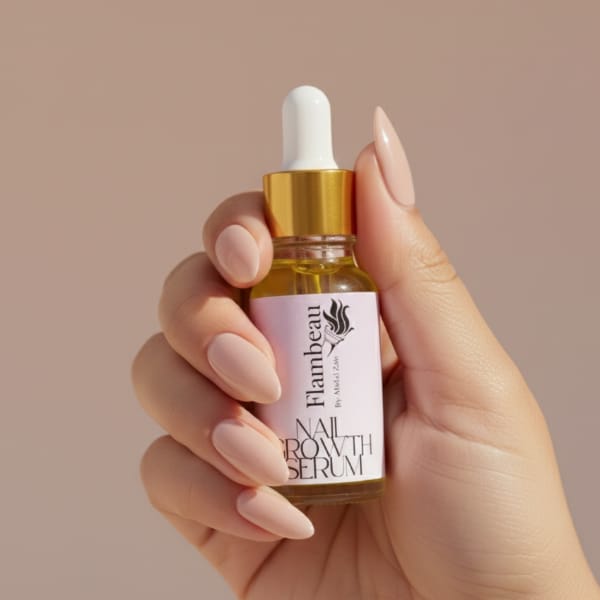
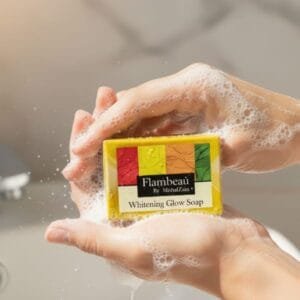
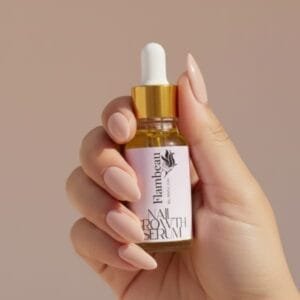
For a practical example, you might try a DIY balm using Whitening Glow Soap (though it’s for the body, it shows the brand’s commitment to natural ingredients) – but for lips, a better option is to use a simple product like a pure shea butter balm. If you’re looking for a locally made brand, Flambeauty offers a range of natural skincare products. You can explore their Skin Care category for more options, though they don’t have a specific lip balm listed at the moment. Always read reviews and do a patch test before trying a new product.
Herbal Lip Care for Different Needs: Dry, Sensitive, and Sun-Exposed Lips
Not all chapped lips are the same. Tailoring your approach to your specific situation can yield faster results. Here are herbal solutions for three common scenarios.
For chronically dry lips: If your lips are constantly dry and flaky, focus on deep moisturization and barrier repair. Use a rich balm made with shea butter, cocoa butter, or mango butter, and apply it multiple times a day. At night, apply a thick layer of coconut oil mixed with honey, and leave it on overnight. You can also add a few drops of glycerin to your balm for extra humectant power. Avoid products with alcohol or drying ingredients.
For sensitive or irritated lips: If your lips react easily to products or are red and inflamed, choose soothing ingredients like chamomile, calendula, and aloe vera. These have anti-inflammatory properties that calm the skin. Avoid essential oils like peppermint or citrus, which can sting. A simple balm of beeswax and chamomile-infused oil is ideal. You can also apply a cold compress of green tea to reduce irritation.
For sun-damaged or sun-exposed lips: In Pakistan’s hot climate, sun protection is crucial. Use a balm with SPF 30 or higher, and look for ingredients like green tea extract, which offers antioxidant protection. Aloe vera gel is excellent for soothing sunburned lips – apply it several times a day. You can also make a cooling mask with yogurt and cucumber. Remember to reapply SPF balm every two hours when outdoors.
For those with a busy lifestyle, a quick tip: keep a small tin of homemade herbal lip balm in your pocket and a bottle of water on your desk. Simple habits make a big difference. If you’re interested in more beauty tips, check out our blog for related articles like How Your Pillowcase Affects Skin Breakouts and Hair Frizz – it’s surprising how many factors affect your skin.
Ultimately, the best remedy is one that you can use consistently. Whether you choose a single ingredient like coconut oil or a carefully formulated balm, the key is to keep your lips protected and moisturized. With these herbal solutions and the right habits, you can say goodbye to chapped lips for good.
Frequently Asked Questions
Can I use honey on chapped lips every day?
Yes, raw honey is safe to use daily as a moisturizing treatment. Apply a thin layer for 15-20 minutes and rinse, or leave it on overnight for deeper hydration.
How long does it take for herbal remedies to heal chapped lips?
With consistent use, you may see improvement within 2-3 days, but severe chapping may take up to a week. It depends on the cause and how diligently you apply the remedies.
Are there any side effects of using coconut oil on lips?
Coconut oil is generally safe for most people, but those with coconut allergies should avoid it. Always patch test first. If you experience irritation, discontinue use.
What should I do if my lips are bleeding and painful?
If your lips are severely cracked and bleeding, skip exfoliation and apply a thick layer of a soothing balm like shea butter or aloe vera gel. If it doesn't improve in a few days, consult a dermatologist.
Written by Mishal Rehman, owner of Flambeauty — sharing practical, professional beauty and skincare guidance.
Updated: August 2026