Learn why hair falls after illness and how to reduce it with gentle care, nourishing habits, and patience. Practical tips for faster, healthier regrowth.
After a high fever or illness, you may notice excessive hair shedding that can be alarming. This is a common condition called telogen effluvium, where stress on the body pushes hair follicles into a resting phase, causing them to fall out weeks later. The good news is that this type of hair loss is usually temporary and reversible with the right care, nutrition, and patience. Here’s how to reduce hair fall and support regrowth.
What Happens to Your Hair After Illness?
When your body fights an infection like dengue, typhoid, or even a severe flu, it prioritizes vital functions over non-essential ones like hair growth. This stress response can send up to 30% of your hair follicles into the telogen (resting) phase simultaneously. Instead of growing, these hairs rest for about 2–3 months, then shed all at once. That’s why you might notice clumps of hair in your brush or shower drain weeks after you’ve recovered.
This condition, known as telogen effluvium, is not permanent. Most people see excessive shedding for 3–6 months before it gradually slows down. However, the way you care for your scalp and body during this period can influence how quickly your hair returns to its normal growth cycle. Understanding this mechanism helps reduce anxiety, which itself can worsen shedding.
It’s also important to note that fever-induced hair fall is different from pattern baldness. It’s diffuse, meaning hair thins evenly across the scalp, rather than in patches or specific areas. This is a reassuring sign that it’s likely temporary. If you notice patchy hair loss or scaling, consult a dermatologist, as that could indicate a fungal infection or another issue.
Your body’s nutrient stores are often depleted during illness, especially iron, vitamin D, and B-complex vitamins. These are essential for hair follicle function. If your diet was poor during the fever, your hair may suffer more. Replenishing these nutrients is a key step in recovery.
Additionally, the emotional toll of seeing your hair fall can be stressful, creating a vicious cycle. Stress itself can trigger more shedding. So, part of your recovery plan should include stress management and gentle self-care routines. The hair you lose now is already programmed to fall; your job is to support the new growth underneath.
Remember, patience is your best ally. Hair grows about half an inch per month, so visible improvement takes time. Focus on consistent, gentle care rather than quick fixes that may irritate your scalp further.
Nourish Your Body from Within
Your hair follicles are among the most metabolically active cells in your body, requiring a steady supply of nutrients. After illness, your reserves may be low, so a nutrient-dense diet is crucial for reducing hair fall and encouraging regrowth. Focus on protein-rich foods like eggs, chicken, fish, lentils, and dairy, as hair is made of keratin, a protein. Aim for at least 0.8 grams of protein per kilogram of body weight daily.
Iron is another critical mineral, as low ferritin levels are strongly linked to hair shedding, especially in women. Include iron-rich foods like spinach, red meat, and beans, and pair them with vitamin C (citrus fruits, bell peppers) to enhance absorption. If you suspect deficiency, ask your doctor for a blood test—don’t self-supplement without guidance.
Vitamin D deficiency is common after prolonged indoor rest during illness. This vitamin plays a role in hair follicle cycling, and low levels are associated with hair thinning. Get safe sun exposure for 10–15 minutes daily or consider a supplement after consulting your healthcare provider. Omega-3 fatty acids from fish or flaxseeds help reduce scalp inflammation, which can support healthier hair follicles.
Biotin and zinc are often marketed for hair, but they work best when part of a balanced diet. Biotin is found in eggs, nuts, and sweet potatoes; zinc is in pumpkin seeds and shellfish. Rather than relying on supplements, aim for a colorful plate with leafy greens, fruits, and whole grains. Hydration is equally important—drink at least 8 glasses of water daily to support cell function and scalp health.
Green tea is a wonderful addition to your routine; its antioxidants may help reduce stress-related hair loss. Traditional Pakistani remedies like amla (Indian gooseberry) and curry leaves are rich in vitamin C and iron. You can incorporate them into your diet or use them in scalp treatments. Remember, supplements should never replace real food—they’re meant to fill gaps, not serve as a primary source.
If you’re vegetarian or vegan, pay extra attention to iron and vitamin B12, as plant-based sources are less absorbable. Consider a fortified breakfast cereal or nutritional yeast. And don’t forget to limit junk food and sugary drinks, as they can increase inflammation. A nourishing diet, combined with patience, lays the foundation for your hair’s comeback.
Gentle Hair Care Routine to Minimize Shedding
During the shedding phase, your hair is fragile, so handle it with extra care. Switch to a gentle, sulfate-free shampoo that cleanses without stripping natural oils. Look for products containing aloe vera, chamomile, or oat extract to soothe the scalp. Wash your hair 2–3 times a week—overwashing can dry out strands, while infrequent washing may lead to buildup that suffocates follicles.
When washing, use lukewarm water instead of hot, which can weaken hair shafts. Massage your scalp with your fingertips in small circles to stimulate blood flow, but avoid vigorous rubbing. Rinse thoroughly and follow with a lightweight conditioner, applying it mainly to the ends. Avoid conditioners with heavy silicones that can weigh down fine hair.
After washing, never rub your hair with a towel—that causes friction and breakage. Instead, gently squeeze out excess water and wrap a microfiber towel or an old cotton T-shirt around your head. Let it air-dry as often as possible. Heat styling tools like straighteners and curling irons should be avoided during this recovery period, as they further stress fragile strands.
Brushing is another area to modify. Use a wide-tooth comb or a boar-bristle brush to detangle gently, starting from the ends and working up. Never brush wet hair aggressively, as it’s more elastic and prone to snapping. For added protection, tie your hair up in a loose bun using a soft, fabric-covered elastic—avoid tight ponytails that pull at the roots.
Consider using a silk scrunchie that glides smoothly and reduces friction on your hair cuticle. Silk also prevents the creases and tangles that cotton can cause. These small changes can make a big difference in minimizing breakage while your hair regains strength.
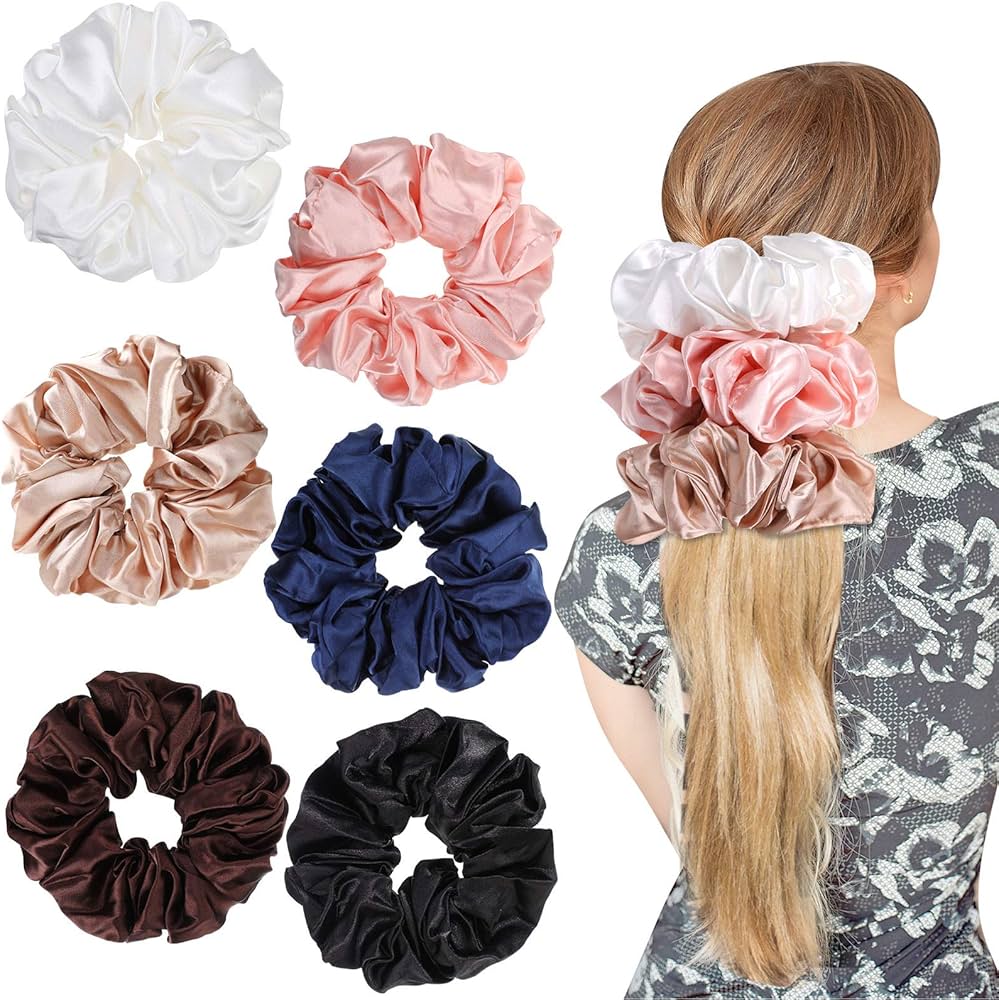
Additionally, protect your hair from the sun and pollution by wearing a scarf or hat when outdoors. Chlorine from pools and saltwater can also dehydrate hair, so rinse with clean water before and after swimming. Remember, your hair is in a resting phase; it needs gentleness, not aggressive treatments like chemical straightening or perms until it’s fully recovered.
Scalp Care and Massage for Better Circulation
A healthy scalp is the foundation for hair growth. After illness, your scalp may be dry, flaky, or sensitive due to fever and dehydration. Regularly massaging your scalp not only feels relaxing but also boosts blood circulation to hair follicles, delivering oxygen and nutrients essential for regrowth. Aim for a 5–10 minute massage 3–4 times a week.
You can use your fingertips, but for added benefit, incorporate a nutrient-rich oil. Warm a small amount of coconut, almond, or jojoba oil (test temperature on your wrist first) and gently massage into your scalp in circular motions. Leave it on for at least 30 minutes or overnight, then wash thoroughly. This helps moisturize the scalp and reduce inflammation.
Essential oils like rosemary and peppermint have been studied for their potential to promote hair growth. Mix a few drops with a carrier oil—never apply directly to skin. However, always patch test first to ensure you don’t have an allergic reaction, especially since your skin may be sensitive post-illness. If you prefer a ready-made product, look for a scalp serum with caffeine or peptides.
Exfoliating your scalp once a week can remove dead skin cells and product buildup, creating a clean environment for follicles. Use a gentle scrub with fine sugar or a chemical exfoliant containing salicylic acid, but avoid if your scalp is irritated. Natural remedies like onion juice or garlic-infused oil are popular in Pakistani households, but they can be strong—use cautiously.
Incorporate relaxing rituals into your routine to lower stress, which is a major contributor to hair fall. A calm mind promotes a healthier hormonal balance. You can combine your scalp massage with deep breathing or listen to soothing music. This dual benefit of physical and mental care amplifies the effect on your hair.
Remember to be consistent—scalp care isn’t a one-time fix. Over time, you’ll notice less shedding and a healthier scalp texture. If you experience itching, redness, or pain, stop and consult a dermatologist, as that could signal an infection that requires medical treatment.
Lifestyle Habits That Support Hair Recovery
Your daily habits play a significant role in how quickly your hair bounces back. Prioritize quality sleep—aim for 7–9 hours per night. During sleep, your body repairs tissues and produces hormones that regulate hair growth. Poor sleep can increase cortisol, a stress hormone that prolongs shedding. Create a calming bedtime routine, such as reading or gentle stretching, to improve sleep quality.
Manage stress proactively, as anxiety can trigger or worsen telogen effluvium. Practices like meditation, yoga, or even a daily walk in fresh air can lower stress levels. In Pakistan, taking a short walk in the evening, especially during cooler months, can be both relaxing and beneficial for circulation. Avoid overtaxing yourself with intense workouts—moderate exercise is enough.
Avoid smoking and excessive alcohol, as they impair circulation and deplete nutrients. Smoking narrows blood vessels, reducing blood flow to the scalp, while alcohol dehydrates the body and interferes with nutrient absorption. If you’re a smoker, consider this an opportunity to quit for the sake of your hair and overall health.
Stay consistent with your hair care routine, but don’t obsess over counting every strand. Obsessive checking can cause unnecessary stress, which is counterproductive. Instead, take a photo of your hair in good lighting once a month to track progress objectively. You’ll likely see a reduction in shedding after a few months.
Consider incorporating a gentle scalp massage with a wooden comb or your fingers while watching TV. It’s a low-effort way to stimulate follicles. Also, protect your hair from tight hairstyles like braids or buns that put tension on the roots. If you use styling products, choose lightweight ones that don’t clog pores.
Finally, be gentle with yourself emotionally. Hair fall after illness is a temporary setback, not a permanent state. Your body has just fought a battle; it needs time to regroup. Surround yourself with supportive people, and consider talking to a friend or counselor if you feel anxious. A positive mindset can genuinely influence your recovery.
When to See a Doctor and What to Expect
While telogen effluvium resolves on its own in most cases, certain signs warrant a medical evaluation. If your hair loss continues for more than 6 months, appears in patches, or is accompanied by redness, scaling, or pain, consult a dermatologist. They can rule out underlying conditions like thyroid imbalances, iron-deficiency anemia, or autoimmune disorders that may be contributing.
Your doctor may perform a blood test to check ferritin, vitamin D, thyroid-stimulating hormone (TSH), and complete blood count. Based on results, they might recommend targeted supplements. For instance, if your ferritin is below 30 ng/mL, iron supplementation might be advised. Never self-prescribe high doses of supplements, as they can have side effects.
In rare cases, dermatologists may prescribe topical treatments like minoxidil to stimulate hair growth. However, this is typically reserved for persistent or severe cases. It’s important to understand that there is no “instant” cure for post-illness hair fall—the shedding phase must run its course. Any product claiming immediate results is likely misleading.
As you wait for regrowth, you can support your hair with a good diet and gentle care. Some people find that using a silk pillowcase or a soft silk scrunchie reduces breakage. You might also explore the hair care products from brands like Flambeauty, but always check ingredient lists.
Keep a journal of your hair fall patterns, noting when it started and any changes. This information can be valuable for your doctor. Also, be mindful that hair regrowth takes time—expect visible new baby hairs in 3–6 months. They may appear as short, wispy strands at your hairline, which is a positive sign.
Remember, you’re not alone in this experience—many people face this after illness. The key is to stay consistent with healthy habits and patient with your body’s natural recovery process. If you feel concerned, don’t hesitate to seek professional guidance. Your hair will gradually regain its former fullness.
Hair Type Considerations: Tailoring Your Recovery
Your hair type and texture can influence how you care for it during recovery. For fine or thin hair, avoid heavy oils that can weigh it down. Opt for lightweight serums or leave-in conditioners with hyaluronic acid. Use a gentle shampoo and avoid over-washing, which can strip natural oils and make hair appear limper.
If you have thick or curly hair, focus on deep conditioning to maintain moisture and elasticity. Curly hair is prone to dryness and breakage, so use a leave-in conditioner and avoid brushing when dry. Instead, use your fingers or a wide-tooth comb in the shower with conditioner. Consider protective styles like loose braids to minimize friction.
For oily scalp, choose a clarifying shampoo once a week to remove excess sebum, but avoid harsh sulfates that can over-dry. You might need to wash more frequently, but always follow with a lightweight conditioner on the ends. Scalp massages can help regulate oil production, but don’t overdo it—excessive stimulation can increase oiliness.
If your scalp is dry or sensitive, use a fragrance-free, soothing shampoo with ingredients like oatmeal or aloe. Avoid hot water and aggressive scrubbing. A pre-wash oil treatment with jojoba or argan oil can nourish the scalp without clogging pores. Always patch test new products to prevent irritation.
Regardless of your hair type, patch test any new product before full application. This is especially important when your scalp is already stressed. Also, consider a simple two-step routine: gentle cleanse and condition, plus a weekly mask or oil treatment. Overcomplicating your routine can lead to buildup and further shedding.
Finally, remember that your hair’s needs may change during recovery. Listen to your hair—if a product makes your scalp itch or hair feel brittle, discontinue it. You can also explore the Flambeauty blog for more personalized tips, like this guide on building a calming nighttime routine that can also benefit your hair and skin.

Frequently Asked Questions
How long does hair fall last after a fever?
Typically, excessive shedding from telogen effluvium begins about 2-3 months after the illness and lasts for 3-6 months. Most people see a gradual return to normal growth within 6-9 months.
Can I use hair oils during this phase?
Yes, gentle scalp oils like coconut or almond can help moisturize and stimulate circulation. However, avoid heavy oils that may clog pores, and always patch test first, especially if your scalp is sensitive.
Will my hair grow back to its original thickness?
In most cases, yes. Telogen effluvium is temporary, and with proper nutrition and care, your hair should regrow fully. Be patient, as regrowth takes several months.
When should I see a doctor for hair loss?
If shedding lasts longer than 6 months, is patchy, or is accompanied by scalp pain, redness, or other symptoms, consult a dermatologist to rule out underlying conditions.
Written by Mishal Rehman, owner of Flambeauty — sharing practical, professional beauty and skincare guidance.
Updated: August 2026