Discover how to pick a soap that cleanses without clogging facial pores. Learn about non-comedogenic ingredients, skin types, and common mistakes for...
To avoid clogged facial pores, choose a soap labeled non-comedogenic, which means it’s formulated not to block pores. Look for gentle, water-soluble ingredients like glycerin, aloe vera, and neem, and avoid heavy oils, butters, and fragrances. Always patch test first, and consider your skin type: oily skin benefits from clay-based soaps, while dry skin needs hydrating formulas. A balanced, pore-friendly cleanser helps maintain a clearer, healthier-looking complexion.
What Makes a Soap Clog Pores?
Understanding why some soaps clog pores starts with a simple fact: your face has thousands of tiny openings called pores, and each one contains a hair follicle and an oil gland. When a soap leaves behind a heavy residue or contains ingredients that are too rich, it can mix with your skin’s natural sebum and dead skin cells, creating a plug. This plug is what we call a clogged pore, and it often leads to blackheads, whiteheads, or even pimples. The primary culprit is the presence of comedogenic ingredients—substances that have a high likelihood of blocking pores, such as coconut oil, cocoa butter, and certain silicones.
Another factor is the pH level of the soap. Your skin’s natural pH is slightly acidic, around 4.5 to 5.5, which helps maintain its protective barrier. Many traditional soap bars, especially those made with lye, have a high pH (alkaline, around 9–10). This can strip away your skin’s natural oils, leading to dryness and irritation. In response, your skin may produce more oil to compensate—a condition called rebound oiliness—which can easily clog pores. A gentle, pH-balanced cleanser, ideally with a pH around 5.5, is less disruptive and helps keep your skin balanced.
Additionally, the rinsability of a soap matters. Some soaps, particularly those with a high fat content or creamy texture, may leave a film on your skin even after rinsing. This residue can trap dirt and oil, setting the stage for congestion. Look for soaps that lather well and rinse off cleanly, leaving your skin feeling fresh, not slippery or sticky. A simple test is to wash your hands with the soap and see how easily it rinses away—if it leaves a visible coating, it might do the same on your face.
Lastly, consider the fragrance and additives in soap. Synthetic fragrances, artificial colors, and certain botanical extracts can irritate the skin, causing inflammation that can make pores appear larger and more congested. While irritation isn’t the same as clogging, it can worsen existing breakouts. For those with sensitive skin, choosing an unscented, fragrance-free soap is often a safer bet. Always read the ingredient list and avoid anything you know your skin reacts to.
In summary, a pore-clogging soap is typically one that contains comedogenic oils, has a high pH, doesn’t rinse off completely, or includes irritating additives. By being aware of these factors, you can make a more informed choice and select a soap that cleanses without compromising your pore health.
Key Ingredients to Look For (and Avoid) in a Face Soap
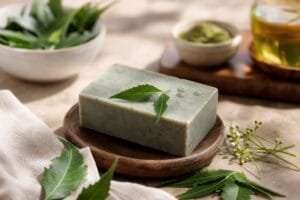
When you flip a soap box over, the ingredient list can look intimidating, but a few key indicators can tell you if it’s pore-friendly. The most important thing is to look for non-comedogenic oils and butters, which are less likely to clog pores. For example, neem oil is known for its antibacterial properties and is often used in acne-fighting soaps; it has a low comedogenic rating. Similarly, glycerin is a humectant that draws water into your skin, keeping it hydrated without leaving a greasy film. It’s a staple in many gentle cleansers because it supports the skin barrier without clogging pores.
Another beneficial ingredient is clay, such as bentonite or kaolin. Clay helps absorb excess oil and deep-cleanses pores without being stripping. It’s excellent for oily and combination skin types. Aloe vera is also a great addition—it soothes and calms the skin, reducing redness that often accompanies breakouts. Tea tree oil is another popular choice for its purifying properties, but it should be used in moderation as it can be drying for some.
On the flip side, there are ingredients you should steer clear of if you’re prone to clogged pores. Coconut oil is highly comedogenic and can be a nightmare for acne-prone skin, even though it’s natural. Cocoa butter and shea butter are also heavy and can block pores, especially if used in high concentrations. Silicones like dimethicone create a smooth, silky feel but can sit on the skin’s surface and trap debris, so they’re best avoided in a cleanser meant for the face. Mineral oil is another occlusive agent that can suffocate the skin.
It’s also wise to avoid sulfates like sodium lauryl sulfate (SLS), which are harsh detergents that can strip your skin’s natural oils and irritate it. While they don’t directly clog pores, they can disrupt your skin barrier, leading to increased oil production and eventual congestion. Instead, look for soaps that use gentler surfactants like sodium cocoate or those that are soap-free and use mild cleansers like cocamidopropyl betaine.
When in doubt, check the comedogenic rating of specific oils—a scale from 0 to 5, where 0 is unlikely to clog pores and 5 is very likely. Many skincare resources list these ratings, and you can quickly verify if a product’s ingredients are safe. For example, Moroccan Nila Soap contains natural ingredients like olive oil, which has a low comedogenic rating, making it a suitable choice for those looking to avoid pore congestion.

Step-by-Step Guide to Choosing Your Pore-Friendly Soap
Choosing the right soap doesn’t have to be overwhelming. Follow this straightforward process to find a cleanser that works for your skin without clogging your pores. First, identify your skin type—is it oily, dry, combination, or sensitive? This will guide your ingredient choices. Oily skin benefits from clarifying ingredients like clay or tea tree oil, while dry skin needs hydrating elements like glycerin or aloe. Combination skin might prefer a balanced formula that doesn’t over-strip or over-moisturize.
Second, read the ingredient list carefully. Look for the non-comedogenic label, but don’t stop there—check for the presence of any heavy oils or butters as mentioned earlier. If you see coconut oil, cocoa butter, or mineral oil listed in the first few ingredients, it’s best to set it aside. Also, be wary of “fragrance”—it can contain phthalates that irritate the skin. Opt for fragrance-free or naturally scented products with essential oils that are known to be gentle.
Third, consider the soap’s formulation. Bar soaps can be more alkaline, so look for ones that are labeled “pH balanced” or “gentle.” Alternatively, you might prefer a syndet bar (synthetic detergent bar) which is less alkaline and often contains milder cleansers. These are often better for the face because they mimic the skin’s natural pH more closely. Many dermatologists recommend syndet bars for facial cleansing, especially for those with sensitive or acne-prone skin.
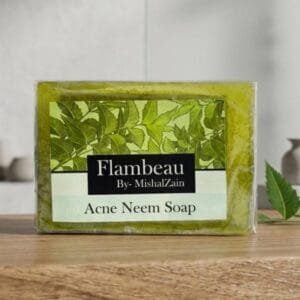
Fourth, think about your environment. In Pakistan’s hot and humid climate, you may sweat more, leading to increased oil production and a higher chance of clogged pores. A soap that deep-cleans without being too harsh is ideal. For example, the Acne Neem Soap for Pimples, Oil Control & Deep Skin Cleansing is specifically formulated to address these concerns, using neem’s antibacterial properties to help clear and prevent breakouts while keeping pores clean.
Fifth, always patch test first. This is a non-negotiable step, even if you’ve used the product before. Apply a small amount of the soap to a discreet area, like the inside of your wrist or behind your ear, and leave it for 24–48 hours. If you notice any redness, itching, or bumps, discontinue use. This helps you avoid a full-face reaction and ensures the soap is compatible with your skin.
Finally, give it time. Your skin needs about 4–6 weeks to adjust to a new product. Don’t expect overnight miracles. If a soap is truly non-comedogenic and suits your skin, you should see a gradual improvement in your skin’s clarity and a reduction in blackheads and breakouts. Consistency is key—use the soap regularly as part of your daily routine, and remember to follow up with a moisturizer that is also non-comedogenic to keep your skin hydrated.
Common Mistakes to Avoid When Cleansing Your Face
Even with the right soap, you can still end up with clogged pores if you’re making common mistakes in your cleansing routine. One of the biggest errors is over-washing your face. Washing more than twice a day strips your skin of its natural oils, triggering excess oil production and potentially making congestion worse. Stick to cleansing your face in the morning and at night—that’s enough to remove dirt, oil, and makeup without overdoing it.
Another mistake is using water that’s too hot. Hot water can strip the skin’s moisture barrier and cause irritation, which can lead to inflammation and pore blockage. Use lukewarm water to rinse your face, as it effectively removes cleanser without being harsh. Similarly, scrubbing too hard is a no-no. Vigorous scrubbing irritates the skin and can actually push debris deeper into pores. Instead, use gentle, circular motions with your fingertips or a soft washcloth.
Skipping moisturizer is another common error. Many people with oily skin think they don’t need a moisturizer, but this is a myth. When your skin is dehydrated, it produces more oil to compensate, which can clog pores. Choose a lightweight, oil-free, non-comedogenic moisturizer to keep your skin hydrated without adding extra oil. This is especially important in a climate like Pakistan’s, where the heat can lead to dehydration.
Also, not rinsing thoroughly can leave residue behind. Make sure you rinse your face completely after cleansing, paying attention to the jawline and hairline where soap can linger. Leftover soap can dry out your skin or cause irritation. Finally, avoid sharing towels or using dirty towels—bacteria can transfer to your face and contribute to breakouts. Use a clean towel every time and pat your face dry instead of rubbing.
For those who wear makeup, sleeping in makeup is a cardinal sin. It traps oil and dirt in your pores overnight, leading to blackheads and acne. Always cleanse your face before bed, even if you’re tired. If you use makeup remover, ensure it’s also non-comedogenic and gentle. By avoiding these mistakes, you’ll maximize the benefits of your pore-friendly soap and keep your skin clear and healthy.
How to Choose a Soap for Different Skin Types
Your skin type plays a major role in determining which soap is right for you. For oily and acne-prone skin, look for soaps that contain neem, tea tree oil, or salicylic acid. These ingredients help control excess oil and fight bacteria. The Acne Neem Soap is an excellent example, as it targets pimples and oil control while providing a deep cleanse. It’s gentle enough for daily use and can help reduce breakouts over time.
For dry or sensitive skin, avoid anything with alcohol, strong fragrances, or aggressive exfoliants. Instead, choose a soap with glycerin, aloe vera, or oatmeal, which are soothing and hydrating. Glycerin attracts moisture to the skin, while aloe calms irritation. A soap with a high fat content might seem moisturizing, but it can be comedogenic, so stick to lightweight hydrators. The Moroccan Nila Soap, with its natural olive oil base, is a good option for dry skin as it cleanses without over-stripping.
If you have combination skin, you need a balanced approach. You might want a soap that’s not too rich nor too stripping. Ingredients like clay and honey can be beneficial—clay absorbs excess oil in the T-zone, while honey provides gentle hydration. You could also use a different cleanser for different areas, but that’s often impractical. A single soap that’s pH-balanced and contains mild ingredients works well.
For mature skin, you may want a soap that also offers antioxidant benefits. Ingredients like vitamin E, green tea, or rosehip oil can help protect the skin from environmental damage. However, be cautious with oils—rosehip oil is non-comedogenic, but others might not be. Always check the label. Mature skin also tends to be drier, so a soap with glycerin is a wise choice.
In Pakistan’s climate, where temperatures can soar, sweating and humidity can exacerbate oiliness and clogged pores. A soap that contains a mild antibacterial agent, like neem, can be beneficial year-round. Also, consider your lifestyle—if you exercise frequently, you might need to wash your face more often, but still limit it to a gentle soap. Always follow up with a moisturizer suitable for your skin type.
Conclusion: Your Path to Clearer Pores
Choosing a soap that won’t clog your facial pores is a crucial step in maintaining clear, healthy skin. By understanding what causes clogged pores, knowing which ingredients to avoid, and following a simple selection process, you can find a cleanser that works for you. Remember, the goal is not to strip your skin, but to gently cleanse while preserving your skin’s natural barrier. Always patch test first and give your product time to show results.
Incorporate a non-comedogenic moisturizer and sunscreen into your routine to keep your skin balanced and protected. If you’re looking for a reliable, pore-friendly soap, consider the options from Flambeauty’s soap collection, which are crafted with skin-friendly ingredients. For more tips, explore our blog or read about layering skincare before makeup to enhance your routine. Clear, unclogged pores are within reach—choose wisely and be consistent.
Frequently Asked Questions
How can I tell if a soap will clog my pores?
Check the ingredient list for comedogenic substances like coconut oil, cocoa butter, or mineral oil. Look for non-comedogenic labels and opt for soaps with glycerin, clay, or neem. Also, consider the soap's pH—a pH-balanced soap is less likely to disrupt your skin and cause congestion.
Is it okay to use a bar soap on my face?
Yes, if it's a gentle, pH-balanced bar soap specifically formulated for the face. Avoid traditional deodorant bars or heavily fragranced soaps, as they can be too harsh and clog pores. Look for syndet bars or those labeled 'facial cleanser'.
Can a soap really prevent pimples?
A soap with ingredients like neem or tea tree oil can help reduce acne-causing bacteria and control oil, which may prevent breakouts. However, it's not a cure-all. Consistency and a good overall skincare routine are key.
How often should I wash my face to avoid clogged pores?
Twice a day is generally sufficient—once in the morning and once at night. Over-washing can strip your skin's oils and lead to increased oil production, which can actually worsen clogged pores.
Written by Mishal Rehman, owner of Flambeauty — sharing practical, professional beauty and skincare guidance.
Updated: August 2026