Discover the best serums for pollution-induced dullness, from antioxidants to hydrating formulas. Learn how to choose and use them for glowing skin in Pakistan.
To fight skin dullness caused by pollution, the best serums are those loaded with antioxidants like vitamin C, niacinamide, and ferulic acid, which neutralize free radicals and brighten the skin. A daily antioxidant serum, applied in the morning under sunscreen, is your most effective tool for preventing and reversing the tired, uneven look that city living brings. Look for a formula with a stable vitamin C concentration (around 10-20%) and hydrating ingredients like hyaluronic acid for a dual-action boost.
Understanding Pollution’s Toll on Your Skin
Pollution isn’t just a nuisance for your lungs—it’s a constant assault on your skin’s surface. Microscopic particles like PM2.5, along with heavy metals and polycyclic aromatic hydrocarbons, settle on your skin throughout the day. These particles are small enough to penetrate your pores and disrupt your skin’s natural barrier. Once inside, they trigger a cascade of oxidative stress, generating free radicals that damage collagen and elastin fibers. The result? A dull, sallow complexion, uneven texture, and the premature appearance of fine lines. Research from the American Academy of Dermatology highlights that pollution can accelerate visible skin aging, making a dedicated anti-pollution skincare step non-negotiable.
Your skin’s barrier is its first line of defense. Think of it as a brick-and-mortar wall: skin cells are the bricks, and lipids (ceramides, cholesterol, fatty acids) are the mortar. Pollution particles act like tiny hammers, chipping away at this mortar over time. When the barrier weakens, moisture escapes, irritants get in, and your skin looks tired and lackluster. This is why you might notice your face looking more grey or uneven after a day in heavy traffic, even if you’ve had enough sleep. The good news is that consistent use of the right serum can help repair this barrier and restore a healthy glow.
Beyond visible dullness, pollution can trigger a chain reaction of skin issues. It can increase inflammation, leading to redness and sensitivity, and it can disrupt sebum production, causing breakouts or making dry skin flakier. You might find that your usual moisturizer suddenly feels less effective, or that your skin tone looks blotchy. This is because pollution-induced oxidative stress depletes your skin’s natural antioxidants, like vitamins C and E, faster than they can be replenished. That’s why using a topical antioxidant serum is like giving your skin a daily serving of armor-piercing nutrients to fight back.
It’s not just about what’s in the air—your skin’s own oil and sweat mix with pollution particles to form a sticky film that traps grime. This film can clog pores and make your skin look dull and congested, even if you wash regularly. A serum with exfoliating properties, like a low-strength salicylic acid or a gentle enzyme blend, can help dissolve this film, but it should be used carefully to avoid stripping your skin. Most experts agree that a combination of cleansing, antioxidant protection, and barrier repair is the most effective strategy against pollution-induced dullness.
In Pakistan’s urban centers like Lahore and Karachi, air quality often hits hazardous levels, meaning your skin faces a higher-than-average assault. Your anti-pollution routine doesn’t need to be complicated, but it does need to be consistent. A serum that targets oxidative stress and supports your skin’s natural repair processes is your best ally, and it should be a staple in both your morning and evening routines for optimal results.
Key Ingredients That Reverse Dullness
When it comes to fighting pollution-induced dullness, not all serums are created equal. The most effective formulas contain a blend of antioxidants, brightening agents, and hydrating molecules. Here are the powerhouse ingredients to look for:
Vitamin C (Ascorbic Acid or its stable derivatives) is the gold standard for brightening and antioxidant protection. It neutralizes free radicals, inhibits melanin production to fade dark spots, and boosts collagen synthesis for firmer, more radiant skin. Look for serums with 10-20% concentration for visible results without irritation. Pair it with ferulic acid and vitamin E to enhance its stability and efficacy.
Niacinamide (Vitamin B3) is a multitasker that strengthens the skin barrier, reduces inflammation, and regulates oil production. It also helps fade post-acne marks and evens out skin tone. Typically used at 2-5% in serums, niacinamide works well for all skin types, including sensitive skin. It’s particularly effective when combined with vitamin C, as they complement each other without canceling out benefits.
Hyaluronic Acid is a hydrating hero that holds up to 1000 times its weight in water. Pollution can dehydrate your skin, making it look plump and dull. A serum with hyaluronic acid (in varying molecular weights) attracts moisture to the skin’s upper layers, instantly improving suppleness and enhancing the appearance of fine lines. This is especially important in dry climates or when you spend long hours in air-conditioned spaces.
Centella Asiatica (Cica) is a soothing botanical that calms inflammation and supports skin repair. It’s rich in madecassoside and asiaticoside, which help strengthen the skin barrier and reduce redness. For those with sensitive or reactive skin, a serum containing centella can provide both antioxidant and anti-inflammatory benefits without causing irritation.
Alpha-Hydroxy Acids (AHAs) like glycolic acid and lactic acid gently exfoliate the skin’s surface, removing the layer of dead cells that can accumulate due to pollution. At low concentrations (5-10%), they brighten dullness, improve texture, and enhance the absorption of other skincare products. However, they should be used sparingly—a few times a week—to avoid over-exfoliation, especially if you’re also using strong actives.
Choosing the Right Serum for Your Skin Type
Your skin type plays a crucial role in determining which serum formula will work best for you. Here’s a breakdown to help you make the right choice:
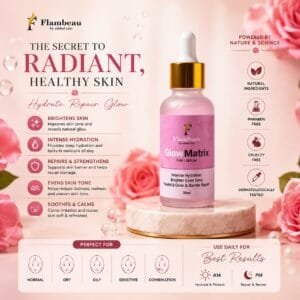
For dry skin: Prioritize serums with a high concentration of hyaluronic acid, glycerin, and ceramides. These ingredients replenish hydration and repair the lipid barrier, which pollution may have damaged. Avoid serums with high alcohol content or strong exfoliating acids, as they can further dry out your skin. Look for a creamy or gel-based texture that feels nourishing without being heavy. The Glow Matrix 5-in-1 Serum 30ml is a versatile option that includes hyaluronic acid and antioxidants, making it suitable for dry skin.
For oily or combination skin: Opt for lightweight, water-based serums that contain niacinamide and hyaluronic acid. These ingredients regulate oil production while providing hydration, preventing the greasy feeling. Avoid heavy oils or butters that can clog pores. A gel serum with salicylic acid (at 0.5-2%) can also help keep pores clear and reduce pollution-induced congestion.
For sensitive skin: Choose serums with soothing ingredients like centella asiatica, aloe vera, and allantoin. Avoid fragrances, essential oils, and high concentrations of active ingredients that can cause redness or stinging. Patch test any new serum on a small area of your arm or behind your ear for 24 hours before applying it to your face. A minimal formula with just a few ingredients is often better tolerated.
For acne-prone skin: Look for serums that include niacinamide (to reduce inflammation and oil), and perhaps a BHA like salicylic acid to unclog pores. Avoid heavy, comedogenic ingredients like coconut oil or cocoa butter. A lightweight, non-comedogenic serum that hydrates without clogging pores is ideal. You can also incorporate a separate treatment serum for acne, but keep it gentle to avoid over-drying.
How to Build Your Anti-Pollution Serum Routine
Integrating a serum into your daily routine is straightforward, but consistency is key. Here’s a step-by-step guide to get the most out of your anti-pollution serum:
1. Cleanse gently: Start with a gentle, pH-balanced cleanser to remove dirt, oil, and pollution particles. Avoid harsh soaps that strip your skin’s natural oils, as this can weaken your barrier. In the evening, consider a double cleanse—first with an oil-based cleanser to dissolve makeup and pollution, then a water-based cleanser to clean the skin.
2. Tone (optional): If you use a toner, apply it after cleansing to balance your skin’s pH and prep it for better serum absorption. Choose an alcohol-free toner with hydrating or soothing ingredients like rose water or hyaluronic acid.
3. Apply your serum: While your skin is still slightly damp (to lock in moisture), apply 2-3 drops of your serum to your face and neck. Gently press it into your skin rather than rubbing, to avoid tugging. Wait a minute for it to absorb before moving on to the next step.
4. Follow with moisturizer: Seal in the serum with a moisturizer suited to your skin type. This helps create an occlusive layer that prevents water loss and enhances the serum’s effectiveness. In humid weather, you might opt for a gel moisturizer, while in dry or cold conditions, a richer cream is better.
5. Don’t forget sunscreen: In the morning, always apply a broad-spectrum sunscreen with SPF 30 or higher as the final step of your routine. Pollution and UV rays often go hand-in-hand, and sunscreen protects your skin from both. The antioxidant serum works synergistically with sunscreen to neutralize free radicals generated by UV exposure.
In the evening, you can add an exfoliating serum (with AHAs or BHAs) 2-3 times a week to enhance cell turnover and remove dulling dead skin. However, never layer exfoliating acids with strong antioxidants like vitamin C at the same time, as they can irritate your skin. Instead, use them at different times of the day or on alternate days.
Common Mistakes to Avoid
Even with the best serum, you can sabotage your results with these common pitfalls. Avoid them to ensure your skin gets the full benefit:
Using the wrong concentration: Higher isn’t always better. Vitamin C at 20% may be too irritating for some, while 10% is highly effective and gentler. Similarly, niacinamide above 5% can cause redness for sensitive skin. Start with the lower end of the recommended percentages and gradually increase as your skin builds tolerance.
Skipping sunscreen: Using an antioxidant serum in the morning without sunscreen is a waste—and potentially harmful. Sun exposure generates more free radicals that undo the work of your serum. Always apply sunscreen as the last step of your morning routine, regardless of the weather.
Layering too many actives: It’s tempting to pile on multiple serums with different actives, but this can overload your skin and cause irritation or breakouts. Stick to one or two targeted serums and introduce new ones slowly, patch testing each. For instance, don’t combine a strong AHA serum with a high-strength vitamin C serum in the same routine unless your skin is very tolerant.
Ignoring your skin barrier: If your skin feels tight, itchy, or shows increased redness, you may have damaged your moisture barrier. Take a break from strong actives and focus on hydrating and soothing products for a week or two. Your barrier must be healthy for any serum to work effectively.
Not patching testing: Always patch test a new serum, especially if you have sensitive or allergy-prone skin. Apply a small amount to your inner arm and wait 24 hours to check for any adverse reaction. This is a simple step that can save you from a full-face breakout or irritation.
Budget-Friendly Serums That Work
You don’t need to spend a fortune to get effective anti-pollution protection. Many affordable serums contain high-quality ingredients that deliver real results. Here are some tips for finding budget-friendly options:
Look for serums that focus on key antioxidants like vitamin C or niacinamide, as these are often more affordable than complex blends. Check the ingredient list to ensure the active ingredient is listed in the top half of the list, indicating a meaningful concentration. Also, consider buying from brands that offer transparent formulations and avoid overpriced marketing gimmicks.
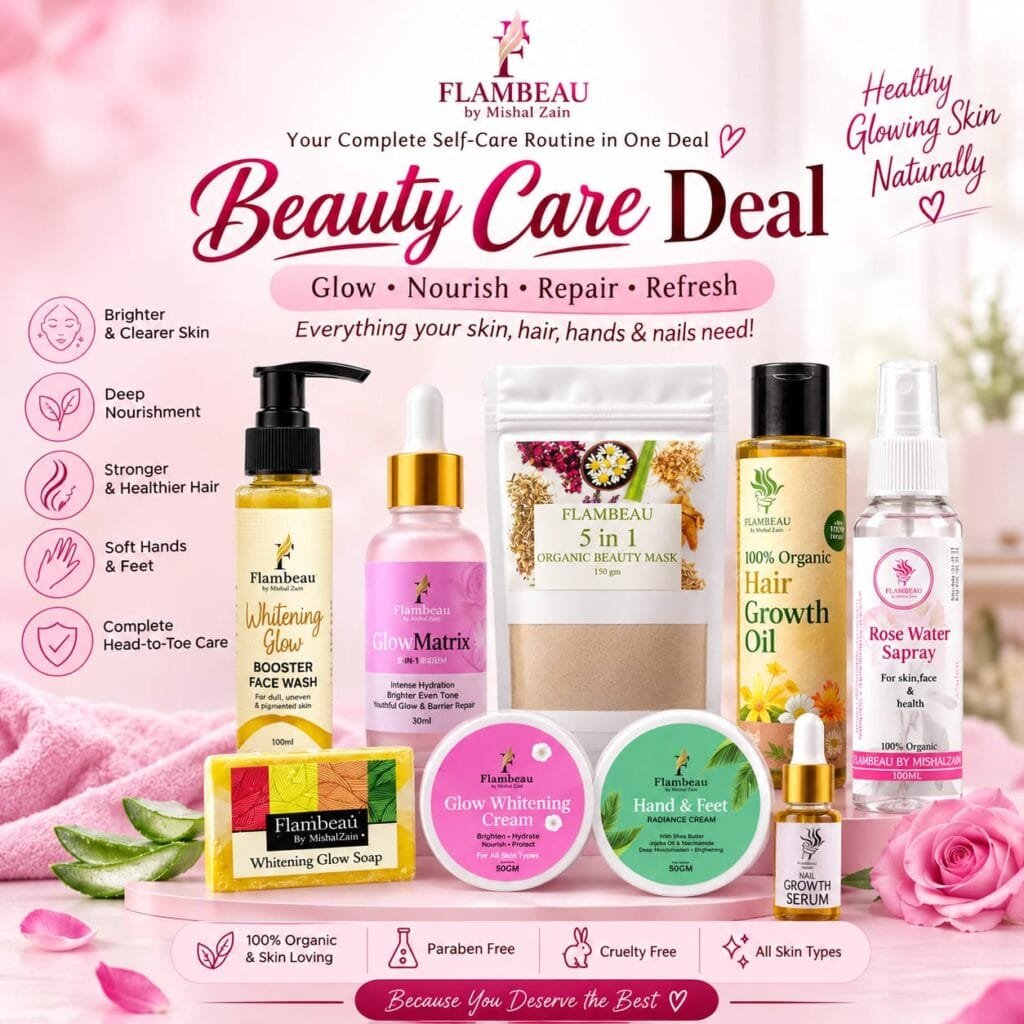
In Pakistan, you can find value-packed serums from local brands that use globally recognized ingredients. The Beauty Care Deal offers a combination of products at a bundled price, which can be a cost-effective way to build your routine. Additionally, the Glow Matrix 5-in-1 Serum 30ml is an affordable option that combines several beneficial ingredients, making it a budget-friendly choice for dullness.

When shopping, compare prices per milliliter to get the best value. A 30ml serum that lasts 2-3 months is often more economical than a 15ml luxury version. Also, watch for sales or bundle offers from your favorite brands. Remember, consistency matters more than price—a moderately priced serum you use daily will outperform an expensive one you forget to apply.
Lifestyle Habits That Amplify Your Serum
Your serum works best when paired with lifestyle habits that reduce pollution’s impact. Here are some additional tips to boost your glow:
Cleanse your skin thoroughly: Make sure to remove all traces of pollution at the end of the day. A gentle double cleanse can make a big difference in preventing buildup that leads to dullness. Use a soft microfiber cloth or a silicone cleanser to avoid irritation.
Eat antioxidant-rich foods: A diet high in fruits and vegetables (like berries, citrus, leafy greens) provides your body with antioxidants that complement your topical serum. Consider adding a vitamin C-rich food like amla or oranges to your daily meals.
Stay hydrated: Drink plenty of water throughout the day to keep your skin plump and help flush out toxins. Dehydration makes your skin look dull, so aim for at least 8 glasses a day.
Get enough sleep: Your skin repairs itself while you sleep, so a consistent 7-9 hours of rest is essential. During sleep, your body produces collagen and reduces oxidative stress, amplifying your serum’s effects.
Protect your skin physically: On high-pollution days, consider wearing a mask (which also protects against pollution), sunglasses, and a wide-brimmed hat to shield your face from direct contact with pollutants.
Frequently Asked Questions
Can I use two serums at once? Yes, but it’s best to apply them in order of thickness—thinnest first—and wait a minute between layers. However, avoid mixing strong actives like retinol and vitamin C in the same routine unless you’re experienced.
How long until I see results? Most serums need at least 4 weeks of consistent use to show visible improvements in dullness and texture. Some brightening effects may appear sooner, but be patient.
Are natural serums effective? Some natural ingredients like vitamin C from citrus and green tea extract are effective, but they may be less stable or concentrated than lab-made forms. Look for serums that combine natural extracts with proven actives.
Written by Mishal Rehman, owner of Flambeauty — sharing practical, professional beauty and skincare guidance.
Updated: August 2026