Discover the best brightening serums for dull, uneven skin tone. Learn key ingredients, routines for your skin type, mistakes to avoid, and top picks like...
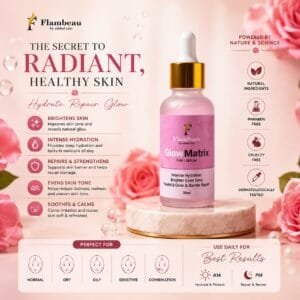
The best serum for brightening dull, uneven skin tone is one that combines proven brightening ingredients like vitamin C, niacinamide, and kojic acid with hydrating and soothing agents. For Pakistani skin, especially in our humid summers and dry winters, a lightweight yet deeply nourishing formula like the Glow Matrix 5-in-1 Serum works well because it targets multiple causes of dullness—dehydration, sun damage, and post-acne marks—without clogging pores. Consistency is key: apply it daily, always pair with sunscreen, and allow 4–6 weeks to see visible improvement in evenness and radiance.
Understanding Dull and Uneven Skin Tone
Dull skin often looks tired, lacks the natural glow you see after a good night’s sleep, and feels rough or dry to the touch. Uneven tone, on the other hand, shows up as patches of darker pigmentation, redness, or blotchiness that disrupt the uniform color of your face. Both issues share common roots: sun exposure, which triggers excess melanin production; dehydration, which makes the top layer of skin less reflective; and slow cell turnover, where dead skin cells accumulate on the surface instead of shedding naturally.
In Pakistan, the intense sun—even in winter—accelerates pigmentation and dark spots, especially on the cheeks and forehead where the sun hits directly. Add to that the humidity in cities like Karachi and the dry, dusty air in Lahore or Islamabad, and your skin faces daily stress that leaves it looking tired. Many women also deal with post-acne marks, which add to the unevenness, making the search for an effective brightening serum even more personal.
When you understand that dullness and uneven tone are often a combination of these factors, you realize that a single ingredient isn’t a magic fix. You need a serum that works on multiple fronts: it exfoliates gently to remove dead cells, inhibits melanin production to fade dark spots, hydrates to plump the skin, and possibly soothes inflammation to reduce redness. That’s why the best brightening serums are usually more than just vitamin C—they’re a blend of complementary actives that address the root causes.
For example, a serum with niacinamide (vitamin B3) helps build keratin and reduce inflammation, which calms redness and redness-based unevenness. Kojic acid is a natural brightener derived from fungi that blocks tyrosinase, an enzyme involved in melanin production. Licorice extract is another gentle brightener that also soothes. When combined, these ingredients target different points in the pigment pathway, offering more comprehensive results than a single-ingredient formula.
It’s also important to note that uneven tone isn’t just about pigment—it’s about texture. If your skin feels rough or bumpy, light reflects unevenly, making your complexion look dull even if your melanin distribution is fine. Therefore, a true brightening serum might also include mild exfoliants like lactic acid or mandelic acid to smooth the surface and enhance glow.
Finally, remember that your skin’s ability to renew itself slows down with age and environmental stress. So even if you’re in your twenties, a dedicated brightening serum helps keep your glow. The key is to choose one that matches your skin’s tolerance—some ingredients can irritate sensitive skin, so always patch test and introduce slowly.
Key Ingredients to Look For in a Brightening Serum
When scanning product labels, look for a few powerhouse ingredients that have strong evidence behind them. Vitamin C (ascorbic acid or its derivatives like magnesium ascorbyl phosphate) is a classic antioxidant that neutralizes free radicals and inhibits melanin production. It’s most effective at concentrations between 10% and 20% for ascorbic acid, but if your skin is sensitive, look for lower percentages or a derivative that’s gentler.
Niacinamide is another star, typically at 2–5%, because it reduces excess pigment, improves skin elasticity, and strengthens the skin barrier. It’s well-tolerated by most skin types and pairs beautifully with vitamin C—contrary to old myths, they don’t cancel each other out if used correctly. Alpha arbutin is a gentler alternative to hydroquinone that slowly fades dark spots, making it ideal for long-term use.
For exfoliation, look for lactic acid or mandelic acid—both are alpha hydroxy acids (AHAs) that dissolve the “glue” holding dead skin cells together, revealing fresher skin underneath. Mandelic acid is larger in molecular size, so it penetrates more slowly and is less irritating—great for sensitive or darker skin types that are prone to hyperpigmentation from irritation.
Don’t overlook licorice root extract, a natural ingredient that contains glabridin, which soothes inflammation and inhibits tyrosinase. It’s particularly useful for redness and post-acne marks. Similarly, green tea extract provides antioxidant protection and calms the skin, reducing the oxidative stress that contributes to dullness.
Hydration is also a brightening booster. Ingredients like hyaluronic acid and glycerin pull water into the skin, plumping it so that light reflects evenly. A serum that combines actives with hydrating agents will give you a dewy, lit-from-within glow rather than just fading spots.
One ingredient to approach with caution is hydroquinone, which is banned in many countries but still available in some local products. It can cause ochronosis (blue-black discoloration) with prolonged use, so it’s best to avoid it and choose safer alternatives like arbutin or kojic acid. Also, be wary of “instant whitening” claims—real brightening takes weeks, and any product promising overnight results is likely not safe.
A product like Glow Matrix 5-in-1 Serum combines several of these actives in one bottle, which can simplify your routine. But even if you choose a different formula, make sure it has at least two or three of these key ingredients to be effective.
How to Incorporate a Brightening Serum into Your Routine
Start by cleansing your face with a gentle, non-stripping cleanser—if your current one leaves your skin feeling tight, it’s too harsh. Pat your skin dry with a soft towel and apply your serum to slightly damp skin; this helps with absorption, especially if the serum contains hyaluronic acid. Use 2–3 drops and press it gently into your face and neck, avoiding the eye area unless the product is specifically formulated for it.
Follow the serum with a moisturizer to lock in hydration and seal the actives. Many brightening serums can be drying, especially if they contain exfoliating acids, so a moisturizer is non-negotiable. In Pakistan’s climate, even oily skin can benefit from a lightweight gel moisturizer; dry skin may need a creamier formula.
During the day, always finish with a broad-spectrum sunscreen of SPF 30 or higher. This is not optional—brightening ingredients make your skin more sensitive to the sun, and without protection, you’ll undo all your efforts and risk further darkening. Reapply every two hours if you’re outdoors, and remember that even cloudy days have UV rays.
At night, you can use the same serum, or if you’re using a separate exfoliating product like a retinol or AHA, alternate nights to avoid irritation. For example, use your brightening serum every morning and a retinol at night on alternate days, but if you’re new to actives, start with once a day and gradually increase.
Consistency is key—don’t expect miracles in a week. Most dermatologists recommend using a brightening serum for at least 4 to 6 weeks before you see noticeable changes in evenness and glow. Take a photo in natural light every week to track progress, as it’s easy to miss subtle improvements.
If you’re using a formula with multiple actives like Glow Matrix, you can simplify your routine—but always patch test on your inner arm first for 24 hours to ensure no allergic reaction. If you experience stinging, redness, or breakouts, reduce frequency (e.g., every other day) and ensure your skin barrier is healthy by using a barrier-repair moisturizer.
Best Brightening Serums for Different Skin Types
Not all brightening serums work equally for every skin type, so it’s wise to match the formula to your needs.
For Oily or Combination Skin
If your T-zone gets shiny by midday, choose a serum that is oil-free and non-comedogenic. Look for water-based gels or serums that absorb quickly. Niacinamide is excellent here because it regulates sebum production. Avoid heavy oils like coconut or mineral oil that might clog pores. A product like Glow Matrix is lightweight enough for oily skin, as it doesn’t leave a greasy film.
For Dry or Dehydrated Skin
Dry skin needs extra hydration, so pick a serum that includes hyaluronic acid or glycerin in addition to brightening actives. Apply it immediately after cleansing while skin is still damp to lock in moisture. You might also layer a facial oil (like jojoba or rosehip) over your moisturizer on very dry days. Avoid high concentrations of vitamin C (above 15%) if it stings; choose a derivative or a lower percentage.
For Sensitive or Reactive Skin
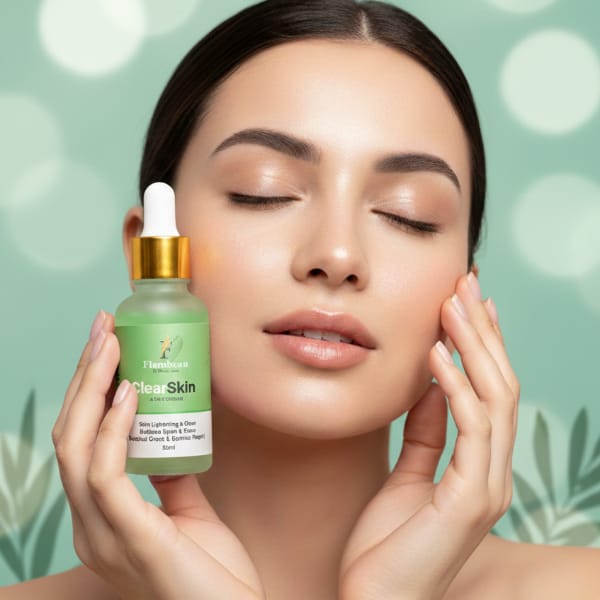
Sensitive skin is prone to redness and irritation from strong actives. Opt for serums with alpha arbutin, licorice extract, or mandelic acid instead of high-strength vitamin C or glycolic acid. Start with a low concentration and apply every other day. Always patch test and avoid products with fragrance or essential oils. A product like Clear Skin Acne Control Serum might be better if you also have active breakouts, but for pure brightening, choose a gentler formula.
For Acne-Prone Skin
If you have breakouts along with dark spots, you need a serum that brightens without clogging pores. Salicylic acid can help exfoliate inside pores, but if you already use a BHA wash, you might not need another. Niacinamide is anti-inflammatory and helps fade post-acne marks. The Clear Skin Acne Control Serum – Reduce Spots & Scars is designed for this dual purpose—it controls breakouts while tackling marks, making it a good choice for acne-prone skin that also wants evenness.
For combination skin, you can use a lighter serum in the morning and a slightly richer one at night, or just choose a balanced formula that works year-round. In Pakistan’s humid summers, you might prefer a serum with a gel texture; in dry winters, a slightly creamier serum can be more comfortable.
Common Mistakes to Avoid When Using Brightening Serums
One of the biggest mistakes is skipping sunscreen. Without daily SPF, any brightening ingredient will be counterproductive—sun exposure triggers melanin production, undoing your serum’s work and often making pigmentation worse. Even if you’re indoors, UV rays through windows can affect you. Make sunscreen a non-negotiable part of your morning routine.
Another error is using too many active ingredients at once. Layering multiple strong serums (like vitamin C, retinol, and AHA) on the same night can overwhelm your skin, causing irritation, redness, and even more pigmentation. Instead, introduce one new product at a time, and if you want to use multiple actives, alternate them on different nights or days.
Expecting instant results is also common. Brightening is a gradual process—most serums need at least 4–6 weeks of consistent use to show visible improvement. If you switch products every two weeks, you never give any formula a fair chance. Stick with one serum for at least two months before evaluating.
Applying on dirty skin is another mistake. Serums penetrate better on a clean face, so always cleanse before application. Also, don’t skip moisturizer—brightening actives can be drying, and a compromised moisture barrier makes your skin look duller and more sensitive. A simple moisturizer seals in the serum and keeps your barrier healthy.
Finally, be cautious about using products with hydroquinone or steroids, which are sometimes found in unregulated local creams. These can cause long-term damage like thinning skin and rebound pigmentation. Stick to reputable brands and check ingredient lists. If you’re unsure, consult a dermatologist—they can guide you on what’s safe for your skin type.
Choosing the Right Serum for Your Budget and Lifestyle
Brightening serums come in a wide price range, from budget-friendly local options to high-end international brands. You don’t need to spend a fortune to see results; what matters most is the formulation and your consistency. In Pakistan, you can find effective serums between Rs. 1,500 and Rs. 6,000 from local brands like Flambeauty, which offer good quality without the import markup.
A simple cost comparison: drugstore serums with niacinamide may cost around Rs. 2,000, while a multi-active serum like Glow Matrix might be priced at Rs. 3,500–4,500. The latter could be more cost-effective because it combines several ingredients you might otherwise buy separately. Always check the concentration of key actives—a cheap serum with 1% vitamin C won’t do much, but a mid-priced one with 10% can be effective.
Your lifestyle also matters. If you’re always on the go, a serum with a pump bottle is more hygienic and easy to use. If you travel often, choose a serum under 100ml to fit in carry-on, and store it away from direct sunlight to preserve ingredient stability. For those with busy mornings, a 5-in-1 serum saves time by replacing multiple steps—just cleanse, apply serum, moisturize, and sunscreen.
Remember that price doesn’t guarantee suitability. A high-end serum might contain fragrance that irritates your skin, while a budget one might be perfectly gentle. Read reviews from people with similar skin types, and always patch test before full application. If a product causes breakouts or stinging, stop using it—your skin’s health is more important than any bottle’s promise.
For more guidance on building a skincare routine, you can explore the Flambeauty blog for tips on face washes and other products. And if you’re looking specifically for serums, check out the serums category to see what’s available. Remember, glowing skin is a journey, not a race—choose a serum you can stick with, and give it time to work.
One more tip: pair your brightening serum with a healthy lifestyle—drink enough water, get at least 7 hours of sleep, and eat antioxidant-rich foods like citrus fruits and leafy greens. These habits amplify your skincare efforts and help your skin maintain its natural radiance.
Frequently Asked Questions
How long does it take to see results from a brightening serum?
Most brightening serums need 4 to 6 weeks of consistent daily use to show noticeable improvement in skin tone and glow. Some may see earlier changes, but for significant fading of dark spots, patience is key.
Can I use a brightening serum if I have sensitive skin?
Yes, but choose a formula with gentle ingredients like alpha arbutin, niacinamide, or licorice extract, and avoid high concentrations of vitamin C or strong acids. Always patch test first and introduce the serum slowly, using it every other day initially.
Should I use a brightening serum in the morning or at night?
You can use it either time, but if your serum contains vitamin C, morning use is beneficial for antioxidant protection. Always follow with sunscreen during the day. At night, you can use it after cleansing, before moisturizer, but avoid combining with strong exfoliants unless advised.
Is sunscreen really necessary with a brightening serum?
Absolutely. Brightening ingredients can make your skin more sensitive to UV rays, and sun exposure will darken spots and undo your progress. Use a broad-spectrum SPF 30 or higher every morning, even on cloudy days.
Written by Mishal Rehman, owner of Flambeauty — sharing practical, professional beauty and skincare guidance.
Updated: August 2026