
Micellar water vs face wash: which cleans better? Learn the science, benefits, and best use for your skin type, plus expert tips for a balanced routine.
Micellar water and face wash serve different purposes: micellar water is a gentle, no-rinse makeup remover and light cleanser, while face wash provides a deeper, water-based cleanse. Neither is universally “better”; the most effective approach often combines both, using micellar water to dissolve makeup and sunscreen, then following with a face wash suited to your skin type for a thorough clean. Your choice should depend on your skin’s needs, your routine, and the level of cleansing required.
Understanding Micellar Water: How It Works and When to Use It
Micellar water is a clever skincare innovation that uses tiny oil molecules—called micelles—suspended in soft water. When you apply it to a cotton pad and sweep it across your skin, these micelles act like magnets, attracting and lifting away dirt, oil, and makeup without the need for vigorous rubbing or rinsing. This makes it an excellent first step in a double-cleansing routine or a lifesaver on days when you’re too tired for a full wash. The formula is typically gentle enough for sensitive skin, especially because it doesn’t strip the skin’s natural moisture barrier.
However, micellar water is not a replacement for a true face wash. While it effectively removes surface impurities and most makeup, it doesn’t deep-clean pores or remove water-based residue like sweat and environmental pollutants that can cling to skin. Think of it as a great makeup remover and pre-cleanser, but not the be-all and end-all of your cleansing routine. Many dermatologists suggest using micellar water in the morning for a quick refresh, or as the first step in your evening routine to break down makeup before you use a water-based cleanser.
For those with very dry or sensitive skin, micellar water can be a gentle alternative to washing your face with tap water and cleanser, especially in the morning. It can also be used on the go—at the gym, while traveling, or after a long day—when you don’t have access to a sink. But relying solely on micellar water day after day may leave behind residue from heavy sunscreens or waterproof makeup, which can lead to clogged pores and dull-looking skin over time.
It’s also worth noting that not all micellar waters are created equal. Some contain alcohol or artificial fragrances that can be drying or irritating. Look for formulas that are alcohol-free and fragrance-free, especially if you have reactive skin. A good micellar water should leave your skin feeling refreshed, not tight or sticky. If you notice a filmy sensation after using it, that’s a sign you may need to rinse or follow with a cleanser.
In humid climates like Pakistan’s, where sweat and pollution can accumulate quickly, micellar water alone might not provide the deep clean your skin craves. It’s a fantastic tool, but it’s best used as a part of a more thorough cleansing routine.
Face Wash: The Deep-Cleaning Powerhouse
A face wash is designed to cleanse the skin with the help of water and surfactants—ingredients that bind to oil and dirt so they can be rinsed away. This type of cleanser can target specific skin concerns, such as acne, oiliness, dryness, or dullness, through active ingredients like salicylic acid, glycolic acid, or hydrating agents like glycerin. Unlike micellar water, a face wash provides a deeper cleanse, removing sweat, excess sebum, and impurities that can clog pores if left behind.
When you use a face wash properly—by massaging it into damp skin for about 60 seconds and then rinsing with lukewarm water—you’re not just cleaning the surface; you’re helping to unclog pores and prepare your skin to absorb subsequent skincare products. This is why most dermatologists recommend using a face wash at least once a day, especially in the evening, to remove the day’s buildup of makeup, sunscreen, pollution, and sweat.
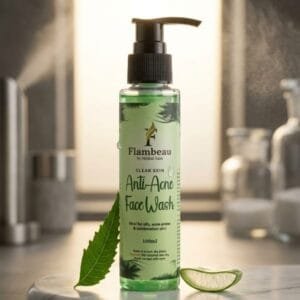
There are many types of face washes available, each with a specific purpose. For example, a Whitening Face Wash – Brightening & Deep Cleansing can help improve the appearance of dark spots and uneven tone over time, thanks to brightening ingredients like vitamin C or licorice extract. On the other hand, an Anti Acne Facewash for Pimples & Oil Control – Deep Cleansing Formula typically contains salicylic acid or tea tree oil to help manage breakouts and control excess oil. Choosing a face wash that addresses your skin’s specific needs is key to an effective routine.

However, a face wash can be overused. Washing your face too frequently or using a harsh, stripping cleanser can damage your skin barrier, leading to dryness, irritation, and even increased oil production as your skin tries to compensate. The goal is to find a balanced formula that cleanses without leaving your skin feeling tight or squeaky-clean—that squeaky feeling is actually a sign that you’ve stripped away essential oils.
In a hot, humid climate like Lahore or Karachi, a good face wash is essential to cut through the grime that accumulates on your skin throughout the day. If you wear makeup or sunscreen, you’ll definitely need a face wash in your evening routine to ensure you’re removing every trace. In the morning, you might opt for a gentler cleanse or just a splash of water if your skin isn’t oily.
Micellar Water vs Face Wash: The Head-to-Head Comparison
To truly understand which cleanses more effectively, we need to compare them on key factors like makeup removal, pore cleansing, gentleness, and convenience. Let’s break it down.
Makeup Removal: Micellar water is the undisputed champion when it comes to removing makeup, especially eye makeup and lipstick. Its micelles dissolve makeup quickly and gently, often without the need for rubbing. Face washes, on the other hand, are not designed to remove heavy makeup—they can smear it around and leave residue. That’s why the double-cleansing method—starting with an oil-based or micellar cleanser, then following with a water-based face wash—is so effective.
Pore Cleansing: Face washes have the upper hand here because they can contain exfoliating or deep-cleaning ingredients that help unclog pores. While micellar water can remove surface dirt, it doesn’t penetrate deeply into pores. A face wash with salicylic acid, for example, can help dissolve the oil and dead skin cells that lead to blackheads and breakouts. If you’re prone to acne or congestion, a face wash is essential.
Gentleness: Micellar water is generally gentler than most face washes because it doesn’t require water or friction. It’s perfect for sensitive skin that reacts to tap water or for days when your skin feels fragile. However, some face washes are formulated to be very mild, especially cream or gel cleansers with hydrating ingredients. The key is to choose a face wash that matches your skin’s tolerance level.
Convenience: Micellar water wins on convenience because it’s a no-rinse cleanser. You can use it anywhere, anytime, without a sink. This makes it ideal for travel, post-workout touch-ups, or late nights when you’re too exhausted for a full routine. Face washes require water and a sink, but they offer a more thorough cleanse that leaves your skin feeling fresh and clean.
Long-Term Skin Health: For maintaining a healthy skin barrier, a gentle face wash used once or twice daily is generally recommended by dermatologists. Micellar water can be part of your routine, but it shouldn’t be your only method of cleansing, especially if you wear sunscreen or live in a polluted city. The American Academy of Dermatology suggests that washing your face twice a day with a gentle cleanser is sufficient for most people, and using a micellar water for makeup removal is a great first step.
So, which cleanses more effectively? It depends on your definition. If you mean removing makeup and surface grime, micellar water is effective. If you mean deep-cleaning pores and maintaining clear skin, a face wash is more effective. The best approach is to use both in a double-cleansing routine.
How to Build a Balanced Cleansing Routine for Your Skin Type
Your skin type plays a huge role in determining how you should combine micellar water and face wash. Here’s a breakdown for each skin type:
Dry Skin
If you have dry skin, you know the struggle of tightness and flakiness after cleansing. For you, micellar water is a godsend in the morning because it cleanses without stripping your skin’s natural oils. In the evening, use a gentle, hydrating face wash that contains ingredients like glycerin, hyaluronic acid, or ceramides. Avoid foaming cleansers that can be too harsh. You might also consider using micellar water alone on days when your skin feels extra sensitive.
Oily and Acne-Prone Skin
For oily and acne-prone skin, a face wash is non-negotiable. You need a cleanser that can cut through excess oil and help keep pores clear. Look for a face wash with salicylic acid, benzoyl peroxide, or tea tree oil. The Anti Acne Facewash is a good option. You can still use micellar water to remove makeup or as a quick morning cleanse, but always follow up with a water-based face wash in the evening to ensure a deep clean. Avoid over-washing, though—twice a day is enough.
Combination Skin
Combination skin can be tricky because you have oily areas (usually the T-zone) and dry areas (cheeks). A balanced approach is to use micellar water to remove makeup and surface oil, then follow with a gentle gel or cream face wash that won’t overly dry the cheeks but will cleanse the T-zone. You can also use micellar water in the morning and a face wash only at night, or vice versa, depending on how your skin feels.
Sensitive Skin
Sensitive skin needs the most care. Micellar water is often recommended because it’s gentle and fragrance-free options exist. However, you still need to remove sunscreen and dirt, so choose a face wash that is pH-balanced and free from harsh sulfates. Test any new product on a small area first, as per our skincare tips—always patch test first. If your skin reacts to tap water, you might even use micellar water as your primary cleanser, using a very gentle face wash only a few times a week.
Common Cleansing Mistakes and How to Avoid Them
Even with the right products, you can make mistakes that undermine your cleansing routine. Here are the most common pitfalls and how to sidestep them:
Mistake #1: Using micellar water as your only cleanser. While it’s convenient, relying solely on micellar water can leave behind residue, especially if you wear heavy makeup or sunscreen. Over time, this can lead to clogged pores and dullness. Always follow with a face wash if you’ve had a full day of exposure.
Mistake #2: Over-washing your face. Washing more than twice a day can strip your skin and cause irritation. If you feel the need to wash more often, use micellar water for a quick refresh instead of a full face wash.
Mistake #3: Using hot water. Hot water can damage your skin’s moisture barrier and increase dryness. Use lukewarm water instead to rinse your face wash.
Mistake #4: Not double-cleansing in the evening. If you wear makeup or SPF, a single cleanse isn’t enough. Start with micellar water to dissolve makeup, then use a face wash to clean your skin. This ensures no residue is left behind.
Mistake #5: Ignoring your skin’s signals. If your skin feels tight, itchy, or looks red after cleansing, your products are too harsh. Switch to a gentler formula or adjust your routine.
Mistake #6: Skipping moisturizer. Cleansing removes dirt and oil, but it also removes moisture. Always follow up with a moisturizer to keep your skin barrier healthy.
Choosing the Right Cleanser for Your Needs
When you’re shopping for a face wash or micellar water, it’s easy to get overwhelmed by the options. Here are some tips to help you make the right choice:
Identify your primary concern. Are you dealing with acne, dryness, or dullness? Choose a face wash that targets your main issue. For brightening, a product like the Whitening Face Wash can help improve skin tone. For breakouts, an anti-acne formula is better.
Check the ingredients. Avoid sulfates (sodium lauryl sulfate), alcohol, and artificial fragrances if you have sensitive skin. Look for beneficial ingredients like salicylic acid for acne, hyaluronic acid for hydration, and niacinamide for soothing.
Consider your environment. In hot, humid weather, you might need a stronger cleanser to cut through sweat and oil. In dry, cold weather, a creamier cleanser may be more suitable.
Test before you invest. If possible, try a small amount on your hand or neck to see how your skin reacts. Always patch test first, especially if you have sensitive skin.
Don’t forget your other products. Your cleanser works in tandem with your moisturizer, serum, and sunscreen. Make sure they complement each other.
For more guidance, you can explore our facewash collection to find products that match your skin’s needs. And if you’re dealing with makeup that won’t budge in the heat, check out our tips on how to make your makeup last in hot, humid weather.
Ultimately, the most effective cleansing routine is one that respects your skin’s needs and adapts to your lifestyle. Micellar water and face wash are not competitors—they’re teammates. Use them together for the best results: micellar water to remove the surface, face wash to deep-clean. Your skin will thank you.
Frequently Asked Questions
Can I use micellar water instead of face wash every day?
While micellar water can be used daily for makeup removal and light cleansing, it isn't a substitute for a face wash. For a thorough cleanse, especially at night, follow with a face wash to remove deeper impurities and prevent clogged pores.
Is double cleansing necessary?
Double cleansing is beneficial if you wear makeup, sunscreen, or live in a polluted environment. It ensures all residue is removed. If you don't wear these, a single gentle face wash may be sufficient.
Can micellar water help with acne?
Micellar water can help by removing surface oil and makeup, but it doesn't treat acne. For acne-prone skin, use a face wash with active ingredients like salicylic acid to help clear breakouts and prevent new ones.
How often should I wash my face?
Most dermatologists recommend washing your face twice a day: once in the morning and once at night. Over-washing can dry out your skin, so adjust based on your skin type and activity level.
Written by Mishal Rehman, owner of Flambeauty — sharing practical, professional beauty and skincare guidance.
Updated: August 2026