Discover which natural oils actually support hair growth, how to use them, and what to avoid. Get realistic tips for healthier, fuller-looking hair.
Natural oils like rosemary, peppermint, and castor oil can support hair growth by improving scalp circulation, reducing inflammation, and nourishing follicles. They won’t work miracles, but consistent use as part of a healthy hair routine can lead to thicker, stronger hair over time.
Why Natural Oils Can Help with Hair Growth
Hair growth is a complex process influenced by genetics, hormones, nutrition, and overall health. While no oil can override your DNA, certain plant oils contain compounds that create a healthier environment for hair follicles to thrive. The key mechanisms include improved blood flow to the scalp, anti-inflammatory effects, and moisture retention that prevents breakage. When your scalp is well-nourished and free from irritation, hair has a better chance to grow at its natural pace.
One of the most well-researched oils for hair growth is rosemary oil. Studies suggest it can stimulate blood circulation and may even block DHT, a hormone linked to hair thinning. Peppermint oil is another popular choice, thanks to its cooling sensation that increases blood flow. Castor oil, rich in ricinoleic acid, is prized for its ability to coat the hair shaft and reduce breakage, making hair appear thicker. Other oils like coconut, jojoba, and argan oil primarily act as moisturizers and sealants, preventing dryness that leads to split ends and breakage.
It’s important to set realistic expectations. Oils are not a cure for pattern baldness or medical conditions. They work best as part of a holistic approach that includes a balanced diet, gentle hair care, and stress management. According to the American Academy of Dermatology, caring for your scalp and avoiding harsh treatments are fundamental to healthy hair. Oils can complement these practices but shouldn’t replace proven treatments for significant hair loss.
In Pakistan, where environmental stressors like dust, heat, and hard water can take a toll on hair, using natural oils is a time-honored tradition. Many women apply oil before washing to protect and nourish their hair. The key is to choose the right oils and use them correctly. Over-oiling or using heavy oils on an already oily scalp can lead to buildup and clogged follicles, which is counterproductive. So, understanding your hair type and the specific benefits of each oil is crucial.
Top Natural Oils for Hair Growth and How to Use Them
Rosemary Oil
Rosemary oil is often called the natural alternative to minoxidil, though it’s not as potent. It stimulates blood circulation in the scalp and has antioxidant properties. A study published in Skinmed in 2015 found that rosemary oil was as effective as minoxidil 2% for treating androgenetic alopecia after six months, with fewer side effects like scalp itching. To use, dilute a few drops of rosemary essential oil with a carrier oil like jojoba or coconut oil. Massage into the scalp for 5-10 minutes, leave for at least 30 minutes, then wash out. Use 2-3 times per week.
Peppermint Oil
Peppermint oil contains menthol, which provides a cooling effect and increases blood flow. A 2014 animal study showed that peppermint oil promoted hair growth by inducing the anagen (growth) phase. However, it’s potent and should always be diluted. Mix 2-3 drops with a tablespoon of carrier oil. Apply to the scalp and massage gently. Avoid if you have sensitive skin, as it can cause irritation.
Castor Oil
Castor oil is thick and rich in ricinoleic acid, which has anti-inflammatory properties. It coats the hair shaft, reducing breakage and making hair look thicker. Jamaican black castor oil is particularly popular for hair growth. Because of its viscosity, it’s best mixed with a lighter oil like coconut or almond oil. Apply to the scalp and hair, cover with a shower cap, and leave overnight or for a few hours before washing. Use once a week.
Coconut Oil
Coconut oil is a staple in many Pakistani households. It penetrates the hair shaft, reducing protein loss and preventing damage. While it doesn’t directly stimulate growth, it protects hair from breakage, which helps retain length. Use it as a pre-wash treatment or as a leave-in conditioner for dry ends. For best results, apply to damp hair and leave for 30 minutes before washing.
Jojoba Oil
Jojoba oil closely resembles human sebum, making it an excellent moisturizer for the scalp. It’s non-greasy and won’t clog pores. Use it as a carrier oil for essential oils or on its own to balance scalp oil production. Massage a few drops into the scalp daily or as needed.
Argan Oil
Argan oil is rich in vitamin E and fatty acids, making it a great leave-in treatment for dry, brittle hair. It adds shine and smoothness without weighing hair down. Apply a few drops to the ends after washing. While not a direct growth stimulant, it improves hair health, which supports growth.
When using essential oils, always perform a patch test to check for allergic reactions. Dilute essential oils properly: a general rule is 2-3 drops per tablespoon of carrier oil. For a ready-made option, explore our Hair Care category for products formulated with these beneficial oils.
Step-by-Step Guide to Using Oils for Hair Growth
Using oils effectively requires more than just slathering them on. Follow these steps to maximize benefits:
1. Choose the right oils for your hair type. If you have an oily scalp, opt for lighter oils like jojoba or grapeseed. For dry scalps, heavier oils like castor or coconut work well. Essential oils like rosemary and peppermint should always be diluted.
2. Prepare your scalp. Start with a clean scalp or one that’s been washed a day prior. Use a gentle brush to detangle hair and stimulate blood flow.
3. Warm the oil. Warm a small amount of oil in your palms or a bowl. Warm oil penetrates better and feels soothing.
4. Massage it in. Using your fingertips, massage the oil into your scalp in circular motions for 5-10 minutes. This boosts circulation and helps the oil absorb. Don’t forget your hair strands, especially the ends.
5. Leave it on. For essential oil blends, 30 minutes is sufficient. For carrier oils, you can leave them on for a few hours or overnight. Cover with a shower cap to prevent staining pillows.
6. Wash it out. Use a mild shampoo to remove the oil. You may need to shampoo twice to avoid residue. Follow with conditioner.
7. Repeat regularly. Consistency is key. Aim for 1-3 sessions per week depending on your hair type and the oil used. Over-oiling can lead to buildup, so adjust as needed.
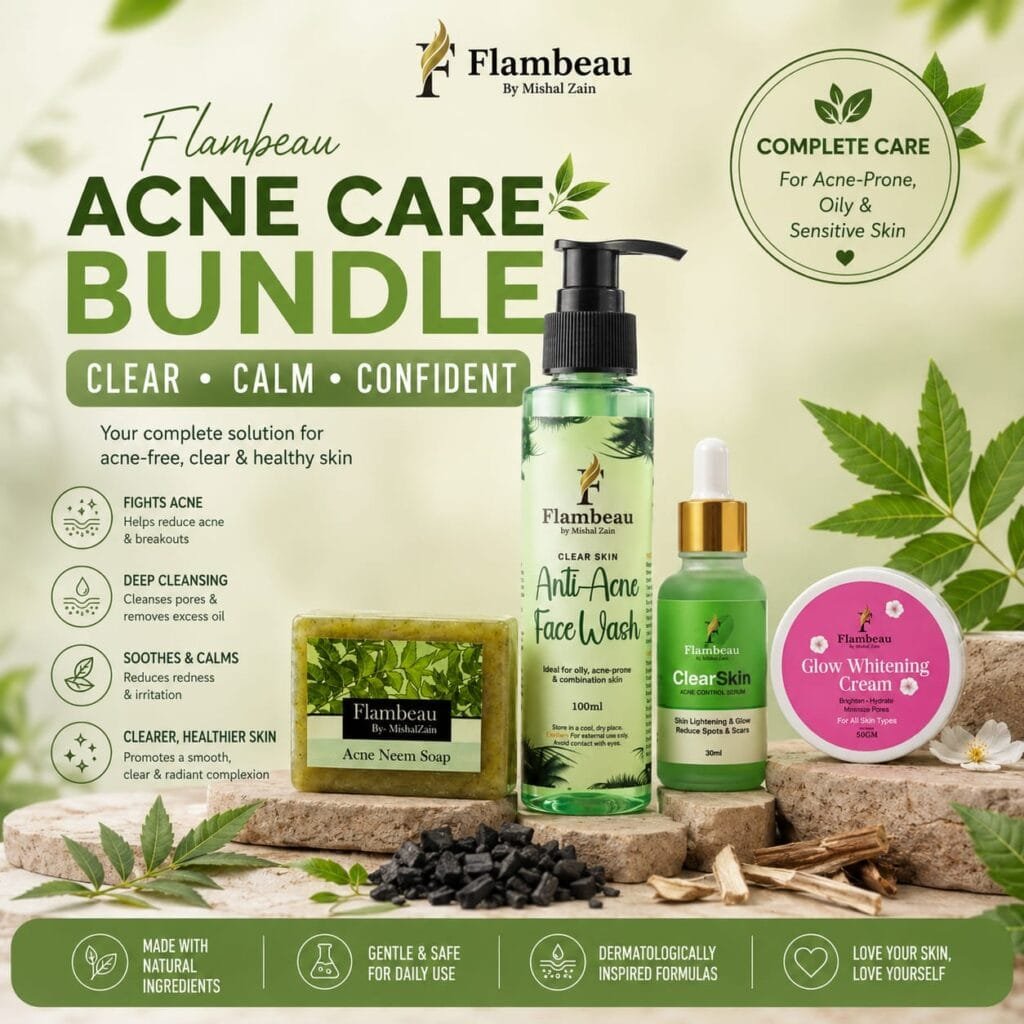
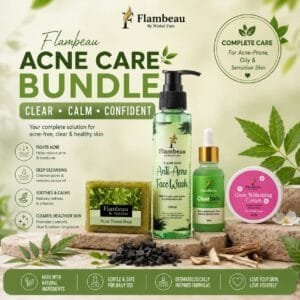
For a complete hair care routine, pair oil treatments with gentle cleansing and conditioning. If you’re dealing with acne as well, our Acne Care Bundle – All in One can help you manage skin while you focus on hair.
Common Mistakes to Avoid When Using Oils for Hair Growth
Even natural remedies can backfire if used incorrectly. Here are pitfalls to watch out for:
1. Using undiluted essential oils. Essential oils are highly concentrated and can burn or irritate the scalp. Always dilute with a carrier oil. For example, add 2-3 drops of rosemary oil to a tablespoon of coconut oil.
2. Over-oiling. Applying too much oil can clog hair follicles, leading to dandruff and even hair loss. Use a modest amount and focus on the scalp, not just the strands.
3. Leaving oil on for too long. While overnight treatments are popular, leaving oil on for more than 24 hours can attract dirt and bacteria. Stick to a few hours or overnight at most.
4. Not washing it out properly. Residual oil can weigh hair down and attract dust. Use a gentle shampoo and ensure all oil is removed.
5. Expecting overnight results. Hair grows about half an inch per month. It takes time to see improvements. Be patient and consistent.
6. Ignoring underlying health issues. If you have sudden or severe hair loss, consult a dermatologist. Oils won’t fix hormonal imbalances or nutritional deficiencies.
7. Using the wrong oil for your hair type. For fine hair, heavy oils like castor can cause greasiness. Opt for lighter options like argan or grapeseed.
By avoiding these mistakes, you’ll get the most out of your oil treatments without harming your hair.
How to Choose the Right Oils and Products for Your Hair Type
Not all oils suit everyone. Here’s a breakdown by hair type:
Oily Scalp
If your scalp gets greasy quickly, choose lightweight oils like jojoba, grapeseed, or almond oil. These won’t add extra oiliness. Avoid heavy oils like castor and coconut on the scalp; use them only on ends if needed. Rosemary and peppermint essential oils can help regulate oil production when diluted.
Dry Scalp
Dry, flaky scalps benefit from moisturizing oils like coconut, olive, and castor oil. These provide deep hydration and soothe irritation. Jojoba is also good as it mimics natural sebum. Add a few drops of tea tree oil for its antifungal properties.
Fine Hair
Fine hair can easily look greasy. Use light oils like argan, grapeseed, or sweet almond oil. Apply sparingly, focusing on the scalp and mid-lengths. Avoid heavy butters and thick oils.
Thick or Coarse Hair
Thick hair can handle richer oils like castor, coconut, and shea butter. These oils provide intense moisture and help manage frizz. Massage into scalp and hair for deep conditioning.
Curly or Textured Hair
Curly hair tends to be drier, so oils like coconut, olive, and avocado oil work well to seal in moisture. Use the LOC method (Liquid, Oil, Cream) to layer products. Jojoba oil is great for refreshing curls without weighing them down.
When choosing commercial products, look for those with natural oils listed high in the ingredients. Avoid products with high alcohol content or harsh sulfates. For a curated selection, check out our Hair Care category.
Frequently Asked Questions (FAQs)
Q: Can natural oils really regrow hair?
A: Natural oils can support hair growth by improving scalp health and reducing breakage, but they won’t regrow hair lost due to genetics or medical conditions. They work best as part of a comprehensive hair care routine.
Q: How often should I oil my hair?
A: It depends on your hair type. Generally, 1-3 times per week is sufficient. Oily scalps may need less frequent oiling, while dry scalps can benefit from more frequent treatments.
Q: Which oil is best for hair growth?
A: Rosemary oil has the most scientific evidence for promoting hair growth. However, a combination of oils like castor, coconut, and peppermint can also be effective.
Q: Can I leave oil in my hair overnight?
A: Yes, but it’s not necessary. Leaving oil on for a few hours is enough for absorption. Overnight treatments can be messy and may lead to buildup if not washed out properly.
Q: Are essential oils safe for all hair types?
A: Essential oils must be diluted and can cause irritation in some people. Always do a patch test before use. Pregnant women and those with sensitive skin should consult a doctor.
For more hair care tips, visit our blog archive and read our related post on how to strengthen thinning hair naturally.

Frequently Asked Questions
Can natural oils really regrow hair?
Natural oils can support hair growth by improving scalp health and reducing breakage, but they won't regrow hair lost due to genetics or medical conditions. They work best as part of a comprehensive hair care routine.
How often should I oil my hair?
It depends on your hair type. Generally, 1-3 times per week is sufficient. Oily scalps may need less frequent oiling, while dry scalps can benefit from more frequent treatments.
Which oil is best for hair growth?
Rosemary oil has the most scientific evidence for promoting hair growth. However, a combination of oils like castor, coconut, and peppermint can also be effective.
Can I leave oil in my hair overnight?
Yes, but it's not necessary. Leaving oil on for a few hours is enough for absorption. Overnight treatments can be messy and may lead to buildup if not washed out properly.
Written by Flambeau by Mishal Zain — sharing practical, affordable beauty and skincare tips.
Updated: September 2026