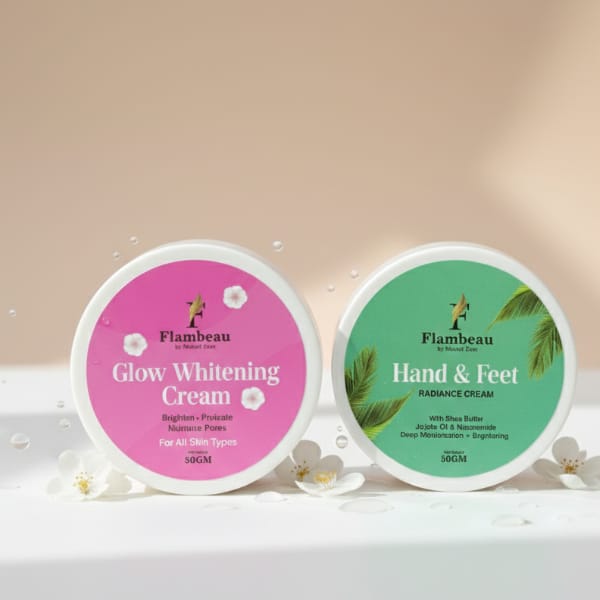
Learn how to apply sunscreen under makeup correctly for seamless protection. Step-by-step guide, product tips, and common mistakes to avoid for healthy,...
Apply sunscreen as the last step of your morning skincare routine, wait 2–3 minutes for it to settle, then apply makeup gently over it. Use a lightweight, non-greasy formula and reapply with SPF powder or mist if needed. This ensures protection without ruining your base.
Why Sunscreen Under Makeup Matters for Pakistani Skin
Pakistan’s intense sun exposure means daily sunscreen is non-negotiable, even if you’re indoors or wearing makeup. UV rays penetrate windows and can cause premature aging, dark spots, and uneven skin tone. For those with deeper skin tones, unprotected sun exposure can worsen hyperpigmentation and lead to dullness. Wearing sunscreen under makeup not only protects your skin but also creates a smoother canvas for foundation, helping your makeup last longer without oxidizing.
Many people skip sunscreen because they fear it will make their makeup slide off or leave a white cast. But modern formulations are designed to sit comfortably under makeup. The key is choosing the right texture for your skin type and applying it correctly. In this guide, we’ll walk you through everything you need to know to make sunscreen a seamless part of your daily makeup routine.
Remember, sunscreen is the most effective anti-aging product you can use. It’s not just for beach days—it’s for every day, rain or shine. And with the right technique, you can protect your skin without compromising your look.
Choosing the Right Sunscreen for Under Makeup
Not all sunscreens are created equal when it comes to layering under makeup. The ideal sunscreen for this purpose should be lightweight, fast-absorbing, and free from heavy oils that can break down your foundation. Look for formulas labeled non-comedogenic and oil-free to avoid clogged pores and mid-day shine. Gel-based or watery lotions tend to work best for oily and combination skin, while cream formulas suit dry skin.
Chemical sunscreens often have a thinner consistency and absorb quickly, making them a great choice under makeup. However, if you have sensitive skin, mineral sunscreens with zinc oxide or titanium dioxide are gentler. Just be sure to choose a micronized or tinted version to avoid a ghostly cast. For daily wear, an SPF of at least 30 is recommended, but if you’re prone to hyperpigmentation, go for SPF 50.
Another factor is the finish. Matte sunscreens can help control oil, while dewy ones add a glow. If you plan to wear a matte foundation, a mattifying sunscreen can prevent an overly flat look. Conversely, if you love a radiant finish, a hydrating sunscreen can enhance that. Test a few to see what works with your makeup.
Don’t forget about added skincare benefits. Many sunscreens now include antioxidants like vitamin C or niacinamide, which can brighten and protect. These are especially useful for Pakistani skin, which is often exposed to pollution and harsh sun. Just make sure the formula doesn’t pill under makeup—pilling happens when products don’t layer well, so look for reviews that mention compatibility with makeup.
Step-by-Step: How to Apply Sunscreen Under Makeup
Follow these steps to ensure your sunscreen and makeup coexist beautifully. First, start with a clean, moisturized face. Apply your regular moisturizer and let it absorb for a minute. Then, dispense the two-finger amount of sunscreen—about half a teaspoon for the face and neck. This is the amount needed to achieve the SPF listed on the bottle. Dot it on your forehead, cheeks, nose, and chin, then blend gently in upward strokes.
Wait 2–3 minutes for the sunscreen to set. This allows it to form a protective film and prevents it from mixing with your foundation. While waiting, you can do your hair or pick your outfit. Once it feels dry to the touch, proceed with makeup. If you use a primer, apply it now—but if your sunscreen is already smoothing, you might skip primer to avoid too many layers.
Apply foundation using a damp sponge or brush, pressing it into the skin rather than sweeping. This minimizes disruption to the sunscreen layer. Avoid rubbing vigorously. For concealer, use a tapping motion. Set your makeup with a light dusting of powder, focusing on the T-zone. If you need to reapply sunscreen later, use a powder SPF or a sunscreen mist to avoid disturbing your makeup.
At the end of the day, always remove sunscreen and makeup thoroughly with a gentle cleanser or cleansing balm. Double cleansing ensures no residue is left behind, which can lead to breakouts. For a complete skincare routine, check out our Skin Care category for products that complement your sunscreen.
Common Mistakes to Avoid When Layering Sunscreen and Makeup
One of the biggest mistakes is applying too little sunscreen. Most people use only a quarter of the recommended amount, leaving their skin underprotected. Always use the two-finger method or a half-teaspoon measure. Another mistake is not waiting long enough before applying makeup. If you rush, the sunscreen can pill or cause your foundation to streak. Patience is key.
Using the wrong type of sunscreen can also ruin your makeup. Heavy, greasy formulas can make foundation slide off within hours. Similarly, sunscreens with a strong white cast can alter your foundation shade. Always test a new sunscreen on a day you’re not going anywhere important to see how it wears under makeup.
Another common error is skipping sunscreen on cloudy days or when indoors. Up to 80% of UV rays can penetrate clouds, and UVA rays can pass through glass. So even if you’re at home or in the office, apply sunscreen if you’re near a window. Also, don’t forget your neck, ears, and hairline—these areas are often neglected and can show signs of aging first.
Finally, many people don’t reapply sunscreen throughout the day. If you’re wearing makeup, reapplying can be tricky, but it’s necessary if you’re outdoors for extended periods. Use SPF powder or a mist to top up without ruining your base. Set a reminder on your phone to reapply every two hours when you’re outside.
Best Sunscreen Textures for Different Skin Types
Your skin type dictates the best sunscreen texture for under makeup. Oily skin benefits from gel or water-based sunscreens that are oil-free and mattifying. These absorb quickly and control shine, preventing your makeup from sliding. Look for terms like “oil control” or “matte finish.” Dry skin needs hydrating cream sunscreens with ingredients like hyaluronic acid or glycerin. These provide moisture and a dewy base, so your foundation doesn’t cling to dry patches.
Combination skin can be tricky—you might need a lightweight lotion that balances both concerns. A hybrid formula that’s hydrating yet non-greasy often works well. For sensitive skin, mineral sunscreens with zinc oxide are less likely to cause irritation. Choose fragrance-free options to minimize risk. Acne-prone skin should opt for non-comedogenic, oil-free sunscreens, preferably with a matte finish to avoid adding shine.
If you have deeper skin tones, look for sunscreens that are tinted or transparent to avoid a white cast. Many brands now offer invisible formulas that blend seamlessly. For those with mature skin, sunscreens with antioxidants and peptides can offer additional anti-aging benefits while protecting against UV damage.
Remember, your skin type can change with seasons. In Pakistan’s hot, humid summers, you might prefer a lighter texture, while in winter, a richer cream could be more comfortable. Adjust accordingly. If you’re unsure, consult a dermatologist or try samples before committing to a full size.
Recommended Products and Routine Integration
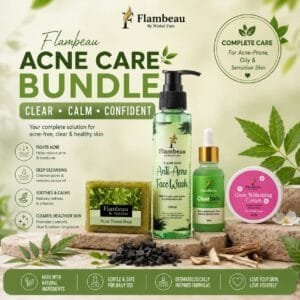
When building your routine, consider incorporating products that support skin health. For those dealing with acne, the Acne Care Bundle – All in One can help manage breakouts while you protect your skin from the sun. And for overall radiance, the Glow Care Bundle – Hand & Feet Cream and Whitening Glow Cream offers brightening benefits for your body, complementing your facial sunscreen routine.
Don’t forget that skincare extends beyond the face. For a comprehensive approach, read our Overnight Hair Care Routine for Healthier Hair to keep your hair healthy while you focus on skin. And if you’re curious about body cleansing, check out Natural Body Wash vs Bar Soap for Sensitive Skin: The Real Winner.
For more tips and guides, visit our blog archive. According to the American Academy of Dermatology, wearing sunscreen daily can significantly reduce the risk of skin cancer and premature aging. Make it a habit, just like brushing your teeth.
Frequently Asked Questions
Can I mix sunscreen with my foundation? It’s not recommended because it can dilute the SPF and lead to uneven coverage. Always apply sunscreen separately as the last step of skincare.
How do I reapply sunscreen over makeup? Use a powder sunscreen or a sunscreen mist. These allow you to top up without disturbing your makeup.
What if my sunscreen pills under makeup? Pilling often happens when products don’t layer well. Try waiting longer between steps, or switch to a lighter sunscreen formula.
Frequently Asked Questions
Can I mix sunscreen with my foundation?
It's not recommended because it can dilute the SPF and lead to uneven coverage. Always apply sunscreen separately as the last step of skincare.
How do I reapply sunscreen over makeup?
Use a powder sunscreen or a sunscreen mist. These allow you to top up without disturbing your makeup.
What if my sunscreen pills under makeup?
Pilling often happens when products don't layer well. Try waiting longer between steps, or switch to a lighter sunscreen formula.
Written by Flambeau by Mishal Zain — sharing practical, affordable beauty and skincare tips.
Updated: September 2026