Protect your nails from harsh cleaning chemicals and constant water exposure with these practical tips for healthy, strong nails—even with daily housework.
If you spend hours scrubbing, washing, and cleaning, your nails take a beating. The best way to keep them strong and healthy is to minimize water and chemical exposure by wearing gloves, keeping nails short and filed, moisturizing after every wash, and using a strengthening treatment like a nail growth serum. These habits prevent peeling, brittleness, and breakage, so your hands can look as good as your home.
Why Housework Is So Hard on Your Nails
Housework is a constant assault on your nails. Every time you plunge your hands into soapy water, you’re stripping away the natural oils that keep your nail plate flexible. Water is the biggest culprit: it seeps into the keratin layers, causing them to swell and then contract as they dry. This repeated expansion and contraction weakens the bonds between layers, leading to peeling, splitting, and a rough, ridged surface. The chemicals in detergents, bleach, and even dish soap are even more aggressive, breaking down the lipid barrier that seals in moisture.
Think about the physical trauma too. Scrubbing pots, scraping off food, and gripping heavy buckets put pressure on your nails that they weren’t designed to handle. If your nails are long, they act like levers, magnifying any force and increasing the risk of bending or breaking. Even something as simple as pulling a wet cloth across a counter creates friction that can wear down the nail’s surface over time. And if you live in a humid climate like Pakistan’s, the constant sweat under rubber gloves creates a warm, moist environment that further softens the nail, making it even more vulnerable to damage.
The result is what many women call “dishwasher’s nails”—soft, peeling, and prone to splitting at the tips. In severe cases, the nail bed can separate from the nail plate, creating a painful gap that invites infection. Beyond the physical discomfort, damaged nails are cosmetically unappealing, making you feel self-conscious about your hands. But here’s the good news: with a few targeted changes to your routine, you can completely transform the health and appearance of your nails, even if you’re elbow-deep in chores every single day.
Understanding what’s happening at a structural level helps you make smarter choices. For example, the American Academy of Dermatology recommends keeping nails short and trimming them straight across to reduce the risk of ingrown nails and breakage—practical advice that directly applies to housework. Short nails are simply less likely to snag or crack. Also, dry brushing your nails (using a soft brush without water) before washing can help remove dirt without exposing them to moisture, a trick many manicurists swear by. The key is to treat your nails as the delicate structures they are, not as tools.
One of the most effective ways to shield your nails from the worst of housework is to create a barrier. Wearing gloves is the obvious first step, but you can also apply a protective base coat that acts like a shield against water and chemicals. Pair that with a nourishing oil or serum, and you’re giving your nails the armor they need to survive the day. In the sections below, I’ll break down exactly what to do before, during, and after cleaning, plus the mistakes you’re probably making right now that are sabotaging your nail health.
Essential Nail Care Products and Ingredients for Housework Warriors
When your nails face daily wear and tear, you need more than just a basic hand cream. Look for products that contain ingredients proven to strengthen and hydrate. Biotin is a B-vitamin that supports keratin production, the protein that makes up your nails—think of it as a building block. While you can take it as a supplement, topical serums often include biotin to help fortify the nail plate. Keratin itself is another key player; using a keratin-enriched treatment can help fill in gaps and smooth the surface, making nails less prone to splitting.
Hydration is equally critical. Hyaluronic acid and glycerin draw moisture into the nail and surrounding skin, preventing dryness that leads to brittleness. But be careful—too much water is bad, so you want products that provide moisture without leaving a greasy residue. Jojoba oil is often called the closest match to your skin’s natural sebum, making it perfect for cuticle care. It penetrates deeply, nourishing the nail bed and cuticle, which keeps the nail flexible and less likely to crack. Vitamin E is another powerful antioxidant that repairs damage and improves blood circulation to the nail matrix, promoting healthier growth.
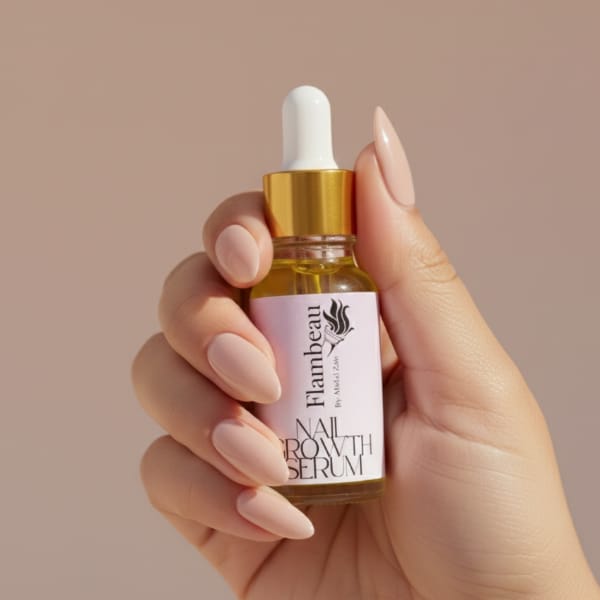
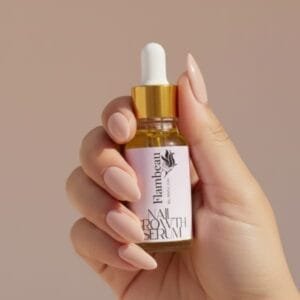
For a ready-made solution, consider incorporating a Nail Growth Serum – Helps Nails Grow Stronger, Healthier into your regimen. This serum is formulated with a blend of strengthening and nourishing ingredients designed specifically for damaged nails. It’s not a magic potion, but with consistent use, you’ll notice your nails becoming more resilient and less prone to peeling. The serum also helps maintain moisture balance, which is crucial if you’re constantly washing your hands. It’s a practical addition to your post-chore routine, applied directly to the nail and cuticle.
Another product worth having in your arsenal is a cuticle oil stick or a rich hand cream that contains shea butter and ceramides. These ingredients help repair the lipid barrier that detergents break down, keeping moisture locked in and irritants out. Apply them religiously after every hand washing, not just when you remember. The habit is more important than the product. Also, don’t overlook the importance of a glass nail file instead of metal ones—glass files cause less micro-tears and leave a smoother edge, which prevents future snags.
If you’re on a budget, you don’t need to buy a dozen products. Focus on the essentials: a good hand cream, a cuticle oil, and a strengthening serum. These three can cover all your bases. And remember, the best product in the world won’t help if you don’t use it consistently. Keep them near your sink, in your bag, and beside your bed so that applying them becomes as automatic as washing your hands. In the next section, I’ll walk you through a step-by-step routine that ties it all together.
Step-by-Step Nail Care Routine for Household Chores
Building a protective routine around your housework doesn’t have to be complicated. The goal is to create a cycle of protection, repair, and recovery that your nails can rely on. Here’s a simple but effective system that you can adapt to your daily schedule.
Step 1: Pre-Cleaning Protection. Before you start any wet or chemical-heavy chore, apply a thin layer of a clear, protective base coat or a nail hardener to your nails. This acts as a shield, preventing water and detergents from penetrating the nail plate. If you’re doing a particularly long session, you can also apply a small amount of petroleum jelly around your cuticles to create a water-repellent barrier. Let it sit for a minute before putting on your gloves—this extra layer will save your nails from the worst of the abuse.
Step 2: Glove Up. This cannot be overstressed: wear gloves. Not just for washing dishes, but for any task that involves prolonged water exposure or harsh chemicals—scrubbing floors, cleaning the bathroom, even gardening. Choose gloves that fit snugly but not too tight, so you still have dexterity. Cotton-lined rubber gloves are ideal because they absorb sweat and prevent your hands from staying wet. If you find gloves uncomfortable, try wearing a pair of thin cotton gloves underneath your rubber ones; this adds an extra layer of protection and keeps your skin from breaking out.
Step 3: Post-Chore Rinse and Dry. After you finish, remove your gloves and rinse your hands with lukewarm (not hot) water to remove any residue. Gently pat your hands and nails dry with a clean towel—don’t rub, as friction can cause micro-damage. Make sure to dry the area under your nail tips, where water loves to hide. Residual moisture can lead to peeling, so be thorough. If you notice any hangnails, resist the urge to bite or tear them; instead, trim them carefully with cuticle scissors.
Step 4: Hydrate and Nourish. While your nails are still slightly damp (but not soaking), apply a few drops of cuticle oil or a rich hand cream to your nails and cuticles. Massage it in for at least a minute to stimulate blood flow and promote absorption. This is the perfect time to apply your Nail Growth Serum – Helps Nails Grow Stronger, Healthier. The serum’s active ingredients penetrate better when the nail is slightly hydrated. Make this a non-negotiable step—it’s the key to repairing the damage your nails just endured.
Step 5: Weekly Maintenance. Once a week, dedicate a few minutes to a deeper treatment. Soak your nails in warm water with a few drops of olive oil or a mild soap for five minutes to soften the cuticles. Then, gently push back your cuticles with a wooden stick—never cut them, as this can lead to infection. File your nails with a glass file, always in one direction, to prevent splitting. Finish by applying a thick layer of petroleum jelly or a nourishing mask and put on cotton gloves overnight. This intense hydration session will keep your nails flexible and strong.
Consistency is everything. If you follow this routine diligently, you’ll start to see a noticeable difference in your nail strength within a few weeks. Remember, it’s not about doing every step perfectly every day, but about making it a habit. Even just wearing gloves and moisturizing after each chore will significantly improve your nail health. Over time, you’ll wonder how you ever managed without it.
Common Mistakes That Ruin Housework-Damaged Nails
Many women unintentionally make their nail problems worse with everyday habits. One of the biggest mistakes is using nails as tools—scraping off labels, opening soda cans, or removing staples. This puts unnatural stress on the nail plate, causing it to bend or break. Always reach for a proper tool instead. Another common error is cutting cuticles during a manicure. Cuticles are your nail’s natural protective seal; when you snip them off, you open the door to bacteria and moisture, leading to painful infections. Instead, gently push them back and keep them moisturized.
Another major mistake is neglecting to moisturize after washing your hands. Many people wash dishes, then dry their hands and move on to the next task without applying any lotion. This leaves the nails dehydrated, making them brittle and prone to splitting. Similarly, skipping gloves for quick jobs like washing one cup or wiping a counter might seem harmless, but those short exposures add up. Even five minutes of water exposure can strip away your natural oils. Make it a rule: if your hands are going to be in water, wear gloves.
Many women also make the mistake of over-filing or using a back-and-forth motion with a metal file. This creates tiny fractures in the nail edge that turn into splits. Always file in one direction, using a fine-grit glass file. Another issue is wearing nail polish for too long. While polish can protect your nails, leaving it on for more than a week can trap moisture and lead to fungal growth. Give your nails a break between manicures, and always use a base coat to prevent staining.
Perhaps the most counterproductive habit is over-trimming. Cutting your nails very short might seem like a good way to avoid breakage, but if you cut them down to the quick, you expose the nail bed, making it painful and more susceptible to damage. Keep them at a moderate length, just past the tip of your finger, for the best balance. Also, avoid using acetone-based nail polish removers—they are extremely drying. Opt for an acetone-free formula and remove polish with a gentle, sweeping motion rather than scrubbing.
Finally, don’t ignore the diet factor. Your nails are made of keratin, which requires protein, vitamins, and minerals to grow strong. If you’re constantly on a low-protein diet or lacking biotin, your nails will be weak no matter what you apply topically. Include eggs, nuts, and leafy greens in your meals, and consider a biotin supplement after consulting your doctor. Remember, healthy nails come from within, and your housework habits can only do so much if your body lacks the building blocks.
By avoiding these common pitfalls and adopting the right techniques, you can break the cycle of constant damage. The next time you’re tempted to skip the gloves or forgo the moisturizer, remind yourself that a few extra seconds can save you from weeks of painful, unsightly nails.
Choosing the Right Nail Care Products for Your Lifestyle
With so many nail products on the market, it’s easy to feel overwhelmed. But when you’re dealing with housework damage, you need to focus on a few key factors. First, look for products that are free from harsh chemicals like formaldehyde, toluene, and dibutyl phthalate—these are common in nail hardeners and polishes but can be drying and irritating, especially if your nails are already compromised. Instead, choose formulas that are “5-free” or “10-free,” which exclude these toxins.
Next, consider your nail type. If your nails are brittle and cracking, you need a product with strengthening ingredients like keratin and biotin. If they are soft and peeling, you need something that adds structure, like a protein-based treatment. For those with dry, flaky cuticles, a rich cuticle oil is a must. The key is to match the product to your specific issue, not just buy the most expensive one.
When reading labels, look for humectants like glycerin and hyaluronic acid, which draw moisture in, and emollients like shea butter and jojoba oil, which lock it in. Avoid products that contain a lot of alcohol, as they will dry out your nails. A good product should list water as the first ingredient, followed by oils and humectants, and should not have a long list of unpronounceable chemicals.
For those who want a comprehensive solution, the Beauty Care Deal offers a bundle of skincare and nail care essentials at a value price. This can be a great way to stock up on the basics without breaking the bank. If you’re looking for more targeted nail care, check out the nail care category on our website, where you’ll find a curated selection of serums, oils, and treatments designed for common nail issues.

Also, don’t forget to consider the texture and absorption of the product. If you’re applying after chores, you want something that sinks in quickly so it doesn’t mess up your next task. A lightweight oil or serum is perfect for daytime, while a thicker cream can be used at night. Finally, trust your instincts: if a product smells too chemical or feels sticky, it’s probably not the best choice. Your nails should feel nourished, not coated in a film.
Remember, products are only one part of the equation. Your habits—gloves, moisturizing, and gentle filing—are what will make the biggest difference. But choosing the right formulas can accelerate your recovery and provide the extra support your nails need. Take your time, read reviews, and don’t be afraid to ask a dermatologist for recommendations if you have persistent issues.
Tailored Nail Care for Different Housework Schedules and Budgets
Not everyone faces the same level of housework intensity. If you’re a stay-at-home parent or a professional cleaner, your nails are under constant assault, and you’ll need a more rigorous routine. For those who only do chores on weekends, a simpler approach can suffice. Here’s how to adapt your nail care to your specific situation.
For the Full-Time Homemaker: You’re in the trenches every day, so protection and repair are your top priorities. Invest in a high-quality pair of gloves and keep them in every room where you clean. You should also do a weekly deep-conditioning treatment, like an overnight oil soak, to give your nails a chance to recover. Your hand cream should be a thick, reparative formula with ceramides and shea butter. Consider using a strengthening serum daily, not just after chores, to maintain a barrier. And don’t skip your weekly filing—keep a glass file in your pocket and smooth any rough edges immediately.
For the Weekend Warrior: If you save all your cleaning for Saturday, you can get away with a simpler routine. Wear gloves during your marathon sessions, and afterward, treat your nails to a luxurious oil soak. You might also want to apply a nail hardener a few days before you clean, so it has time to build up. During the week, focus on daily moisturizing and a healthy diet to keep your nails in good shape. You don’t need as many products, but you should still be consistent.
For the Budget-Conscious: You don’t need to spend a fortune to have healthy nails. Start with the basics: a pair of gloves, a bottle of cuticle oil, and a good hand cream. These three items can cover 90% of your needs. If you want a serum, look for one with simple ingredients like jojoba oil and vitamin E, which are effective but affordable. You can even make your own hand soak using olive oil and lemon juice from your kitchen. The key is to be creative and prioritize what matters most: protection and hydration.
For the Sensitive-Skinned: If you have eczema or easily irritated skin, you need hypoallergenic products. Look for fragrance-free and dye-free formulas. Wear vinyl gloves instead of latex, as latex can trigger allergies. After cleaning, use a gentle, barrier-repair cream that contains ceramides and panthenol. Avoid any product with essential oils that might cause a reaction. And always patch test new products on a small area of your skin before applying them to your nails.
No matter which category you fall into, the golden rule is to listen to your nails. If they feel dry, moisturize. If they’re weak, apply a strengthening treatment. If they’re peeling, give them a break from polish. By tailoring your routine to your lifestyle, you can maintain beautiful, healthy nails without letting housework take its toll. And for more tips on overall nail and skin health, don’t forget to explore our blog for additional guidance.
Frequently Asked Questions
How often should I apply cuticle oil if I do housework daily?
You should apply cuticle oil at least twice a day, especially after any hand washing or water exposure. The oil replenishes moisture and creates a protective barrier, so keep a small bottle near your sink and use it after every chore.
Can I wear nail polish while doing housework?
Yes, but always use a base coat and a top coat to protect your nails. However, if your nails are already damaged, it's better to give them a break from polish and focus on treatments. If you do wear polish, wear gloves to prevent chipping and water damage.
Are there any home remedies for strengthening weak nails?
Yes, you can soak your nails in a mixture of warm olive oil and lemon juice for 10 minutes a few times a week. The oil moisturizes, while lemon helps brighten. Also, massaging your nails with petroleum jelly before bed can help lock in moisture.
How long does it take to see improvement in nail strength?
Nails grow slowly, so it can take 3-6 months to see a significant change in nail strength. However, you may notice less peeling and splitting within a few weeks if you consistently protect and moisturize your nails.
Written by Mishal Rehman, owner of Flambeauty — sharing practical, professional beauty and skincare guidance.
Updated: August 2026