Struggling with combination skin in humidity? Discover a step-by-step routine using lightweight, oil-free products, plus ingredient tips and common mistakes...
For combination skin in humid weather, the goal is to balance oil production without stripping moisture, using lightweight, non-comedogenic products. Start with a gentle cleanser, follow with a water-based moisturizer, and always wear a mattifying sunscreen. Adjust by area: use lighter products on the T-zone and richer ones on dry cheeks. Consistency and seasonal tweaks are key to keeping skin comfortable and clear.
Understanding Combination Skin in Humid Climates
Combination skin is characterized by an oily T-zone (forehead, nose, chin) and dry or normal cheeks. In humid weather, the excess moisture in the air can trigger even more oil production in the T-zone, leading to shine, clogged pores, and breakouts. Meanwhile, the cheeks may still feel tight or flaky, especially if you use harsh products that strip the skin. This duality can be frustrating, but with the right routine, you can keep both areas happy.
Humidity also affects how your skin absorbs products. In dry climates, you might layer thick creams to lock in moisture, but in humidity, heavy creams can feel suffocating and lead to congestion. Instead, think of hydration in layers: use a hydrating toner or essence, then a lightweight gel moisturizer. These water-based formulas provide moisture without heavy oils that can clog pores. Additionally, humidity increases sweat, which mixes with sebum and dead skin cells, potentially leading to more frequent breakouts if you don’t cleanse properly.
It’s also important to note that your skin’s needs change with the seasons. What worked in winter may be too heavy for summer. For instance, a rich cream might be fine in dry months, but in July’s humidity, it could cause your T-zone to become overly oily. So, it’s wise to have a separate summer routine with lighter textures.
The key is to avoid over-drying the oily areas, as that can trigger rebound oil production, and to avoid over-moisturizing the dry areas, which can lead to clogged pores. A balanced approach involves using products that adapt to different zones. For example, you might use a clay mask on the T-zone once a week, while focusing on hydrating ingredients on the cheeks.
Understanding your skin’s behavior in humidity is the first step. If you notice that your T-zone becomes shiny within a few hours of washing, you know you need oil control. If your cheeks feel tight after cleansing, you need gentler, more hydrating products. This awareness will guide your product choices and routine adjustments.
Remember that no two combination skin types are exactly alike. Some people have mild oiliness, others severe. Some have dry patches that are sensitive. So, observe your skin and adapt. The routine below provides a general framework, but you’ll want to fine-tune it based on your unique needs.
Step-by-Step Routine: Morning and Evening
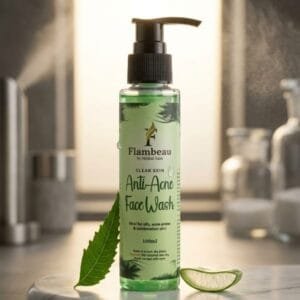
Start with a gentle, sulfate-free cleanser that won’t strip your skin. In the morning, a quick rinse with water may be enough, but if you prefer a cleanser, choose a gel or cream formula. For evening, you need a cleanser that removes sunscreen, oil, and impurities without leaving a tight feeling. A product like Anti Acne Facewash for Pimples & Oil Control – Deep Cleansing Formula can be beneficial if you’re prone to breakouts, as it contains ingredients like salicylic acid to unclog pores, but use it only once daily to avoid over-drying.
After cleansing, use a hydrating toner or essence to add a layer of moisture. Look for ingredients like hyaluronic acid, glycerin, or panthenol. Apply it to damp skin to help lock in hydration. This step is crucial for the dry areas while not adding extra oil to the T-zone. If you have sensitive skin, avoid toners with alcohol, which can irritate and worsen dryness.
Next, apply a lightweight serum. For combination skin in humidity, consider a serum with niacinamide, which helps regulate oil production and improve the skin barrier. Niacinamide is well-tolerated and can reduce the appearance of pores. Alternatively, a hyaluronic acid serum is great for hydration without heaviness. Apply a few drops to your entire face, focusing on the dry cheeks if needed.
Then, moisturize. For the T-zone, use a water-based gel moisturizer that absorbs quickly and leaves a matte finish. For the cheeks, you might use a slightly richer but still lightweight cream or even a few drops of facial oil. However, in high humidity, even the cheeks may not need a heavy cream. A single gel moisturizer might work for the whole face, and you can adjust by applying a bit more on the cheeks.
In the morning, finish with a broad-spectrum sunscreen. Look for a formula that says “oil-free” or “matte” and has at least SPF 30. Gel-based sunscreens are ideal because they don’t feel heavy. In the evening, you can add a gentle exfoliant 2-3 times a week, such as a BHA (salicylic acid) toner or an AHA (lactic acid) serum, to keep pores clear and smooth skin texture. Always avoid over-exfoliating, as it can damage the skin barrier.
Here’s a simple recap: Morning – gentle cleanser (or water), hydrating toner, niacinamide serum, lightweight moisturizer, sunscreen. Evening – cleanser (double cleanse if you wore makeup/sunscreen), toner, serum, moisturizer, and 2-3 times a week an exfoliant. This routine is adaptable; you can skip the serum if your moisturizer has enough actives, or add a spot treatment for breakouts.
Key Ingredients and What to Look For
When choosing products for combination skin in humidity, focus on ingredients that hydrate without clogging pores and control oil without stripping. Key hydrators include hyaluronic acid, glycerin, and panthenol. These are humectants that draw water into the skin, providing lightweight hydration. They are ideal for the dry patches and won’t exacerbate oiliness.
For oil control, look for niacinamide, zinc PCA, and salicylic acid. Niacinamide helps balance sebum production and strengthens the skin barrier. Zinc PCA has astringent properties, reducing surface oil. Salicylic acid is a beta-hydroxy acid that penetrates pores and dissolves excess oil and dead skin cells, preventing blackheads and whiteheads. It’s especially useful for the T-zone.
Also consider aloe vera, which soothes and hydrates without oiliness, and green tea extract, which has antioxidants and can help calm inflammation. These are often found in gel moisturizers and toners designed for oily/combination skin.
Avoid heavy oils like coconut oil, mineral oil, and lanolin in your leave-on products, as they can clog pores. Also avoid denatured alcohol, which can be drying and irritating, leading to more oil production. Instead, choose products labeled non-comedogenic (won’t clog pores) and oil-free.
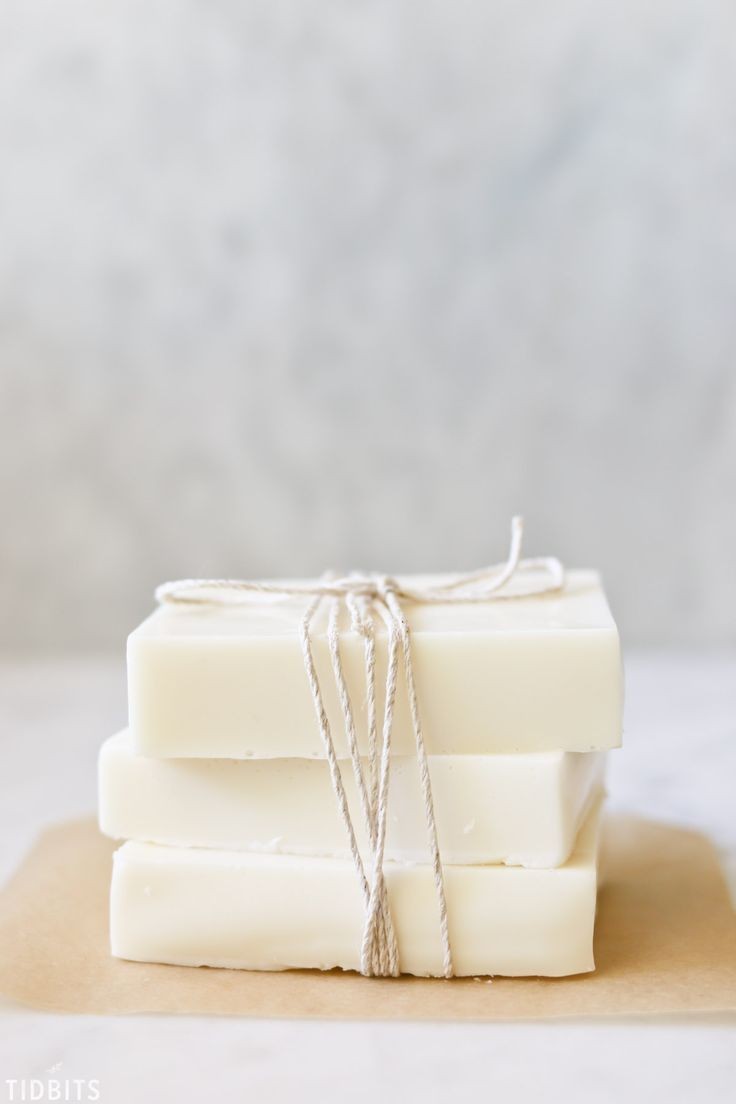
If you’re looking for a versatile cleanser, a mild bar like Goat Milk Soap can be gentle on both dry and oily areas. Goat milk contains lactic acid, which gently exfoliates, and fats that moisturize. It’s a good option for those who prefer a simple, natural cleanser, but always follow with a moisturizer.
When in doubt, patch test new products on a small area of your jawline for a few days. This is especially important in humid weather, as your skin is more reactive. Also, introduce one new product at a time to monitor how your skin responds.
Adjusting Your Routine for Different Skin Areas
One of the challenges of combination skin is that a single product may not suit all areas. You can customize your routine by using different products on different zones. Known as “multi-moisturizing,” this approach ensures each area gets what it needs.
For the oily T-zone, apply a mattifying gel moisturizer or a product with salicylic acid. Use blotting papers during the day to absorb excess oil without disturbing makeup. Avoid over-cleansing this area; washing more than twice a day can trigger more oil.
For the dry cheeks, use a more emollient moisturizer, perhaps one with ceramides or squalane, to strengthen the skin barrier. If your cheeks are very dry, you can apply a few drops of a lightweight facial oil like jojoba or rosehip seed oil, but only in the evening if needed.
If you have sensitive skin along with combination, choose fragrance-free products and avoid harsh exfoliants. Stick to gentle physical exfoliants like a soft washcloth or chemical exfoliants with lactic acid, which is milder than glycolic acid. Always do a patch test.
For acne-prone combination skin, prioritize non-comedogenic products and consider using a benzoyl peroxide spot treatment on active breakouts, but only on the spots, not all over. Use a salicylic acid cleanser 2-3 times a week to keep pores clear.
If your skin is dehydrated (feels tight and looks dull), focus on hydration. Use a hydrating toner with hyaluronic acid and apply a gel moisturizer while skin is still damp. Drink plenty of water, but don’t rely solely on that; topical humectants are more effective for skin hydration.
Remember that your skin’s needs can change with hormonal cycles, stress, and diet. Be flexible and adjust your routine as needed. If you notice increased oiliness, you might use a clay mask on the T-zone once a week. If you notice flakiness, skip the exfoliant and focus on moisturizing.
Common Mistakes to Avoid in Humid Weather
One major mistake is over-cleansing. Washing your face more than twice a day strips natural oils, leading to rebound oil production and irritation. Stick to morning and evening, and if you need to freshen up midday, just rinse with water or use a gentle toner.
Another mistake is skipping moisturizer because you think your skin is oily enough. Even oily skin needs hydration, and skipping moisturizer can cause your skin to produce more oil to compensate. Use a lightweight, oil-free moisturizer to keep your skin balanced.
Using heavy, occlusive products like thick creams or petroleum jelly is a common error. These can clog pores and trap sweat, leading to breakouts. Opt for water-based gels and serums instead.
Ignoring sunscreen is a big no-no. Sun exposure can worsen hyperpigmentation and premature aging, and in humid weather, you might skip it because it feels sticky. Choose a gel or matte sunscreen that feels weightless. Reapply every two hours if you’re outdoors.
Over-exfoliating is another pitfall. While exfoliation is important to keep pores clear, doing it too often can damage your skin barrier, leading to increased sensitivity and oiliness. Limit exfoliation to 2-3 times a week, and avoid combining multiple exfoliating products (like a scrub and a chemical exfoliant) on the same day.
Finally, using the same products year-round without adjusting for humidity is a mistake. As the weather changes, so should your routine. In humid months, swap heavy creams for gel-based ones, and reduce the frequency of rich masks. Pay attention to how your skin feels and act accordingly.
If you’re unsure about your routine or experiencing persistent issues, consult a dermatologist. They can provide personalized advice. Also, check out our blog for more tips on managing different skin concerns, or browse our skin care products for options suited to combination skin.
Frequently Asked Questions
How often should I wash my face if I have combination skin in humid weather?
Wash your face twice a day, once in the morning and once at night. Over-washing can strip natural oils and trigger more oil production. If you need to freshen up during the day, just rinse with water or use a gentle toner.
Can I skip moisturizer if my T-zone is oily?
No, even oily skin needs moisture. Skipping moisturizer can cause your skin to produce more oil to compensate, leading to more shine and congestion. Use a lightweight, oil-free gel moisturizer to keep your skin balanced.
What sunscreen is best for combination skin in humidity?
Look for a broad-spectrum sunscreen with SPF 30 or higher that is oil-free, non-comedogenic, and has a matte or gel texture. These formulas absorb quickly and won't feel heavy or greasy. Reapply every two hours if you're outdoors.
Is it okay to use different products on different areas of my face?
Yes, this is a smart approach for combination skin. Use a mattifying gel on your T-zone and a slightly richer moisturizer on your cheeks. This ensures each area gets the right amount of hydration and oil control.
Written by Mishal Rehman, owner of Flambeauty — sharing practical, professional beauty and skincare guidance.
Updated: August 2026