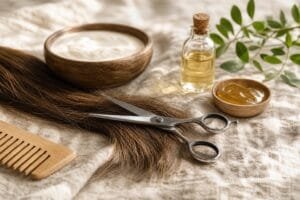

Learn how to build a pre-wash hair oiling routine for stronger, healthier hair. Discover the right oils, step-by-step steps, and mistakes to avoid for the...
A consistent pre-wash hair oiling routine is one of the simplest yet most effective ways to nourish your scalp, strengthen your strands, and improve overall hair health. By applying the right oils before shampooing, you create a protective barrier that reduces protein loss, adds moisture, and helps prevent breakage. In this guide, you’ll learn exactly how to build this routine—from choosing the best oils to applying them correctly—so you can enjoy visibly stronger, more resilient hair with every wash.
Why Pre-Wash Oiling Matters for Hair Strength
Your hair goes through a lot daily—brushing, styling, sun exposure, and even washing itself can weaken the hair shaft. Pre-wash oiling acts as a protective shield: when you massage oil into your scalp and through your lengths before shampooing, it coats each strand, reducing the friction and swelling that can occur when hair absorbs water and expands. This is particularly important in humid climates like Pakistan, where high moisture levels can make hair more porous and prone to damage.
Scientifically speaking, oils like coconut, argan, and jojoba have a molecular structure that allows them to penetrate the hair cortex—the inner layer of the hair—helping to reduce protein loss. A study published in the Journal of Cosmetic Science found that coconut oil, when applied before washing, significantly reduced protein loss from hair compared to other oils. This means your strands retain more of their natural strength, making them less likely to snap or split.
But pre-wash oiling isn’t just about the oil itself; it’s also about the ritual. The act of massaging your scalp stimulates blood circulation, which brings oxygen and nutrients to the hair follicles, promoting healthier growth from the root. Think of it as a workout for your scalp—it wakes up the follicles and encourages them to produce stronger hair. Over time, this can lead to reduced hair fall and a visibly thicker, more lustrous mane.
Another key benefit is that pre-wash oiling helps to balance your scalp’s natural oil production. If you have an oily scalp, applying a lightweight oil like grapeseed or jojoba before washing can signal your sebaceous glands to produce less oil, because they sense that the scalp is already moisturized. Conversely, if you have a dry, flaky scalp, a richer oil like olive or castor can provide the deep conditioning it craves, easing itchiness and flakiness. This balance is essential for maintaining a healthy hair growth environment.
In Pakistan, where hard water is common in many cities, pre-wash oiling can be a game-changer. Hard water contains minerals that can leave a residue on hair, making it brittle and dull. By coating your hair with oil, you create a barrier that minimizes mineral buildup, keeping your locks softer and more manageable. It’s a simple step that can make a significant difference in the long run.
Choosing the Right Oils for Your Hair Type
Not all oils are created equal, and what works for one person may not work for another. The key is to select oils based on your hair’s porosity (how well it absorbs and retains moisture), thickness, and scalp condition. Let’s break down the most effective oils and who they’re best for.
Coconut oil is the gold standard for pre-wash treatments, especially for normal to dry hair. It has a low molecular weight that allows it to penetrate deep into the hair shaft, reducing protein loss and strengthening the cortex. If you have coarse or curly hair, coconut oil can work wonders. However, if you have fine or low-porosity hair, it might feel heavy—so use it sparingly or mix it with a lighter carrier oil.
Argan oil, often called “liquid gold,” is rich in vitamin E and fatty acids. It’s excellent for adding shine and taming frizz, making it a great choice for those with wavy or frizz-prone hair. It’s lighter than coconut oil, so it won’t weigh your hair down. If you have color-treated hair, argan oil helps to protect the cuticle and prevent fading.
Jojoba oil closely resembles the natural sebum produced by your scalp, making it ideal for oily scalps or sensitive skin. It helps to regulate oil production without clogging pores. If you struggle with dandruff or an itchy scalp, jojoba oil can soothe inflammation and reduce flakiness. It’s also non-comedogenic, meaning it won’t cause acne along your hairline.
Castor oil is thicker and richer, often used to promote hair growth and thicken eyebrows or lashes. Its high ricinoleic acid content has anti-inflammatory properties that can stimulate the scalp. Because it’s so heavy, it’s best used as a scalp treatment or mixed with a lighter oil. If you have thinning hair or bald patches, applying a small amount of castor oil to those areas before washing can help over time.
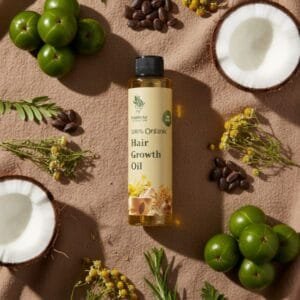
For a ready-made solution that combines the benefits of several oils, consider the Hair Growth Oil – Strengthen & Nourish Hair Naturally from Flambeauty. It’s formulated with a blend of natural oils designed to strengthen and nourish, making it a convenient choice for those who want an effective pre-wash treatment without the guesswork. Always patch test first to ensure you don’t have an allergic reaction.
Step-by-Step Pre-Wash Oiling Routine
Now that you know which oils to use, let’s walk through a detailed pre-wash oiling routine that you can customize to your needs. The whole process should take about 30 minutes to an hour, depending on how long you leave the oil in.
Step 1: Brush Your Hair
Start by gently brushing your hair with a wide-tooth comb to remove tangles and loosen any dirt or product buildup. This step is crucial because it ensures the oil can distribute evenly without snagging. Use a boar bristle brush if you have one—it helps to spread your scalp’s natural oils down the hair shaft, prepping your hair for the treatment.
Step 2: Warm the Oil
Warm the oil slightly—just enough to make it comfortable to the touch, not hot. You can place the bottle in a bowl of warm water for a few minutes or pour a small amount into your palm and rub your hands together. Warm oil penetrates the hair shaft more effectively than cold oil and enhances the massage experience. Never heat oil in the microwave—this can burn your scalp or create hot spots that damage the hair.
Step 3: Apply to Your Scalp
Section your hair into four parts: two in the front and two in the back. Using your fingertips, apply the oil directly to your scalp, starting at the hairline and working your way back. Use a gentle, circular motion to massage the oil into your scalp for about 5 minutes. This massage stimulates blood flow to the follicles, which is key for healthy hair growth. You can also use a scalp massager tool for a deeper, more relaxing experience.
Step 4: Coat the Lengths
After your scalp is covered, apply the remaining oil to the lengths and ends of your hair. Focus on the ends, which are the oldest and most damaged parts. Use a generous amount if your hair is thick or long, and less if it’s fine. The goal is to coat every strand, but avoid saturating your hair so much that it becomes greasy and difficult to rinse out later.
Step 5: Let It Sit
Leave the oil on for at least 20-30 minutes. If you have time, you can leave it on for an hour or even overnight (wrapped in a towel or shower cap). The longer the oil sits, the deeper it penetrates. However, be cautious with overnight oiling—if you have a sensitive scalp, leaving oil on for too long can clog pores or cause irritation. Start with 30 minutes and adjust based on how your hair responds.
Step 6: Rinse and Shampoo
Rinse your hair thoroughly with warm water before shampooing. This pre-rinse helps to remove excess oil, so your shampoo can lather properly. Then, shampoo as usual—you may need to shampoo twice to completely remove the oil, especially if you used a heavy oil like castor. Follow with your regular conditioner, focusing on the ends. After washing, let your hair air-dry or style as desired.
If you’re short on time, you can shorten the waiting period to 10 minutes, but make sure you massage well. Even a quick pre-wash oiling offers benefits. To make this routine even more effective, consider combining it with a deep conditioning mask once a week for extra nourishment.
Common Mistakes to Avoid
Even with a great routine, you might not see results if you’re making some common mistakes. Here’s what to avoid to get the most out of your pre-wash oiling.
Using too much oil is a common error. Applying an excessive amount can make your hair greasy and difficult to wash out, leading to product buildup that actually weighs your hair down. Start with a small amount—about a coin-sized drop for short hair, and a few tablespoons for long, thick hair—and add more if needed. Remember, you can always add, but you can’t take away.
Applying oil to wet hair is another mistake. Oil should be applied to dry hair because water creates a barrier that prevents the oil from penetrating. If your hair is wet, the oil will just sit on top, making it ineffective. Always towel-dry your hair completely before oiling.
Skipping the scalp massage is a missed opportunity. Massaging isn’t just about the relaxing feeling—it’s essential for stimulating circulation and ensuring the oil reaches the follicles. If you rush through this step, you’re not getting the full benefits. Take your time and enjoy it.
Using the wrong oil for your hair type can also hinder results. For example, if you have fine hair and use castor oil, it might make your hair look flat and oily. Conversely, if you have very dry, curly hair and use a lightweight oil like grapeseed, it may not provide enough moisture. Match the oil to your hair’s needs, as outlined in the previous section.
Finally, not washing the oil out properly can leave residue that attracts dust and dirt, especially in polluted cities like Lahore or Karachi. This can lead to scalp irritation and even hair fall. Always shampoo thoroughly, and if you have hard water, consider a clarifying shampoo once a month to remove mineral buildup.
Adapting the Routine for Different Hair Types
Your pre-wash oiling routine should be as unique as your hair. Here’s how to tailor it for different hair types—whether you have straight, wavy, curly, or coily hair.
Straight and fine hair tends to get oily quickly, so you should use lightweight oils like jojoba or argan, and apply them only to the ends, not the scalp. Keep the oiling time short—20 minutes max—to avoid weighing down your hair. You can also wash with a gentle, sulfate-free shampoo to prevent stripping your natural oils.
Wavy hair often has a balanced texture but can be prone to frizz. A medium-weight oil like sweet almond or grapeseed works well. Apply the oil from mid-length to ends, and leave it on for 30-45 minutes. This helps to smooth the cuticle and enhance your natural wave pattern.
Curly hair is usually dry and porous, so it craves richer oils like coconut or shea butter. Focus on the ends and use a generous amount. You can leave the oil on for up to an hour or even overnight with a shower cap. The deep conditioning will define your curls and reduce breakage.
Coily hair is the most fragile and prone to dryness. It needs heavy, penetrating oils like castor or avocado. Apply oil generously from root to tip, and massage your scalp thoroughly. Leave it on for at least an hour, or use a steam treatment to help the oil penetrate deeper. This routine will help strengthen your strands and reduce shrinkage.
If you have a sensitive scalp, always choose fragrance-free oils and avoid essential oils that might irritate. Stick to gentle options like jojoba or camellia oil, and do a patch test on a small area of your scalp before full application. You can also dilute essential oils in a carrier oil if you want their benefits.
How to Elevate Your Routine with Extra Nourishment
Once you’ve mastered the basics, you can boost your pre-wash oiling routine with additional ingredients that target specific concerns. This is where you can get creative and address issues like hair fall, dandruff, or dullness.
Add essential oils like rosemary, peppermint, or tea tree to your carrier oil. Rosemary oil has been shown in studies to improve hair growth by stimulating blood circulation. Peppermint oil gives a cooling sensation and also promotes circulation. Tea tree oil is antibacterial and helps with dandruff. Always dilute essential oils in a carrier oil—never apply them directly to the skin. A few drops per tablespoon of carrier oil is enough.
Mix in a few drops of honey to your oil mixture for extra moisture. Honey is a humectant, meaning it draws moisture into the hair. However, honey is sticky and can be hard to wash out, so use it sparingly. Combine one teaspoon of honey with your oil and mix well before applying.
Use herbal powders like amla, bhringraj, or fenugreek. These are traditional Ayurvedic remedies that strengthen hair and reduce hair fall. Mix a tablespoon of the powder with oil to form a paste, apply it to your scalp and hair, and leave it on for 30 minutes. These powders can be messy, so cover your hair with a shower cap. They are especially beneficial in Pakistan, where herbal treatments have a long history.
To simplify your routine, you can also use a professional product like the Beauty Care Deal from Flambeauty, which often includes a hair oil along with other skincare items. This can be a cost-effective way to have a curated selection of products that work together. Always check the ingredient list to ensure it suits your hair type.

Remember, consistency is key. Oiling once in a blue moon won’t give you the strong, healthy hair you’re after. Aim to oil your hair at least once a week, and twice if your hair is very dry or damaged. Over time, you’ll notice that your hair feels softer, looks shinier, and breaks less. For more tips on hair care and seasonal changes, explore our blog and check out our hair care category for product recommendations.
If you’re dealing with seasonal hair fall, our guide on How to Reduce Hair Fall During Seasonal Change might be helpful. And for a fun DIY project, don’t miss our post on Best Oils for Softening Rough Elbows and Knees—it shows how versatile oils can be.
Frequently Asked Questions
How often should I do a pre-wash hair oiling routine?
Aim for once a week, or twice if your hair is very dry or damaged. Over-oiling can lead to buildup, so find a balance that works for your hair type.
Can I leave pre-wash oil on overnight?
Yes, you can, but only if you have a non-sensitive scalp and you're using a lightweight oil. Protect your pillow with a towel or shower cap. For sensitive scalps, stick to 30-60 minutes to avoid irritation.
Will pre-wash oiling make my hair greasy?
Only if you use too much oil or don't wash it out thoroughly. Always shampoo twice if needed, and focus on the ends rather than the scalp for fine hair.
What's the best oil for hair growth in Pakistan?
Coconut oil is a great all-rounder, but castor oil is specifically known for promoting growth. You can also try a blend like the Flambeauty Hair Growth Oil, which combines several beneficial oils.
Written by Mishal Rehman, owner of Flambeauty — sharing practical, professional beauty and skincare guidance.
Updated: August 2026