Discover a step-by-step hair care routine for fine, limp hair that lacks volume, including product picks, techniques, and mistakes to avoid for...
To boost volume in fine, limp hair, focus on lightweight, volumizing products, strategic washing and drying techniques, and scalp care that lifts roots without weighing hair down. Start with a clarifying or volumizing shampoo, apply conditioner mainly to mid-lengths, skip heavy oils, and blow-dry upside down with a round brush. Incorporate a weekly scalp scrub and a strengthening treatment, and finish with a dry texturizing spray at the roots. Avoid silicone-heavy serums and over-conditioning, which flatten fine hair quickly.
Understanding Fine Hair: Why It Lacks Volume and What Actually Helps
Fine hair has a smaller diameter than other hair types, which means each strand is thinner and more delicate. When you have fine hair, the sheer number of strands may be high, but the individual strands lack bulk, making the overall mass of hair appear flat and limp. The natural oils from your scalp travel down fine strands faster because there is less hair to absorb them, so by day two, your hair often looks greasy and even more flattened. This is why fine hair needs a different approach than coarse or thick hair—you are not trying to fight frizz or add moisture; you are trying to create lift and structure that mimics thickness.
One of the biggest misconceptions is that fine hair needs heavy conditioning or frequent oiling to strengthen it. In reality, too much conditioner or oil can coat the strands, making them stick together and fall flat. The key is to focus on cleansing the scalp thoroughly, conditioning only the ends, and using lightweight, volumizing products that add body without residue. Ingredients like rice protein, keratin, and biotin can help strengthen fine strands, while polymers and starches (often in texturizing sprays) create a temporary thickening effect by coating the hair and lifting the cuticle.
Another important factor is your scalp health. A healthy scalp with balanced oil production and good circulation promotes stronger hair growth and better lift at the roots. If your scalp is congested with product buildup or excess sebum, the hair lies flatter and looks thinner. Incorporating a gentle scalp scrub or a clarifying shampoo once a week can remove buildup and allow your hair to sit higher off the scalp. Additionally, massaging your scalp while washing stimulates blood flow, which can help hair follicles function optimally—just be gentle to avoid breaking delicate strands.
It’s also worth understanding that fine hair is more prone to damage and breakage because the cuticle is thinner. This means you need to be extra careful with heat styling, brushing, and even towel-drying. Aggressive rubbing with a towel can rough up the cuticle, leading to frizz and static, which makes fine hair look even thinner and more flyaway. Instead, blot your hair gently with a microfiber towel or an old cotton t-shirt to remove excess water without disturbing the hair shaft. These small adjustments in handling can make a big difference in how much volume you retain.
Finally, remember that volume is not just about product—it’s about technique. How you part your hair, how you blow-dry, and even how you sleep can affect whether your hair looks flat or full. For instance, drying your hair upside down lifts the roots, while clipping your roots at the crown while hair cools sets the lift in place. Similarly, sleeping on a silk pillowcase reduces friction, which helps preserve your style and prevents flattening overnight. We’ll cover these techniques in detail later in this guide.
The Essential Products and Ingredients for Fine Hair
Choosing the right products is half the battle when you have fine, limp hair. Look for shampoos labeled ‘volumizing’ or ‘for fine hair’—these are usually formulated with lighter cleansing agents that remove oil without stripping the hair completely. They often contain ingredients like rice protein, which binds to the hair shaft and creates a temporary thickening effect, or panthenol, which adds moisture without heaviness. Avoid shampoos with heavy oils, butters, or silicones (like dimethicone) in the first few ingredients, as these can weigh hair down. A good volumizing shampoo will leave your hair feeling clean but not squeaky—just clean enough that your roots feel lifted.
Conditioner is where most fine-haired people go wrong. You don’t need to skip it entirely, but you should apply it only from the mid-lengths to the ends, avoiding the roots. Choose a lightweight formula that is labeled ‘lightweight’ or ‘for fine hair’—often these are lotion-like rather than creamy. Ingredients like glycerin and aloe vera hydrate without coating the hair heavily, while proteins like keratin can help strengthen. If your hair is very fine, you might even consider a leave-in conditioner spray instead of a traditional rinse-out, because sprays are easier to control and less likely to overload the hair.
When it comes to styling products, the best friends of fine hair are mousses, root-lifting sprays, and texturizing powders or sprays. Mousse is ideal because it’s airy and lightweight—it creates volume at the roots without weighing hair down. Look for a mousse that says ‘volumizing’ or ‘body building’ and apply it to damp hair at the roots before blow-drying. Root-lifting sprays are applied directly to the roots and give an instant lift, but be careful not to overspray, as they can leave a sticky residue if used too much. Texturizing sprays (like sea salt sprays or dry texture sprays) add grit and grip, which makes fine hair look thicker and gives it more hold—these are perfect for refreshing second-day hair.
Don’t forget about scalp treatments. A weekly scalp scrub or exfoliating treatment can remove dead skin cells and product buildup, which is crucial for fine hair that tends to get flat at the roots. Look for scrubs with fine, dissolving granules (like jojoba beads) or chemical exfoliants like salicylic acid, which help unclog hair follicles. Additionally, a scalp serum with ingredients like caffeine or peppermint oil can stimulate circulation and promote a healthier scalp environment, which may lead to better hair growth over time. For a natural option, the Hair Growth Oil – Strengthen & Nourish Hair Naturally from Flambeauty is formulated with a blend of nourishing oils that help maintain a healthy scalp and strengthen hair without the heavy greasiness that often plagues fine hair—just use a few drops on your scalp, not the lengths.

Finally, consider the tools you use. A good round brush with natural bristles (or a mix of boar and nylon) is essential for blow-drying volume. The bristles grip the hair and help create tension, which smooths the cuticle and lifts the roots. A wide-tooth comb is a must for detangling wet hair—brushes with tight bristles can stretch and break fine hair. And a high-quality blow dryer with a nozzle attachment helps concentrate airflow, allowing you to dry sections precisely. If you use heat tools, always use a heat protectant spray specifically designed for fine hair—these are usually lighter and won’t weigh hair down.
Step-by-Step Routine: How to Wash, Dry, and Style for Maximum Lift
Start with a clean slate. Wash your hair with a volumizing shampoo, focusing on the scalp. Massage the shampoo in with your fingertips, not your nails, using circular motions to stimulate circulation. Rinse thoroughly—any leftover shampoo residue can weigh hair down. If you have product buildup or hard water, use a clarifying shampoo once a week to deep-clean. After shampooing, apply conditioner only from the mid-lengths to the ends. Leave it on for a minute or two, then rinse with cool water—cool water helps close the cuticle, which increases shine and helps the hair lie smoother, making it appear fuller.
Detangle gently. Use a wide-tooth comb on wet hair, starting from the ends and working your way up. Avoid pulling or tugging, as fine hair breaks easily. If your hair is prone to tangling, you can apply a small amount of leave-in conditioner or detangling spray, but keep it away from the roots. Once detangled, gently squeeze out excess water with a microfiber towel—do not rub. Rubbing causes friction, which leads to frizz and breakage, and it can also rough up the cuticle, making hair look dull and flat.
Now it’s time to apply your volumizing products. Turn your head upside down and spray a root-lifting spray or apply a volumizing mousse directly to the roots. The upside-down position ensures the product reaches the root area and not just the ends. Use your fingers to massage the product into the scalp, lifting the roots as you go. For extra lift, you can clip your roots in sections at the crown using duckbill clips—this helps the hair dry with the roots lifted away from the scalp.
Blow-dry upside down first. Use a round brush to lift the roots as you dry. Start with your head flipped over and dry the roots on low to medium heat, using your fingers or a vent brush to lift and separate. Once the roots are about 80% dry, flip your head upright and continue drying the lengths, using a round brush to create smooth waves and volume at the crown. For the crown, take a section of hair and roll it around the brush, lifting upward and away from the head, then direct the dryer heat onto the roots for a few seconds. Let the section cool while it’s still wrapped around the brush—this sets the lift.
Finish with a cool shot of air from your dryer to set the style. Once your hair is completely dry, you can add a light texturizing spray or dry shampoo at the roots for extra grip and volume. If you want soft waves, you can wrap sections around a large-barrel curling iron, but always use a heat protectant first. After styling, avoid touching your hair too much, as the oils from your fingers can flatten it. If you need to touch up during the day, flip your head upside down and spritz a bit of dry shampoo or texturizing spray at the roots.
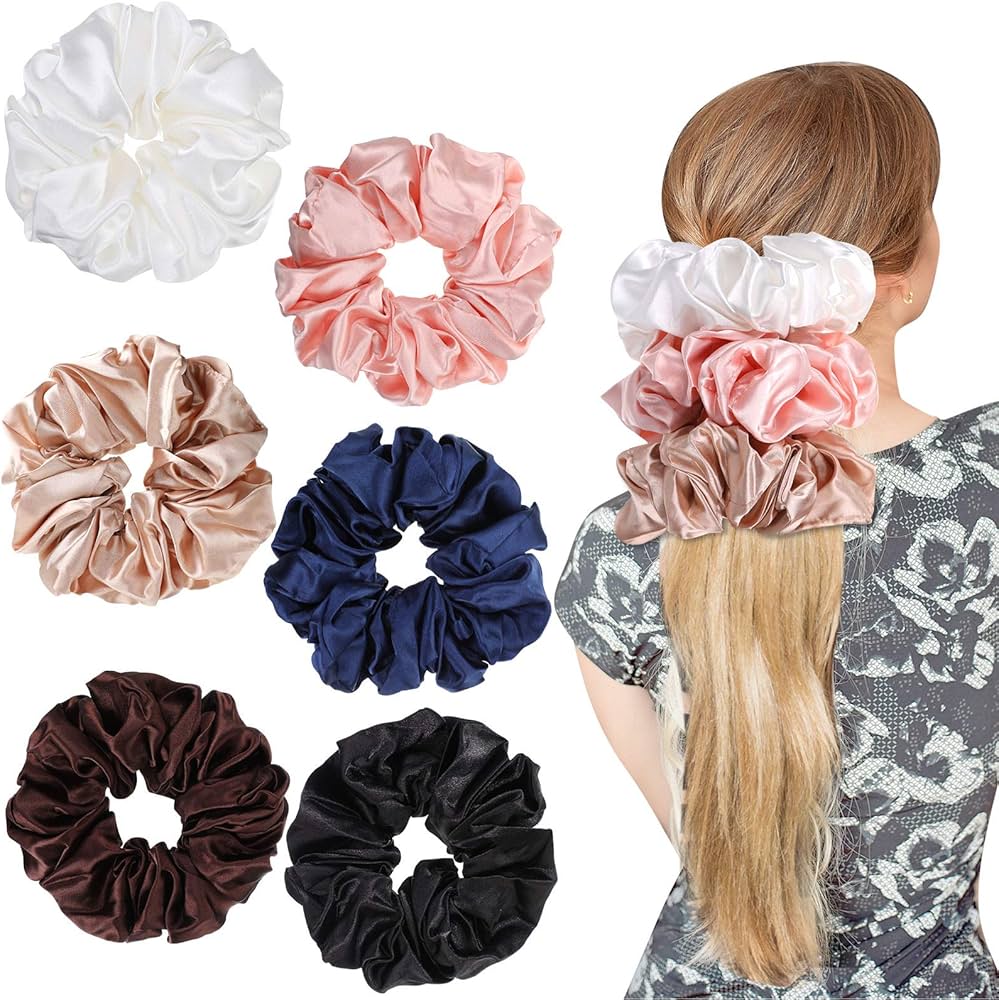
Nighttime care is just as important. Before bed, gather your hair into a loose, high ponytail with a 1 Silk Scrunchie – Gentle & Perfect for All Hair Types, which will not crease or snag your fine strands. This helps prevent the flattening that often happens when you sleep. If you have long hair, you can also twist it into a loose bun on the very top of your head—this creates natural waves and volume for the next day. Sleeping on a silk pillowcase is another excellent investment, as it reduces friction and keeps your hair from getting matted and flat.
Common Mistakes That Flatten Fine Hair (and How to Fix Them)
One of the most common mistakes is over-conditioning. Many people with fine hair automatically use a generous amount of conditioner, thinking they need the moisture. But fine hair gets easily overwhelmed—the conditioner coats each strand, causing them to stick together and lie flat. The fix is simple: use only a coin-sized amount, apply it only to the ends, and avoid the roots entirely. If your hair feels dry, try a leave-in conditioner spray instead, which is lighter and easier to distribute evenly.
Another mistake is using heavy styling products like thick serums, oils, or waxes. These are designed for thick, coarse hair and will instantly flatten fine hair. Even a small amount can weigh down your strands and make them look greasy. Instead, opt for lightweight mousses, sprays, and powders that provide volume without residue. When you do use oil, apply just a drop to the very ends—never to the scalp or mid-lengths. The Hair Growth Oil is ideal for this: a few drops massaged into the scalp before washing can nourish without leaving your hair heavy.
Heat styling without protection is another major issue. Fine hair is more susceptible to heat damage, which can cause breakage and make hair look even thinner. Always use a heat protectant spray before blow-drying, curling, or straightening. Additionally, using a high heat setting can burn the hair and cause them to become brittle and flat. Set your tools to a medium or low heat, and use a heat protectant with ingredients like keratin or argan oil—but in a lightweight formula.
Many people also make the mistake of brushing their hair too much or while it’s wet. Wet hair is at its most fragile, and brushing it can stretch and break the strands, leading to frizz and loss of volume. Use a wide-tooth comb in the shower when your hair is coated with conditioner, or after you’ve applied a leave-in, and then avoid brushing until it’s completely dry. When dry, use a soft-bristle brush or a wide-tooth comb, but be gentle—over-brushing can pull out natural oils from the scalp down the shaft, making hair look greasy and flat.
Finally, some people forget to clean their brushes and tools. Dirty brushes accumulate oil, product buildup, and dead skin, which then gets transferred back onto your hair, weighing it down. Wash your brushes weekly with a mild shampoo and warm water, and let them air dry. Also, check your pillowcases and towels—if they are made of rough cotton, they can cause friction that flattens hair. Switch to a satin or silk pillowcase and a microfiber towel to minimize friction and keep your hair’s volume intact.
Choosing the Right Routine for Your Hair Type and Lifestyle
If you have fine hair that is also dry, you need to be extra careful about adding moisture without weighing it down. Focus on lightweight hydrating products that are water-based, like a leave-in spray with glycerin or aloe. Once a week, use a deep conditioning mask only on the mid-lengths and ends, and rinse thoroughly. Avoid heavy creams and butters. For your scalp, you may still need a mild clarifying treatment to remove buildup, but do not over-wash, as that can strip what little moisture you have.
For oily-scalp fine hair, the emphasis should be on cleansing and balancing. You may need to wash more frequently—perhaps every other day—using a gentle clarifying shampoo. Look for ingredients like tea tree oil or salicylic acid, which help control oil. Avoid applying any products to your scalp, and focus on the lengths. Dry shampoo is your best friend for extending between washes—apply it at night to absorb oil while you sleep, and brush it out in the morning for extra volume.
If your fine hair is also chemically processed (colored or permed), you need to protect your hair from further damage while still adding volume. Use sulfate-free shampoos to preserve color, and always use a heat protectant. Protein treatments can help strengthen the hair, but be careful not to overdo it, as too much protein can make hair stiff and brittle. Alternate a protein treatment with a moisture mask to keep the hair balanced.
For those with a busy lifestyle or low-maintenance preferences, a simple routine is key. You can skip the blow-dryer and let your hair air-dry most of the way, then use a texturizing spray to add volume at the roots. Or, try a no-heat wave technique: braid your hair while damp and sleep on it—you’ll wake up with waves and natural volume. The silk scrunchie is perfect for this, as it won’t leave a crease. And always keep a dry shampoo on hand for quick touch-ups.
If you have fine hair that is also short or layered, you have the advantage of natural body because shorter hair is lighter. However, you still need to avoid heavy products and over-washing. Use a volumizing mousse on damp hair and blow-dry with a round brush for lift. For a quick morning fix, wet your hands, run them through your hair to reactivate the product, and add a little more mousse if needed. This helps revive the style without washing.
No matter your hair type, it’s always a good idea to consult a professional if you’re unsure about the best routine for you. A stylist can assess your hair’s porosity, density, and scalp condition, and recommend specific products and techniques. For more tips on building the right routine for your hair, explore our hair care collection and blog for guidance.
Frequently Asked Questions
How often should I wash fine hair to keep it voluminous?
Most fine-haired people do best washing every other day or every two days. Over-washing strips natural oils, which can cause your scalp to produce more oil to compensate, making hair look greasy and flat faster. Use dry shampoo in between washes to extend volume.
Can I use a hair oil on fine hair?
Yes, but you must be very sparing. Apply just a drop or two to the ends of your hair, never to the scalp or mid-lengths. Choose a lightweight oil like argan or jojoba, and avoid heavy oils like castor or coconut that can weigh hair down.
What is the best way to add volume at the roots?
Use a root-lifting spray on damp hair before blow-drying, and dry your hair upside down. You can also use a volumizing powder or dry shampoo at the roots once hair is dry. Clipping the roots while hair cools helps set the lift.
Written by Mishal Rehman, owner of Flambeauty — sharing practical, professional beauty and skincare guidance.
Updated: August 2026