Discover the best lightweight oils to tame frizz without weighing hair down. Learn key ingredients, application tips, and top picks for Pakistan's humid...
The best oil for reducing frizz without weighing hair down is a lightweight, non-comedogenic oil like argan oil, jojoba oil, or squalane, applied sparingly to damp hair. These oils absorb quickly, seal the cuticle, and provide flexible hold without leaving residue. For best results, warm 2-3 drops between palms and smooth over mid-lengths to ends, avoiding the roots.
Understanding Frizz and Oil Weights
Frizz occurs when the hair’s outer cuticle is lifted, allowing moisture to enter and swell the strands, causing them to become rough and flyaway. In humid climates like Pakistan’s, this is a daily battle. The right oil acts as a barrier, smoothing the cuticle and locking in moisture without making hair greasy. But not all oils are created equal; their molecular weight and composition determine whether they sit on the surface or penetrate deeply.
Heavy oils like coconut oil or castor oil are rich in long-chain fatty acids that coat the hair heavily, which can weigh down fine or thin hair. They are excellent for deep conditioning but are not ideal for daily frizz control on all hair types. On the other hand, lightweight oils have smaller molecules that absorb quickly and provide a silky finish without heaviness. Examples include argan oil, jojoba oil, grape seed oil, and squalane.
When selecting an oil, consider your hair’s porosity. Low-porosity hair has tightly bound cuticles and repels moisture, making it prone to product buildup. High-porosity hair has raised cuticles that absorb moisture quickly but also lose it fast, leading to frizz. Lightweight oils work well for both, but application methods may vary: low-porosity hair benefits from applying oil to slightly damp hair to help absorption, while high-porosity hair can apply on dry hair to seal in moisture.
Another factor is the oil’s comedogenic rating, which measures how likely it is to clog pores. For scalp health, choose oils with a low rating, such as jojoba (2) or argan (0). This prevents buildup and keeps the scalp balanced. Always patch test first to ensure no allergic reaction, especially if you have sensitive skin.
In Pakistan, where humidity can soar, a lightweight oil can be a game-changer. Look for products that combine multiple lightweight oils, as they often provide broader benefits. For instance, a blend of argan and jojoba offers both nourishment and shine without heaviness.
Key Lightweight Oils That Tame Frizz
Several oils stand out for their lightweight texture and frizz-fighting abilities. Argan oil, often called “liquid gold,” is rich in vitamin E and fatty acids that smooth the cuticle and add shine without leaving a greasy film. It absorbs quickly and is suitable for all hair types. Jojoba oil closely mimics the scalp’s natural sebum, making it excellent for balancing oil production and moisturizing without heaviness. It also helps prevent breakage.
Squalane is a saturated hydrocarbon derived from olives or sugarcane. It is incredibly lightweight and non-comedogenic, making it perfect for fine or oily hair. It acts as a moisturizer, sealing in hydration and reducing static. Grape seed oil is another lightweight option, rich in antioxidants and linoleic acid, which nourish the hair without weighing it down. It’s particularly good for those with oily scalps.
Other notable mentions include apricot kernel oil and sunflower oil. Apricot kernel oil is quickly absorbed and high in vitamins A and C, promoting a healthy scalp. Sunflower oil is light and rich in vitamin E, providing a protective barrier against humidity. Each of these oils can be used alone or in blends, but always check the ingredient list for potential allergens.
When shopping, look for pure, cold-pressed oils without added silicones or mineral oils, which can coat the hair and cause buildup. Always patch test first before applying to your entire head. You can find high-quality lightweight oils at our Oils & Serums category, where we curate options suitable for Pakistani hair.
How to Apply Oil for Frizz Control
Applying oil correctly is as important as choosing the right one. Here’s a step-by-step guide to get the best results without weighing down your hair:
Step 1: Start with a small amount. Begin with 1-2 drops for short hair, 2-3 for medium, and 3-4 for long hair. You can always add more, but you cannot remove excess easily.
Step 2: Warm the oil. Rub the drops between your palms to distribute evenly and warm it slightly. This helps the oil spread more evenly and absorb faster.
Step 3: Apply to damp hair. The best time to apply oil is right after washing, when hair is still damp. This locks in moisture and prevents frizz as the hair dries. Smooth the oil over the mid-lengths and ends, avoiding the roots to prevent greasiness.
Step 4: Comb through. Use a wide-tooth comb to distribute the oil evenly from root to tip. This ensures every strand is coated without excess.
Step 5: Style as usual. You can air-dry or blow-dry. If you use heat tools, the oil acts as a heat protectant, reducing damage.
For touch-ups during the day, place a drop on your fingertips and gently smooth over flyaways. This works especially well in humid weather. Remember, patience is key – don’t overdo it.
Common Mistakes to Avoid
Even with the best oil, mistakes can lead to heavy, greasy hair. One common error is applying oil to dry hair before stepping out, which can attract dust and make hair look oily quickly. Instead, apply to damp hair and let it absorb.
Another mistake is using too much oil. A pea-sized drop is often enough for most hair lengths. Using more can make hair look slick and heavy. Start with less and add more if needed.
Applying oil to the scalp can clog pores and cause buildup, especially with heavier oils. Focus on the ends, which are older and more prone to frizz. If you have a dry scalp, consider a separate scalp treatment.
Ignoring your hair type is another pitfall. Fine hair needs very light oils like squalane, while thick, coarse hair can handle slightly heavier oils like argan. Always match the oil to your hair’s needs.
Skipping the patch test can lead to allergic reactions. Even natural oils can cause sensitivity. Always patch test first on a small area of skin behind your ear or inner elbow. Wait 24 hours to see if any reaction occurs.
Finally, using oil as a substitute for conditioner is a mistake. Oil seals in moisture but does not replace the hydrating benefits of a conditioner. Use both in your routine for best results.
Choosing the Right Oil for Your Hair Type
Different hair types respond differently to oils. Here’s a quick guide to help you pick the best lightweight oil for your specific hair:
Fine or Thin Hair
If your hair is fine or thin, you need oils that are extremely light and won’t flatten your roots. Squalane or grape seed oil are excellent choices because they absorb quickly and add shine without weight. Use just 1-2 drops and apply mainly to the ends. Avoid heavy oils like coconut or castor.
Thick or Coarse Hair
Thick or coarse hair can tolerate slightly heavier oils but still benefits from lightweight options for daily use. Argan oil is a great middle ground – it’s rich enough to tame frizz but light enough not to feel greasy. Apply 3-4 drops evenly from mid-length to ends. You can also mix a drop of argan with your leave-in conditioner for extra smoothness.
Curly or Wavy Hair
Curly and wavy hair often needs more moisture to define curls and reduce frizz. Jojoba oil works beautifully as it mimics natural oils and helps define curls without weighing them down. Apply to damp hair, then scrunch gently to enhance curl pattern. For extra hold, you can follow with a gel or mousse.
Color-Treated or Damaged Hair
If your hair is chemically processed or damaged, it may require more nourishment. Argan oil is rich in antioxidants and fatty acids that help repair and protect. Apply a few drops to damp hair, focusing on the most damaged areas. This will help reduce frizz and improve manageability.
Budget-Friendly Options and Where to Find Them
You don’t have to spend a fortune to get effective lightweight oils. Many affordable oils are available in Pakistan, both in local stores and online. For instance, a 30ml bottle of argan oil can cost anywhere from PKR 1,500 to 3,000, depending on the brand. Jojoba oil is similar in price. Squalane is often pricier, but you can find it in serums or blends.
To save money, consider buying larger bottles and transferring small amounts to a travel-sized container. You can also look for multi-purpose oils that work for both hair and skin, like Beauty Care Deal, which offers a bundle of products at a discounted price. This is a great way to try different oils without breaking the bank.

Another budget tip is to use a few drops of a lightweight oil like grapeseed or sunflower, which are often cheaper than argan or jojoba. You can also dilute heavier oils with a lighter one to reduce weight and cost. For example, mix a few drops of castor oil with squalane for a lighter blend.
When shopping, compare prices per milliliter, not just the bottle price. A 100ml bottle of jojoba oil at PKR 2,000 is more economical than a 30ml bottle at PKR 1,500. Also, check online reviews and ask friends for recommendations. Our blog has more tips on choosing hair care products.
Remember, the most expensive oil is not always the best for your hair. Always patch test first and monitor how your hair responds over a week. With the right oil and technique, you can achieve smooth, frizz-free hair without the heaviness.
Final Thoughts on Lightweight Frizz Control
Taming frizz doesn’t have to mean heavy, greasy hair. By choosing a lightweight oil like argan, jojoba, or squalane and applying it correctly, you can enjoy smooth, shiny, and manageable hair even in humid weather. Remember to start with a small amount, apply to damp hair, and focus on the ends. Avoid common mistakes like over-application and applying to the scalp.
Your hair type plays a crucial role in selecting the right oil. Fine hair benefits from ultra-light oils, while thick hair can handle slightly richer ones. Curly hair needs moisture, and damaged hair needs extra nourishment. Always patch test first to avoid adverse reactions.
In Pakistan, where humidity can be a challenge, incorporating a lightweight oil into your routine can make a significant difference. Explore our Oils & Serums collection for products that suit your needs. And if you’re looking for a gentle accessory to reduce friction, consider using a silk scrunchie to minimize breakage and frizz.
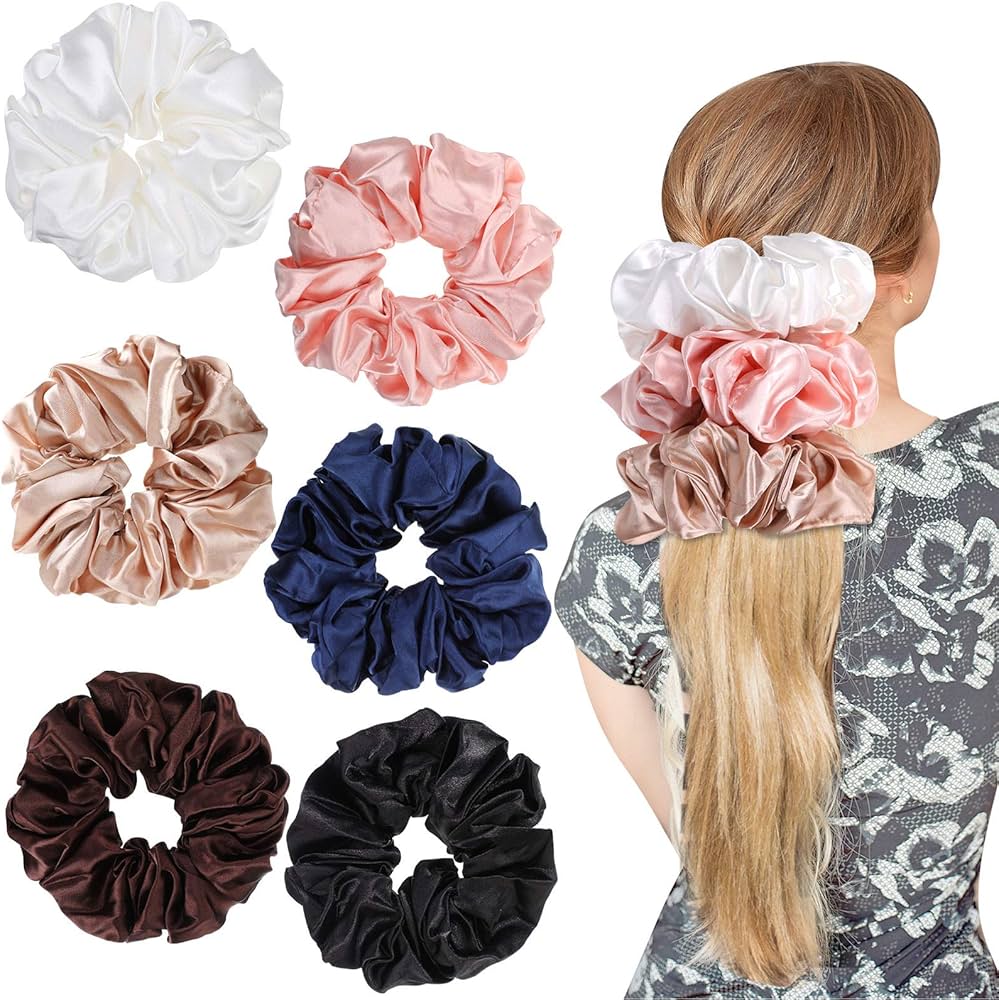
For more hair care tips, check out our blog, where we discuss everything from keeping eyebrows neat to skincare myths. Remember, healthy hair starts with the right care, and a lightweight oil is a simple yet effective step toward frizz-free locks.
Frequently Asked Questions
Can I use coconut oil on fine hair?
Coconut oil is heavy and can weigh down fine hair, making it look greasy. It's better to use lighter oils like argan or squalane for fine hair.
How often should I apply oil to control frizz?
Daily application is fine if you use a small amount. Apply 1-2 drops on damp hair after washing, and touch up with a drop on dry hair as needed.
Will oil make my scalp oily?
If you apply oil only to the ends, it won't affect your scalp. Avoid applying to the roots to prevent greasiness.
What's the best time to apply oil for maximum frizz control?
Apply oil to damp hair right after washing when hair is most absorbent. This seals in moisture and prevents frizz as the hair dries.
Written by Mishal Rehman, owner of Flambeauty — sharing practical, professional beauty and skincare guidance.
Updated: August 2026