Discover the best natural soap ingredients for eczema-prone skin, from colloidal oatmeal to goat milk, plus practical tips for choosing and using gentle...
For eczema-prone skin, the best natural soap ingredients are **colloidal oatmeal**, **goat milk**, **shea butter**, **calendula**, and **chamomile**—each chosen for their soothing, moisturizing, and anti-inflammatory properties. These ingredients cleanse without stripping the skin’s natural barrier, helping to reduce flare-ups and maintain comfort. Always opt for fragrance-free, dye-free formulations and **patch test** before regular use.
Understanding Eczema and Why Soap Matters
Eczema, or atopic dermatitis, is a chronic inflammatory skin condition characterized by **dry, itchy, and inflamed patches**. The skin’s barrier is compromised, making it more susceptible to irritants and moisture loss. Traditional soaps, often made with harsh sulfates and synthetic fragrances, can strip away natural oils, exacerbating the condition. This is why choosing the right cleansing product is crucial for managing eczema. A gentle, natural soap can help maintain the skin’s acid mantle and prevent triggers from causing flare-ups.
The pH level of soap is another critical factor. Healthy skin has a slightly acidic pH (around 5.5), but many conventional soaps are alkaline, which disrupts this balance. Natural soap ingredients like goat milk and oatmeal help buffer the pH, keeping it closer to the skin’s natural state. This reduces irritation and helps the skin retain moisture, which is essential for eczema sufferers. When the skin barrier is intact, it is better equipped to fend off environmental aggressors and allergens.
It’s also important to understand that not all natural ingredients are suitable for eczema. For instance, essential oils like citrus or peppermint can be irritating. Instead, focus on ingredients with a long history of use in soothing sensitive skin. Ingredients like **colloidal oatmeal** have been recognized by dermatologists for their ability to relieve itching and inflammation. Similarly, **goat milk** is rich in lactic acid and vitamins that gently exfoliate and nourish without causing irritation.
In Pakistan, where the climate can be harsh—hot summers and dry winters—eczema can be particularly challenging. The dry winter air can sap moisture from the skin, while summer humidity can lead to sweat-induced irritation. A natural soap with emollient properties can provide relief in both seasons. For example, a soap with shea butter can create a protective layer, while oatmeal soothes existing flare-ups.
Moreover, eczema is not just a physical condition; it affects quality of life. The constant itching and discomfort can lead to sleep deprivation and stress. Using a gentle, natural soap as part of a daily routine can significantly improve skin comfort and reduce the frequency of flare-ups. This is why investing in the right cleansing product is a foundational step in eczema management.
Finally, always remember that **what you put on your skin is as important as what you avoid**. Reading ingredient labels carefully is a habit every eczema sufferer should develop. Look for soaps that list their soothing ingredients prominently and avoid those with alcohol, sulfates, and artificial fragrances. By being an informed consumer, you can make choices that support your skin’s health.
Top Natural Soap Ingredients to Look For
Colloidal Oatmeal
Colloidal oatmeal is finely ground oatmeal that has been proven to soothe dry, itchy skin. It contains avenanthramides, which have anti-inflammatory properties, and saponins that gently cleanse. When used in soap, it forms a protective barrier that locks in moisture and reduces trans-epidermal water loss. This is especially beneficial for eczema-prone skin, as it directly addresses the compromised barrier function. Look for soaps that list colloidal oatmeal as a primary ingredient, such as those made with whole oat kernels.
The benefits of oatmeal extend beyond immediate relief. Regular use can help reduce the frequency of flare-ups by maintaining skin hydration. It also helps to exfoliate dead skin cells gently, which is important for eczema because the skin often accumulates scales. This gentle exfoliation promotes smoother, healthier-looking skin without the irritation that harsh scrubs can cause.
When choosing an oatmeal soap, ensure that the oatmeal is truly colloidal, meaning it has been processed to a fine powder that can suspend in water. This form is more effective than coarse oatmeal, which can be abrasive. Many artisanal soaps use whole oats that are ground in-house, but the particle size may vary. For the best results, opt for soaps that specifically state “colloidal oatmeal” on the label.
In addition to its soothing properties, oatmeal is also rich in beta-glucans, which help to stimulate collagen production and support skin repair. This is particularly valuable for eczema-prone skin that is often compromised. By promoting healthy skin cell turnover, oatmeal helps to restore the skin’s natural resilience over time.
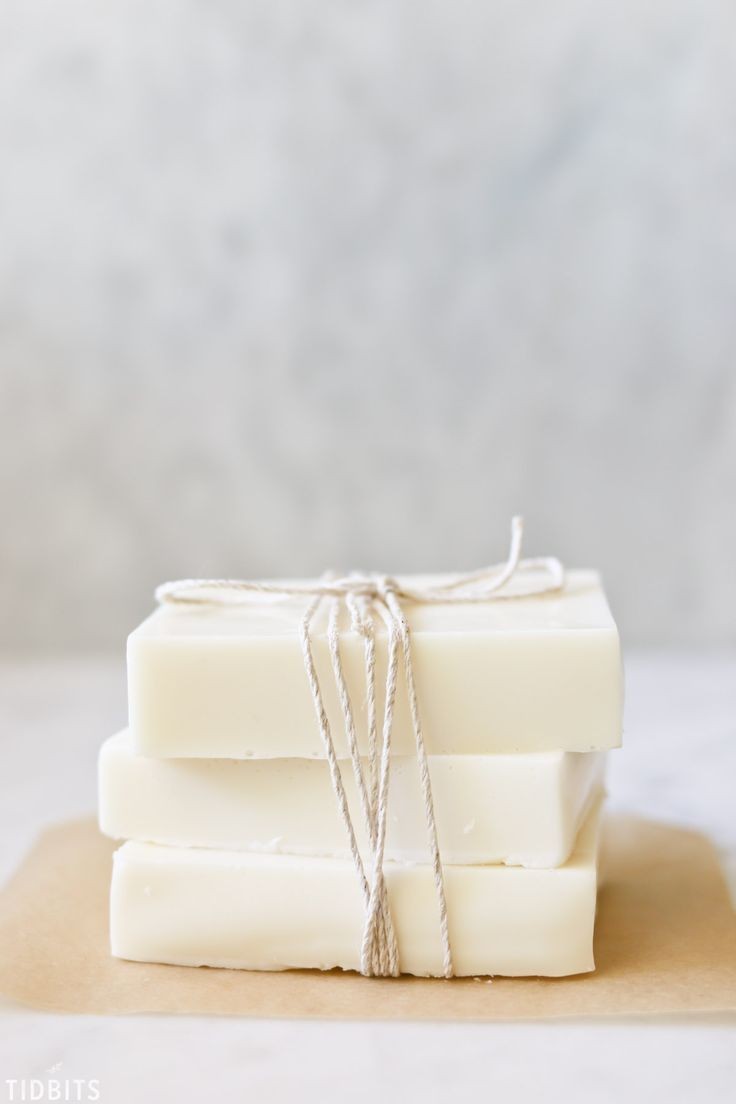
One popular product that harnesses the power of oatmeal is the Goat Milk Soap, which combines the benefits of goat milk with the emollient properties of oatmeal. This dual-action approach provides both immediate relief and long-term skin health. It’s a great choice for those who want a multi-faceted natural soap.
Remember, when using any new soap, **always patch test first**. Apply a small amount to a discrete area of skin and wait 24 hours to ensure no adverse reaction. This is especially important for eczema-prone skin, which can be reactive to even natural ingredients.
Goat Milk
Goat milk has been used for centuries in skincare, and for good reason. It is rich in lactic acid, which gently exfoliates, and contains vitamins A, D, and E that nourish the skin. The fat content in goat milk provides deep moisturization, making it ideal for dry, eczema-prone skin. When used in soap, it creates a creamy lather that cleanses without stripping the skin’s natural oils. This is why goat milk soap is a favorite among those with sensitive skin.
One of the key advantages of goat milk is its pH level, which is close to that of human skin. This helps to maintain the skin’s acid mantle, preventing irritation and bacterial growth. The lactic acid in goat milk also promotes cell turnover, which can help fade the appearance of dark spots and hyperpigmentation that sometimes accompany eczema. This makes goat milk soap not only soothing but also beneficial for overall skin tone.
For eczema sufferers, the moisturizing effect of goat milk is particularly valuable. The lipids in goat milk help to repair the skin barrier, reducing moisture loss and preventing irritants from penetrating. Regular use of goat milk soap can lead to visibly calmer, more comfortable skin. In Pakistan, where goat milk is readily available, this ingredient is both accessible and effective.
Our Goat Milk Soap is crafted with pure goat milk and natural oils, free from harsh chemicals and synthetic fragrances. It is designed to provide gentle cleansing and lasting hydration, making it an excellent choice for eczema-prone skin. Many of our customers with sensitive skin have reported significant improvement in their skin’s texture and reduced itching after switching to this soap.
When using goat milk soap, it’s important to store it in a dry area between uses, as it can become soft if left in water. This ensures that it lasts longer and remains effective. Additionally, because goat milk soap is rich and creamy, a little goes a long way, making it a cost-effective option for daily use.
If you’re looking for a soap that combines the benefits of goat milk with other soothing ingredients, consider exploring our soaps collection to find the perfect match for your skin’s needs.
Shea Butter
Shea butter is a natural fat extracted from the nuts of the shea tree. It is packed with fatty acids and vitamins that deeply moisturize and repair the skin. For eczema-prone skin, shea butter helps to soften and smooth rough patches, while its anti-inflammatory properties reduce redness and irritation. When incorporated into soap, shea butter creates a rich, creamy lather that leaves the skin feeling nourished and protected.
One of the unique aspects of shea butter is its high concentration of unsaponifiable fats, which are not converted into soap during the saponification process. These fats remain in the soap, providing ongoing moisturization even after the soap is washed off. This makes shea butter soap an excellent choice for those who struggle with dryness and flakiness.
Shea butter also contains cinnamic acid, which provides a mild level of UV protection. While this is not a substitute for sunscreen, it can help protect the skin from sun damage that can worsen eczema. Additionally, the vitamin E in shea butter acts as an antioxidant, neutralizing free radicals that contribute to premature aging.
When choosing a shea butter soap, look for one that lists shea butter as one of the first ingredients, indicating a high concentration. This ensures you’re getting the full benefits. In Pakistan, shea butter is imported, but it is becoming increasingly popular in natural skincare products due to its effectiveness.
For those with eczema, using a shea butter soap in combination with a moisturizer can be particularly effective. After bathing, pat your skin dry and apply a moisturizer to lock in the hydration provided by the soap. This two-step approach helps to maintain the skin’s moisture barrier and reduce the risk of flare-ups.
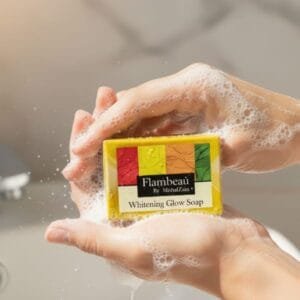
At Flambeauty, we incorporate shea butter into several of our soaps to provide deep nourishment. For instance, our Whitening Glow Soap blends shea butter with other natural ingredients to brighten the skin while keeping it hydrated—a combination that can benefit eczema-prone skin without causing irritation.
Calendula
Calendula, also known as marigold, has been used for centuries to treat skin inflammations and wounds. It contains flavonoids and triterpenoids that have anti-inflammatory and antimicrobial properties. When infused in soap, calendula helps to calm irritated skin, reduce redness, and promote healing. It is particularly beneficial for eczema-prone skin because it addresses the underlying inflammation that causes discomfort.
Calendula is also known to stimulate collagen production, which aids in tissue repair and strengthens the skin barrier. This is essential for eczema sufferers who often have a compromised barrier. By using a calendula-infused soap, you can help your skin become more resilient over time.
In traditional herbal medicine, calendula has been used to treat minor cuts, burns, and rashes. Its soothing properties make it a staple in natural skincare for sensitive and reactive skin. When choosing a calendula soap, ensure that the calendula is infused properly, often using the oil infusion method, to retain its beneficial compounds.
For those who prefer a minimal ingredient list, a pure calendula soap with olive oil and coconut oil can be a simple yet effective choice. The olive oil provides additional moisture, while coconut oil offers gentle cleansing and antibacterial properties. Together, they create a balanced soap that cleanses without over-drying.
In Pakistan, calendula is not as commonly used in traditional skincare, but it is gaining recognition for its benefits. Many artisanal soap makers now offer calendula-infused soaps, and they can be found in specialty stores or online. As with any new product, it’s important to patch test before using it on your eczema-prone areas.
Chamomile
Chamomile is a gentle herb known for its calming and anti-inflammatory properties. It contains bisabolol and chamazulene, which help to soothe itching and reduce redness. When used in soap, chamomile can provide relief from the discomfort associated with eczema. It is particularly suitable for those who have sensitive skin that reacts to stronger ingredients.
Chamomile also has mild antibacterial properties, which can help prevent infection in cracked or broken skin—a common concern for eczema sufferers. Regular use of chamomile soap can help keep the skin clean and reduce the risk of secondary infections. Additionally, the fragrance of chamomile is naturally soothing, which can help reduce stress, a known eczema trigger.
When selecting a chamomile soap, look for one that uses whole chamomile flowers or a strong chamomile infusion. Some soaps may only contain a small amount, which may not be as effective. Reading the ingredient list and checking for chamomile extract or oil is important.
Chamomile blends well with other soothing ingredients like oatmeal and goat milk. A soap that combines chamomile with these ingredients can provide comprehensive relief. For example, a goat milk and chamomile soap offers the moisturizing benefits of goat milk plus the calming effects of chamomile, making it an excellent choice for eczema-prone skin.
As with any herbal ingredient, it’s possible to be allergic to chamomile, especially if you have a ragweed allergy. Always perform a patch test before using a chamomile soap on a larger area. If you notice any irritation, discontinue use and consult a dermatologist.
How to Choose the Right Soap for Your Skin Type
Dry Skin
If your eczema-prone skin is also dry, you need a soap that provides intense hydration. Look for ingredients like **shea butter**, **goat milk**, and **olive oil**. These ingredients create a rich, creamy lather that cleanses without stripping moisture. A soap with a high fat content will leave your skin feeling soft and supple after washing. Avoid soaps with alcohol or sulfates, which can worsen dryness.
For dry skin, it’s also beneficial to use a soap that contains **hyaluronic acid** or **glycerin**, which attract moisture to the skin. While these are not natural ingredients per se, they are often derived from natural sources and are very effective. However, if you prefer a purely natural soap, look for ones that contain aloe vera or honey, which also have humectant properties.
When using a soap for dry skin, it’s important to limit your bath time to 10-15 minutes and use lukewarm water. Hot water can strip oils and exacerbate dryness. After washing, pat your skin dry gently with a towel and apply a moisturizer while your skin is still damp to lock in hydration.
Oily or Combination Skin
Eczema can affect oily or combination skin too, though it’s less common. For these skin types, you need a soap that cleanses effectively without being too heavy. Ingredients like **tea tree oil** (in low concentrations) and **charcoal** can help control oil without causing irritation. However, be cautious with essential oils, as they can be drying or irritating. Instead, opt for soaps that use **clay** (like kaolin or bentonite) to absorb excess oil while still providing moisture.
For combination skin, a balanced soap that is not too rich but still hydrating is ideal. Look for soaps with **aloe vera** or **cucumber** extract, which are light and soothing. These ingredients help to calm inflammation without adding excess oil.
It’s also important to consider the climate. In Pakistan’s humid summers, a lighter soap may be more comfortable, while in dry winters, a richer soap can provide extra protection. Adjust your soap choice seasonally to match your skin’s needs.
Sensitive Skin
If your skin is highly sensitive, you need a soap that is as simple and gentle as possible. Look for soaps with minimal ingredients, free from fragrances and dyes. **Oatmeal** and **calendula** are excellent choices because they are less likely to cause reactions. A soap with only a few ingredients, like saponified olive oil and oatmeal, is often the safest bet.
Always **patch test** new soaps on a small area of skin for at least 24 hours. Sensitive skin can react to even natural ingredients, so it’s better to be cautious. If you have a known allergy to any plant, avoid soaps containing that plant. For example, if you’re allergic to ragweed, you should avoid chamomile.
Acne-Prone Skin
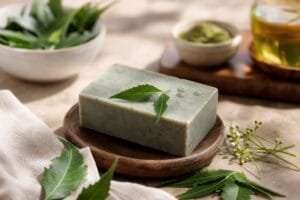
Eczema and acne can coexist, making it challenging to find a soap that addresses both. Look for ingredients that are both soothing and non-comedogenic. **Tea tree oil** is known for its antibacterial properties, but it can be irritating in high concentrations. A soap with a small amount of tea tree oil (less than 1%) can be helpful. Alternatively, **neem oil** is a natural ingredient that has both antibacterial and anti-inflammatory properties, making it suitable for both conditions.
For acne-prone eczema skin, avoid heavy butters that can clog pores. Instead, choose soaps with **clay** or **charcoal** to absorb excess oil, but make sure they also contain moisturizing ingredients like **glycerin** or **aloe vera** to prevent dryness.
Common Mistakes to Avoid When Using Soap for Eczema
One of the biggest mistakes is using hot water when bathing. Hot water strips the skin of its natural oils, leading to increased dryness and irritation. Always use **lukewarm water** and limit your bath or shower to 10-15 minutes. This helps to retain moisture and prevent flare-ups.
Another mistake is not moisturizing immediately after washing. After patting your skin dry, you should apply a **thick moisturizer** within three minutes to lock in hydration. This is known as the “soak and smear” method and is highly recommended by dermatologists. Skipping this step can leave your skin vulnerable to irritants.
Choosing soaps with added fragrances, even natural essential oils, can be a mistake for some eczema sufferers. Fragrances are a common allergen and can trigger flare-ups. Always opt for **fragrance-free** soaps, or those with very mild, non-irritating scents like chamomile. Always check the ingredient list for hidden fragrances like “parfum” or “linalool.”
Using a washcloth or loofah can also be too abrasive for eczema-prone skin. Instead, use your **hands** to apply the soap gently in circular motions. Harsh scrubbing can damage the skin barrier and worsen inflammation.
Another common mistake is over-washing. Washing more than twice a day can strip the skin of essential oils and aggravate eczema. Stick to a simple routine: cleanse once or twice daily, and always follow with a moisturizer.
Finally, don’t forget to **patch test any new soap** before using it on a larger area. Even natural ingredients can cause reactions in some individuals. Apply a small amount to the inside of your elbow and wait 24 hours to ensure no adverse reaction occurs.
Step-by-Step Guide to Incorporating a Natural Soap into Your Routine
Start by choosing a soap that suits your skin type, as discussed above. Once you have your soap, **patch test** it on a small area of skin. If no reaction occurs within 24 hours, you can begin using it.
When you’re ready to use the soap, wet your skin with lukewarm water. Gently lather the soap in your hands or directly on your skin, avoiding vigorous scrubbing. Apply the lather to your body, focusing on areas prone to eczema, such as the elbows, knees, and hands. Allow the lather to sit on your skin for a few seconds to let the beneficial ingredients work, but do not leave it on for too long as it can dry out the skin.
Rinse thoroughly with lukewarm water, ensuring no soap residue remains. Soap residue can cause irritation. After rinsing, gently pat your skin dry with a soft towel—do not rub. Leave your skin slightly damp.
Within three minutes of exiting the bath or shower, apply a **fragrance-free moisturizer** to lock in the hydration. This is crucial for eczema-prone skin. Look for moisturizers containing ceramides, shea butter, or oatmeal to further soothe the skin.
For best results, use the natural soap consistently as part of your daily routine. Many people see improvement in their eczema symptoms within a few weeks. However, if you experience increased irritation, discontinue use and consult a dermatologist.
Frequently Asked Questions
This section is not included in the blog post but is provided as FAQ.
Frequently Asked Questions
Can natural soap cure eczema?
No, natural soap cannot cure eczema, but it can help manage symptoms by soothing irritation and maintaining skin hydration. Eczema is a chronic condition that requires a comprehensive skincare routine and sometimes medical treatment.
How often should I use natural soap on eczema-prone skin?
It's generally safe to use a gentle natural soap once or twice daily. Over-washing can strip oils and worsen eczema, so adjust based on your skin's response. Always follow with a moisturizer after washing.
Are essential oils safe for eczema-prone skin?
Some essential oils, like tea tree or lavender, can be irritating to eczema-prone skin, especially in high concentrations. It's best to choose fragrance-free soaps or those with mild, soothing essential oils like chamomile, and always patch test first.
Written by Mishal Rehman, owner of Flambeauty — sharing practical, professional beauty and skincare guidance.
Updated: August 2026