Discover effective nail care tips for naturally shiny, healthy-looking nails. Learn about essential habits, ingredients, common mistakes, and more for...
For naturally shiny, healthy-looking nails, focus on consistent hydration, gentle care, and a balanced diet. Regularly moisturize your nails and cuticles with nourishing oils, avoid harsh chemicals and excessive filing, and protect your nails from trauma. Incorporate biotin-rich foods and consider a strengthening serum. With these practices, you can enhance your nails’ natural luster and strength without relying on polish or artificial treatments.
Essential Habits for Naturally Shiny Nails
Shiny, healthy-looking nails start with daily routines that protect and nourish the nail plate. One of the most important habits is to keep your nails and cuticles well-hydrated. Just like your skin, nails can become dry and brittle when they lack moisture. Apply a rich hand cream or cuticle oil after every hand wash, especially in dry climates or during winter months. In Pakistan, where humidity levels can fluctuate dramatically, using a nourishing oil like jojoba or almond oil can make a visible difference in your nail’s natural sheen.
Another crucial habit is to avoid using your nails as tools. Opening cans, scraping off stickers, or typing aggressively can cause micro-trauma to the nail plate, leading to peeling, splitting, and a dull appearance. Always use appropriate tools like a letter opener or a keyboard with soft keys. Additionally, wear gloves when doing household chores that involve water or harsh cleaning agents. Prolonged exposure to water and detergents strips the natural oils from your nails, leaving them dry and lackluster.
Regular gentle filing is also part of essential nail care. Use a fine-grit glass file and file in one direction, not back-and-forth, to prevent fraying and breakage. Shape your nails to a rounded or squoval shape, which is less prone to snagging than sharp points. Over-filing can thin the nail, so be gentle and avoid filing the top surface of the nail to buff, as this can weaken it. Instead, rely on natural shine and healthy habits.
Finally, maintain a balanced diet rich in vitamins and minerals. Biotin, zinc, and iron are particularly important for nail strength. Foods like eggs, nuts, leafy greens, and lean meats can support keratin production, the protein that makes up nails. If your diet lacks these nutrients, consider a supplement after consulting with a healthcare provider. Remember, healthy nails grow from within, and shine is often a reflection of overall health.
Step-by-Step Nail Care Routine for Shine
To achieve and maintain naturally shiny nails, follow a simple yet effective routine. Start by gently cleaning your nails with a mild soap and warm water. Avoid soaking your nails for long periods, as this can dry them out. Pat them dry with a soft towel, and then push back your cuticles gently with a cuticle pusher. Never cut cuticles, as they are a protective barrier; trimming them can lead to infections and damage the nail matrix.
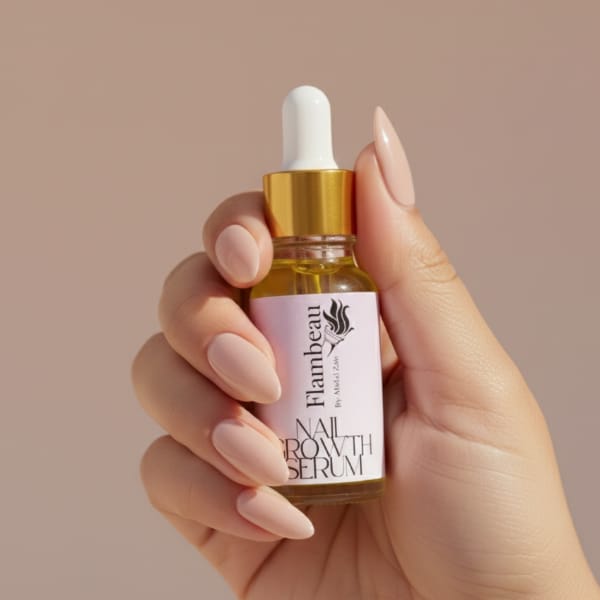
Next, apply a nourishing cuticle oil or a rich balm to the base of each nail and massage it in for a minute. This stimulates circulation and promotes healthy nail growth. You can use a product like the Nail Growth Serum – Helps Nails Grow Stronger, Healthier, which is formulated with ingredients that support nail strength and appearance. Massaging the oil into the nail plate itself can also enhance its natural luster.
After applying oil, moisturize your hands and nails with a hydrating hand cream. Look for ingredients like shea butter, glycerin, or hyaluronic acid, which attract and retain moisture. Pay special attention to the nail beds and cuticles. If you’re prone to dry hands, carry a travel-size hand cream in your bag and reapply throughout the day, especially after washing your hands.
Once a week, treat your nails to a gentle exfoliating scrub for your hands and nails. Mix a teaspoon of sugar with a few drops of olive oil and gently massage over your nails and hands for two minutes. Rinse with lukewarm water and pat dry. This removes dead skin cells and improves circulation, leaving your nails looking brighter. Follow up with a thick layer of cuticle oil or petroleum jelly and wear cotton gloves overnight for a deep conditioning treatment.
For an extra boost, consider incorporating a strengthening treatment into your routine. Products containing keratin or calcium can help fortify the nail structure over time. Apply a treatment base coat if you wear nail polish, or use a serum like the one mentioned above. Consistency is key—use these treatments regularly for several weeks to see noticeable improvements in nail health and shine.
Common Mistakes That Dull Your Nails
Many people inadvertently make mistakes that prevent their nails from being shiny and healthy. One of the most common is overusing nail polish remover, especially those containing acetone. Acetone is extremely drying and can strip the natural oils from your nails, leaving them dull and brittle. If you must use polish remover, opt for an acetone-free formula and limit its use. Always moisturize immediately after removing polish.
Another mistake is biting or picking at your nails and cuticles. This habit causes physical damage, leading to uneven surfaces and a rough appearance. It also increases the risk of infections. To break the habit, keep your nails trimmed and filed, and apply a bitter-tasting nail polish if necessary. Stress management techniques can also help reduce the urge to bite.
Using your nails as tools is a frequent error, as mentioned earlier. It can cause chips and splits that require filing, which further thins the nail. Similarly, excessive buffing to achieve shine is a mistake. While buffing can temporarily polish the nail, doing it too often or with a coarse buffer removes the top layers of the nail, making them weaker and more susceptible to damage. Instead, rely on a gentle buffer only once or twice a month, if at all.
Ignoring signs of dryness and damage is another pitfall. If you notice peeling, ridges, or discoloration, it’s important to address them early. Don’t ignore persistent nail changes—they could indicate underlying health issues. Moisturize regularly and consider a strengthening treatment. If problems persist, consult a dermatologist or healthcare professional.
Finally, exposing your nails to harsh chemicals without protection is a common oversight. Cleaning supplies, dish soap, and even some hand sanitizers can be harsh. Always wear rubber gloves when cleaning, and choose hand sanitizers with moisturizers. This simple step can prevent dryness and keep your nails looking naturally shiny.
Choosing the Right Nail Care Products and Ingredients
When selecting nail care products, it’s essential to look for ingredients that nourish and protect, not harm. Avoid products with formaldehyde, toluene, and dibutyl phthalate (DBP), which are common in some nail polishes and hardeners but can cause brittleness and discoloration. Instead, choose nail care items labeled “3-free” or “5-free” to minimize exposure to harsh chemicals.
For cuticle oils and creams, look for ingredients like jojoba oil, vitamin E, and lanolin. Jojoba oil is particularly effective because it mimics the skin’s natural sebum, helping to moisturize deeply. Vitamin E is an antioxidant that supports skin and nail health. Lanolin is a rich emollient that seals in moisture. Products with these ingredients can significantly improve the appearance of your nails over time.
If you’re looking for a targeted treatment, consider a nail growth serum that contains biotin, keratin, or peptides. These ingredients can help strengthen the nail structure and promote healthier growth. The Nail Growth Serum – Helps Nails Grow Stronger, Healthier is an excellent option, as it combines these beneficial ingredients in a convenient application.
When it comes to nail polish, choose a strengthening base coat that creates a protective barrier. This can prevent staining and reduce the risk of breakage. Also, consider using a top coat with UV filters to protect your nails from sun damage, which can make them yellow and dull. Remember, even though polish can enhance shine, it’s the health of the natural nail that matters most.
For those on a budget, you don’t need to splurge on expensive products. Many affordable options are available. Simple ingredients like coconut oil, olive oil, and petroleum jelly can be used as effective moisturizers. You can even make your own DIY cuticle oil by mixing a few drops of essential oil with a carrier oil. The key is consistency and choosing products that suit your nail type and needs.
Nail Care Routine for Different Nail Types
Just as with skin, nails can be categorized into different types, and understanding yours can help tailor your care routine. Dry and brittle nails are common, especially in arid climates or with frequent exposure to water. For these nails, focus on intensive moisturization. Apply thick creams or oils multiple times a day, and consider overnight treatments with gloves. Avoid soaking in water and use mild, moisturizing soaps.
Soft and peeling nails often result from over-hydration or lack of certain nutrients. If your nails bend easily and peel in layers, you may need to limit water exposure and use a nail hardener sparingly. Incorporate foods rich in calcium and vitamin D, and consider a biotin supplement. Be gentle with filing and avoid using your nails as tools.
Normal nails are generally strong and flexible, but they still require maintenance. Keep them hydrated with regular moisturizer, and trim and file them as needed. Use a strengthening treatment occasionally to maintain their health. You can also enjoy nail polish, but always use a base and top coat to protect them.
For sensitive nails that react to many products, choose fragrance-free and hypoallergenic options. Stick to simple, natural ingredients and patch test new products before applying them fully. If you have a history of nail infections or allergies, consult a dermatologist before trying new treatments.
In Pakistan, where humidity and weather can vary, adapt your routine accordingly. In monsoon season, nails may become softer and more prone to peeling, so reduce water exposure and use a nail hardener. In winter, dryness is a bigger concern, so increase moisturizing frequency. Listening to your nails and adjusting your routine ensures they stay shiny and healthy year-round.
Lifestyle and Diet Tips for Healthier Nails
Your nails reflect your overall health, so it’s crucial to adopt lifestyle habits that support well-being. Stay hydrated by drinking plenty of water. Dehydration can make nails brittle and dull. Aim for at least eight glasses a day, and more if you’re active or live in a hot climate. Herbal teas and watery fruits like watermelon can also contribute to your fluid intake.
Eat a balanced diet rich in protein, vitamins, and minerals. Biotin, found in eggs, almonds, and sweet potatoes, is especially beneficial for nail strength. Zinc, present in chickpeas and pumpkin seeds, supports cell growth and repair. Iron deficiency can cause spoon-shaped nails, so include iron-rich foods like spinach and lentils in your meals. Omega-3 fatty acids from fish or flaxseeds help keep nails lubricated.
Regular exercise improves blood circulation, which delivers nutrients to your nail beds and promotes growth. Even a daily walk can make a difference. Avoid smoking and excessive alcohol consumption, as both can negatively impact nail health by reducing oxygen supply and depriving the body of essential nutrients.
Manage stress through practices like meditation, yoga, or deep breathing. Chronic stress can trigger habits like nail biting and also affect hormone levels, which can impact nail growth. Prioritize sleep to allow your body to repair and regenerate cells, including those in your nails.
Finally, protect your nails from environmental damage. Wear gloves in extreme weather, and apply sunscreen to your hands to prevent UV damage. If you’re outdoors often, especially in Pakistan’s sunny climate, this simple step can preserve your nails’ natural shine.
For more personalized tips and product recommendations, explore our beauty blog or check out our nail care category. You can also read about traditional beauty secrets like Gram Flour (Besan) for Skin or compare handmade vs commercial soap for sensitive skin. For authoritative guidance, the American Academy of Dermatology offers excellent nail care secrets.

Frequently Asked Questions
How often should I apply cuticle oil for shiny nails?
For best results, apply cuticle oil at least once or twice daily, ideally after washing your hands and before bedtime. Consistent hydration is key to maintaining natural shine and preventing dryness.
Can nail polish make my nails less shiny naturally?
Yes, frequent use of nail polish, especially with harsh removers, can strip natural oils and dull the nail surface. To maintain natural shine, take breaks from polish and always use a nourishing base coat.
What foods should I eat for stronger, shinier nails?
Incorporate biotin-rich foods like eggs and almonds, zinc from chickpeas, iron from spinach, and omega-3 fatty acids from fish. A balanced diet supports keratin production, improving nail strength and luster.
How can I fix brittle nails naturally?
Moisturize your nails and cuticles daily with oils like jojoba or vitamin E. Avoid harsh chemicals, wear gloves for chores, and consider a strengthening serum. Patience is key—improvements take several weeks.
Written by Mishal Rehman, owner of Flambeauty — sharing practical, professional beauty and skincare guidance.
Updated: August 2026