Discover why handmade soap often wins for sensitive skin in Pakistan's climate. Compare ingredients, pH, glycerin, and learn how to choose the gentlest bar...
For sensitive skin, handmade soap is generally better than commercial soap because it retains natural glycerin, uses gentler ingredients, and often has a balanced pH, while commercial bars may strip moisture and contain harsh detergents and synthetic fragrances. However, not all handmade soaps are equal, and some commercial options can be suitable if carefully formulated. Always patch test first and look for simple, skin-friendly ingredients.
What Makes Handmade Soap Different from Commercial Soap
Handmade soap is created through the saponification process, where natural oils and fats react with an alkali, such as sodium hydroxide, to produce soap and glycerin. In traditional cold-process soapmaking, the glycerin—a natural humectant that draws moisture into the skin—is left intact. This is a key difference: commercial soap manufacturers often extract glycerin to sell separately in creams and lotions, leaving the soap without that moisturizing benefit. For someone with sensitive skin, that missing glycerin can mean the difference between a bar that leaves your skin feeling tight and itchy versus one that feels soft and comfortable.
Commercial soap bars, especially those labeled as “beauty bars” or “deodorant bars,” may not even be true soap. Many contain synthetic surfactants like sodium lauryl sulfate (SLS) or sodium laureth sulfate (SLES), which are harsh detergents that can disrupt the skin barrier. They also frequently include artificial fragrances, dyes, and preservatives—all common triggers for irritation, redness, and contact dermatitis. Even “pH balanced” claims can be misleading, as many commercial bars are still too alkaline, with a pH of 9-10, whereas healthy skin sits at a pH of about 4.5-5.5.
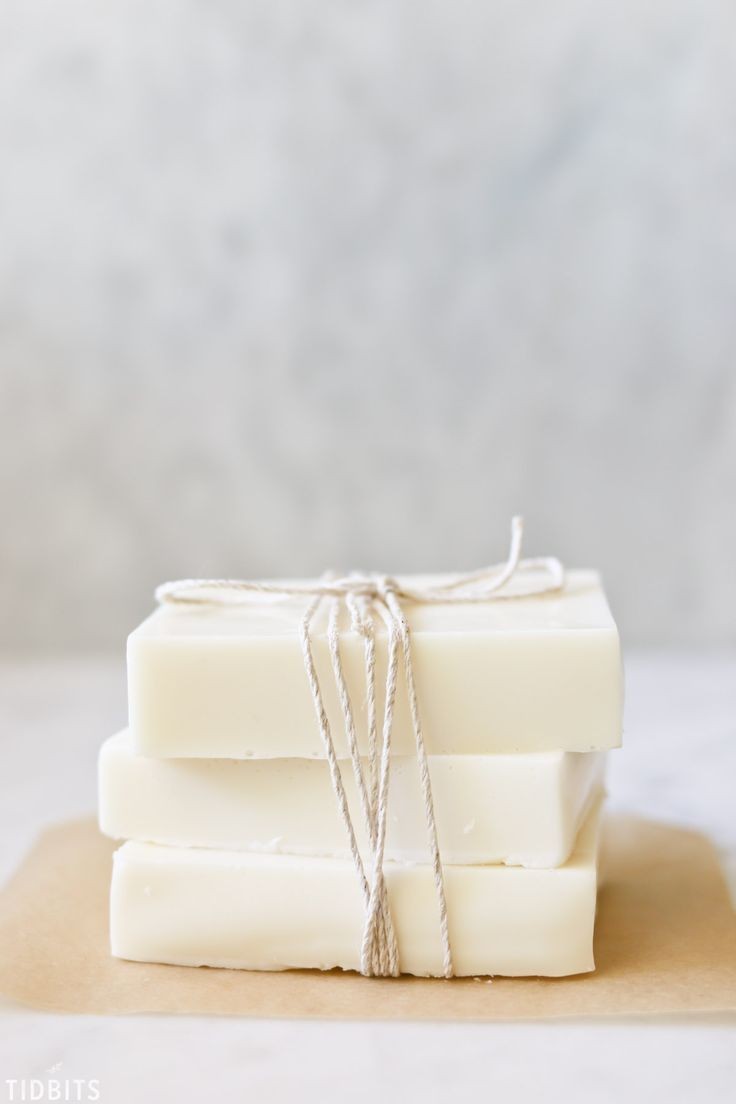
Handmade soaps, on the other hand, often use a superfatting process, leaving a small percentage of unsaponified oils that provide extra conditioning. Ingredients like goat milk, shea butter, olive oil, or coconut oil are chosen for their skin-loving properties. For example, Goat Milk Soap is a classic handmade option that many with sensitive skin find soothing due to its lactic acid content, which gently exfoliates, and its creamy, moisturizing lather.
However, it’s important to note that not all handmade soap is created equal. Some artisan soaps can be overly high in lye (if not properly cured) or contain essential oils that are irritating at high concentrations. The curing process is also crucial: a well-cured soap (4-6 weeks) is milder than a freshly made one. So while the general rule holds, it’s essential to choose your handmade soap carefully, checking the ingredient list and the maker’s reputation.
In Pakistan’s humid climate, sensitive skin can be particularly reactive to heavy fragrances and drying ingredients. Many commercial bars sold locally are imported or mass-produced and may not account for our weather. Handmade soaps from local brands like Flambeauty are often crafted with the local climate in mind, using traditional recipes that have been used for generations. This cultural familiarity can also mean fewer surprises for your skin.
Ultimately, the choice between handmade and commercial soap isn’t just about the label—it’s about what’s actually in the bar. By understanding the chemistry behind both, you can make an informed decision that prioritizes your skin’s health.
How to Choose the Right Soap for Sensitive Skin
When shopping for soap for sensitive skin, the first rule is to always patch test first. Apply a small amount of lather to a discreet area, like behind your ear or on your inner arm, and wait 24 hours to see if any redness, itching, or bumps appear. This is non-negotiable, even for natural products, because everyone’s skin reacts differently.
Next, read the ingredient list like a detective. Look for simple, recognizable ingredients—oils, butters, and natural additives. Avoid anything with “fragrance” or “parfum” listed, as these can hide dozens of undisclosed chemicals. Also steer clear of sulfates, parabens, and synthetic dyes. If you see a long list of scientific-sounding names, it’s likely a commercial detergent bar, not a true soap.
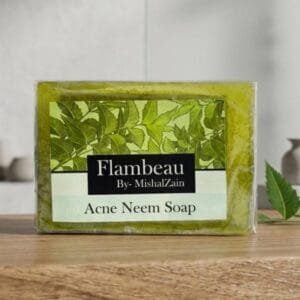
Consider your skin type beyond just “sensitive.” If you have dry, flaky patches, look for soaps with extra moisturizing agents like goat milk, shea butter, or aloe vera. If you’re prone to acne with sensitivity, a soap with neem or tea tree oil might help—Acne Neem Soap for Pimples, Oil Control & Deep Skin Cleansing is a handmade option that many find gentle yet effective for breakouts. For oily but sensitive skin, avoid heavy butters that might clog pores; opt for a balanced bar with a high-quality oil blend.
Check the pH level if the brand provides it. A soap with a pH between 5 and 7 is ideal for sensitive skin, as it’s closer to your skin’s natural acidity. Many handmade soaps naturally fall in the 8-9 range, which is still acceptable for most people, but if you’re very reactive, you might prefer a syndet bar (a synthetic detergent bar) that’s specifically formulated to be pH 5.5—though these are not technically “soap.”
Look for certifications or transparency. Brands that openly share their ingredients, curing times, and superfat percentages are more trustworthy. For example, Flambeauty lists all ingredients and provides clear descriptions of their soaps’ benefits. This transparency helps you make an educated choice.
Finally, don’t forget that your soap is just one part of your routine. Even the best soap can’t fix everything if you’re using harsh scrubs or skipping moisturizer. Pair your gentle soap with a suitable moisturizer to lock in hydration, and always pat your skin dry rather than rubbing, to minimize irritation.
Step-by-Step: Transitioning from Commercial to Handmade Soap
If you’re used to commercial soap, switching to handmade can cause a temporary adjustment period. This is normal, but you can minimize it with a gradual transition. Start by using the handmade soap only on your body first, while keeping your face on your usual cleanser. This lets your skin get used to the new product without the risk of a full-face reaction.
After a few days, if your body skin feels fine, try using the handmade soap on your face in the evening, but keep your morning cleanser as is. Watch for any signs of tightness, redness, or breakouts. Some people experience a “purging” of impurities when switching to more natural products, which can look like small breakouts, but this usually subsides within two weeks.
During the transition, always use lukewarm water, not hot, because hot water strips oils and can exacerbate sensitivity. Lather the soap in your hands rather than rubbing the bar directly on your skin, which can be too abrasive if the bar has textured edges. Gently massage the lather onto your skin for no more than 30 seconds, then rinse thoroughly.
Immediately after drying, apply a moisturizer while your skin is still slightly damp. This helps seal in water and reinforces your skin barrier. If you’re using a handmade soap that’s rich in glycerin, you might find you need less moisturizer than before, but don’t skip it entirely, especially in dry or air-conditioned environments.
Keep a skincare diary during the first month. Note the date, the soap you used, and any reactions. This will help you identify if the soap is truly compatible or if you need to try a different formula. For instance, if you develop itchiness, you might be sensitive to a particular essential oil in that soap. Try a minimal ingredient bar like pure goat milk soap to isolate the cause.
If at any point you experience severe irritation, stop using the product and consult a dermatologist. Most reactions are mild and resolve on their own, but it’s better to be safe. Remember, your skin’s health is the priority, not finishing a bar of soap.
Common Mistakes to Avoid with Soap for Sensitive Skin
One of the biggest mistakes is over-washing. Even with a gentle soap, washing your face more than twice a day strips your skin’s natural oils, leading to rebound oiliness or dryness. For sensitive skin, once a day with soap and once with just water is often enough, unless you’re sweaty or dirty.
Another common error is assuming that all “natural” ingredients are safe. Essential oils, while plant-derived, can be potent allergens. For example, citrus oils can cause photosensitivity, and peppermint can be cooling but irritating to broken skin. Always dilute or choose soaps with lower concentrations of essential oils, and avoid them entirely if you have known allergies.
Using soap that has been improperly stored is also a problem. Handmade soaps, especially those with glycerin, can become soft and mushy if left in a wet dish. They can also grow mold or bacteria if not kept in a dry, ventilated area. Always use a draining soap dish and let the bar dry completely between uses. If your soap turns orange or develops dark spots, it may be rancid—discard it.
Many people also make the mistake of using the same soap on their face and body without considering differences. Facial skin is more delicate than body skin, so a bar that’s fine for your body might be too harsh for your face. If you have sensitive facial skin, look for a soap specifically formulated for the face, or test the bar on your jawline first.
Ignoring water hardness is another overlooked issue. In areas with hard water, soap can react with minerals to form a residue that feels sticky and can clog pores. If you notice this, you might need to rinse with bottled or filtered water, or use a soap that lathers well despite hardness. Alternatively, a synthetic cleanser might be a better choice for hard water areas.
Finally, don’t fall for the myth that “more lather means better cleaning.” Excessive bubbles often come from harsh surfactants. A gentle handmade soap may produce a creamy, low lather, but it still cleans effectively while preserving your skin’s moisture. Trust the quality over the foam.
Soap for Different Sensitive Skin Types
Sensitive skin isn’t one-size-fits-all. For dry and sensitive skin, you need extra emollients. Look for soaps with high superfat percentages (at least 5-10%), and ingredients like goat milk, shea butter, cocoa butter, or avocado oil. These provide a protective barrier and prevent moisture loss. In Pakistan’s dry winter months, such a soap can be a lifesaver.
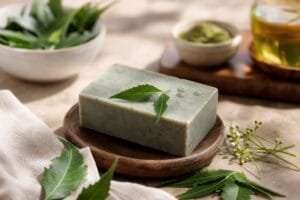
For oily and sensitive skin, the challenge is balancing oil control without stripping. A soap with neem, tea tree, or charcoal can help absorb excess oil while reducing bacteria. However, these can be drying, so pair with a lightweight, non-comedogenic moisturizer. Our Acne Neem Soap is a great choice for this skin type, as it cleanses deeply without the harshness of commercial acne washes.
If you have combination sensitive skin, you might have an oily T-zone and dry cheeks. In this case, use a gentle, balanced soap all over, but apply a richer moisturizer to dry areas. Avoid soaps with heavy oils that might break you out, but also avoid those with strong degreasing agents. A simple olive oil or goat milk soap often works well.
For acne-prone sensitive skin, the priority is to avoid clogging pores and reducing inflammation. Soaps with salicylic acid (from willow bark) or benzoyl peroxide (rare in handmade soaps) can help, but they can also irritate. Neem, turmeric, and tea tree are natural alternatives that are antibacterial and anti-inflammatory. Our neem soap is formulated for this exact need, and many users with sensitive, acne-prone skin find it soothing.
If your sensitivity is due to conditions like eczema or rosacea, you should be even more cautious. Look for soaps with colloidal oatmeal, which calms itching, or chamomile, which reduces redness. Avoid any soap with exfoliating particles or high concentrations of essential oils. Always consult your dermatologist before introducing new products.
Remember, your skin’s needs can change with the seasons, stress, and hormones. What works in summer might not work in winter. Keep a rotation of two or three gentle soaps and switch as needed. This adaptive approach is key to managing sensitive skin effectively.
What to Look for When Buying Soap: A Checklist
When you’re at the store or browsing online, keep this checklist in mind. First, identify the true soap: check if the first ingredient is an oil or butter, and if sodium hydroxide (lye) is listed, that’s fine—it’s used in the saponification process and none remains in the final product. If you see “sodium cocoate” or “sodium palmate,” those are just the saponified forms of coconut and palm oils.
Second, look at the superfat content if provided. A superfat of 5-10% is ideal for sensitive skin. This means there are extra oils left after saponification to nourish your skin.
Third, assess the ingredient list for irritants. Avoid sodium lauryl sulfate, sodium laureth sulfate, parabens, phthalates, synthetic fragrances, and artificial colorants. Also be cautious with “fragrance” or “perfume” as they can contain allergens.
Fourth, evaluate the packaging. Soap that’s wrapped in plastic may not breathe, but that’s not a dealbreaker. What matters is that the soap is well-cured. If buying from a local artisan, ask about the curing time. A properly cured soap is harder and milder.
Fifth, consider the brand’s reputation. Established brands like Flambeauty have a track record and often publish their ingredients openly. You can also read reviews from other users with sensitive skin. Our soaps category features a variety of handmade options, each with detailed descriptions to help you decide.
Sixth, think about your budget. Handmade soaps can range from PKR 300 to PKR 1,500 per bar, depending on the ingredients and brand. While they may cost more than commercial bars, they often last longer if you use a draining dish and let them dry between uses. A good bar can last 4-6 weeks with daily use.
Finally, don’t forget to patch test every new soap, even if it’s from a trusted brand. Your skin’s reaction is the ultimate test. And if you’re still unsure, consult a dermatologist. They can recommend specific ingredients to look for or avoid based on your unique skin profile.
For more skincare tips tailored to Pakistani weather and lifestyles, explore our blog, where we cover everything from night shift survival to pore-tightening serums. Your journey to happy, healthy skin starts with the right soap.
Frequently Asked Questions
Is handmade soap always better for sensitive skin?
Not always, but handmade soap is often better because it retains glycerin and uses gentler ingredients. However, some handmade soaps contain irritating essential oils, so always check the ingredients and patch test first.
Can I use handmade soap on my face if I have sensitive skin?
Yes, many people with sensitive skin use handmade soap on their face. Choose a gentle formula like goat milk soap or neem soap, and always patch test before applying to your face. If irritation occurs, discontinue use.
What ingredients should I avoid in soap for sensitive skin?
Avoid sodium lauryl sulfate, parabens, synthetic fragrances, and artificial dyes. Also be cautious with essential oils that can be irritating, such as citrus or peppermint, especially if you have known allergies.
How long does a handmade soap bar last?
With proper care, a handmade soap bar can last 4-6 weeks of daily use. Use a draining soap dish and let it dry between uses to extend its life.
Written by Mishal Rehman, owner of Flambeauty — sharing practical, professional beauty and skincare guidance.
Updated: August 2026