Protect your color-treated hair with expert tips on washing, conditioning, heat styling, and product choices. Learn what to avoid and how to keep your shade...
Color-treated hair needs extra care to stay vibrant, healthy, and shiny. Use sulfate-free shampoos, wash with cool water, and condition deeply to lock in moisture and color. Always apply a heat protectant before styling, and limit washing to 2-3 times a week. Avoid harsh chemicals and UV exposure to prevent fading. Incorporate a weekly hair mask and nourishing oils to strengthen strands. With the right routine, your color can last weeks longer and your hair will feel softer.
Why Color-Treated Hair Needs Special Attention
When you color your hair, the cuticle – the outermost layer – is lifted to allow the pigment to penetrate. This process, whether you use permanent, semi-permanent, or even a natural dye like henna, leaves the cuticle slightly raised and more porous than before. Raised cuticles mean moisture escapes easily, and the color molecules can wash out faster. Your hair becomes more vulnerable to environmental stressors like sun, wind, and pollution, which can strip color and cause dryness. That’s why a specialized routine is essential – not just to preserve the shade, but to maintain the structural integrity of each strand.
Think of color-treated hair as fabric that has been dyed: it requires gentler washing, cooler water, and products formulated to protect the pigment. The pH level of your shampoo matters too – alkaline products open the cuticle further, while slightly acidic ones help it lie flat, sealing in color and adding shine. Many hair care lines now offer color-safe formulas with a pH around 4.5 to 5.5, which mimic your hair’s natural acidity. Using these can dramatically reduce fading. In Pakistan’s humid climate, especially in cities like Karachi or Lahore, the extra moisture in the air can also affect how your hair behaves, so adjusting your routine seasonally is wise.
Another factor is the type of color you use. Permanent color penetrates the cortex and lasts longer, but it also causes more damage than a demi-permanent gloss that only coats the outside. If you have highlights or balayage, the lightened sections are especially fragile because they’ve undergone a double process – first lifting the natural pigment, then depositing color. Those lighter strands need extra protein and moisture to avoid breakage. Understanding your specific color treatment helps you tailor your care – for example, someone with a full head of bleach will need more reparative treatments than someone with a subtle gloss.
Your hair’s porosity also changes with coloring. High porosity hair absorbs water and products quickly but loses them just as fast, making it prone to frizz and tangles. Low porosity hair, on the other hand, resists moisture but can become weighted down. You can test porosity by placing a clean strand in a glass of water – if it sinks fast, it’s high porosity; if it floats, it’s low. This simple test can guide your product choices. For high porosity, look for heavier creams and butters; for low porosity, lighter lotions and sprays work better. The key is to give your hair what it needs, not just what the bottle promises.
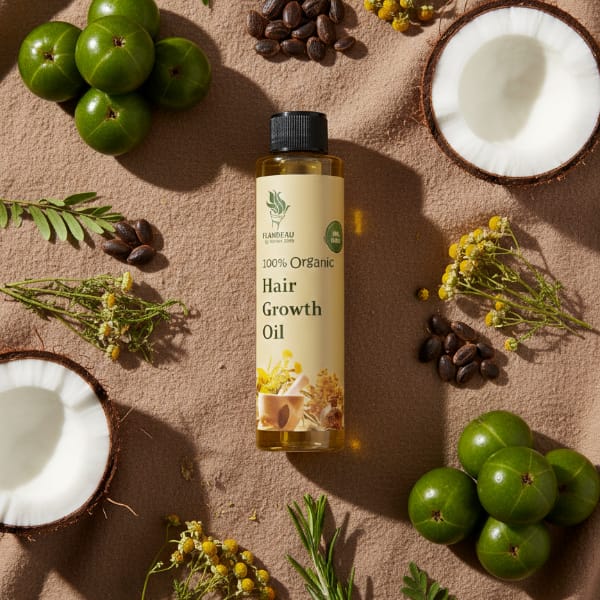
Finally, remember that your scalp health directly impacts your hair’s appearance. A flaky or itchy scalp can lead to scratching, which can disturb the cuticle and cause premature fading. Using a gentle, sulfate-free shampoo that also soothes the scalp – with ingredients like tea tree oil or aloe vera – is beneficial. Regular scalp massages with nourishing oils stimulate blood flow and promote healthier hair growth. If you’re struggling with hair fall after coloring, you might want to incorporate a product like Hair Growth Oil – Strengthen & Nourish Hair Naturally into your routine, as it can help strengthen the roots without weighing down your color.
Essential Products and Ingredients for Color-Treated Hair
The most critical product is your shampoo. Look for sulfate-free formulas – sulfates are harsh detergents that create lather but also strip color. Instead, opt for gentle surfactants like sodium lauroyl sarcosinate or cocamidopropyl betaine. These clean without over-stripping. Many color-safe shampoos also contain UV filters or antioxidants like vitamin E to protect against fading from sun exposure. When washing, focus on the scalp and let the suds run down the lengths – you don’t need to scrub the ends, which are the oldest and most damaged part.
Conditioner is your best friend. A good color-safe conditioner not only detangles but also seals the cuticle with ingredients like silicones (think dimethicone) that create a smooth barrier, reflecting light and making color appear more vibrant. But if you prefer silicone-free options, look for natural oils like argan, jojoba, or coconut that can penetrate and nourish. Leave-in conditioners are especially useful for colored hair because they provide ongoing protection and hydration throughout the day. They also help with manageability, reducing the need for harsh brushing that can cause breakage.
Deep conditioning masks are non-negotiable. Once a week, replace your regular conditioner with a rich mask that contains proteins like keratin or silk amino acids to rebuild the hair’s structure, and humectants like glycerin to draw in moisture. These masks can be left on for 10-20 minutes, ideally under a warm towel or shower cap to enhance penetration. The American Academy of Dermatology recommends using a deep conditioner after coloring to restore moisture and elasticity – you can read more at their hair care resources. In Pakistan, many local brands offer excellent masks with ingredients like yogurt and honey that are traditional remedies.
Heat protectants are a must if you use any hot tools. Even if you air-dry, the sun’s UV rays are a form of heat damage. A heat protectant spray or serum forms a thermal barrier that minimizes moisture loss and structural damage. Look for ones with silicones or polymers that coat the hair. Apply it evenly from mid-length to ends before blow-drying, flat-ironing, or curling. The temperature of your tools matters too – keep them below 180°C (350°F) for colored hair to prevent burning the color pigments. Invest in a good quality tool with adjustable heat settings.
Finally, consider a color-depositing conditioner or a gloss. These products refresh your tone between salon visits – for example, a purple shampoo for blondes to neutralize brassiness, or a red-boosting conditioner for redheads. They add a small amount of pigment that helps maintain your shade and boost shine. They’re gentle enough to use once a week. And don’t forget the power of simple oils. A lightweight oil like argan or grapeseed can be applied to damp ends to lock in moisture and add shine. For a Pakistani touch, you can explore our hair care range which includes oils formulated for nourishing colored locks.
Step-by-Step Routine for Vibrant, Healthy Color
Start with the right washing schedule. Wash your hair 2-3 times a week – daily washing strips color and natural oils. On non-wash days, use a dry shampoo to absorb excess oil at the roots, but make sure it’s translucent so it doesn’t leave a white cast on colored hair. When you do wash, always use lukewarm or cool water. Hot water opens the cuticle and speeds up color loss. A final cool rinse helps seal the cuticle and adds shine.
Pre-wash with a nourishing oil if you have dry or damaged hair. About 30 minutes before shampooing, massage a few drops of coconut or jojoba oil into your lengths and ends. This creates a protective barrier against the detergents in shampoo. Then, shampoo only your scalp, using your fingertips to gently massage – never nails – and let the suds trickle down as you rinse. Follow with a color-safe conditioner, focusing on the mid-lengths to ends. Leave it on for 2-3 minutes, then rinse with cool water.
Once a week, swap your regular conditioner for a deep conditioning mask. Apply it generously to damp, towel-dried hair, comb through with a wide-tooth comb to distribute, and cover with a shower cap. Leave it for 15-20 minutes – you can even sit in the sun or use a warm towel to boost penetration. Rinse thoroughly with cool water. This treatment will restore moisture and elasticity, preventing breakage and dullness. If your hair is very damaged, you can use a protein treatment once a month to rebuild strength – but don’t overdo it, as too much protein can make hair stiff.
After washing, blot your hair gently with a microfiber towel – never rub, which causes friction and frizz. Then apply a leave-in conditioner or a few drops of hair oil to damp hair, focusing on the ends. Detangle with a wide-tooth comb starting from the bottom. If you must blow-dry, apply a heat protectant first and use the lowest heat setting. Keep the dryer at least 6 inches away and keep it moving. For air-drying, try twisting sections to create waves and reduce drying time.
Between washes, protect your color from environmental aggressors. If you’ll be in the sun, wear a hat or use a UV-protectant spray. Chlorine and salt water are enemies – before swimming, wet your hair and apply a leave-in conditioner to minimize absorption. After swimming, rinse immediately with fresh water. Also, avoid tight hairstyles that pull on the roots, as stress can cause shedding. Instead, opt for loose braids or buns using soft scrunchies. Nighttime care is crucial: sleep on a silk or satin pillowcase to reduce friction and prevent color from rubbing off. You can also do a loose braid before bed to minimize tangles.
Common Mistakes That Ruin Color-Treated Hair
One of the biggest mistakes is using hot water to rinse. Hot water opens the cuticle and washes out color molecules. Always finish with a cool rinse to seal the cuticle and lock in pigment. Another mistake is over-washing – every wash strips some color, so the fewer washes, the longer your color lasts. If you must wash daily, use a co-wash (conditioner-only wash) on alternate days.
Skipping heat protectant is a recipe for disaster. High heat from styling tools can break down the color molecules and cause the hair to become dry and brittle. Even if you only blow-dry occasionally, use a protectant. Also, avoid styling tools with metal plates – ceramic or tourmaline are gentler. And never use a flat iron on wet hair – it can cause the water to turn to steam and literally boil the hair, leading to severe damage and color loss.
Using products with harsh chemicals is another common error. Many regular shampoos contain sulfates, which are effective cleansers but also strip color. Similarly, avoid products with alcohol as a main ingredient, as they dry out the hair. Check labels and choose color-safe, moisturizing formulas. Also, be cautious with clarifying shampoos – they’re great for removing buildup but are very stripping; use them only once a month and follow with a deep conditioner.
Another mistake is not adjusting your routine to your environment. In Pakistan’s hot, humid climate, sweat and excess oil can make you want to wash more often, but that’s counterproductive. Instead, use dry shampoo to refresh. During winter, the dry air can make hair more porous, so increase conditioning. Also, avoid swimming in chlorinated pools without wearing a cap – chlorine acts like bleach and can turn blonde hair green. If you don’t have a cap, apply a heavy conditioner beforehand and rinse immediately after.
Finally, neglecting your diet can affect your hair’s health from the inside. Protein, iron, and vitamins – especially biotin and vitamin E – are essential for hair strength. Dehydration makes hair dull, so drink plenty of water. And don’t skip regular trims – split ends travel up the hair shaft and cause breakage, making your color look uneven. Getting a trim every 6-8 weeks keeps your ends healthy and your color fresh.
Tailoring Your Care by Hair Type
Fine or Thin Hair
Fine colored hair is prone to breakage and can become limp from heavy products. Use lightweight, volumizing color-safe shampoos and conditioners. Avoid heavy oils or masks that weigh hair down – opt for a light leave-in spray. When deep conditioning, use a smaller amount and focus on the ends. Avoid over-brushing, which can cause static and breakage. Use a wide-tooth comb and only when hair is wet.
Thick or Coarse Hair
Thick hair tends to be drier and more porous, especially after coloring. It needs richer, creamier products. Use a sulfate-free shampoo and a heavy conditioner. A weekly deep conditioning mask is essential – leave it on for 20-30 minutes. Argan or shea butter oils work well to seal in moisture. When styling, use a higher heat setting but always with a protectant. Braiding or twisting while damp can help manage frizz and define waves.
Curly or Coily Hair
Curly hair is naturally drier and more fragile, and coloring can exacerbate this. Use a gentle, sulfate-free shampoo and a moisturizing conditioner. Consider co-washing – washing with conditioner only – between shampoo days to retain moisture. Deep condition with a rich mask at least weekly. Use a leave-in conditioner and a curl cream to define curls and reduce frizz. Avoid brushing dry curls – use a wide-tooth comb on wet hair with conditioner. Sleep on a silk pillowcase to prevent friction and preserve curl pattern.
Straight or Wavy Hair
Straight hair can become oily at the roots, so focus shampoo on the scalp. Use a lightweight conditioner on the lengths only. Avoid heavy oils near the roots. A color-depositing shampoo can help maintain tone without weighing hair down. For waves, use a sea-salt spray for texture – but ensure it’s alcohol-free. Heat styling is common for straight hair, so always use a protectant. Regular trims are important to keep ends healthy.
Choosing the Right Color-Safe Products and Budget Tips
When selecting products, read the label carefully. Look for terms like “color-safe,” “sulfate-free,” and “pH balanced.” Avoid products with sodium lauryl sulfate (SLS) or sodium laureth sulfate (SLES). Instead, look for gentler cleansers. Ingredients like panthenol, glycerin, and natural oils are beneficial. Also, consider UV filters – they protect against sun damage. If you have allergies, patch test new products 24 hours before use.
You don’t need to spend a fortune to care for colored hair. Many drugstore brands offer effective color-safe lines. In Pakistan, you can find affordable options at local pharmacies or online. However, investing in a high-quality shampoo and conditioner is worth it because they’re used most often. A good deep conditioner is also worth the splurge. For oils, you can use simple coconut oil or almond oil – both are inexpensive and effective. You can also make a DIY mask with yogurt and honey – both are natural conditioners.
If you’re on a tight budget, prioritize: first, a sulfate-free shampoo; second, a good conditioner; third, a heat protectant (if you use heat). Skip expensive leave-in sprays – you can dilute your regular conditioner with water in a spray bottle. For deep conditioning, use a store-bought mask or a homemade one. Also, consider buying in bulk or during sales. Many Pakistani brands offer bundle deals – for example, our Beauty Care Deal includes several hair care essentials at a discounted price, which can save you money while giving you quality products.
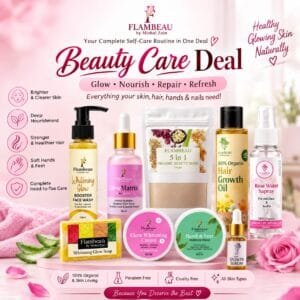
Another way to save is to use a color-depositing conditioner instead of frequent salon visits. These are often cheaper than a full color service and can extend your color by weeks. Also, learn to do simple at-home treatments like oil massages – using a nourishing oil like our Hair Growth Oil not only helps with hair growth but also conditions your colored strands, making it a cost-effective addition to your routine. Remember, the key is consistency – using the right products regularly is more important than the price tag.
Finally, don’t forget that your overall hair health affects how well your color lasts. Eating a balanced diet, drinking water, and managing stress all contribute. For more lifestyle tips that can benefit your hair and skin, check out our blog post on 5 Simple Morning Habits for Healthier Skin – good habits often benefit both. And if you’re dealing with dryness in other areas, our guide on best oils for rough elbows and knees also highlights nourishing oils that work well on hair. With the right care, your color-treated hair can look vibrant and feel healthy for months.
Frequently Asked Questions
How often should I wash color-treated hair?
Ideally, wash your hair 2-3 times a week to minimize color fading. On non-wash days, use a dry shampoo to absorb excess oil. If you must wash daily, use a sulfate-free shampoo and consider co-washing with conditioner on some days.
Can I use coconut oil on colored hair?
Yes, coconut oil is beneficial for color-treated hair as it helps nourish and strengthen strands. Apply it as a pre-wash treatment or a small amount on ends to add shine. Just avoid using too much near the roots if you have fine hair.
What is the best way to prevent color fading?
Use sulfate-free shampoos, wash with cool water, limit heat styling, protect hair from UV rays, and avoid chlorine and salt water. Also, use a color-depositing conditioner weekly to refresh your shade.
Written by Mishal Rehman, owner of Flambeauty — sharing practical, professional beauty and skincare guidance.
Updated: August 2026