Soothe razor burn and ingrown hairs with herbal remedies like aloe vera, chamomile, and tea tree. Learn how to calm irritation and prevent bumps naturally.
Herbal remedies like aloe vera, chamomile, tea tree oil, and rose water can soothe razor burn and ingrown hairs by reducing inflammation, calming redness, and preventing infection. Apply cool compresses, gentle exfoliation, and moisturizing herbal gels to speed healing. Always patch test first and avoid picking at ingrown hairs to prevent scarring.
Why Razor Burn and Ingrown Hairs Happen (and How Herbs Help)
Razor burn and ingrown hairs are two of the most common complaints after shaving, waxing, or epilating — and they can turn a smooth-skin goal into a week of redness, itching, and bumpy discomfort. Razor burn is essentially a mild inflammatory reaction: when a blade drags across the skin, it strips away the protective top layer of dead cells and can cause micro-abrasions. The skin responds with redness, stinging, and sometimes small raised bumps that look like a rash. Ingrown hairs happen when a hair curls back into the skin or grows sideways instead of pushing out through the follicle opening. The body treats that trapped hair as a foreign object, triggering inflammation, a red or dark bump, and sometimes a tiny pus-filled center. Both conditions are exacerbated by dry shaving, dull blades, shaving against the grain, and not preparing the skin properly beforehand.
Herbal remedies work on several fronts. First, they calm the inflammatory response — think chamomile, aloe vera, and calendula, which contain compounds that reduce redness and swelling. Second, they help prevent infection, since broken skin is more vulnerable to bacteria; tea tree oil and neem have natural antibacterial properties. Third, they support the skin’s barrier repair with soothing moisture, which is where rose water and oatmeal come in. Unlike harsh astringents or alcohol-based toners, herbal remedies tend to be gentler, making them suitable for sensitive areas like the bikini line, underarms, and face. They also address the itching that often accompanies healing, reducing the urge to scratch, which can worsen ingrown hairs.
It’s important to understand that herbs aren’t a magic cure — they won’t make an ingrown hair vanish in minutes, and they won’t replace good shaving technique. But used consistently, they can significantly reduce discomfort and help the skin return to a calm state faster. In Pakistan’s hot and humid climate, where sweating can irritate freshly shaved skin, herbal remedies that cool and soothe are especially valuable. Many traditional ingredients used in South Asian households — like multani mitti (fuller’s earth), rose water, and sandalwood — are already well-suited to this purpose. The key is to choose the right herb for your specific issue: anti-inflammatory for razor burn, antibacterial for infected ingrown hairs, and moisturizing for overall healing.
Before diving into specific remedies, it helps to know your skin type and the area you’re treating. The bikini line is more prone to ingrown hairs because the hair is coarser and curly, while the face may be more sensitive to certain essential oils. If you’re new to herbal skincare, start with one remedy at a time and always patch test first on a small area of your inner arm to check for allergic reactions. This is especially important with essential oils, which can cause contact dermatitis if used undiluted. Once you know what works for you, you can build a simple routine that keeps your skin comfortable and bump-free.
Key Herbal Ingredients That Soothe and Heal
When it comes to calming razor burn and encouraging ingrown hairs to resolve, a handful of herbs stand out for their proven track record. Aloe vera is perhaps the most versatile: the gel inside the leaf is rich in polysaccharides that form a protective film over irritated skin, locking in moisture while reducing heat and redness. It’s also mildly antibacterial, which helps prevent small infections in ingrown hair bumps. You can buy pure aloe vera gel or, if you have a plant at home, simply slice a leaf, scoop out the gel, and apply it directly. For an extra cooling effect, refrigerate the gel before use — the cold temperature constricts blood vessels and immediately tones down inflammation.
Chamomile is another heavyweight. Its flowers contain bisabolol and chamazulene, compounds that have been studied for their anti-inflammatory and skin-calming effects. A strong chamomile tea, cooled and used as a compress, can reduce redness and itching. You can also find chamomile in creams and lotions, often combined with other botanicals. If you’re dealing with razor burn on your legs or underarms, soaking a soft cloth in chilled chamomile tea and laying it over the area for 10 minutes can be remarkably soothing. Calendula (pot marigold) works similarly — it’s a traditional wound-healer that promotes tissue repair and is gentle enough for compromised skin. Look for calendula-infused oils or salves.
Tea tree oil deserves special mention for ingrown hairs that have become infected or are threatening to. It has broad-spectrum antibacterial and antifungal activity, and it can penetrate pores to help clear out bacteria. However, it’s potent: never apply it undiluted. Mix 2–3 drops of tea tree essential oil with a teaspoon of carrier oil (like jojoba or sweet almond) and dab it onto the bump with a clean cotton swab. Neem, widely used in South Asia, offers similar antibacterial benefits and is often found in herbal soaps and pastes. For a gentle exfoliating action that helps release trapped hairs, consider willow bark, which contains natural salicylic acid. A willow bark extract toner can soften the skin and reduce the chance of ingrown hairs without the harshness of a scrub.
Finally, don’t overlook the power of floral waters. Rose water is a classic in Pakistani skincare — it’s mildly astringent, anti-inflammatory, and incredibly refreshing. Spritzing it on freshly shaved skin can calm irritation and restore pH balance. For a product that fits seamlessly into this routine, Flambeauty Pure Steam-Distilled Rose Water – 120ml is a pure, steam-distilled option that works well as a post-shave toner or a midday refresher. You can also use it as a base for a DIY herbal mask: mix rose water with a little sandalwood powder or multani mitti to create a soothing paste for the bikini line or underarms. These ingredients are readily available in Pakistan and are kind to the skin, making them a smart first line of defense.
Step-by-Step Herbal Routine for Razor Burn and Ingrown Hairs
Step 1: Cleanse gently. Start by washing the area with a mild, fragrance-free cleanser and lukewarm water. Avoid scrubbing or using loofahs, which can further irritate razor burn. If you have an ingrown hair that looks infected, use an antibacterial herbal soap containing neem or tea tree oil. Pat the skin dry with a clean, soft towel — don’t rub.
Step 2: Apply a cool compress. Soak a clean cloth in cold chamomile tea or cold rose water and hold it against the irritated area for 5–10 minutes. This reduces swelling and numbs the stinging sensation. Repeat two to three times a day as needed. If you’re short on time, a chilled aloe vera gel straight from the fridge works just as well.
Step 3: Treat with a targeted herbal remedy. For razor burn, apply a thin layer of aloe vera gel or calendula cream. For ingrown hairs, dab a diluted tea tree oil blend directly onto the bump using a cotton swab. If the ingrown hair is deeply embedded and not infected, you can try a warm compress to encourage it to surface — but never dig at it with tweezers or needles. Always patch test first before applying any new herbal product to a large area.
Step 4: Moisturize and protect. Once the area is calm, seal in moisture with a lightweight, non-comedogenic lotion or a few drops of jojoba oil. Herbal moisturizers that contain oatmeal or shea butter are excellent for barrier repair. Avoid heavy, occlusive products on ingrown-prone areas, as they can clog pores and lead to more bumps. If you’re shaving again soon, wait at least 24–48 hours to let the skin recover.
Step 5: Exfoliate wisely. After the initial inflammation subsides, gentle exfoliation can help prevent new ingrown hairs. Use a soft washcloth or a sugar scrub with soothing herbs like lavender, but only once or twice a week. Chemical exfoliants with willow bark or fruit enzymes are gentler than harsh scrubs. Always follow with a soothing toner like rose water to rebalance the skin.
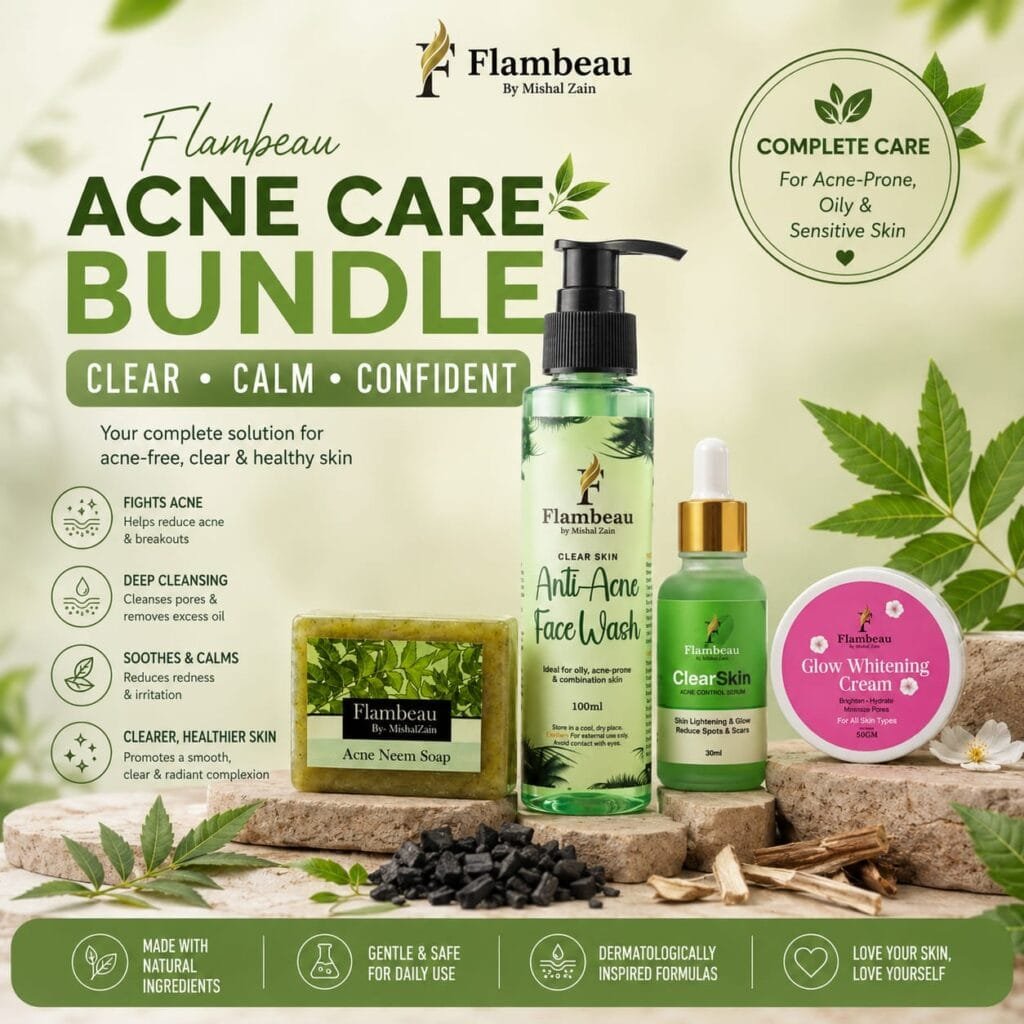
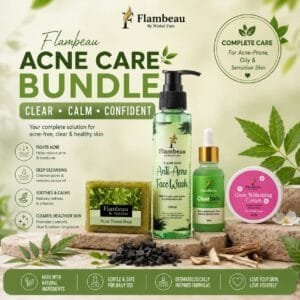
Step 6: Maintain a shaving hygiene routine. Prevention is better than cure. Before shaving, soak the area in warm water for a few minutes to soften hair. Use a sharp, clean razor and shave in the direction of hair growth. Apply a lubricating shave gel — ideally one with aloe or chamomile — and rinse the blade after every stroke. After shaving, rinse with cool water and apply a herbal aftershave treatment like rose water or a diluted tea tree spray. For a comprehensive approach to soothing and clarifying, you might consider the Acne Care Bundle – All in One, which includes products designed to calm inflammation and support clear skin — many of its components can double up for post-shave care.
Common Mistakes to Avoid When Treating Razor Burn and Ingrown Hairs
Mistake 1: Picking or squeezing ingrown hairs. It’s tempting to try to extract the trapped hair with tweezers or fingernails, but this can push bacteria deeper, cause scarring, and lead to infection. If an ingrown hair isn’t resolving on its own after a week or two, see a dermatologist rather than attempting surgery at home.
Mistake 2: Using undiluted essential oils. Tea tree, lavender, and eucalyptus oils are powerful — applying them neat can burn the skin and make razor burn worse. Always dilute essential oils in a carrier oil or mix them into a lotion before applying. Similarly, don’t add essential oils directly to a bath unless they’ve been dispersed in a carrier.
Mistake 3: Over-exfoliating. While gentle exfoliation helps prevent ingrown hairs, scrubbing aggressively or using harsh acids too frequently will strip the skin barrier and increase inflammation. Stick to soft physical scrubs or mild chemical exfoliants once or twice a week, and skip exfoliation altogether on actively inflamed razor burn.
Mistake 4: Shaving dry or with a dull blade. A dull razor tugs at hair and causes more micro-trauma. Dry shaving creates friction and drags against the skin. Always use a sharp blade and a slick shave gel or cream. Rinse the razor after each use and replace it every 5–7 shaves.
Mistake 5: Ignoring the role of clothing. Tight clothing, especially synthetic fabrics, can rub against freshly shaved skin and cause irritation. Choose loose, breathable cotton underwear and clothing after hair removal. In Pakistan’s hot climate, sweating can also irritate — try to keep the area dry and consider a dusting of herbal powder like sandalwood or arrowroot.
Mistake 6: Using alcohol-based products. Aftershaves and toners that contain high levels of alcohol may feel cooling momentarily, but they dry out the skin and can worsen inflammation. Instead, reach for alcohol-free herbal toners like rose water or witch hazel (preferably without added alcohol).
Choosing the Right Herbal Products for Your Skin Type
Not all herbal remedies suit every skin type. If you have dry or sensitive skin, prioritize moisturizing herbs like aloe vera, calendula, oatmeal, and shea butter. Avoid strong astringents and high concentrations of tea tree oil, which can be drying. A rich calendula salve or a gentle chamomile lotion will help restore the skin barrier. For oily or acne-prone skin, lightweight gels and toners are better. Aloe vera gel, rose water, and diluted tea tree oil are excellent choices. You might also benefit from willow bark extract, which gently exfoliates without adding oil. Those with combination skin can use different products on different areas — for example, a tea tree spot treatment on ingrown hairs and a rose water mist all over.
If you have sensitive skin that reacts easily, introduce one herbal remedy at a time and keep a diary of how your skin responds. Patch testing is non-negotiable. Some people are allergic to plants in the Asteraceae family (chamomile, calendula, echinacea), so if you have known allergies, choose alternatives like licorice root or green tea, which are also anti-inflammatory. For mature skin, which may be thinner and more prone to dryness, focus on nourishing herbs and oils. A few drops of rosehip seed oil or a calendula-infused oil can support healing while providing antioxidant benefits. You can explore more targeted skincare solutions in our Skin Care category.
When shopping for herbal products, look for short ingredient lists and avoid artificial fragrances, dyes, and alcohol. Products that are labeled “soothing” or “for sensitive skin” are often formulated with herbs like chamomile and aloe. If you’re unsure, you can also make your own remedies at home — a simple chamomile compress or an aloe vera gel mask costs very little and is surprisingly effective. For more DIY inspiration and skincare tips, browse our blog archive.
Preventing Razor Burn and Ingrown Hairs: Long-Term Habits
Prevention is always easier than treatment. The first habit to adopt is proper shaving preparation: never shave dry, always use a lubricating gel, and shave after a warm shower when hair is softest. Exfoliate gently 24 hours before shaving to remove dead cells that can trap hairs. Use a sharp razor and replace it frequently — a dull blade is a leading cause of razor burn. Shave in the direction of hair growth, especially in sensitive areas like the bikini line. If you’re prone to ingrown hairs, consider alternative hair removal methods like trimming, depilatory creams (though these can be harsh), or laser hair reduction, which can reduce hair growth over time.
Post-shave care is equally important. Rinse with cool water to close pores, then apply a soothing herbal toner like rose water or a diluted tea tree spray. Moisturize daily with a non-comedogenic lotion to keep skin supple. If you sweat a lot, especially in humid weather, cleanse the area gently and reapply a light herbal powder to absorb moisture. Wearing loose clothing and cotton underwear can reduce friction. Over time, these habits will make your skin more resilient and less likely to develop razor burn or ingrown hairs.
If you consistently struggle with ingrown hairs despite good technique, you may have a condition called pseudofolliculitis barbae, which is more common in people with curly hair. In such cases, a dermatologist can recommend prescription treatments or procedures. But for most people, a consistent herbal routine and smart shaving habits are enough to keep skin smooth and comfortable. Remember that herbs work gently and gradually — give them a week or two to show results, and be patient with your skin.
For more help with common skin and hair concerns, you might find our article Is Your Shampoo Causing Hair Fall? How to Tell & Fix It useful, as hair health and skin health are often connected. And if you’re looking for nourishing facial oils that can double as post-shave moisturizers for mature or dry skin, see our guide on the Best Facial Oil for Mature Skin. With the right herbs and a little care, you can soothe razor burn and keep ingrown hairs at bay — no harsh chemicals required.
For authoritative guidance on general skin care, you can also refer to the American Academy of Dermatology, which offers evidence-based tips for maintaining healthy skin.

Frequently Asked Questions
How long does it take for herbal remedies to soothe razor burn?
Most people feel relief within a few hours of applying a cool compress and aloe vera gel. Redness and stinging typically subside within 24–48 hours with consistent use, but ingrown hairs may take a week or more to resolve as the hair grows out.
Can tea tree oil really help with infected ingrown hairs?
Yes, diluted tea tree oil has natural antibacterial properties that can help reduce infection and calm inflammation. Always mix it with a carrier oil and patch test first, as undiluted tea tree oil can irritate the skin.
Are there any herbs I should avoid if I have sensitive skin?
If you have sensitive skin, avoid strong astringents like witch hazel with alcohol, and be cautious with chamomile and calendula if you have allergies to the Asteraceae family. Stick to gentle herbs like aloe vera, oatmeal, and rose water.
How can I prevent ingrown hairs from coming back?
Exfoliate gently before shaving, always use a sharp razor and shave in the direction of hair growth, and moisturize daily. Wearing loose clothing and avoiding tight synthetic fabrics can also reduce friction and irritation.
Written by Flambeau by Mishal Zain — sharing practical, affordable beauty and skincare tips.
Updated: September 2026