Discover whether sunscreen sticks or lotions are more convenient for daily use. Compare application, reapplication, skin types, and find your perfect match.
For most people, a sunscreen lotion is more convenient for full-face and body coverage on a daily basis, while a sunscreen stick wins for quick touch-ups and targeted areas. The best choice depends on your skin type, lifestyle, and how often you reapply.
Understanding the Difference: Sticks vs. Lotions
Before deciding which format is more convenient, it helps to understand what sets these two apart. Sunscreen sticks are solid, wax-based formulas that glide directly onto the skin. They look a bit like a chubby lip balm or deodorant stick. Lotions, on the other hand, are liquid or cream emulsions that you squeeze or pump out and then spread with your fingers. Both can offer broad-spectrum protection, but their texture, application method, and ideal use cases differ significantly.
The core difference comes down to convenience factors: speed, mess, precision, and how they feel on the skin. A stick is often praised for being quick and mess-free—you just swipe and go. A lotion typically requires more effort to spread evenly, but it covers larger areas more efficiently. Neither is inherently better; it’s about matching the format to your daily habits.
Another key distinction is the SPF and PA rating. Sticks can achieve high SPF, but because they are applied in a thinner layer, there’s a risk of under-application. Lotions, when measured correctly (about a nickel-sized amount for the face), tend to deliver more reliable coverage. This is why many dermatologists recommend lotions for primary protection and sticks for reapplication.
Finally, consider the ingredients. Sticks often contain waxes, oils, and silicones to hold their shape, which can feel heavy on oily or acne-prone skin. Lotions are more versatile, with formulations for every skin type—from lightweight gels to rich creams. If you have sensitive skin, a lotion might be easier to find in a fragrance-free, gentle formula.
Convenience Factors: Speed, Portability, and Reapplication
When we talk about convenience, we usually mean three things: how fast it is to apply, how easy it is to carry around, and how simple it is to reapply throughout the day. Let’s break each down.
Speed of application: A stick wins here for small areas. You can swipe it across your cheeks, nose, and forehead in seconds—no need to wash hands afterward. A lotion takes a bit longer because you need to dispense the right amount and spread it evenly. However, for full-face and neck coverage, a lotion can actually be faster once you get the hang of it, because you’re not going over the same area multiple times.
Portability: Both are portable, but sticks have the edge because they don’t leak or spill. You can toss one in your bag or pocket without worrying about a mess. Lotions come in tubes or bottles that can leak if the cap isn’t tight, and they take up more space. For that reason, many people keep a stick in their car or desk for quick touch-ups.
Reapplication: This is where sticks truly shine. Reapplying lotion over makeup or sweaty skin can be a hassle—it can pill, smear, or feel greasy. A stick glides over makeup and doesn’t require rubbing, making it the go-to for midday reapplication. That said, if you’re at the beach or exercising, a lotion might be more practical for full-body coverage after swimming.
One more thing: hygiene. Sticks are applied directly to the skin, which can transfer bacteria if you have acne or share it. Lotions are dispensed onto clean hands, so they’re generally more hygienic for multiple users. If you’re prone to breakouts, you might prefer a lotion to avoid spreading germs.
How to Choose Based on Your Skin Type and Lifestyle
Your skin type and daily routine play a huge role in which format feels more convenient. Here’s a breakdown for different skin types:
Oily or Acne-Prone Skin
If your skin is oily or prone to breakouts, you’ll want a lightweight, non-comedogenic lotion or a stick labeled oil-free. Sticks can sometimes feel heavy and clog pores because of their wax content. Look for lotions with a matte finish or gel-based formulas. Reapply with a stick only if it’s specifically designed for acne-prone skin.
Dry or Dehydrated Skin
Dry skin often benefits from a moisturizing lotion that doubles as skincare. Many lotions contain hydrating ingredients like hyaluronic acid or glycerin. Sticks can work, but they might not provide enough moisture. For dry skin, a lotion is usually more convenient because it kills two birds with one stone—hydration and sun protection.
Combination Skin
Combination skin can be tricky. You might prefer a lotion for the dry areas and a stick for the oily T-zone. Or you can use a lightweight lotion all over and keep a stick for touch-ups on shiny areas. Layering both can be a practical strategy.
Sensitive Skin
Sensitive skin requires gentle, fragrance-free formulas. Lotions are easier to find in mineral-based, hypoallergenic versions. Sticks may contain irritating waxes or fragrances. Always patch test first, regardless of format.
Active Lifestyles and Outdoor Work
If you’re outdoors, sweating, or swimming, a water-resistant lotion is essential for full coverage. A stick can be handy for reapplying on your face, ears, and neck, but for your body, a lotion is more efficient. For athletes and outdoor workers, a combination of both is often the most convenient.
If you’re looking for gentle skincare products that complement your sunscreen routine, explore our Skin Care category for options that suit your skin type.
Step-by-Step: How to Use Each Format for Maximum Convenience
To get the most out of your sunscreen, follow these practical steps. They’ll help you avoid common mistakes and ensure you’re actually getting the protection you paid for.
Using a lotion:
- Start with clean, dry skin. Apply your moisturizer first, if you use one, and let it absorb for a minute.
- Dispense the right amount. For your face and neck, use about a nickel-sized dollop. For your body, use about a shot glass full.
- Dot and spread. Place dots on your forehead, cheeks, nose, and chin, then blend outward. Don’t forget your ears, hairline, and neck.
- Wait 15 minutes before sun exposure to let the sunscreen form a protective film.
- Reapply every two hours or after swimming, sweating, or toweling off.
Using a stick:
- Twist up a small amount. Don’t push it up too far or it might break.
- Glide directly onto skin. Use broad strokes across your forehead, cheeks, nose, and chin. For sensitive areas, swipe gently.
- Blend with fingers if needed. Some sticks leave a white cast; you can pat them in to smooth.
- Reapply frequently. Because sticks go on thin, you may need to reapply more often—every 90 minutes to two hours.
- Clean the stick surface occasionally with a tissue to remove buildup.
Pro tip: For daily convenience, use a lotion in the morning for your initial application and keep a stick in your bag for touch-ups. This hybrid approach gives you the best of both worlds.
If you’re looking to simplify your routine, check out our Everyday Beauty Tips for Looking Fresh Without Heavy Makeup for more time-saving ideas.
Common Mistakes to Avoid with Sunscreen Sticks and Lotions
Even with the best intentions, it’s easy to make mistakes that reduce your sun protection. Here are the most common pitfalls and how to avoid them.
1. Under-applying. This is the biggest mistake with both formats, but especially sticks. A quick swipe is not enough. You need multiple passes to achieve the SPF on the label. For lotions, using less than the recommended amount means you’re getting a fraction of the protection.
2. Skipping often-missed spots. Ears, eyelids, hairline, neck, and the tops of your feet are commonly forgotten. With a stick, it’s easy to target these areas; with a lotion, make a conscious effort to cover them.
3. Not reapplying. Sunscreen isn’t a one-and-done deal. Whether stick or lotion, you need to reapply every two hours—more often if you’re sweating or swimming. Set a reminder on your phone if you tend to forget.
4. Using expired products. Check the expiration date. Sunscreens lose effectiveness over time. If it’s been open for more than a year, it’s probably time to replace it.
5. Relying on makeup with SPF. Makeup with SPF is a nice bonus, but you’d need to apply a lot more than usual to get the stated protection. Always use a dedicated sunscreen underneath.
6. Storing in hot places. Leaving your sunscreen in a hot car can degrade the ingredients. Keep it in a cool, dry place.
7. Forgetting to patch test. Especially with sticks, which can be waxy and pore-clogging, always patch test first on a small area of your jawline to check for reactions.
By avoiding these mistakes, you’ll get the most out of your sunscreen, no matter which format you choose.
What to Look for When Choosing Your Sunscreen Format
When you’re standing in the aisle or scrolling online, here’s what to check before buying.
Broad-spectrum protection: Look for “broad-spectrum” on the label, which means it protects against both UVA and UVB rays. SPF 30 or higher is recommended for daily use. For extended outdoor time, go for SPF 50+.
Water resistance: If you’ll be swimming or sweating, choose a water-resistant formula. Sticks can be water-resistant too, but lotions often last longer in water.
Texture and finish: For oily skin, look for mattifying or gel formulas. For dry skin, choose hydrating lotions. Sticks can be matte or dewy; test them on your hand to see how they feel.
Ingredient preferences: Mineral sunscreens (zinc oxide, titanium dioxide) are gentler for sensitive skin. Chemical sunscreens are often lighter and easier to spread. Sticks can be either, but mineral sticks tend to leave a white cast.
Size and price: Sticks usually contain less product than lotions, so they may run out faster. Consider cost per use. If you’re on a budget, a lotion might be more economical for full-body coverage.
Ease of reapplication: If you wear makeup, a stick is a game-changer for touch-ups. If you’re bare-faced and at home, a lotion is fine.
Don’t forget to check the expiration date and ensure the packaging is convenient for your lifestyle. A pump bottle might be easier for daily use at home, while a stick is better for travel.
For more skincare tips and product recommendations, visit our blog archive.
Final Verdict: Which Is More Convenient for Daily Use?
There’s no one-size-fits-all answer, but we can make a clear recommendation based on typical daily scenarios.
If your priority is speed and mess-free reapplication, especially over makeup or on the go, a sunscreen stick is more convenient. It’s perfect for quick touch-ups on your face, ears, and neck. However, if you need full-face and body coverage with reliable protection, a lotion is more convenient because it’s easier to apply evenly and you’re less likely to under-apply.
For most people, the most convenient approach is to use both: a lotion in the morning for your initial application, and a stick for reapplying throughout the day. This hybrid method ensures you’re always protected without the hassle.
Ultimately, the best sunscreen is the one you’ll actually use consistently. Whether you choose a stick, a lotion, or both, make it a non-negotiable part of your daily routine. Your skin will thank you.
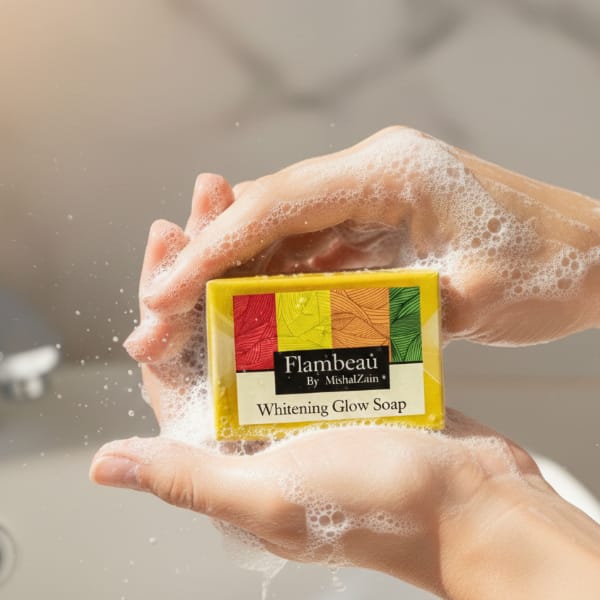
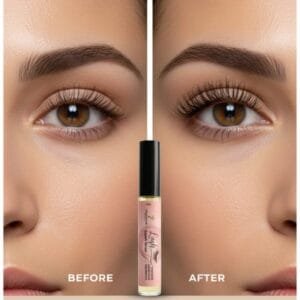
And while you’re taking care of your skin, don’t forget other areas—like your lashes. A nourishing serum can help them look fuller and healthier. Try our Eyelashes Growth Serum – Longer, Healthier-Looking Lashes for a natural boost. Pair it with a gentle cleanser like our Whitening Glow Soap to keep your skin fresh and bright.
For more on moisturizing ingredients that work well with sunscreen, read our post on Shea Butter for Deeply Moisturized Skin: Benefits & How to Use.
Remember, according to the American Academy of Dermatology, everyone should use sunscreen daily, even on cloudy days. So pick the format that fits your life and stick with it.
Frequently Asked Questions
Can I use a sunscreen stick as my only sun protection?
Yes, but you need to apply multiple layers to achieve the labeled SPF. Sticks are great for touch-ups, but for full coverage, a lotion is often more reliable.
How often should I reapply sunscreen sticks compared to lotions?
Both should be reapplied every two hours, or more often if swimming or sweating. Sticks may need more frequent application because they go on thinner.
Are sunscreen sticks better for acne-prone skin?
Not necessarily. Sticks can be heavy and pore-clogging due to waxes. Look for oil-free, non-comedogenic lotions instead, or choose a stick specifically formulated for acne-prone skin.
Which is more economical: stick or lotion?
Lotions generally offer more product for the price and are more cost-effective for full-body use. Sticks are convenient but often contain less product and run out faster.
Written by Flambeau by Mishal Zain — sharing practical, affordable beauty and skincare tips.
Updated: September 2026