Discover how shea butter deeply moisturizes skin, its benefits for dry and sensitive skin, and how to choose the right product. Get soft, nourished skin.
Shea butter is a rich, plant-based fat extracted from the nuts of the shea tree, prized for its ability to deeply moisturize and nourish the skin. Packed with vitamins and fatty acids, it helps restore the skin barrier, leaving skin soft, supple, and hydrated for hours.
What Is Shea Butter and Why Does It Work So Well?
Shea butter is a natural fat derived from the nuts of the African shea tree (Vitellaria paradoxa). It has been used for centuries in Africa for its skin-loving properties, and today it’s a staple in many moisturizers, balms, and body butters. What makes shea butter so effective is its unique composition: it’s rich in fatty acids like oleic, stearic, linoleic, and palmitic acids, along with vitamins A, E, and F. These components work together to provide intense hydration and support the skin’s natural barrier.
Unlike water-based moisturizers that evaporate quickly, shea butter forms a protective layer on the skin that locks in moisture. This is especially beneficial for dry, flaky, or compromised skin. The fatty acids in shea butter are similar to those naturally produced by our skin, so it absorbs well without feeling overly greasy. Additionally, the vitamins and antioxidants help soothe inflammation and protect against environmental stressors, making it a multitasking ingredient for overall skin health.
Shea butter is also non-comedogenic for most people, meaning it won’t clog pores. However, those with very oily or acne-prone skin may want to use it sparingly or choose lighter formulations. Its melting point is close to body temperature, so it melts upon contact and spreads easily, making it a pleasure to apply. Whether you have dry patches, eczema, or simply want softer skin, shea butter is a reliable choice.
In Pakistan’s varied climate—from the dry heat of Karachi to the cold winters of Islamabad—shea butter can be a game-changer. It provides the extra moisture needed when humidity drops, and its protective barrier helps shield skin from harsh winds and indoor heating. Plus, it’s gentle enough for most skin types, including sensitive skin.
Key Benefits of Shea Butter for Your Skin
Shea butter offers a multitude of benefits that go beyond basic moisturization. Here are the most notable ones:
Deep, Long-Lasting Hydration
Shea butter is an emollient, meaning it fills the gaps between skin cells to smooth and soften the surface. It also acts as an occlusive, forming a breathable barrier that prevents water loss. This dual action makes it incredibly effective for dry, rough, or cracked skin. A single application can keep skin hydrated for hours, reducing the need for constant reapplication.
Strengthens the Skin Barrier
The skin’s barrier is its first line of defense against irritants and moisture loss. Shea butter contains stearic acid and linoleic acid, which help reinforce this barrier. Regular use can improve skin elasticity and resilience, making it less prone to dryness and irritation.
Soothes Irritation and Redness
Thanks to its anti-inflammatory compounds, shea butter can calm irritated skin. It’s often used to soothe eczema, psoriasis, and sunburn. The vitamins A and E in shea butter also promote skin repair and can help fade minor scars and stretch marks over time.
Anti-Aging Support
Shea butter is rich in antioxidants that fight free radicals, which are a major cause of premature aging. Its vitamin F content helps maintain skin elasticity, while vitamin A supports cell turnover. While it’s not a miracle anti-aging cure, it can contribute to a more youthful, radiant complexion when used consistently.
Gentle Enough for Sensitive Skin
Because shea butter is plant-derived and free of harsh chemicals, it’s generally well-tolerated by sensitive skin. It’s non-irritating and can even help reduce redness and inflammation. However, as with any new product, always patch test first to rule out allergies.
How to Incorporate Shea Butter into Your Skincare Routine
Adding shea butter to your daily routine is simple and can be done in several ways. Here’s a step-by-step guide:
Step 1: Cleanse
Start with a gentle cleanser to remove dirt, oil, and impurities. Pat your skin dry with a soft towel, leaving it slightly damp. This helps lock in extra moisture when you apply shea butter.
Step 2: Tone (Optional)
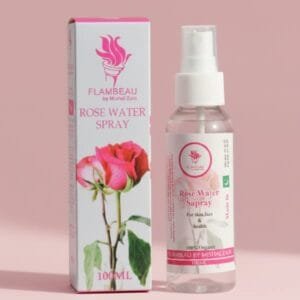
If you use a toner, apply it now. A hydrating toner like Rose Water Spray 100% Organic – Refresh & Hydrate Skin can prep your skin for better absorption of shea butter. Rose water is soothing and adds an extra layer of hydration.
Step 3: Apply Shea Butter
Take a small amount of shea butter (about the size of a pea) and warm it between your fingers. Gently massage it into your skin using upward, circular motions. Focus on dry areas like elbows, knees, and heels. For facial use, choose a shea butter product formulated for the face, as pure shea butter can be too heavy for some.
Step 4: Seal with Moisturizer (If Desired)
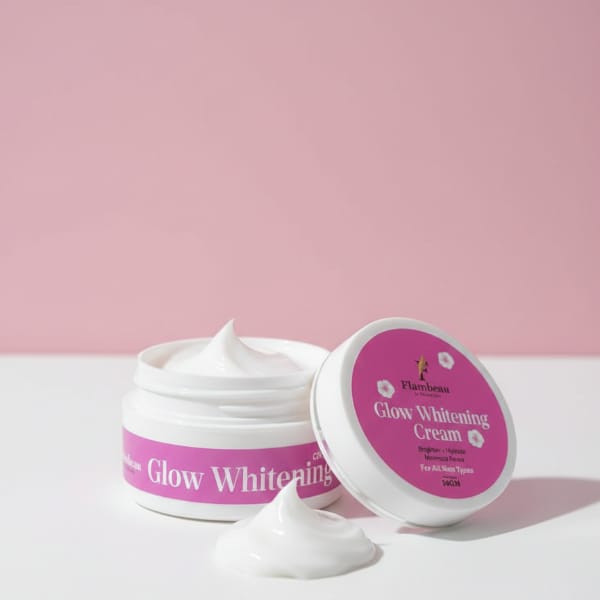
If you’re using pure shea butter, you can follow with a lighter moisturizer if your skin feels greasy. Alternatively, use a product that already contains shea butter, like Glow Whitening Cream – Brighten & Hydrate for All Skin Types, which combines shea butter with other beneficial ingredients for a balanced effect.
Step 5: Use Morning and Night
For best results, apply shea butter both in the morning and before bed. At night, it works while you sleep to repair and hydrate. In the morning, it provides a smooth base for makeup and protects against environmental dryness.
Common Mistakes to Avoid When Using Shea Butter
While shea butter is generally safe and effective, there are a few pitfalls to watch out for:
Using Too Much
Shea butter is rich, so a little goes a long way. Applying too much can leave a greasy residue and may clog pores, especially on oily skin. Start with a small amount and adjust as needed.
Not Patch Testing
Even natural ingredients can cause allergic reactions. Always patch test first on a small area of your inner arm and wait 24 hours to see if any irritation occurs. This is especially important if you have sensitive skin or known allergies to nuts.
Using on Broken Skin
While shea butter can help heal minor cuts, it’s best to avoid applying it to open wounds or severe rashes without consulting a doctor. It’s not a substitute for medical treatment.
Expecting Overnight Miracles
Shea butter is not an instant fix; it works gradually to improve skin hydration and health. Consistent use over weeks will yield the best results. Don’t expect it to erase deep wrinkles or scars overnight.
Ignoring Your Skin Type
Shea butter is ideal for dry and normal skin, but if you have oily or acne-prone skin, you might prefer a lighter formulation or use it only on dry patches. Listen to your skin and adjust accordingly.
Choosing the Right Shea Butter Product
Not all shea butter products are created equal. Here’s what to look for:
Check the Ingredients
Look for products that list shea butter (Butyrospermum parkii) as one of the first few ingredients. Avoid products with a long list of synthetic fillers, parabens, and artificial fragrances if you have sensitive skin. Unrefined shea butter retains more nutrients than refined versions.
Consider the Formulation
Shea butter comes in various forms: pure raw butter, whipped butter, lotions, creams, and balms. For facial use, a cream or lotion with shea butter is often more cosmetically elegant. For body, a thicker butter is great for extremely dry areas.
Look for Added Beneficial Ingredients
Many products combine shea butter with other skin-loving ingredients like vitamin E, aloe vera, or hyaluronic acid for enhanced benefits. For example, our Glow Whitening Cream includes shea butter along with brightening agents to hydrate and even out skin tone.
Check for Sustainability
Ethically sourced shea butter supports communities in Africa and ensures quality. Look for brands that are transparent about their sourcing. Also, choose products in packaging that protects the butter from light and air, as shea butter can go rancid over time.
Shea Butter for Different Skin Types
Shea butter can benefit most skin types, but here’s how to adapt it:
Dry Skin
Dry skin types can use shea butter generously. Apply a thick layer at night as a mask, or mix a few drops of facial oil with shea butter for extra nourishment. It’s particularly helpful for dry, flaky patches on cheeks and around the nose.
Oily and Acne-Prone Skin
While shea butter is non-comedogenic, it can feel heavy on oily skin. Opt for a lightweight lotion containing shea butter, or use it only on dry areas. Avoid applying it all over the face if you’re prone to breakouts. Instead, consider a gel-based moisturizer with shea butter as a secondary ingredient.
Combination Skin
Combination skin can benefit from shea butter in targeted areas. Use it on dry cheeks and avoid the T-zone, or choose a balanced moisturizer that includes shea butter along with mattifying ingredients.
Sensitive Skin
Sensitive skin often tolerates shea butter well due to its soothing properties. However, always patch test and choose fragrance-free products. Shea butter can help reduce redness and irritation, making it a good choice for reactive skin.
Mature Skin
Mature skin benefits from shea butter’s antioxidants and moisturizing properties. It can help improve elasticity and soften the appearance of fine lines. For additional anti-aging support, you might explore ingredients like retinol vs bakuchiol to complement your routine.
Frequently Asked Questions
Here are some common questions about shea butter for skin:
Can I use shea butter on my face?
Yes, but it’s best to use a product formulated for facial skin. Pure shea butter can be too heavy and may clog pores for some. Look for facial moisturizers that contain shea butter.
Is shea butter good for eczema?
Shea butter can help soothe eczema due to its anti-inflammatory and moisturizing properties. However, it’s not a cure. Consult a dermatologist for proper treatment.
How often should I apply shea butter?
You can apply it as often as needed, typically twice daily for dry skin. Adjust based on your skin’s needs and the climate.
For more skincare tips and product recommendations, explore our blog and Skin Care category. And remember, when it comes to any skincare concern, the American Academy of Dermatology is a trusted resource for evidence-based advice.
Frequently Asked Questions
Can shea butter clog pores?
Shea butter is generally non-comedogenic, but it can feel heavy on oily or acne-prone skin. If you're prone to breakouts, use it sparingly or choose a lightweight product containing shea butter.
Is shea butter safe for sensitive skin?
Yes, shea butter is usually well-tolerated by sensitive skin due to its soothing properties. However, always patch test first to rule out allergies, and opt for fragrance-free versions.
How long does it take to see results from shea butter?
You may notice softer, more hydrated skin within a few days of regular use. For improvements in skin barrier and elasticity, consistent use over several weeks is needed.
Can I use shea butter with other skincare ingredients?
Yes, shea butter layers well with most ingredients. Apply it after water-based serums and before heavier occlusives. It can also be mixed with essential oils for added benefits.
Written by Flambeau by Mishal Zain — sharing practical, affordable beauty and skincare tips.
Updated: September 2026