Discover how licorice root extract brightens skin, fades dark spots, and calms irritation. Learn usage tips, product picks, and mistakes to avoid for a...
Licorice root extract is a natural, plant-derived ingredient that helps brighten skin by inhibiting the enzyme tyrosinase, which controls melanin production. This makes it effective for fading dark spots, post-acne marks, and sun spots while also soothing inflammation and irritation. In this guide, I’ll explain exactly how licorice root extract works, how to use it in your routine, and what to look for when choosing products, so you can enjoy a more radiant, even-toned complexion—without harsh side effects.
What Is Licorice Root Extract and How Does It Brighten Skin?
Licorice root extract comes from the root of the Glycyrrhiza glabra plant, a staple in traditional medicine for centuries. In skincare, its star component is glabridin, a compound known for its skin-brightening and anti-inflammatory properties. When applied topically, glabridin works by interfering with tyrosinase, the enzyme that triggers melanin production. By slowing down this enzyme’s activity, licorice root extract helps reduce excess pigment that leads to dark spots and uneven tone.
What sets licorice root apart from stronger brighteners like hydroquinone is its gentle, multitasking nature. It doesn’t just target pigmentation—it also calms redness and irritation, making it a fantastic choice for sensitive or reactive skin types. If you’ve been battling with hyperpigmentation from acne scars, sun exposure, or hormonal changes, licorice root can help visibly fade those marks over time, without the irritation that often comes with more aggressive treatments.
Beyond glabridin, licorice root contains other beneficial compounds like liquiritin, which helps disperse existing melanin clusters, and licochalcone, a potent antioxidant that shields skin from environmental stressors. This combination means licorice root doesn’t just brighten—it also supports overall skin health by protecting against free radicals and reducing oxidative stress. As a result, skin looks clearer, more luminous, and more resilient.
It’s important to set realistic expectations: licorice root extract is not an overnight miracle. Consistent use over weeks or months is needed to see meaningful changes in pigmentation. However, because it works gradually and gently, it’s a much safer long-term strategy than harsher ingredients that can cause rebound pigmentation or damage. In a beauty market like Pakistan’s, where many products promise “instant whitening,” licorice root stands out as a scientifically backed, gentle brightener.
When you choose a product with licorice root, you’re also getting anti-inflammatory benefits. That means if you have active acne or conditions like eczema, licorice root can help soothe redness and prevent post-inflammatory hyperpigmentation from forming in the first place. It’s a dual-action ingredient: it prevents new spots while treating existing ones, which is exactly what you want in a brightening skincare ingredient.
Key Benefits of Licorice Root Extract in Skincare
Licorice root extract offers a wide range of benefits that go beyond simple brightening. First, it’s remarkably effective at fading dark spots and hyperpigmentation. Whether you’re dealing with UV-induced sun spots, melasma, or leftover acne marks, licorice root can help break up the excess melanin and even out your skin tone. Unlike harsh acids or prescription treatments, it does so without causing peeling, flaking, or excessive dryness.
Second, licorice root is a natural anti-inflammatory. This makes it a brilliant addition to routines for acne-prone or sensitive skin. It helps reduce the redness and swelling associated with breakouts, while also calming conditions like rosacea or dermatitis. By soothing the skin barrier, it also reduces the likelihood of post-inflammatory hyperpigmentation, meaning fewer dark marks after a pimple heals.
Third, licorice root acts as an antioxidant powerhouse. It neutralizes free radicals caused by pollution, UV rays, and other environmental aggressors that accelerate aging and dullness. This helps prevent premature wrinkles and keeps skin looking youthful. In a hot, humid climate like Pakistan’s, where sun exposure is intense, this antioxidant protection is especially valuable.
Fourth, licorice root supports the skin’s natural glow by improving circulation and promoting a healthy, radiant complexion. It also has mild exfoliating properties that help remove dead skin cells, revealing fresh new skin underneath. This is why many brightening serums and creams include licorice root as a key ingredient—it helps you achieve that lit-from-within luminosity.
Fifth, licorice root is generally well-tolerated by most skin types, including sensitive and dry skin. Unlike some brightening agents that can be irritating, licorice root is gentle enough for daily use. It’s also safe to combine with other active ingredients like vitamin C or niacinamide, allowing you to build a powerful yet non-irritating brightening routine.
How to Incorporate Licorice Root Extract into Your Routine
To get the most from licorice root extract, consistency is key. Start by choosing a product that lists licorice root extract high in the ingredient list—this ensures it’s present in an effective concentration. You’ll typically find it in serums, toners, creams, and even cleansers. For best results, use a licorice root serum morning and night, after cleansing and before moisturizing.
If you’re new to licorice root, always patch test first. Apply a small amount to your inner forearm and wait 24 hours to check for any allergic reaction. While licorice root is gentle, everyone’s skin is different, and patch testing is a crucial step in introducing any new skincare ingredient. It’s a simple habit that can save you from potential irritation.
For your morning routine, apply a few drops of a licorice root serum to clean skin, then layer on a moisturizer and always finish with a broad-spectrum sunscreen of at least SPF 30. Sunscreen is non-negotiable when using any brightening ingredient, because UV exposure can worsen pigmentation and undo your progress. In Pakistan’s sunny climate, daily sunscreen is essential for maintaining results.
In the evening, you can combine licorice root with other restorative ingredients like hyaluronic acid or peptides. If you’re using a leave-on exfoliant like glycolic acid or retinol, you can still use licorice root—just apply it on alternating nights or layer it carefully. Licorice root’s soothing properties can actually help offset the irritation that some stronger actives may cause.
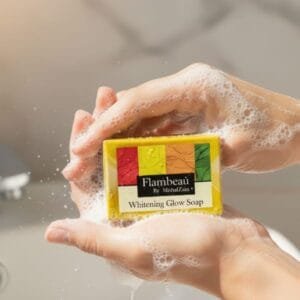
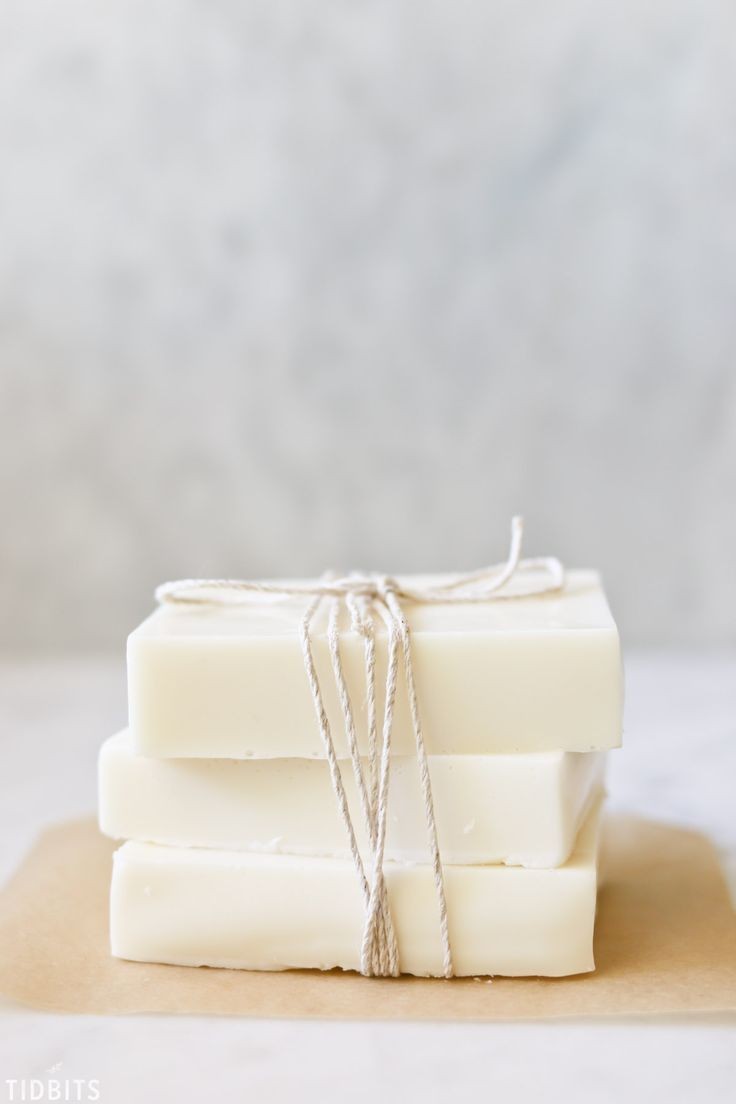
One easy way to add licorice root to your routine is through cleansing. A gentle cleanser like our Goat Milk Soap, which contains natural brightening and soothing ingredients, can prep your skin without stripping it. Or, if you prefer a bar soap that targets dullness, the Whitening Glow Soap is formulated with licorice root and other botanical extracts to help brighten skin tone while cleansing. These soaps are a simple first step, but remember that leave-on products are generally more effective for delivering active ingredients deep into the skin.
For a more targeted approach, look for a licorice root spot treatment to apply directly on dark spots. This can be done twice daily, but be patient—it may take 4 to 8 weeks of consistent use to see visible improvement. Track your progress by taking photos in natural light every two weeks, so you can objectively see the changes.
Common Mistakes to Avoid When Using Licorice Root
One major mistake people make is skipping sunscreen while using any brightening ingredient. Without sun protection, UV rays can stimulate melanin production and make your dark spots darker, undoing all your hard work. Sunscreen is not optional; it’s an essential part of any brightening routine, especially in Pakistan where sun exposure is high year-round.
Another error is expecting overnight results. Licorice root is a gentle ingredient that works gradually. If you don’t see immediate changes, that doesn’t mean it isn’t working. Give it at least 4-6 weeks of consistent application before judging its effectiveness. Patience is crucial when treating hyperpigmentation.
Using too many brightening products at once can also backfire. Layering licorice root with high-strength acids or retinoids might overload your skin and cause irritation. Instead, introduce one new product at a time and monitor how your skin reacts. If you’re already using a strong exfoliant, consider using licorice root on your off days to prevent irritation.
Ignoring your skin type is another common pitfall. While licorice root is generally non-comedogenic, the formulation matters. If you have oily skin, choose a lightweight gel or serum; if you have dry skin, a cream-based product might be better. Always read the full ingredient list to avoid heavy oils or fragrances that could cause breakouts.
Finally, don’t neglect the rest of your skincare routine. Brightening isn’t just about one ingredient—it’s about a holistic approach. Keep your skin hydrated, use a gentle cleanser, and avoid over-exfoliating. A healthy skin barrier is the foundation for an even, radiant complexion. If you’re looking for more guidance, check out our blog for tips on building an effective skincare regimen.
What to Look for in Licorice Root Products and How to Choose by Skin Type
When shopping for licorice root products, first check the ingredient list. Look for licorice root extract, glycyrrhiza glabra root extract, or glabridin as named ingredients. Ideally, it should appear within the first five to seven ingredients, indicating a meaningful concentration. Steer clear of products where it’s listed near the bottom, as that usually means only a token amount.
Also consider the product’s formulation. If you have dry or sensitive skin, opt for a cream or lotion that contains ceramides or hyaluronic acid to keep your skin hydrated and calm. If you have oily or acne-prone skin, a lightweight gel or serum is better—look for non-comedogenic labels to avoid clogging pores. For combination skin, you can use a serum and layer a light moisturizer only on dry areas.
For skin with mature concerns, pair licorice root with antioxidants like vitamin C or ferulic acid, which can enhance its brightening effects while providing extra protection against aging. If you’re dealing with hyperpigmentation from sun damage, combine licorice root with niacinamide or arbutin for a multi-pronged approach. Just remember to introduce each new product slowly.
When evaluating a product, also think about the overall formula. Are there other soothing ingredients like aloe, green tea, or centella? These can complement licorice root’s calming properties. Avoid products with high percentages of alcohol, artificial fragrances, or essential oils, especially if you have sensitive skin. They can cause irritation and counteract the benefits of licorice root.
In Pakistan, you have access to a growing selection of licorice root skincare. Many brands include it in brightening creams and serums. For a budget-friendly start, you can also find licorice root in traditional soap bars, like our Whitening Glow Soap, which is an easy way to introduce the ingredient without making a big investment. However, for targeted spot fading, a leave-on serum or cream is more effective because the active ingredient stays on your skin longer.
Don’t be swayed by claims of “instant whitening.” Skincare doesn’t work that way. Instead, look for products that promise “brightening” and “even tone,” which are realistic outcomes. A reputable brand will focus on gradual improvement and safety. You can browse our Skin Care category for more options that fit your needs.
Remember, your skin’s needs can change with the seasons and your lifestyle. In humid weather, you might prefer a lighter texture, while in winter, a richer formula may be necessary. Listen to your skin and adjust your routine accordingly. And if you’re looking to prep for a special occasion, don’t miss our Glow Up Guide for tips to achieve a radiant look.
Finally, be mindful of how licorice root interacts with your makeup routine. Since it can be used morning and night, ensure your makeup remover is effective to keep your skin clean. For tips on maintaining your look in Pakistan’s heat, check out our guide on how to make your makeup last in hot, humid weather.
In conclusion, licorice root extract is a versatile, gentle, and effective ingredient for brightening and calming skin. By understanding how it works, incorporating it correctly, and avoiding common pitfalls, you can achieve a more luminous, even-toned complexion. Always patch test, use sunscreen, and be patient—your skin will thank you.
Frequently Asked Questions
How long does it take for licorice root extract to brighten skin?
Most people see noticeable improvements in dark spots and overall tone after 4 to 8 weeks of consistent use. It works gradually, so patience is key.
Can licorice root extract be used with other active ingredients like vitamin C or retinol?
Yes, licorice root pairs well with vitamin C and retinol. Its soothing properties can help reduce irritation from strong actives. Just introduce new products gradually and patch test.
Is licorice root extract safe for sensitive skin?
Licorice root is generally well-tolerated by sensitive skin due to its anti-inflammatory properties. However, always patch test before using a new product, and avoid formulations with harsh additives.
Written by Flambeau by Mishal Zain — sharing practical, affordable beauty and skincare tips.
Updated: September 2026