
Discover the benefits of witch hazel as a natural, gentle toner. Learn how to use it for balanced, healthy-looking skin, plus tips for different skin types.
Witch hazel is a natural, plant-based toner that can help tighten the look of pores, soothe occasional redness, and remove leftover makeup or dirt without stripping your skin. When used correctly—and in the right formulation—it’s a gentle, alcohol-free option for most skin types, leaving your face feeling clean, refreshed, and more even-toned. Always choose a pure witch hazel distillate and follow with a moisturizer to keep your skin barrier happy.
What Is Witch Hazel and Why Does It Work as a Toner?
Witch hazel (Hamamelis virginiana) is a shrub native to North America, and its bark and leaves have been used for centuries in traditional herbal medicine. The key active compounds are tannins—plant polyphenols with astringent properties. When applied topically, these tannins can help temporarily tighten the skin’s surface, which gives the immediate appearance of smaller pores and a smoother texture. This astringent effect is why witch hazel has been a staple in skincare for decades, often found in toners, cleansers, and after-shave products.
But witch hazel is more than just an astringent. It also contains proanthocyanidins and flavonoids, which are natural antioxidants. These help protect the skin from environmental stressors like pollution and UV exposure, which can lead to premature aging. In a well-formulated toner, witch hazel can gently lift away residual dirt, oil, and makeup that your cleanser might have missed, prepping your skin to better absorb the serums and moisturizers that follow. This makes it a great “second cleanse” step in your routine.
What sets witch hazel apart from many commercial toners is its natural origin. Many toners on the market are loaded with denatured alcohol, which can be very drying and irritating, especially for sensitive or dry skin. Witch hazel, when properly distilled, is alcohol-free—the distillation process itself creates a hydrosol that is gentle and soothing. This is why it’s often recommended by dermatologists as a natural alternative for those looking to tone without harsh chemicals.
However, not all witch hazel toners are created equal. Some commercial products add significant amounts of alcohol back into the formula, which can negate the benefits and cause irritation. That’s why it’s crucial to read the ingredient list and look for a product that lists “witch hazel distillate” or “hamamelis virginiana water” as the main ingredient, with no added alcohol or synthetic fragrances. A pure, high-quality witch hazel toner can be a wonderful addition to your daily skincare ritual.
For those living in humid climates like Pakistan, where sweat and sebum can accumulate quickly, a gentle toner like witch hazel can be particularly refreshing. It helps remove that layer of grime without over-drying, which is essential in a hot environment. Plus, its natural anti-inflammatory properties can calm the skin after sun exposure, making it a nice pick-me-up on a scorching day. Just remember to always follow with a lightweight moisturizer to maintain hydration.
In summary, witch hazel works as a toner because it offers a balance of astringent and soothing properties. It tightens and refines the look of pores, removes impurities, and provides antioxidant protection—all in a natural, plant-based formula. When you choose a high-quality witch hazel toner, you’re giving your skin a gentle, effective start to your skincare routine.
How to Incorporate Witch Hazel Toner into Your Skincare Routine
Adding witch hazel to your routine is simple, but to get the best results, you should use it correctly. Here’s a step-by-step guide to making witch hazel a beneficial part of your daily skincare ritual.
First, start with a clean face. Wash your face with a gentle cleanser suitable for your skin type, then pat your skin dry with a soft towel. You want your skin to be clean but not bone-dry—slightly damp is okay. Next, pour a small amount of witch hazel toner onto a cotton pad. Hold the pad between your fingers and gently sweep it across your face, starting from the center and moving outward. Avoid the delicate eye area, as the skin there is thinner and more sensitive. You can also apply the toner directly to your hands and pat it onto your skin if you prefer a more eco-friendly method.
After applying the toner, give it a few seconds to absorb. You should feel a refreshing, cooling sensation, but not a painful sting. If you experience stinging, it might be a sign that your toner contains alcohol or that your skin barrier is compromised. In that case, reduce the frequency or switch to a gentler formula. Once the toner has dried, follow with your favorite serum, moisturizer, and sunscreen (in the morning). The toner helps these products penetrate better, so you’ll get more benefits from your skincare.
When should you use witch hazel? Most people use it twice a day—morning and evening. In the morning, it helps remove any overnight oil and refreshes your skin. In the evening, after cleansing, it ensures all traces of makeup and sunscreen are gone, prepping your skin for overnight repair. However, if you have very dry or sensitive skin, you might want to start with once a day, perhaps only in the evening, and see how your skin reacts. You can always adjust.
One of the great things about witch hazel is its versatility. You can also use it as a quick midday refresher, especially in hot weather. Just apply a little to a cotton pad and swipe over your T-zone to remove excess oil without disturbing your makeup. Or, you can use it as a soothing after-shave toner for men, as it helps calm the skin and reduce razor bumps. For those who love a multi-purpose product, witch hazel can even be used on minor skin irritations like bug bites or razor burn—just dab a small amount on a cotton pad and apply.
Remember, consistency is key. You won’t see overnight miracles, but with regular use, you can expect to see a more balanced, refined-looking skin texture. Many users report that their pores appear less noticeable and their skin feels smoother within a few weeks. If you have specific skin concerns, like acne or hyperpigmentation, you can pair witch hazel with other active ingredients in your routine, but always introduce new products gradually to avoid irritation.
To get you started, you might consider a product like the Glow Ritual Bundle from Flambeau by Mishal Zain, which includes a gentle toner and other skincare essentials designed to work together. But even on its own, a quality witch hazel toner can make a noticeable difference in your daily skincare routine.

Witch Hazel for Different Skin Types: Dry, Oily, Sensitive, and More
One of the biggest myths about witch hazel is that it’s only for oily or acne-prone skin. In reality, when chosen correctly, witch hazel can benefit many skin types. Let’s break down how to use it if you have dry, oily, combination, sensitive, or mature skin.
Dry Skin
If you have dry skin, you might be hesitant to use a toner, fearing it will strip away essential oils. However, a gentle, alcohol-free witch hazel toner can actually help maintain your skin’s pH balance and prepare it for moisturizers. The key is to choose a formula that also contains humectants like glycerin or hyaluronic acid, which attract water to the skin. Apply the toner immediately after cleansing and follow with a rich moisturizer to lock in hydration. You can also use it only once a day, in the evening, to avoid over-drying.
Oily and Acne-Prone Skin
For oily skin, witch hazel’s astringent properties are a blessing. It helps remove excess oil without stripping the skin completely, which can actually trigger more oil production. By tightening the look of pores and controlling shine, witch hazel can give your skin a matte finish. For acne-prone skin, the anti-inflammatory properties may help calm active breakouts. However, don’t rely on witch hazel alone for acne treatment—it’s not a cure, but it can be a supportive step in your routine. Use it twice daily if your skin tolerates it.
Combination Skin
Combination skin can be tricky because you have both oily and dry areas. The solution is to use witch hazel toner on the oily T-zone (forehead, nose, and chin) and skip the dry cheeks, or use a hydrating toner on the dry areas. Alternatively, you can use a witch hazel toner all over but follow with a moisturizer that targets your specific needs—a lightweight gel moisturizer for the T-zone and a richer cream for the cheeks. This way, you get the balancing effect without sacrificing hydration.
Sensitive Skin
If you have sensitive skin, you must be extra careful. Look for a witch hazel toner that is specifically formulated for sensitive skin, with no alcohol, no fragrance, and added soothing ingredients like aloe vera or chamomile. Always do a patch test first—apply a small amount to your inner arm and wait 24 hours to see if any irritation occurs. When you first start using it, use it only every other day, and dilute it with a little water if necessary. Many people with sensitive skin find witch hazel to be gentle enough, but it’s always best to proceed with caution.
Mature Skin
For mature skin, witch hazel’s antioxidant content can be beneficial in fighting free radicals that contribute to aging. It also helps tighten the look of skin and minimize the appearance of large pores, which can become more noticeable with age. However, mature skin tends to be drier, so you should use a hydrating formulation and always follow with a nourishing moisturizer. You can also use witch hazel as a base for your anti-aging serums, as it helps them penetrate more effectively.
How to Choose the Right Witch Hazel for Your Skin
When shopping for a witch hazel toner, always check the ingredients. The best product will list “witch hazel distillate” as the first ingredient and should not contain SD alcohol, isopropyl alcohol, or denatured alcohol. Also, avoid toners that contain synthetic dyes or heavy fragrances, as these can irritate the skin. If you have dry or sensitive skin, look for toners that also include hydrating ingredients like rose water, glycerin, or aloe. For oily skin, you can opt for a simple witch hazel distillate with perhaps a touch of tea tree oil, but be careful not to overdo it.
You can even find witch hazel in combination with other natural extracts, like cucumber or green tea, which add extra soothing and antioxidant benefits. Many brands now offer alcohol-free witch hazel toners that are suitable for all skin types. At Flambeau by Mishal Zain, you can explore the Skin Care category to see what options are available, but remember to read the labels and choose based on your skin’s needs.
Common Mistakes to Avoid When Using Witch Hazel Toner
Witch hazel is generally safe and effective, but there are several common mistakes that can turn this natural toner into a skin irritant. Avoiding these pitfalls will help you get the most from your toner without compromising your skin’s health.
Mistake #1: Using a toner with added alcohol. Many commercial witch hazel toners contain denatured alcohol, which is very drying and can strip your skin’s natural oils, leading to increased oil production or irritation. Always read the label and avoid products that list alcohol as one of the first few ingredients. Pure witch hazel distillate is alcohol-free and gentle.
Mistake #2: Overusing it. Some people think that if a little witch hazel is good, more is better. But overusing a toner—especially one with astringent properties—can disrupt your skin’s moisture barrier, leaving it dry, tight, and more prone to breakouts. Start with once a day, and only increase to twice if your skin feels comfortable. Listen to your skin; if it feels tight or looks flaky, cut back.
Mistake #3: Skipping moisturizer. Toners, even gentle ones, can alter your skin’s pH and remove some natural oils. If you don’t follow with a moisturizer, your skin may become dehydrated, and your sebum production might go into overdrive to compensate. Always apply a moisturizer within a few minutes of toning to lock in hydration and maintain a healthy barrier.
Mistake #4: Using it on broken or sunburned skin. If you have an active sunburn or open wounds, skip the toner until your skin has healed. Witch hazel can cause a stinging sensation on broken skin and may delay healing. Similarly, if you have a condition like eczema or rosacea, consult a dermatologist before using witch hazel, as it might be too astringent for your condition.
Mistake #5: Not patch testing. Even natural ingredients can cause an allergic reaction in some people. Before using a new witch hazel toner on your face, do a patch test on a small area of skin, such as behind your ear or on your inner arm. Apply a little and wait 24 hours to see if any redness, itching, or bumps appear. If you experience any irritation, discontinue use.
Mistake #6: Expecting it to cure acne or erase wrinkles. Witch hazel can help improve the appearance of your skin, but it is not a miracle cure. It won’t magically erase acne scars, deep wrinkles, or dark spots. It can, however, help prevent new breakouts by keeping pores clean and may help reduce inflammation. For more targeted concerns, you need to use other active ingredients, like salicylic acid for acne or vitamin C for brightness, but always introduce them gradually.
By avoiding these common mistakes, you can safely enjoy the benefits of witch hazel as a gentle toner. Remember, always patch test first and introduce any new product slowly into your routine. If you ever have a bad reaction, stop using the product and consult a healthcare professional.
What to Look for When Buying a Witch Hazel Toner
With so many toners on the market, it can be overwhelming to choose the right witch hazel toner for your skin. Here’s a guide to help you navigate the options and select a high-quality product that will deliver the benefits you’re looking for.
Check the ingredient list. The first ingredient should be “witch hazel distillate” or “hamamelis virginiana water.” This ensures you’re getting the real thing. Avoid toners that list “alcohol denat.” or “SD alcohol” among the top ingredients—these are drying and can irritate your skin. Also, be wary of toners that contain a long list of synthetic chemicals, which can be unnecessary and potentially harmful. The shorter and more natural the ingredient list, the better.
Consider your skin type. As mentioned earlier, your skin type will determine which additional ingredients you should look for. If you have dry skin, choose a toner with added humectants like glycerin, hyaluronic acid, or aloe vera juice. For oily skin, a simple witch hazel distillate with no added oils is fine. For sensitive skin, look for toners that contain soothing agents like chamomile, green tea, or cucumber extract. And for mature skin, choose a toner with antioxidants like vitamin C or resveratrol.
Look for certifications. If you prefer organic or cruelty-free products, look for certifications like USDA Organic or Leaping Bunny. While not necessary, these certifications can give you peace of mind that the product meets certain standards. However, don’t rely solely on certifications—always read the ingredients to ensure the product is right for you.
Test the feel. If possible, try a sample before committing to a full bottle. A good witch hazel toner should feel refreshing and leave your skin feeling clean, not tight or sticky. If it feels overly drying or leaves a residue, it’s not the right one for you. You can also check the pH level—a toner with a pH between 4.5 and 5.5 is ideal, as it matches your skin’s natural pH.
Price and brand reputation. Witch hazel toners range from budget-friendly to high-end, but price doesn’t always equal quality. Look for brands that are transparent about their ingredients and have a good reputation. You can read reviews and ask for recommendations on forums or from friends. A brand like Flambeau by Mishal Zain, which focuses on natural and effective skincare, might offer a toner that suits your needs. For more skincare tips, you can also check out their blog for insights.
Remember, a toner is a long-term investment in your skin’s health. Take your time to find the perfect match, and don’t be afraid to ask questions. If you’re unsure about whether witch hazel is right for you, consult a dermatologist. They can guide you based on your specific skin concerns.
Witch Hazel and Your Overall Skincare Health: Beyond Toner
Witch hazel isn’t just for toning—it can also play a role in overall skin health when used in other ways. For instance, witch hazel can be used as a facial mist to refresh and soothe your skin during the day, especially in hot weather. Simply pour a little into a spray bottle and mist your face after cleansing or whenever you need a pick-me-up. This can help reduce inflammation and provide a burst of hydration if you choose a hydrating formula.
Witch hazel also has antimicrobial properties, which can help reduce the bacteria that can lead to acne. While it’s not a substitute for acne medications, it can be a helpful addition to your acne-fighting routine. You can spot-treat pimples by applying a small amount of witch hazel to a cotton swab and dabbing it on the blemish. This may help reduce redness and swelling. However, don’t overdo it, as this can dry out the skin.
Moreover, witch hazel can be used as a natural after-shave to soothe razor burn and prevent ingrown hairs. Applying a little to your skin post-shave can help calm irritation and tone the skin. This is a great option for men or anyone who shaves regularly. And if you have minor skin irritations like insect bites or poison ivy, witch hazel can provide temporary relief from itching and swelling. Just apply it to the affected area with a cotton ball.
It’s also worth noting that witch hazel is often used in products for other parts of the body, such as hemorrhoid creams, because of its soothing and anti-inflammatory properties. But when it comes to your face, always use a product specifically formulated for facial use, as these are gentler. You can also combine witch hazel with other natural ingredients at home to create custom treatments. For example, you can mix witch hazel with rose water and a few drops of tea tree oil to create a refreshing toner for oily skin.
When it comes to your overall skincare routine, remember that toning is just one step. A healthy diet, adequate sleep, and regular exercise are also crucial for healthy-looking skin. In fact, exercise increases blood flow, which can give your skin a natural glow. If you want to learn more about how exercise affects your skin, check out this related post on How Exercise and Sweating Affect Your Skin Health. Also, don’t forget to stay hydrated by drinking plenty of water throughout the day.
Ultimately, witch hazel is a versatile natural ingredient that can be a valuable part of your skincare arsenal. Whether you use it as a toner or in other creative ways, its gentle astringent and anti-inflammatory properties make it a great choice for many people. Always choose a high-quality product that fits your skin type and use it consistently to see the best results. And remember, while witch hazel can help improve the appearance of your skin, it’s not a substitute for a healthy lifestyle and a comprehensive skincare routine.
Final Thoughts on Using Witch Hazel as a Natural Toner
Witch hazel is a time-tested natural toner that offers a range of benefits, from tightening the look of pores to soothing inflammation. Its gentle, alcohol-free nature makes it suitable for many skin types, provided you select the right product and use it correctly. By avoiding common mistakes like overuse or choosing a formula with alcohol, you can enjoy a clearer, more balanced-looking complexion.
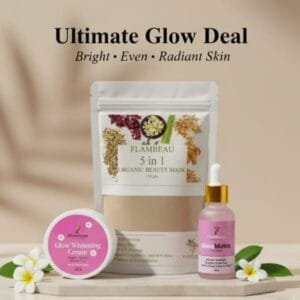
Remember, skincare is not about perfection—it’s about consistency and listening to your skin. Start with a high-quality witch hazel toner and incorporate it gradually into your routine. Pair it with a good moisturizer and sunscreen, and you’ll be well on your way to healthier-looking skin. For a complete skincare regimen, you might explore bundles like the Ultimate Glow Deal, which includes a range of products to enhance your glow. But always prioritize gentle, effective ingredients that respect your skin’s natural barrier.
If you have any doubts about using witch hazel, don’t hesitate to perform a patch test or consult a dermatologist. Your skin is unique, and what works for others might not work for you. But with its long history of use and proven benefits, witch hazel is definitely worth a try. So go ahead, pick up a bottle, and give your skin the natural, gentle toning it deserves!
Frequently Asked Questions
Can witch hazel toner be used on sensitive skin?
Yes, but you must choose an alcohol-free, fragrance-free formula. Always patch test first and start with once a day. If you experience irritation, discontinue use.
How often should I use witch hazel toner?
Most people can use it twice daily, but it depends on your skin type. Dry or sensitive skin may do better with once daily. Start with once a day and increase if your skin tolerates it.
Does witch hazel help with acne?
Witch hazel has anti-inflammatory and mild astringent properties that can help reduce redness and dry out pimples. However, it is not a cure for acne. Use it as a supportive step in your acne routine, not a standalone treatment.
Can I use witch hazel toner if I have dry skin?
Yes, but choose a hydrating formula with added glycerin or aloe. Always follow with a rich moisturizer to prevent dryness. If your skin feels tight, reduce frequency.
Written by Flambeau by Mishal Zain — sharing practical, affordable beauty and skincare tips.
Updated: September 2026