Struggling with oily, acne-prone skin? Learn how to pick a face wash that balances oil and clears breakouts, with expert tips and product recommendations.
For oily, acne-prone skin, the right face wash balances oil control with gentle cleansing—look for salicylic acid, niacinamide, or tea tree oil, avoid harsh sulfates and heavy creams, and wash twice daily with lukewarm water. Choose a gel or foam formula that rinses clean without stripping, and always follow with a lightweight moisturizer. Consistency matters more than price, so pick a product you can use daily.
Understanding Oily, Acne-Prone Skin
Oily skin happens when your sebaceous glands produce excess sebum, the natural oil that keeps skin lubricated. While sebum is essential, too much of it mixes with dead skin cells and can clog pores, leading to blackheads, whiteheads, and inflamed pimples. Acne-prone skin is especially reactive to clogged pores, so the goal of a face wash is to remove excess oil and debris without triggering more breakouts.
Many people assume that oily skin needs aggressive scrubbing or harsh “oil-stripping” cleansers, but that often backfires. When you strip away all the oil, your skin may sense it’s dry and produce even more sebum to compensate—a vicious cycle that leaves you oilier and more prone to breakouts. Instead, the right face wash should gently lift away impurities while maintaining your skin’s natural moisture balance.
The climate in Pakistan, especially in hot, humid cities like Karachi and Lahore, can make oily skin feel even more challenging. Sweat and humidity mix with sebum, increasing the likelihood of clogged pores. Choosing a face wash that suits your skin type—and your environment—is crucial for keeping your complexion clear and comfortable throughout the day.
Your skin’s needs also change with the seasons. In summer, you might need a more refreshing, deep-cleansing formula, while in winter, a slightly gentler option can prevent over-drying. Pay attention to how your skin feels after washing: if it feels tight and “squeaky clean,” your cleanser is probably too harsh. Aim for a comfortable, clean feeling without that stretched sensation.
Remember that no face wash works miracles overnight. It takes time for your skin to adjust and for active ingredients to show results. Consistency is key—stick with a gentle, well-matched cleanser for at least 4 to 6 weeks before evaluating its effectiveness. If you’re also using acne treatments, give them time to work alongside your cleanser.
Key Ingredients to Look For (and What to Avoid)
When scanning ingredient lists, look for salicylic acid, a beta-hydroxy acid that penetrates deep into pores to dissolve oil and dead skin cells. It’s particularly effective for blackheads and whiteheads. Also beneficial are niacinamide, which helps regulate oil production and soothes redness, and tea tree oil, a natural antibacterial that can reduce acne-causing bacteria. Other helpful ingredients include glycolic acid for gentle exfoliation, and zinc, which has anti-inflammatory properties.
On the flip side, avoid cleansers with alcohol (like SD alcohol or denatured alcohol) as they can dry and irritate your skin, triggering more oil. Also be cautious with sulfates like sodium lauryl sulfate (SLS) and sodium laureth sulfate (SLES)—they create foam but can be too stripping. Similarly, avoid fragrance and essential oils that can irritate acne-prone skin, and stay away from heavy oils like coconut oil or mineral oil in cleansers, as they may clog pores.
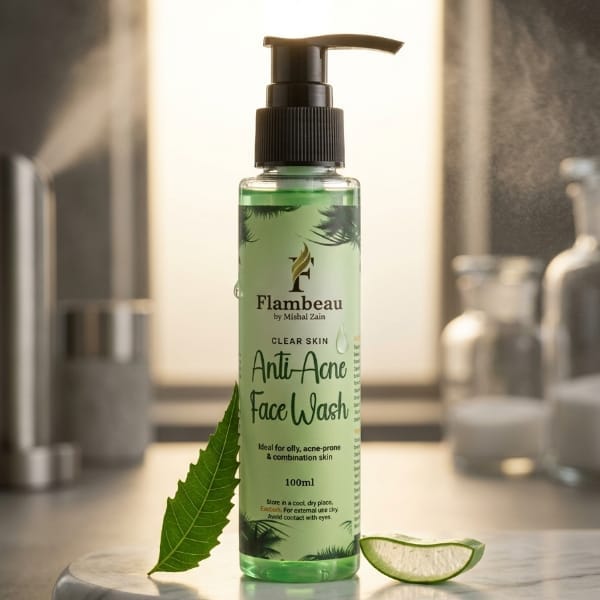
Let’s look at a few examples. A face wash with 2% salicylic acid is a classic choice for acne-prone skin. One such option is the Anti Acne Facewash for Pimples & Oil Control – Deep Cleansing Formula from Flambeau, which combines salicylic acid with tea tree oil and niacinamide. It’s designed to fight pimples and control excess oil without over-drying.
If your skin is oily but also has dark spots or an uneven tone, you might consider a brightening cleanser that still controls oil. The Whitening Face Wash – Brightening & Deep Cleansing from Flambeau uses ingredients like vitamin C and licorice extract to help fade post-acne marks while gently cleansing, making it a good option for those who want to address both oil and hyperpigmentation.

Remember, ingredient concentration matters. A cleanser that contains salicylic acid at 0.5% to 2% is effective, while anything higher can be irritating. Similarly, niacinamide at 2% to 5% is typical and well-tolerated, but higher percentages may cause flushing. Always check the label and start with a lower concentration if you have sensitive skin.
Finally, consider the pH level of your face wash. Your skin’s natural pH is around 4.5 to 5.5, slightly acidic. A cleanser with a pH in that range helps maintain your skin barrier, while high-pH (alkaline) cleansers can disrupt it, leading to dryness and increased oil production. Look for products that mention “pH balanced” or “mildly acidic.”
Step-by-Step Guide to Choosing Your Face Wash
Step 1: Identify your skin type and concerns. Is your skin simply oily, or do you also have inflamed acne, blackheads, or sensitive patches? For active breakouts, choose a cleanser with salicylic acid or benzoyl peroxide (but go easy with benzoyl peroxide—it can bleach fabrics and cause dryness). For mainly oily skin with occasional pimples, a gentler salicylic acid cleanser works well.
Step 2: Read the ingredient list thoroughly. Look for the key active ingredients mentioned earlier and avoid harsh sulfates, alcohol, and fragrance. If a product lists “parfum” or “fragrance” near the top of the ingredients, it’s best to skip it, as synthetic fragrance is a common irritant for acne-prone skin.
Step 3: Consider your other skincare products. If you use a leave-on exfoliant like a BHA or AHA toner, you might not need a high-percentage acid cleanser. Over-exfoliating can damage your skin barrier. Instead, choose a simple gel cleanser that focuses on oil control, and let your treatment products do the heavy lifting.
Step 4: Pick the right texture. For oily skin, gel or foam cleansers are usually the best bet because they rinse off cleanly without leaving a residue. Cream or lotion cleansers may be too heavy, especially if you live in a humid climate. Look for terms like “oil-free,” “non-comedogenic,” or “for oily/acne-prone skin” on the label.
Step 5: Test it on your jawline. Before using a new face wash all over, do a patch test on a small area like your jawline or behind your ear. Apply a small amount, leave it for a few minutes, then rinse. Wait 24 hours to see if any redness, itching, or breakouts occur. This is especially important if you have sensitive skin.
Step 6: Pay attention to how it feels after washing. After cleansing, your skin should feel clean but not tight. If it feels dry and stretched, the cleanser is too harsh. If it feels greasy or like there’s a film, it’s too rich. The ideal is a fresh, comfortable feeling with no residue.
Step 7: Consider your budget and availability. You don’t need to spend a fortune, but a good-quality face wash is an investment in your skin. In Pakistan, prices can range from a few hundred to a few thousand PKR. Flambeau offers affordable options like the Anti Acne Facewash, which is priced reasonably and easily available online or in stores.
Common Mistakes to Avoid
Mistake #1: Over-washing your face. Washing more than twice a day can strip your skin and trigger more oil. Unless you’re sweating heavily, stick to morning and night. If you exercise, you can rinse with water after your workout and follow with a gentle cleanser.
Mistake #2: Using hot water. Hot water removes natural oils too aggressively, leaving your skin dry and irritated. Always use lukewarm water to cleanse, and rinse thoroughly to ensure no product residue remains, which can clog pores.
Mistake #3: Skipping moisturizer. Even oily skin needs hydration. Skipping moisturizer can make your skin produce more oil to compensate. Use a lightweight, oil-free, non-comedogenic moisturizer after cleansing to keep your skin balanced.
Mistake #4: Exfoliating too often. Physical scrubs or harsh exfoliating brushes can cause micro-tears and worsen acne. If you use a chemical exfoliant in your cleanser, avoid additional exfoliation. Limit physical exfoliation to once a week if at all.
Mistake #5: Choosing a face wash based only on fragrance or packaging. Marketing can be misleading. Terms like “herbal” or “natural” don’t always mean suitable for acne-prone skin. Always check the ingredient list and ignore fancy claims.
Mistake #6: Switching products too frequently. It takes time for a cleanser to show results. If you change every few days, your skin never gets a chance to adjust. Give a new product at least two to three weeks before deciding if it works.
Mistake #7: Not considering your environment. If you live in a very humid area, you might need a stronger cleanser in summer and a gentler one in winter. Similarly, if you work in a dusty or polluted environment, you may need to double cleanse in the evening to remove all impurities.
Adapting Your Face Wash Choice to Your Skin Type
While “oily and acne-prone” is a common combination, there are variations. If your skin is oily but also sensitive, look for a cleanser with soothing ingredients like aloe vera or chamomile, and avoid strong acids. The Anti Acne Facewash from Flambeau is relatively gentle but still contains salicylic acid, so if you have very sensitive skin, you might prefer a mild foaming cleanser without active acne ingredients.
If you have oily skin with a lot of blackheads, a salicylic acid cleanser is your best friend. Use it consistently to help dissolve the plugs in your pores. If your main concern is inflammatory acne (red, swollen pimples), consider a cleanser with benzoyl peroxide, but use it only once a day to avoid irritation—or try a tea tree oil cleanser, which is antibacterial and less harsh.
For oily, acne-prone skin with dark spots or uneven tone, a brightening cleanser like the Flambeau Whitening Face Wash can be a smart addition to your routine. It helps fade post-acne marks while still controlling oil. You can alternate between an anti-acne cleanser and a brightening one—for example, use the anti-acne wash at night and the brightening wash in the morning.
If you’re on a budget, you can still find effective options. Drugstore brands often contain similar active ingredients to high-end ones. The key is to check the ingredient list rather than the price tag. In Pakistan, you can find decent gel cleansers for under 500 PKR, but be wary of super cheap products that may contain low-quality ingredients.
For those who prefer natural or herbal products, look for cleansers with neem, tea tree, or green tea extracts. These have antibacterial properties. However, always ensure the concentration is effective and the product is formulated for facial use, not just any herbal soap.
Remember, your face wash is just one step in a complete skincare routine. For more guidance, check out our blog for tips on building a routine for oily skin. And if you’re looking for more options, browse our face wash collection to find products tailored to your needs.
Building a Complete Routine Around Your Face Wash
Choosing the right face wash is essential, but it works best when paired with a consistent routine. In the morning, wash your face with a gentle cleanser, then apply a light moisturizer and sunscreen (at least SPF 30). At night, cleanse to remove makeup, sunscreen, and excess oil—you might need to double cleanse if you wear heavy makeup or sunscreen.
After cleansing, if you use a toner, choose one that is alcohol-free and has ingredients like witch hazel or niacinamide. Then apply a serum for your specific concerns, such as a niacinamide serum for oil control or a salicylic acid spot treatment for pimples. Finish with a lightweight moisturizer. Avoid heavy creams that can feel greasy.
Once a week, you can use a clay mask to deep-clean pores and absorb excess oil. However, don’t overdo it—clay masks can be drying if used too often. Also, consider exfoliating with a gentle chemical exfoliant (like 2% salicylic acid) once or twice a week, but if your cleanser already contains acids, you may not need extra exfoliation.
Your lifestyle also impacts your skin. Drink plenty of water, eat a balanced diet, and get enough sleep. Stress and lack of sleep can trigger hormonal breakouts. Exercise is great for circulation, but always cleanse after sweating—for more on this, read about how exercise and sweating affect your skin.
If you have large pores, you might be tempted to use pore strips or harsh scrubs. Instead, a consistent routine with salicylic acid can help minimize their appearance over time. For more advice, see our guide on best serums for tightening pores on oily skin.
Finally, always patch test new products and introduce them one at a time. If you experience severe irritation, stop using the product and consult a dermatologist. According to the American Academy of Dermatology, a good skincare routine includes cleansing, moisturizing, and sun protection, and it’s important to choose products suitable for your skin type.
Final Thoughts
Choosing the right face wash for oily, acne-prone skin doesn’t have to be overwhelming. Focus on gentle, non-stripping formulas with proven ingredients, and avoid harsh additives. Pay attention to how your skin responds and adjust as needed. Consistency is more important than perfection—a simple routine done daily will yield better results than constantly switching products.
Remember to be patient. It takes time to see improvements in oiliness and breakouts. Stick with your chosen face wash for at least a few weeks, and don’t forget the moisturizer and sunscreen. If your acne is severe or persistent, consider seeing a dermatologist for personalized advice.
We hope this guide helps you make an informed choice. For more skincare tips and product recommendations, explore our blog and our face wash range. Your journey to clearer, healthier-looking skin starts with the right cleanser—choose wisely, and be kind to your skin.
Frequently Asked Questions
Can I use a face wash with salicylic acid every day?
Yes, most people with oily, acne-prone skin can use a salicylic acid cleanser once or twice daily. Start with once a day to see how your skin reacts, then increase to twice if needed. Always follow with a moisturizer.
How long does it take to see results from a new face wash?
You may notice a difference in oiliness within a few days, but for acne improvement, give it at least 4 to 6 weeks of consistent use. Skin cell turnover takes time, so be patient.
Is it okay to skip moisturizer if my skin is oily?
No, even oily skin needs hydration. Skipping moisturizer can trigger more oil production. Use a lightweight, oil-free, non-comedogenic moisturizer to keep your skin balanced.
What is the difference between a gel and foam cleanser for oily skin?
Gel cleansers are typically more watery and can be very refreshing, while foam cleansers create a lather that can help remove excess oil. Both can work well; choose based on your preference and how your skin feels afterward.
Written by Flambeau by Mishal Zain — sharing practical, affordable beauty and skincare tips.
Updated: September 2026