Learn effective, non-trimming solutions for rough, dry hair ends. Explore deep conditioning, oils, protective habits, and product tips for healthier-looking...
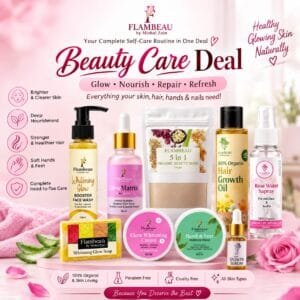
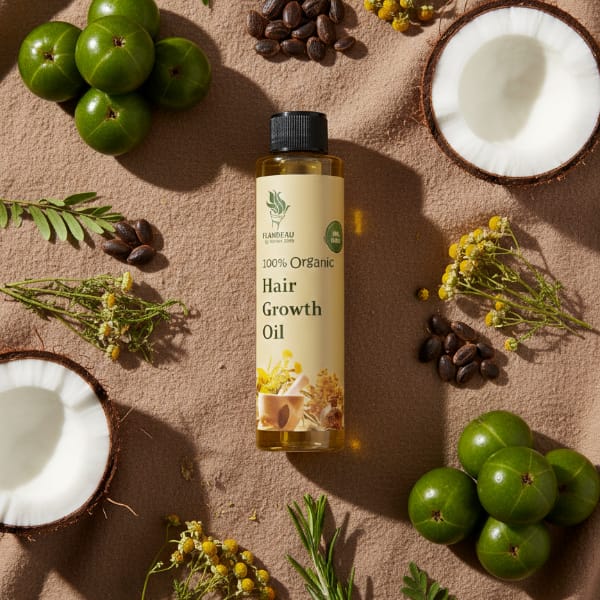
Rough, dry hair ends can be revived without trimming by focusing on intensive moisture, sealing with oils, and adopting protective habits. Key steps include using a deep conditioning mask weekly, applying a lightweight leave-in conditioner, and sealing with a nourishing oil like argan or jojoba. Avoiding heat styling, tight hairstyles, and harsh washing routines prevents further damage. Products like Hair Growth Oil – Strengthen & Nourish Hair Naturally can help improve the appearance of dry ends over time.
Why Hair Ends Get Rough and Dry (And What You Can Actually Do About It)
The ends of your hair are the oldest part of the strand, having endured months of washing, brushing, sun exposure, and styling. Each hair shaft is made of overlapping cuticle scales that protect the inner cortex. When these scales are intact, light reflects evenly, making hair look smooth and shiny. But as hair ages, the cuticle can lift, chip, or break, exposing the cortex and allowing moisture to escape. This is why ends feel rough, tangle easily, and look dull and frizzy. Environmental factors like Pakistan’s hot, dusty summers and humid monsoon season accelerate this damage, as does the use of hard water, which leaves mineral deposits on the hair.
Understanding that rough ends are a structural issue, not just a lack of oil, is the first step. You can’t truly ‘repair’ split ends—once the strand is split, only trimming removes it—but you can dramatically improve the appearance and feel of dry ends by smoothing the cuticle and adding moisture. Think of your ends like a wool sweater that’s pilling: you can’t un-pill it, but you can use a fabric shaver to make it look neat. Similarly, using the right products and techniques can temporarily ‘glue’ the cuticle down, reducing roughness and making ends look healthier.
One of the most effective approaches is to treat your ends with targeted moisture while avoiding anything that strips natural oils. This means switching to a sulfate-free shampoo that cleanses without harsh detergents, and focusing conditioner application on the mid-lengths and ends, not the scalp. Additionally, incorporating a weekly deep conditioning treatment provides intense hydration that penetrates the hair shaft. The key is consistency—one good mask won’t fix months of damage, but a regular routine will yield visible improvements within a few weeks.
Another factor is how you handle your hair when it’s wet. Wet hair is at its most fragile, and rubbing it with a towel causes friction that roughs up the cuticle. Instead, gently squeeze out excess water and wrap in a microfiber towel or a soft cotton t-shirt. Similarly, brushing wet hair with a regular brush can cause breakage; use a wide-tooth comb or a detangling brush designed for wet hair. These small changes prevent further damage, allowing your ends to retain the moisture you’re adding.
Finally, consider your diet and overall health. Dehydration, low iron, or lack of essential fatty acids can show up in your hair’s texture. Drinking enough water and incorporating foods rich in omega-3s (like fish, walnuts, and flaxseeds) can support hair health from the inside. While this won’t instantly fix rough ends, it creates a better foundation for the products you use.
Step-by-Step Routine to Smooth Rough Ends Without Trimming
Creating a consistent care routine is your best defense against rough ends. Start by pre-wash oiling once or twice a week. Warm a small amount of coconut, olive, or argan oil in your palms and apply it generously to the ends, working upward to the mid-lengths. Leave it on for at least 30 minutes, or overnight if your hair tolerates it. This pre-treatment provides a protective layer that reduces the drying effect of shampoo.
When you wash, use lukewarm or cool water—hot water strips natural oils. Massage shampoo only into your scalp, letting the suds rinse through the lengths rather than scrubbing them. Follow with a rich conditioner, applying it from the ears down. Leave it for two to three minutes, then rinse with cool water to help seal the cuticle. After washing, gently blot your hair with a microfiber towel, then apply a leave-in conditioner or a few drops of hair oil to damp ends. This locks in moisture and prevents tangles.
For a deeper treatment, use a DIY hair mask once a week. Mash half an avocado with a tablespoon of honey and a teaspoon of olive oil. Apply to damp hair, focusing on the ends, cover with a shower cap, and leave for 20-30 minutes. Rinse thoroughly and style as usual. Avocado provides fatty acids and vitamins, honey is a humectant that draws moisture, and olive oil seals it in. Alternatively, a banana and yogurt mask can be very effective—banana is rich in potassium and natural oils, while yogurt’s lactic acid gently smooths the cuticle.
Nighttime care is equally important. Before bed, apply a small amount of oil or a leave-in cream to your ends, then braid your hair loosely or twist it into a low bun. Sleeping on a silk or satin pillowcase reduces friction, preventing the roughness that cotton can cause. If you don’t have a silk pillowcase, you can wrap your hair in a silk scarf. This simple habit preserves your ends’ moisture and prevents tangling overnight.
Finally, protect your ends from heat. If you must use a blow dryer, flat iron, or curling wand, always apply a heat protectant spray and use the lowest effective heat setting. Aim to air-dry your hair at least 50% of the time. Over time, reducing heat exposure will make a noticeable difference in the smoothness of your ends.
Common Mistakes That Worsen Dry Ends (And How to Avoid Them)
Many well-intentioned habits can actually make rough ends worse. One of the biggest culprits is over-washing. Washing your hair daily strips it of its natural oils, leaving ends drier. Aim for two to three times a week, and use a dry shampoo in between if needed. Another mistake is applying conditioner to the scalp—this can weigh down roots and leave ends under-moisturized. Focus conditioner on the lengths and ends, where it’s needed most.
Using the wrong hairbrush is another common error. Boar bristle brushes are great for distributing oils from scalp to ends, but if used on dry, tangled hair, they can cause breakage. Instead, use a wide-tooth comb to detangle, and only brush with a boar bristle brush when your hair is smooth. Also, avoid brushing wet hair with a regular brush—always use a detangling brush or a wide-tooth comb.
Rubbing your hair with a towel is a frequent mistake. The friction from a standard terry cloth towel lifts the cuticle, creating frizz and roughness. Replace this with a microfiber towel or an old t-shirt, and gently squeeze rather than rub. Similarly, wringing out your hair tightly can cause breakage—squeeze gently and let it air-dry.
Another overlooked mistake is skipping regular deep conditioning. Many people use conditioner every wash but rarely do a deep mask. Weekly deep treatments are essential for maintaining moisture, especially if you have color-treated or heat-styled hair. If you don’t have a store-bought mask, a simple homemade version with egg and olive oil can work wonders. Egg provides protein, which strengthens the hair, while olive oil moisturizes.
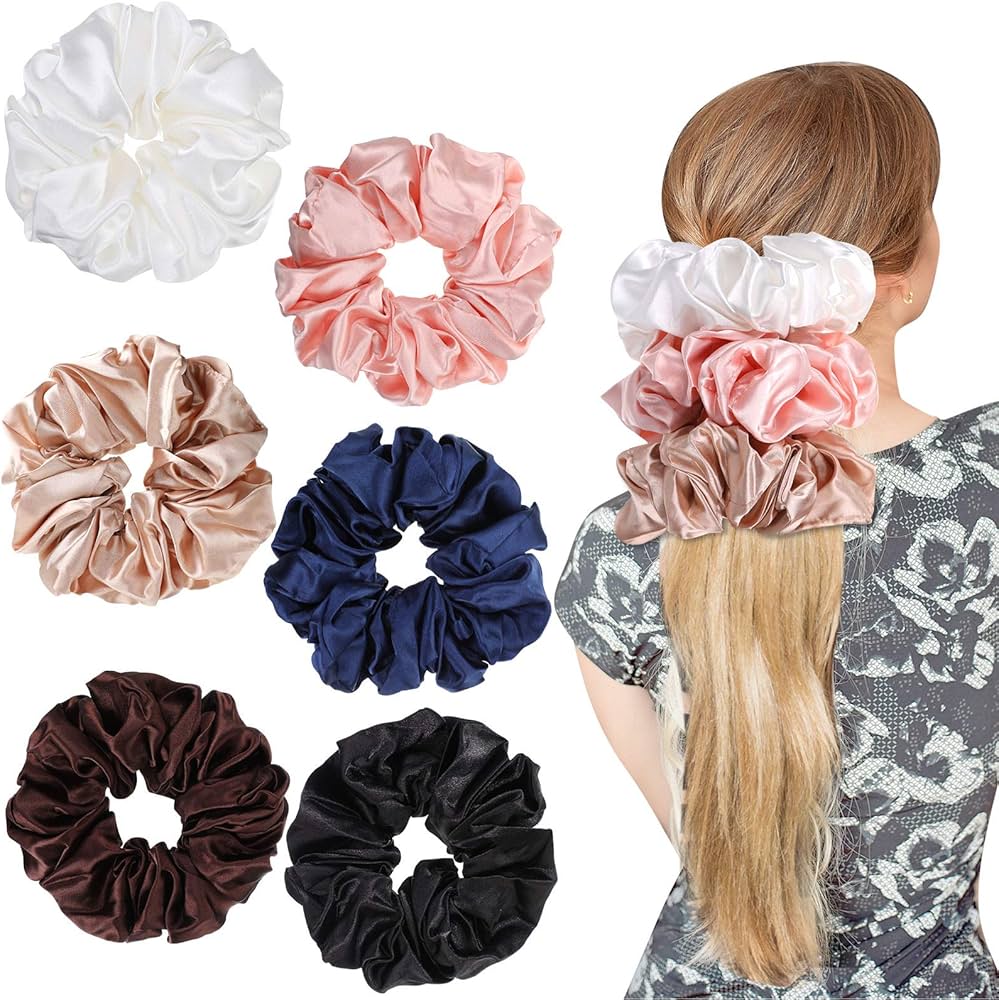
Finally, be mindful of your hairstyles. Tight ponytails, buns, and braids that pull on the ends can cause friction and breakage. Instead, choose loose, low styles that don’t stress the hair. Also, avoid elastic bands with metal parts—they can snag and tear the hair. Try spiral hair ties or scrunchies that are gentler on your strands.
What to Look for in Products for Dry Ends (Ingredients That Actually Help)
Not all hair products are created equal, and for dry ends, you need ingredients that hydrate, smooth, and protect. Look for humectants like glycerin, honey, and aloe vera, which draw moisture from the air into your hair. These are especially beneficial in Pakistan’s humid climate, but they can also help in dry winters. Emollients like shea butter, cocoa butter, and various plant oils (coconut, argan, jojoba) fill in gaps in the cuticle, making the hair feel smooth. Proteins like keratin, silk, and wheat protein can help strengthen the hair shaft, but don’t overuse them—too much protein can make hair stiff and brittle. Balance is key.
When choosing a conditioner, avoid products with sulfates (sodium lauryl sulfate) as they’re harsh detergents. Also, watch out for drying alcohols (like SD alcohol or isopropyl alcohol) that can evaporate moisture. Instead, look for fatty alcohols (cetyl, stearyl) which are moisturizing. Silicones like dimethicone are often used to coat the hair and provide instant smoothness, but they can build up over time and weigh hair down. If you use silicones, ensure you use a clarifying shampoo once a month to remove buildup.
For oils, choose ones that are lightweight and easily absorbed. Argan oil and jojoba oil are excellent for dry ends because they mimic your hair’s natural sebum. Coconut oil is heavier and great for pre-wash treatments, but it can be too heavy for everyday use on fine hair. A product like the Hair Growth Oil – Strengthen & Nourish Hair Naturally often contains a blend of nourishing oils beneficial for ends.
Leave-in conditioners and hair serums are also helpful. A leave-in conditioner with a water-soluble formula can provide ongoing moisture without buildup. Serums with a few drops of oil can be applied to damp or dry ends to tame frizz and add shine. Always apply these products to the ends first, then work upward if needed.
Finally, consider your hair’s porosity. If your hair is low porosity, it repels moisture, so you’ll need lighter products and heat to help them penetrate. High porosity hair absorbs moisture quickly but loses it just as fast, so heavier creams and oils work better. You can test porosity by placing a strand in a glass of water: if it floats, it’s low porosity; if it sinks, it’s high. Adjust your product choices accordingly.
Tailored Tips for Different Hair Types (Because One Size Doesn’t Fit All)
Your hair type significantly impacts how you should care for dry ends. Straight and fine hair tends to get oily at the roots but dry at the ends, especially if you wash daily. Use a lightweight conditioner and a few drops of a non-greasy oil like jojoba on the ends. Avoid heavy creams that can flatten your hair. Wash no more than every other day, and use dry shampoo to extend between washes.
Wavy hair often has a combination of textures, with the ends being prone to frizz and dryness. Use a sulfate-free shampoo and a moisturizing conditioner. Apply a leave-in cream and a gel or mousse to define waves and lock in moisture. Diffusing on low heat can help, but air-drying is best. At night, sleep on a silk pillowcase to reduce friction.
Curly and coily hair is naturally drier because oils from the scalp struggle to travel down the curly shaft. This means the ends are especially vulnerable. Focus on heavy moisturizers like shea butter and oils like coconut or castor. Use a deep conditioning mask weekly, and consider the ‘LOC’ method: Leave-in, Oil, Cream. Seal with a thick cream to lock in moisture. Avoid brushing dry curls—use a wide-tooth comb or your fingers only when wet.
For color-treated or heat-damaged hair, the cuticle is already compromised, so you need extra care. Use a color-safe, sulfate-free shampoo and a conditioner with hydrolyzed proteins to help rebuild strength. Limit heat styling and always use a protectant. A weekly bond-building treatment (like Olaplex) can help, but if that’s not in your budget, a simple egg mask can provide protein. Also, consider taking a break from hot tools for a few weeks to let your hair recover.
Lifestyle Habits That Support Healthy Ends (Beyond Products)
Your daily habits outside the shower can make a big difference in the condition of your ends. Protect your hair from the sun by wearing a hat or scarf, especially during Pakistan’s intense summer months. UV rays can damage the cuticle, making ends drier and more brittle. If you’re at the beach or pool, wet your hair with fresh water before swimming to reduce chlorine or salt absorption, and rinse thoroughly afterward.
Your diet plays a role too. Ensure you’re getting enough protein, iron, and omega-3 fatty acids. Foods like eggs, fish, spinach, and nuts support hair health. If you’re deficient, consider a supplement after consulting a doctor. Hydration is also crucial—drink at least 8 glasses of water a day to keep your hair cells plump and less prone to breakage.
Stress can also contribute to hair damage, as it can disrupt the hair growth cycle and lead to dryness. Incorporate stress-reducing activities like yoga, meditation, or a walk into your routine. Getting adequate sleep (7-9 hours) allows your body to repair, including your hair.
Finally, be gentle when handling your hair. Avoid tight hairstyles that pull on the ends, and use a wide-tooth comb to detangle. If you must use heat, keep the temperature low and always use a protectant. And remember, even with the best care, you’ll eventually need a trim to remove split ends—but by following these habits, you can extend the time between trims and keep your ends looking healthy.
For more tips on maintaining healthy hair, explore our blog and hair care range. If you’re dealing with hair fall as well, check out our guide on Stop Hair Fall from Tight Ponytails & Buns. For overall skin health, which can impact hair, see Natural Herbal Remedies for Hormonal Acne.
Frequently Asked Questions
Can dry hair ends be fixed without cutting them?
Yes, you can significantly improve the appearance and feel of dry ends with moisturizing treatments, oils, and protective habits. However, if ends are severely split, only trimming removes the damage, but regular care can prevent further splitting.
How often should I deep condition my hair for dry ends?
For most hair types, a deep conditioning treatment once a week is ideal. If your hair is very dry or damaged, you can do it twice a week, but avoid over-moisturizing as it can lead to limp hair.
What is the best oil for dry hair ends?
Argan oil and jojoba oil are excellent for dry ends because they are lightweight and mimic natural sebum. Coconut oil is great for pre-wash treatments but can be heavy for daily use on fine hair.
Can diet affect dry hair ends?
Yes, a diet lacking in essential fatty acids, protein, and vitamins can contribute to dry, brittle hair. Eating foods rich in omega-3s, iron, and biotin can support healthier hair from the inside.
Written by Flambeau by Mishal Zain — sharing practical, affordable beauty and skincare tips.
Updated: August 2026