Learn how to maintain soft, smooth hands despite frequent handwashing with a practical routine, key ingredients, and common mistakes to avoid. Perfect for...
To keep your hands soft and smooth despite frequent handwashing, you need to replace lost moisture and strengthen your skin barrier with every wash. Use lukewarm water, a gentle cleanser, and immediately apply a rich, ceramide-based hand cream or balm while skin is still damp. Carry a travel-size moisturizer with you and reapply after every handwash. Overnight, use a thicker barrier repair product or a glove mask. This consistent habit protects natural oils and prevents dryness and cracking.
Why Frequent Handwashing Dries Out Your Hands
Handwashing is essential for hygiene, but it is also one of the most drying activities for your skin. Each wash strips away not only dirt and germs but also the natural lipid barrier that keeps moisture locked in. This barrier—composed of ceramides, fatty acids, and cholesterol—acts like a brick-and-mortar shield. When it’s compromised, water escapes and irritants enter, leading to that tight, rough, and sometimes itchy feeling.
The problem is amplified in Pakistan’s climate, where temperature swings and dry air during winter months can sap additional moisture from your hands. Frequent sanitizers, especially alcohol-based ones, add to the damage by dissolving oils on contact. Over time, if you don’t replenish those lipids, your hands can develop fine lines, flakiness, and even painful cracks. Understanding this process is the first step toward prevention.
Your skin’s natural repair mechanism works best when it’s not constantly under attack. Every time you wash, you interrupt that repair cycle. That’s why a single application of moisturizer in the morning isn’t enough—you need to reapply after every wash. Think of your hand cream as a temporary shield that you reapply as often as you wash.
Moreover, the temperature of the water matters more than most people realize. Hot water feels soothing but it strips oils far more aggressively than lukewarm or cool water. Many people also use harsh antibacterial soaps that contain sulfates like sodium lauryl sulfate (SLS), which are notorious for their degreasing power. Switching to a mild, soap-free cleanser can make a huge difference.
Finally, the frequency of handwashing in professions like healthcare, food service, or even daily household chores means your hands are exposed to water and chemicals dozens of times a day. Without a proactive routine, dryness becomes chronic. The good news is that with the right techniques and products, you can maintain softness even with a high wash frequency.
Build a Barrier-Repairing Hand Care Routine
To counteract the effects of frequent washing, you need a routine that both protects and repairs. Start by choosing a gentle hand wash that is sulfate-free and pH-balanced, ideally around 5.5. This respects your skin’s natural acidity. Look for ingredients like glycerin, aloe vera, or oatmeal, which cleanse without stripping.
Immediately after patting your hands dry—don’t rub—apply a moisturizer while your skin is still slightly damp. This traps water in the outer layers. For daytime, use a lightweight lotion with humectants like hyaluronic acid or glycerin to draw moisture in, and emollients like shea butter or jojoba oil to smooth the skin. Reapply after every handwash, and keep a travel-size bottle at your desk, in your bag, and near every sink you use regularly.
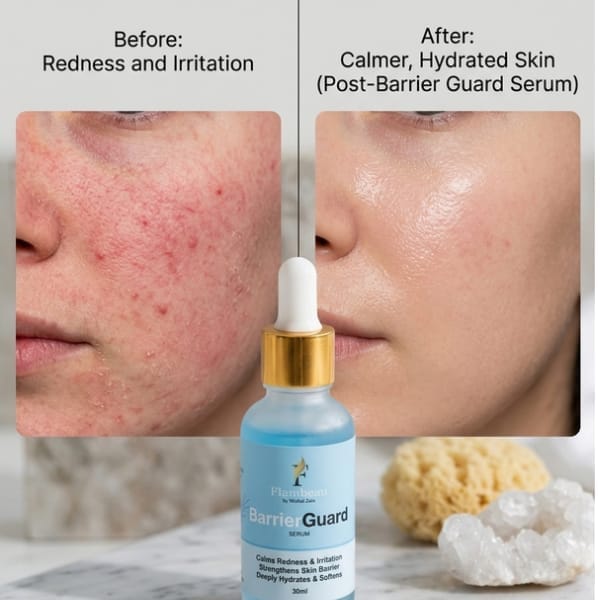
For nighttime, switch to a richer, more intensive product. This is where a barrier repair serum or a heavy balm comes into play. A product like Barrier Guard Serum 30ml | Skin Barrier Repair is designed to strengthen the skin’s natural protective layer with ceramides and peptides. Apply it generously before bed, and if your hands are very dry, follow with a layer of petroleum jelly or a thick ointment, then wear cotton gloves overnight. This allows the ingredients to work while you sleep, without rubbing off on your pillow.
Don’t forget your nails and cuticles. Dryness can cause hangnails and brittle nails. Massage a drop of cuticle oil or even a bit of your barrier serum into the nail beds each night. This keeps the entire hand area healthy and prevents painful splits.
Consistency is key. A routine only works if you stick to it. Set reminders on your phone or place sticky notes near sinks to prompt you to moisturize. Within a week, you should notice a difference in how your hands feel.
Daytime vs. Nighttime Strategy
Your daytime needs are different from nighttime. During the day, you need lightweight protection that absorbs quickly and doesn’t leave your hands slippery. Look for lotions with a non-greasy finish. At night, you can afford to use heavier, oil-rich products that take longer to absorb. This two-pronged approach ensures your hands get what they need around the clock.
If you’re outdoors a lot, especially in Pakistan’s sun, also use a hand cream with SPF during the day. UV rays can break down collagen and worsen dryness. While many hand lotions include SPF, you can also apply a facial sunscreen to the backs of your hands before heading out.
Do’s and Don’ts for Handwashing and Moisturizing
There’s a right way and a wrong way to wash your hands, and small adjustments can dramatically reduce dryness. Always use lukewarm water—hot water strips oils, cold water doesn’t clean as effectively. Use a mild, fragrance-free cleanser. Foaming soaps are often harsher, so choose a cream or gel-based wash.
When drying, pat your hands dry with a soft towel instead of rubbing. Rubbing creates friction and removes more moisture. Then, within 30 seconds, apply your moisturizer. This is the golden window when your skin is most receptive to hydration.
Don’t skip moisturizer even if your hands feel fine. The effects of stripping are cumulative. Also, avoid using too much sanitizer; if you must use it, choose one with at least 60% alcohol but follow with a hand cream as soon as you can.
Another mistake is wearing gloves inappropriately. If you’re doing household chores with water or cleaning agents, wear rubber gloves to protect your hands. But don’t wear them for long periods without ventilation, as trapped sweat can also irritate skin. And never wear damp gloves.
Finally, don’t pick at or peel dry skin. This can cause micro-tears and infections. Instead, gently exfoliate once a week with a sugar scrub or a soft brush to remove dead cells, and then immediately moisturize.
Common Mistakes That Keep Your Hands Dry
Many people make well-intentioned errors that sabotage their hand care. One of the biggest is using hand cream that contains alcohol as one of the first ingredients. Some lotions have denatured alcohol for a quick-dry feel, but it evaporates and takes moisture with it. Always check the ingredient list and avoid anything with alcohol listed before water.
Another mistake is applying moisturizer to dry hands without wetting them first. Moisturizers work best when they can trap existing water. If your hands are parched, apply a water-based toner or just splash some water on, then follow with your cream.
Neglecting your cuticles is also common. Dry cuticles can crack and become painful. Regularly massage cuticle oil or a rich balm into the nail base. This also prevents hangnails.
Some people think that using a heavier cream less often is better. In reality, lighter, more frequent applications are more effective. A thick cream once a day won’t protect your hands through multiple handwashes.
Finally, ignoring the rest of your body’s hydration status matters. If you’re dehydrated, your skin will be dry everywhere, including your hands. Drink plenty of water, especially in Pakistan’s hot summers, and consider using a humidifier in air-conditioned rooms during winter.
Choosing the Right Hand Care Products
Not all hand creams are created equal. Look for key ingredients that target barrier repair and moisture retention. Ceramides are essential—they fill the gaps in your skin’s barrier. Niacinamide helps boost ceramide production and soothes irritation. Shea butter and glycerin are excellent humectants and emollients.
For intense repair, consider products with panthenol (pro-vitamin B5) which has healing properties, or allantoin which calms and promotes cell renewal. If you have very damaged skin, look for products with petrolatum as an occlusive to lock in moisture.
When you shop, you’ll find products from local Pakistani brands that are formulated for our climate. For example, Flambeau by Mishal Zain offers a Barrier Guard Serum 30ml | Skin Barrier Repair that can be used on hands as well as face. It’s lightweight and absorbs well, making it perfect for daytime use under your regular hand cream.
If you have acne-prone skin, you might be worried about heavy creams causing breakouts on your hands, but that’s rarely an issue. However, if you’re using a product for your face, check if it’s non-comedogenic. For hands, even if you have acne, you can use a richer product because the skin on your hands is thicker and less prone to acne.
For those who prefer a budget-friendly approach, look for pharmacy brands that contain glycerin and liquid paraffin. These are effective and affordable. But if you’re willing to invest a bit more, a barrier serum will give you long-term benefits by strengthening your skin’s resilience.
Special Considerations for Different Skin Types
Even on your hands, skin type matters. If you have naturally oily hands, you might prefer a gel-based moisturizer that absorbs quickly. If your hands are extremely dry or you have conditions like eczema, choose fragrance-free, hypoallergenic products and avoid essential oils.
For sensitive hands that react easily, do a patch test on a small area before using a new product. Also, avoid products with drying alcohols, sulfates, and synthetic fragrances. For combination skin—oily palms but dry backs—you can apply a lighter lotion to palms and a richer cream to the backs.
People who work with their hands a lot, like mechanics or gardeners, need extra protection. Consider wearing gloves during tasks and using a barrier cream before starting work. Such creams form a protective film that makes it easier to wash off dirt without stripping your skin.
Weekly and Monthly Care for Extra Softness
In addition to your daily routine, a weekly pampering session can make a noticeable difference. Once a week, exfoliate your hands to remove dead skin cells. You can make a simple scrub at home using sugar and olive oil, or use a store-bought hand scrub. Gently massage for two minutes, then rinse and apply a thick layer of moisturizer or a mask.
For a deeper treatment, soak your hands in lukewarm milk or oatmeal water for 10 minutes. Milk contains lactic acid which gently exfoliates, while oatmeal soothes. After soaking, pat dry and apply a heavy balm or a product like the Barrier Guard Serum, then wear cotton gloves overnight.
Monthly, you could do a paraffin wax treatment, which is popular in salons but also available for home use. This deeply hydrates and softens. Alternatively, apply a thick layer of honey and leave on for 15 minutes before rinsing. Honey is a natural humectant and antibacterial.
Don’t forget your nail and cuticle health. Once a week, push back your cuticles and apply a nourishing nail oil. This prevents painful hangnails and keeps your hands looking neat and cared for.
If you have persistent dryness despite your efforts, consider using a Barrier Guard Serum 30ml | Skin Barrier Repair as an intensive treatment. Apply it nightly for two weeks, and you should see your hands become more resilient to washing.
Putting It All Together: Your Hand Care Routine
Now that you know the why and how, here’s a practical routine you can start today. Morning: Wash with a gentle cleanser, pat dry, apply a lightweight moisturizer with SPF. Throughout the day: After every handwash, reapply moisturizer from a travel-size tube. Keep one at your desk, in your bag, and in the kitchen.
Evening: Wash hands, apply a richer cream or serum. If you use a product like the Barrier Guard Serum, layer it under your regular hand cream. Before bed: Apply a thick layer of ointment or shea butter, and wear cotton gloves. This is optional but highly effective for very dry hands.
Once a week: Exfoliate and do a moisturizing mask. Also, check your cuticles and apply oil. If you have chronic issues, consider using a hand mask or a paraffin treatment.
Adapt this routine to your lifestyle. If you’re a healthcare worker, you’ll need to moisturize more often. If you’re at home, you can do more intensive treatments. The key is consistency.
Remember, the goal is not just softness but overall hand health. By following these steps, you’ll protect your skin barrier, prevent irritation, and keep your hands looking and feeling their best. And if you’re interested in more skincare tips, explore our blog for related articles like Daily Hand & Nail Grooming: A Pakistani Beauty Guide or How to Avoid Stripping Your Skin Barrier with Face Wash. You can also browse our Skin Care category for products that support your skin barrier.

Frequently Asked Questions
How often should I apply hand cream if I wash my hands frequently?
You should apply hand cream after every handwash, ideally while your hands are still slightly damp. Keep a travel-size moisturizer with you to make this a habit.
Can I use the same moisturizer on my hands and face?
Yes, but hand creams are often thicker and designed for the tougher skin on hands. If you have a face moisturizer with barrier-repairing ingredients, it can work on hands too, but you might need a richer product for hands.
What ingredients should I look for in a hand cream for frequent washing?
Look for ceramides, glycerin, shea butter, niacinamide, and panthenol. Avoid products with alcohol, sulfates, and synthetic fragrances.
Are there any home remedies for extremely dry hands?
Yes, you can soak your hands in lukewarm oatmeal water, apply honey as a mask, or use a mixture of sugar and olive oil to exfoliate. Then follow with a thick moisturizer.
Written by Flambeau by Mishal Zain — sharing practical, affordable beauty and skincare tips.
Updated: August 2026