Herbal hair rinses reduce dandruff gently by balancing scalp flora and soothing inflammation. Ingredients like neem, rosemary, and apple cider vinegar target the fungal overgrowth, dryness, or irritation behind flaking. Unlike medicated shampoos, they nourish hair strands without stripping natural oils.
Herbal hair rinses offer a gentle yet effective way to reduce dandruff by balancing scalp flora, soothing inflammation, and removing excess flakes without harsh chemicals. Ingredients like neem, rosemary, and apple cider vinegar target the root causes of dandruff—fungal overgrowth, dryness, or irritation—while nourishing hair strands. Unlike medicated shampoos that can strip natural oils, herbal rinses work with your scalp’s ecosystem, promoting long-term balance.
Why Dandruff Happens and How Herbal Rinses Help
Dandruff is not just dry skin; it’s often triggered by an overgrowth of a yeast-like fungus called Malassezia, which feeds on sebum. This leads to rapid skin cell turnover, causing visible flakes. Other causes include seborrheic dermatitis, product buildup, or a disrupted scalp microbiome. Herbal rinses address these issues naturally:
Antifungal and antimicrobial herbs like neem, tea tree, and rosemary directly inhibit Malassezia growth. A study from the American Academy of Dermatology notes that tea tree oil can reduce dandruff severity by 41% when used consistently. Astringent herbs like witch hazel or sage help control excess oil without over-drying, while soothing botanicals like chamomile and aloe vera calm inflammation and redness.
Unlike synthetic shampoos that may cause resistance over time, herbal rinses support the scalp’s natural defenses. They also improve blood circulation when massaged in, promoting healthier hair follicles. For Pakistan’s hot, humid climate, where fungal dandruff is common, a cooling rinse with peppermint or green tea can reduce itchiness instantly.
Many women find that switching to herbal rinses reduces the need for frequent washing. Instead of stripping oils daily, you train your scalp to self-regulate. Over 4-6 weeks, flaking decreases noticeably, and hair gains a natural shine from the botanical infusions.
Herbal rinses also remove product buildup from silicones and sulfates, which can clog follicles and worsen dandruff. Apple cider vinegar, for instance, dissolves mineral deposits and restores the scalp’s acidic pH (around 4.5–5.5), creating an environment where harmful fungi struggle to thrive.
If you have sensitive skin, herbal rinses are less likely to cause allergic reactions than synthetic alternatives. However, always patch test first on a small area behind your ear before applying to your entire scalp.
Best Herbal Ingredients for Dandruff-Fighting Rinses
Not all herbs are created equal for dandruff. The most effective ones target the scalp’s specific needs:
Neem (Azadirachta indica): A powerhouse antifungal and antibacterial. Neem leaves contain nimbin and nimbidin, compounds that disrupt fungal cell membranes. Boil a handful of fresh or dried neem leaves in 2 cups of water for 15 minutes, cool, strain, and use as a final rinse after shampooing. Use it twice a week for best results.
Rosemary (Rosmarinus officinalis): Improves circulation and has mild antifungal properties. It also stimulates hair growth by blocking DHT, a hormone linked to hair loss. Steep 2 tablespoons of dried rosemary in hot water for 30 minutes, then apply to scalp. Rosemary pairs well with apple cider vinegar for added pH balance.
Apple Cider Vinegar (ACV): Not an herb, but a staple in herbal rinses. ACV’s acetic acid kills fungus and bacteria while dissolving dead skin cells. Mix 2 tablespoons of raw, unfiltered ACV with 1 cup of water. Use once a week to avoid over-acidification. Always dilute it to prevent scalp burns.
Green Tea: Rich in polyphenols like epigallocatechin gallate (EGCG), which reduces sebum production and fights inflammation. Brew 2 green tea bags in 2 cups of boiling water, let cool, and use as a rinse. It’s especially helpful for oily scalps prone to dandruff.
Fenugreek (Methi) Seeds: Soaked overnight and ground into a paste, fenugreek soothes itching and reduces flakes. Its mucilage content coats hair strands, adding moisture. Rinse with fenugreek water after shampooing for a cooling effect.
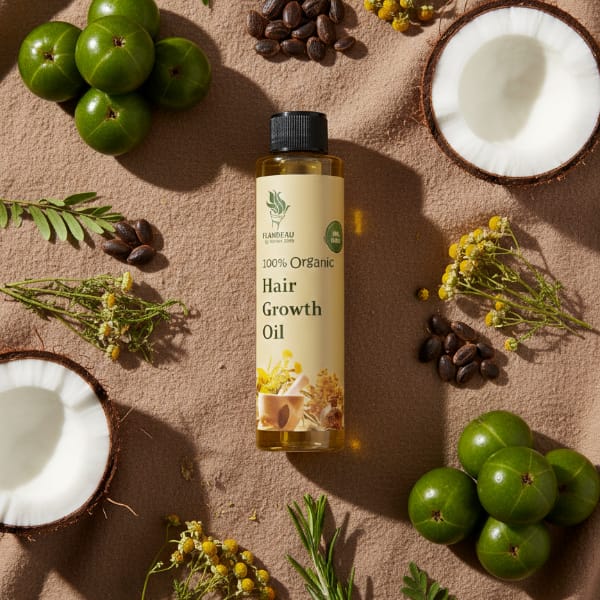
For a ready-to-use option, try Hair Growth Oil – Strengthen & Nourish Hair Naturally, which contains neem, rosemary, and other botanicals that support a healthy scalp environment while targeting dandruff and hair fall.
Step-by-Step: How to Make and Use Herbal Hair Rinses
Making an herbal rinse at home is simple, but technique matters for effectiveness. Follow these steps:
1. Choose your herbs based on your scalp type. For oily dandruff, use neem + rosemary + ACV. For dry dandruff, use chamomile + aloe vera + fenugreek. For sensitive scalp, use green tea + lavender + calendula.
2. Prepare the infusion: Boil 2 cups of water, add 2-3 tablespoons of dried herbs (or a handful of fresh), cover, and simmer for 15 minutes. Turn off heat and let steep for another 30 minutes. Strain through a fine sieve or muslin cloth. For ACV rinses, add the vinegar only after the infusion cools.
3. Cool to lukewarm – hot water can irritate the scalp. Test on your wrist before using.
4. Shampoo first with a mild sulfate-free shampoo to remove dirt and oil. This allows the herbal rinse to penetrate better. Rinse out shampoo completely.
5. Apply the herbal rinse by pouring it over your scalp in sections. Massage gently with fingertips for 2-3 minutes. Focus on the crown and back of the head where dandruff often accumulates.
6. Leave it on for 5-10 minutes. You can wrap your hair in a warm towel to enhance absorption. Do not exceed 10 minutes for ACV rinses to avoid dryness.
7. Rinse with cool water to seal the hair cuticle and lock in the herbs’ benefits. No need to shampoo again.
8. Repeat frequency: For moderate dandruff, use a herbal rinse 2-3 times per week. For maintenance, once a week is enough. Consistency over 4-6 weeks yields visible improvement.
If you prefer a ready-made product, explore the Hair Care category for blends that combine these herbs with carrier oils for easy application.
Common Mistakes to Avoid with Herbal Rinses
Even natural remedies can backfire if used incorrectly. Here are pitfalls to avoid:
1. Using undiluted apple cider vinegar. ACV is highly acidic (pH around 2-3) and can cause chemical burns or worsen irritation. Always dilute with water in a 1:4 ratio (1 part ACV to 4 parts water).
2. Leaving rinses on too long. Herbal infusions are not meant to sit for hours. Overexposure can lead to dryness or staining of light-colored hair. Stick to 5-10 minutes max.
3. Skipping the patch test. Some herbs like tea tree oil can cause contact dermatitis in sensitive individuals. Apply a small amount behind your ear or on your inner arm and wait 24 hours before full use.
4. Expecting overnight results. Herbal rinses work gradually by restoring balance. It may take 2-4 weeks to see reduced flaking. Consistency is key, not frequency.
5. Using herbs that stain. Henna, walnut, and certain teas can tint blonde or grey hair. If you have light-colored hair, stick to clear rinses like chamomile or rosemary.
6. Over-washing with clarifying shampoos. Harsh shampoos strip the scalp of beneficial oils, making dandruff worse. Use a gentle shampoo before your rinse, or try co-washing with conditioner on non-rinse days.
7. Ignoring diet and lifestyle. Dandruff is often linked to stress, poor diet, or hormonal changes. Pair herbal rinses with a balanced diet rich in zinc (pumpkin seeds) and B vitamins (eggs, leafy greens).
By avoiding these mistakes, you can maximize the benefits of herbal rinses and achieve a healthier scalp without the side effects of medicated shampoos.
Choosing the Right Herbal Rinse for Your Hair Type and Scalp
Different hair and scalp types respond best to specific herbs. Here’s how to tailor your rinse:
For Oily Scalp with Flakes
Use astringent and antibacterial herbs like sage, rosemary, and witch hazel. Add a splash of lemon juice (diluted) or ACV. These help regulate sebum production and reduce fungal growth. Rinse no more than twice a week to avoid stripping natural oils.
For Dry, Itchy Scalp
Opt for moisturizing herbs like marshmallow root, chamomile, and aloe vera. Soak fenugreek seeds overnight and use the water as a rinse. These soothe inflammation and provide hydration without making hair greasy. Follow with a lightweight conditioner.
For Sensitive or Inflamed Scalp
Choose calming herbs like calendula, lavender, and green tea. Skip citrus or ACV if they sting. Use lukewarm water and avoid vigorous scrubbing. A rinse with oatmeal water (boiled and strained) can also relieve itching.
For Dandruff with Hair Thinning
Combine antifungal herbs with growth stimulators like rosemary, peppermint, and nettle. Massage the rinse into the scalp to boost circulation. Consider adding a few drops of rosemary essential oil to the infusion (diluted in a carrier oil) for extra potency.
For a comprehensive approach, the Flawless Skincare Set Bundle includes products that complement a healthy scalp routine by addressing overall skin health, which is linked to dandruff severity.

When to See a Dermatologist
While herbal rinses are effective for most dandruff types, some cases require professional care. If you experience severe redness, swelling, weeping sores, or hair loss alongside flakes, consult a dermatologist. Persistent dandruff that doesn’t improve after 8 weeks of herbal treatment may indicate seborrheic dermatitis, psoriasis, or a fungal infection that needs medicated intervention.
Also, if your scalp becomes more irritated after using herbs, discontinue use and see a doctor. You may be allergic to a specific plant. A dermatologist can perform a patch test to identify triggers and recommend prescription treatments like ketoconazole or corticosteroids.
Remember, natural doesn’t mean risk-free. Listen to your scalp and adjust your routine accordingly. For more tips on holistic hair care, check out our blog for articles on seasonal scalp care and ingredient deep dives.
Frequently Asked Questions
How often should I use herbal hair rinses for dandruff?
Start with 2-3 times per week for moderate dandruff. Once flakes reduce, you can scale back to once a week for maintenance. Overuse can dry out the scalp.
Can I use apple cider vinegar every day?
No, daily use of ACV can disrupt your scalp's pH balance and cause irritation. Limit to once a week, always diluted with water (1:4 ratio).
Will herbal rinses stain my hair?
Some herbs like henna, walnut, or strong black tea can stain light-colored hair. For blonde or grey hair, stick to clear rinses like chamomile, rosemary, or green tea.
How long until I see results from herbal rinses?
Most people notice reduced itching and flaking within 2-4 weeks of consistent use. Full improvement may take 6-8 weeks as the scalp rebalances.
Written by Flambeau by Mishal Zain — sharing practical, affordable beauty and skincare tips.
Updated: July 2026