Discover how gram flour (besan) is used traditionally for skin care. Learn recipes, benefits, and tips for glowing skin. Perfect for Pakistani skin types.
Gram flour (besan) is a traditional skincare staple in Pakistan and South Asia, used for cleansing, exfoliating, and brightening. Mixed with yogurt, turmeric, or rose water, it forms gentle masks that remove dead skin, control oil, and improve skin texture. Its natural proteins and minerals make it a versatile, affordable beauty ingredient.
What Is Gram Flour and Why Is It Used in Skincare?
Gram flour, known as besan in Urdu and Hindi, is made from finely ground chickpeas (Cicer arietinum). Unlike refined wheat flour, besan is rich in protein, dietary fiber, and essential minerals like magnesium, potassium, and iron. In traditional South Asian households, it’s a pantry staple used for cooking, but its beauty applications date back centuries. The texture of besan is slightly coarse, making it a natural physical exfoliant, while its chemical composition offers mild oil-absorbing and brightening properties.
When mixed with liquids like water, yogurt, or rose water, besan forms a paste that can be applied to the face and body. This paste acts as a gentle cleanser, lifting dirt, sweat, and excess oil without stripping the skin’s natural moisture barrier. Unlike harsh soaps, besan is pH-balanced and suitable for most skin types. Gram flour is naturally rich in saponins, compounds that create a mild lather and help cleanse pores. It also contains phytoestrogens and antioxidants that may support skin repair and reduce the appearance of blemishes.
One of the reasons besan remains popular is its versatility. It can be customized with other natural ingredients to address specific concerns: turmeric for brightening, yogurt for hydration, lemon for oil control, or milk for nourishment. This adaptability makes it a go-to for DIY skincare enthusiasts. Additionally, besan is affordable and widely available in Pakistan, from local kiryana stores to supermarkets. A 500-gram pack typically costs between PKR 150 and 300, making it accessible for regular use.
From a scientific perspective, gram flour’s mild abrasive action helps slough off dead skin cells, promoting cell turnover and revealing fresher skin underneath. Its protein content may also help temporarily tighten the skin, giving a firmer appearance. While not a replacement for medical treatments, besan offers a gentle, natural option for maintaining healthy-looking skin. Many commercial skincare brands now incorporate gram flour into their products, but traditional homemade recipes remain a trusted method.
Traditional Gram Flour Recipes for Different Skin Needs
Traditional besan recipes vary by region and skin type. The most basic recipe is a simple paste of gram flour and water, but adding other ingredients enhances benefits. For oily or acne-prone skin, mix one tablespoon of besan with a pinch of turmeric and enough rose water to form a paste. Turmeric is anti-inflammatory and antibacterial, while rose water soothes and tones. Apply to the face, leave for 10-15 minutes, then rinse with lukewarm water. This combination helps control excess oil and calm active breakouts.
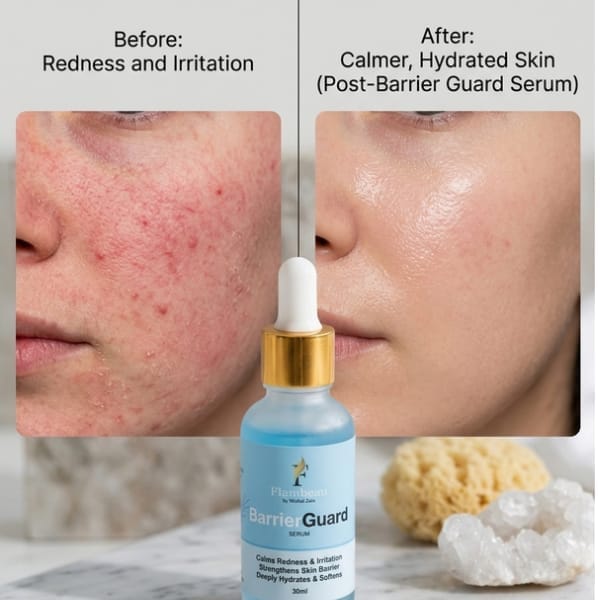
For dry or mature skin, combine besan with plain yogurt or milk. Yogurt contains lactic acid, a gentle exfoliant that hydrates while removing dead cells. Milk adds fats and proteins that nourish the skin. A typical recipe: two tablespoons besan, one tablespoon yogurt, and a teaspoon of honey. Honey is a humectant, drawing moisture into the skin. Leave the mask on for 15 minutes; it should not dry completely. Rinse gently and follow with a moisturizer like Barrier Guard Serum 30ml | Skin Barrier Repair to lock in hydration.
For dull or uneven skin tone, add a pinch of turmeric and a few drops of lemon juice to besan. Lemon juice is rich in vitamin C, which can brighten the skin, but it may irritate sensitive skin, so use sparingly. A safer alternative is tomato pulp, which contains natural acids and vitamins. Mix one tablespoon besan with one teaspoon tomato pulp and apply. This mask helps exfoliate and refresh the complexion. Always do a patch test before trying new ingredients.
For body care, besan can be used as a full-body scrub. Mix besan with water or yogurt and massage onto damp skin in circular motions, then rinse. This removes dead skin and leaves the body soft and smooth. In Pakistan, brides often use besan-based ubtans before weddings for a natural glow. These ubtans may include herbs like sandalwood, rose petals, and saffron, but besan is the base. The tradition continues because it works.
Step-by-Step Guide to Using Gram Flour for Skin
Using gram flour correctly ensures you get the benefits without irritation. Follow these steps for a safe and effective experience. First, always patch test any new mask on your inner arm or jawline. Wait 24 hours to check for redness or itching. Even natural ingredients can cause allergic reactions. Second, cleanse your face with a mild cleanser to remove makeup and surface dirt. This allows the besan mask to work more effectively.
Third, prepare the mask. Use a clean bowl and spoon. Mix your chosen ingredients to a smooth, spreadable consistency. It should not be too runny or too thick. A good ratio is one part liquid to two parts besan. Adjust as needed. Fourth, apply the mask evenly, avoiding the delicate eye area and lips. Use your fingers or a clean brush. Leave it on for 10-15 minutes. Do not let it dry completely if you have dry skin; for oily skin, you can let it dry slightly.
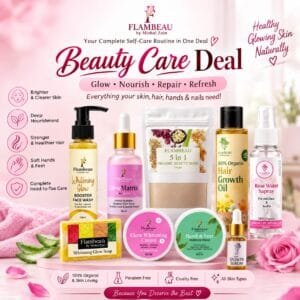
Fifth, rinse with lukewarm water. Use gentle circular motions to exfoliate as you rinse. Avoid hot water, which can strip natural oils. Sixth, pat your face dry with a soft towel. Immediately follow with a toner and moisturizer. A hydrating mist like Rose Water Spray 100% Organic – Refresh & Hydrate Skin can soothe and rebalance the skin’s pH. Then apply a moisturizer suited to your skin type.
Seventh, frequency matters. For most skin types, using a besan mask once or twice a week is sufficient. Over-exfoliating can damage the skin barrier, leading to sensitivity and breakouts. If your skin feels tight or dry after the mask, reduce frequency or add more moisturizing ingredients like yogurt or honey. For body scrubs, you can use besan up to three times a week. Always listen to your skin.
Common Mistakes to Avoid with Gram Flour
While besan is generally safe, certain mistakes can reduce its benefits or cause harm. Using coarse or stale flour can scratch the skin. Always choose finely milled, fresh gram flour. If it smells musty or is clumpy, discard it. Another mistake is adding too much lemon or turmeric. Lemon juice is highly acidic and can burn or cause photosensitivity, especially in Pakistan’s strong sun. Turmeric can stain the skin yellow if used in excess. Use just a pinch.
Many people leave the mask on until it cracks, thinking it will draw out impurities. This actually dehydrates the skin and can lead to irritation. Never let the mask dry completely; remove it while still slightly damp. Also, avoid using besan on broken or inflamed skin. If you have active acne with open sores, skip the scrub and consult a dermatologist. For those with sensitive skin, test with plain besan and water first before adding other ingredients.
Another common error is not moisturizing after. Besan masks can be drying, so follow with a hydrating serum or cream. Not doing so can leave skin tight and flaky. Also, don’t mix besan with harsh chemicals or unknown ingredients. Stick to natural, skin-safe additives. Finally, don’t expect overnight results. Natural skincare works gradually. Consistent use over weeks will show improvements in texture and clarity.
Choosing the Right Gram Flour and Ingredients
Not all gram flour is created equal. When buying besan, look for fine, pale yellow flour with a fresh, nutty aroma. Avoid flour that is dark, coarse, or has black specks, which may indicate impurities. In Pakistan, popular brands include Ahmed, Bake Parlor, and local chakki mills. If possible, buy from a trusted source to ensure quality. Organic besan is available but may cost more; however, it reduces exposure to pesticides.
For ingredients, choose full-fat yogurt for dry skin and low-fat for oily skin. Honey should be raw and unpasteurized for maximum benefits. Rose water should be pure, not synthetic, to avoid irritation. Turmeric should be pure, without fillers. If you have sensitive skin, opt for soothing ingredients like aloe vera gel or oatmeal instead of lemon. For brightening, consider tomato or papaya pulp, which are gentler than citrus.
When incorporating besan into your routine, pair it with other natural products. For a complete skincare regimen, explore our Skin Care category for cleansers, toners, and moisturizers that complement natural masks. Also, check our blog archive for more DIY skincare tips and ingredient guides. If you’re interested in other traditional ingredients, read our post on Complete Hair Care Tips Before & After Swimming for hair-related natural care.
Adapting Gram Flour Masks for Different Skin Types
Skin type determines how you should use besan. For oily skin, use besan with rose water and a pinch of turmeric. This combination absorbs excess oil and reduces shine. You can also add a teaspoon of multani mitti (fuller’s earth) for extra oil control. Apply twice a week. For dry skin, mix besan with yogurt, honey, and a few drops of olive oil. This hydrates while gently exfoliating. Limit to once a week to avoid over-drying.
For combination skin, use besan with rose water and a teaspoon of yogurt. Apply more yogurt to dry areas and more rose water to oily zones. For sensitive skin, use plain besan with milk or aloe vera gel. Avoid turmeric, lemon, and other potential irritants. Do a patch test every time you introduce a new ingredient. For acne-prone skin, besan with neem powder and rose water can help. Neem is antibacterial and reduces inflammation. But if acne is severe, consult a dermatologist.
For mature skin, besan with mashed banana and honey provides vitamins and moisture. Banana is rich in potassium and vitamins A and C, which support skin repair. For body skin, especially on rough areas like elbows and knees, use a scrub of besan, sugar, and coconut oil. This sloughs off dead cells and moisturizes simultaneously. Adjust recipes based on your skin’s response, and always prioritize gentle care.
Remember, traditional skincare is about nourishment, not quick fixes. Gram flour is a gentle, effective ingredient that can be part of a healthy routine. For more personalized advice, consult a dermatologist or skincare professional. According to the American Academy of Dermatology, gentle cleansing and moisturizing are key to skin health, and natural ingredients like besan can fit into that framework when used correctly.
Gram Flour vs. Commercial Exfoliants
Many commercial scrubs contain microplastics or harsh beads that can damage the environment and irritate skin. Gram flour offers a biodegradable, gentle alternative. Its particles are irregular but soft enough for most skin types. However, if you prefer a finer texture, you can sift the flour before use. Unlike chemical exfoliants like salicylic acid, besan provides physical exfoliation, which may be better for thicker skin but less ideal for sensitive or acne-prone skin. For chemical exfoliation, consider a retinol serum, but read our guide on How Retinol Serum Works and Who Should Avoid It before incorporating it.
Gram flour also differs from commercial cleansers, which often contain sulfates and fragrances. Besan is free from synthetic additives, making it a good choice for those with sensitivities. However, it may not remove heavy makeup or waterproof sunscreen. Use a proper cleanser first, then follow with a besan mask for exfoliation. This two-step approach ensures thorough cleansing without stripping.
Storage and Shelf Life
Store gram flour in an airtight container in a cool, dry place. Moisture can cause clumping and spoilage. Properly stored, besan lasts up to six months. If it develops an off smell or changes color, discard it. For extended shelf life, keep it in the refrigerator. When making masks, use fresh ingredients and discard any leftover paste. Never store mixed masks, as bacteria can grow quickly.
Safety and Precautions
While gram flour is natural, it’s not hypoallergenic for everyone. Those with chickpea allergies should avoid it. If you experience redness, itching, or swelling, stop use immediately. If symptoms persist, consult a doctor. Also, avoid getting besan in your eyes; rinse with water if it happens. For best results, use besan as part of a balanced skincare routine that includes sun protection. In Pakistan’s intense sun, always apply sunscreen before going outdoors, even if you’re using natural ingredients.
Incorporating gram flour into your skincare can be a rewarding, cost-effective way to maintain healthy-looking skin. With a little experimentation, you can find the perfect recipe for your skin type and enjoy the benefits of this traditional beauty secret.
Frequently Asked Questions
Can I use gram flour (besan) on my face every day?
No, using gram flour daily can over-exfoliate and irritate your skin. For most skin types, once or twice a week is sufficient. If you have oily skin, you might use it twice a week, but always monitor your skin's reaction.
Is gram flour safe for sensitive or acne-prone skin?
Gram flour is generally safe, but sensitive skin should use it with soothing ingredients like yogurt or aloe vera and avoid turmeric or lemon. For acne-prone skin, besan with neem or rose water can help, but if acne is severe, consult a dermatologist.
What are the best ingredients to mix with gram flour for glowing skin?
For glowing skin, mix besan with yogurt, honey, and a pinch of turmeric. Yogurt exfoliates and hydrates, honey moisturizes, and turmeric brightens. For oily skin, rose water and a drop of lemon juice can help control oil.
Does gram flour help with tan removal?
Yes, gram flour can help remove tan when combined with yogurt or tomato pulp. Its mild exfoliating action removes dead skin cells, revealing fresher, less tanned skin underneath. Use once a week for best results.
Written by Flambeau by Mishal Zain — sharing practical, affordable beauty and skincare tips.
Updated: September 2026