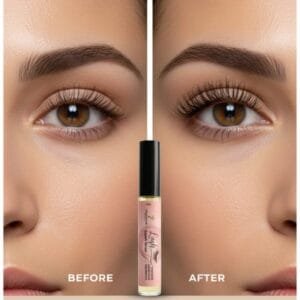
Discover the best serum for reducing fine lines around the eyes. Learn key ingredients, how to apply, and top products for smoother, younger-looking skin.
The best serum for reducing fine lines around the eyes is one that combines hydrating ingredients like hyaluronic acid with peptides and antioxidants, such as vitamin C or retinol, to plump and firm the delicate under-eye area. Look for a lightweight, fragrance-free formula specifically designed for the eye contour, and apply it gently with your ring finger. For a targeted solution, consider serums from brands like Flambeau by Mishal Zain that offer effective, skin-loving ingredients.
Understanding Fine Lines Around the Eyes
The skin around your eyes is remarkably thin—about 0.5mm thick compared to the rest of your face, which is roughly 2mm. This makes it far more susceptible to showing signs of aging, especially fine lines. These creases appear due to a combination of factors: natural collagen and elastin production slows down as we age, the skin loses moisture easily, and repetitive facial expressions like squinting or smiling cause dynamic lines that eventually become etched in. Additionally, environmental aggressors like UV radiation and pollution break down the skin’s supportive structure over time, accelerating the formation of wrinkles.
Your lifestyle plays a huge role too. Skimping on sleep, eating a diet high in sugar, and not drinking enough water can all make fine lines more pronounced. Dehydrated skin cells shrink and make lines look deeper, while a buildup of advanced glycation end products (AGEs) from sugar can stiffen collagen. Even your sleeping position matters—sleeping on your stomach or side presses your face into the pillow, creating compression lines that can persist. Understanding these causes is the first step to choosing a serum that addresses the real issues: hydration, collagen support, and protection.
Not all fine lines are the same. You might have dryness lines—temporary creases that appear when your skin lacks moisture and plump up with a good hydrating serum. Then there are expression lines, which start as dynamic wrinkles when you smile or frown but eventually become static. Finally, sun damage can cause a leathery texture and tiny wrinkles, often on the upper cheeks and under-eye area. A well-chosen serum can target these different types, but it’s important to have realistic expectations: no topical product erases deep wrinkles, but a good serum can visibly soften fine lines, prevent new ones, and make the area look smoother and more radiant.
The eye area is also prone to specific concerns like dark circles and puffiness, which often accompany fine lines. While a serum might not completely eliminate dark circles—especially if they’re hereditary or due to allergies—it can improve the overall appearance by boosting circulation and hydration. For puffiness, ingredients like caffeine can help constrict blood vessels, reducing swelling. When you’re selecting a serum, think about your full set of concerns: fine lines, dark circles, puffiness, dryness. The best serum for you will multitask without causing irritation, because the eye skin is easily sensitized.
Finally, remember that consistency is key. No serum works overnight. You need to use it daily for at least 4-6 weeks to see noticeable improvements. Also, a serum is not a standalone solution—it works best as part of a complete skincare routine that includes a gentle cleanser, moisturizer, and daily sunscreen. For more on building a solid routine, you might find our skincare blog helpful. But first, let’s dive deep into the ingredients that actually work.
Key Ingredients to Look For
When scanning the label of an eye serum, look for a blend of powerhouse ingredients that target hydration, collagen, and repair. Hyaluronic acid is a humectant that draws moisture into the skin, plumping up fine lines and giving a dewy, smooth finish. It’s especially effective for dry lines. Peptides are short chains of amino acids that signal your skin to produce more collagen and elastin, helping to firm and thicken the under-eye area over time. Many peptide serums also contain copper peptides, which have wound-healing and antioxidant properties, further supporting skin structure.
Another star ingredient is retinol (or its gentler derivative, retinaldehyde). Retinol is a vitamin A compound that accelerates cell turnover, boosting collagen production and fading fine lines. However, it can be irritating, especially for the thin eye skin, so opt for a low concentration (0.1-0.3%) and start by using it only two to three times a week. Always apply retinol at night and use sunscreen during the day, as it increases sun sensitivity. If you have sensitive skin, you might prefer bakuchiol, a plant-based alternative that offers similar benefits without the irritation.
Antioxidants are crucial for protecting against environmental damage. Vitamin C (in the form of ascorbic acid or a stable derivative like magnesium ascorbyl phosphate) neutralizes free radicals and brightens the area, helping to fade dark circles and prevent collagen breakdown. Vitamin E and ferulic acid often accompany vitamin C to boost its stability and effectiveness. Green tea extract, with its polyphenols, is another soothing antioxidant that also has anti-inflammatory properties, which can calm the delicate eye area.
Don’t overlook niacinamide (vitamin B3). It strengthens the skin barrier, improves elasticity, and reduces redness and blotchiness. It also helps to keep pores clear, though pores are less of an issue around the eyes. Niacinamide is well-tolerated by most skin types and pairs nicely with other actives. Caffeine is a vasoconstrictor that can temporarily reduce puffiness and dark circles by shrinking dilated blood vessels. It also gives a refreshing boost to the skin. Some serums combine caffeine with hyaluronic acid and peptides for a multi-tasking formula.
Finally, consider the base of the serum. Look for formulas that are free of alcohol, fragrance, and essential oils, as these can irritate the eye area. Instead, the base should contain soothing and hydrating agents like glycerin, aloe vera, or squalane. When you find a serum that combines these ingredients harmoniously, you’re on the right track. For example, Flambeau by Mishal Zain’s Beauty Care Deal might include a serum that fits the bill, but always check the ingredient list for these key actives.

How to Choose Based on Your Skin Type and Concerns
Your skin type dictates how you should approach an eye serum. For **dry skin**, you need a serum that is rich in humectants and emollients. Look for a high concentration of hyaluronic acid, glycerin, and ceramides. A slightly thicker, cream-like serum or one that contains squalane will help lock in moisture. Avoid serums with alcohol or witch hazel, which can strip the skin further. Dry skin tends to show fine lines more prominently, so intense hydration is your first line of defense.
If you have **oily or combination skin**, you might be tempted to skip eye cream, but you still need a light, gel-based serum. Choose a formula with hyaluronic acid and niacinamide, which hydrate without feeling heavy. Avoid heavy oils like coconut or mineral oil that could migrate and clog pores, leading to milia (tiny white bumps). Even though your skin is oily, the under-eye area can still be dry and needs hydration. A lightweight serum will absorb quickly and not interfere with your makeup.
**Sensitive skin** demands extra caution. Your skin reacts easily to fragrances, essential oils, and strong actives. Opt for a fragrance-free, hypoallergenic serum that contains soothing ingredients like aloe, chamomile, or allantoin. Peptides and hyaluronic acid are generally well-tolerated, but retinol and high-dose vitamin C might cause stinging. Start with a patch test behind your ear or on your inner arm for 24 hours before applying to the eye area. Also, consider a serum with a low concentration of actives and introduce it slowly, using it every other day at first.
For **aging skin** with deep wrinkles and loss of elasticity, you might need a more potent serum. Look for a combination of retinol, peptides, and ceramides. Retinol will boost collagen, while peptides support the skin’s structure, and ceramides replenish the lipid barrier. If you have very mature skin, you might also appreciate a serum that contains growth factors or stem cell extracts, but these can be pricey. Remember to pair your serum with a rich moisturizer to seal in the actives and provide a barrier against moisture loss.
If your primary concern is **dark circles**, you’ll want a serum with vitamin C, niacinamide, and caffeine. Vitamin C brightens pigmentation, niacinamide reduces redness and strengthens the skin, and caffeine constricts blood vessels to minimize discoloration from vascular causes. For **puffiness**, caffeine and other de-puffing agents like green tea extract are your best friends. Apply the serum cold (store it in the fridge) to enhance the de-puffing effect. If you have multiple concerns, look for a serum that addresses all of them, but be mindful not to overload your skin with too many actives at once.
No matter your skin type, always **always patch test first** and introduce new serums gradually. When you find a serum that works, you’ll notice a smoother, more hydrated eye area within a few weeks. For a comprehensive solution, you might check out the Acne Care Bundle—even if you don’t have acne, it might include a gentle serum suitable for your needs, but again, always examine the ingredients.
How to Apply Eye Serum: Step-by-Step Guide
Proper application is as important as the serum itself. Wrong techniques can cause eye irritation or reduce effectiveness. Here’s a step-by-step guide:
Step 1: Cleanse your face gently with a mild cleanser. The skin around your eyes is delicate, so avoid harsh rubbing. Pat dry with a soft towel. For an effective cleanse, check out our article on micellar water vs. face wash to decide which is better for your skin.
Step 2: Dispense a pea-sized amount of serum onto your ring finger. The ring finger has the least pressure, so it won’t tug the skin. If your serum comes with a dropper, use one drop per eye—more is not better, as excess product can cause irritation.
Step 3: Apply the serum in a dotting motion from the inner corner (near the nose) to the outer corner, and then along the brow bone. Do not rub or pull. Gently pat the serum into the skin until it’s absorbed. This helps stimulate circulation and prevents the serum from pooling in the creases.
Step 4: Wait 60 seconds for the serum to absorb before applying any other products. This prevents pilling (when products roll off) and ensures the actives penetrate effectively. If you’re using an eye cream over the serum, wait at least 2 minutes.
Step 5: Follow with moisturizer to seal in the serum’s hydration. Use a gentle, fragrance-free moisturizer that won’t migrate into your eyes. Apply it over your entire face, including the eye area, but avoid getting it too close to the lash line.
Step 6: Apply sunscreen in the morning. The eye area is prone to sun damage, which exacerbates fine lines. Use a broad-spectrum SPF 30+ that is safe for the eye area, or wear sunglasses that block UV rays. This is non-negotiable, especially if your serum contains retinol or vitamin C.
Step 7: Use consistently—apply morning and night, or as directed on the product label. Most serums are used twice daily, but some active ingredients like retinol are used only at night. Set a reminder if needed. Consistency is the secret to seeing results.
If you wear makeup, apply your eye serum before your makeup or as part of your evening routine. Always be gentle when removing makeup around the eyes; using a dedicated eye makeup remover and a cotton pad, and avoid rubbing. For more on cleansing, you might find our guide on how to cleanse effectively useful. Remember, the skin around your eyes is fragile, so treat it with care.
Common Mistakes to Avoid
Even with the best serum, you can undermine your results by making these common mistakes. First, skipping sunscreen is a cardinal sin. UV exposure is the leading cause of premature aging, and without daily SPF, your serum’s effects are minimal. The sun breaks down collagen and creates free radicals, so always apply sunscreen around your eyes. Choose a mineral sunscreen with zinc oxide or titanium dioxide, which are less likely to sting your eyes.
Second, over-applying product can cause milia—tiny white cysts that form when the skin is overloaded with heavy creams or serums. Stick to a pea-sized amount total for both eyes. More serum doesn’t mean better results; it just increases the risk of irritation and waste. Similarly, applying too frequently—like using retinol every night when you’ve just started—can cause redness, peeling, and burning. Always follow the instructions and introduce actives gradually.
Third, rubbing your eyes is another habit that worsens fine lines. Rubbing stretches the skin and can break capillaries, leading to dark circles. Instead, use a cold compress or a soothing eye gel to relieve itchiness. If you have allergies, treat them with an antihistamine, but avoid rubbing. Also, be careful when removing eye makeup; don’t tug at the skin. Use gentle, downward strokes with a cotton pad soaked in micellar water.
Fourth, neglecting your neck and chest is a missed opportunity. The skin on your neck and chest is also thin and prone to fine lines. While your eye serum is for the eye area, you might extend its benefits by applying a few drops to your neck and chest, but only if the product is rich enough. Otherwise, use a separate neck cream. The key is to treat the entire area as part of your anti-aging routine.
Fifth, expecting overnight results leads to disappointment. Most serums take 4-6 weeks of consistent use to show visible improvements. Don’t switch products every week because you don’t see instant results. Give each product a fair trial. Also, be aware that your skin’s condition can fluctuate with stress, sleep, and hormonal changes, so some days your fine lines might look deeper. That’s normal.
Finally, using the wrong product for your skin type can do more harm than good. If you have oily skin and use a heavy oil-based serum, you might clog your pores and cause breakouts around your eyes (yes, it can happen). If you have dry skin and use a gel-based serum with lots of alcohol, it can worsen dehydration. Always choose a serum that suits your skin type and concerns. For more guidance, check out our article on choosing a hydrating serum for oily, dehydrated skin—the principles apply to the eye area too.
Top Product Recommendations and Alternatives
While there are countless eye serums on the market, not all are created equal. Here are some top picks based on different needs, including options from Flambeau by Mishal Zain that you can trust for quality and efficacy.
For a **budget-friendly yet effective option**, consider the Flambeau by Mishal Zain Beauty Care Deal, which often includes a hydrating serum suitable for the eye area. This deal is perfect if you’re new to eye serums and want to try a gentle formula without breaking the bank. It typically contains hyaluronic acid and vitamin E, which are great for dry lines.
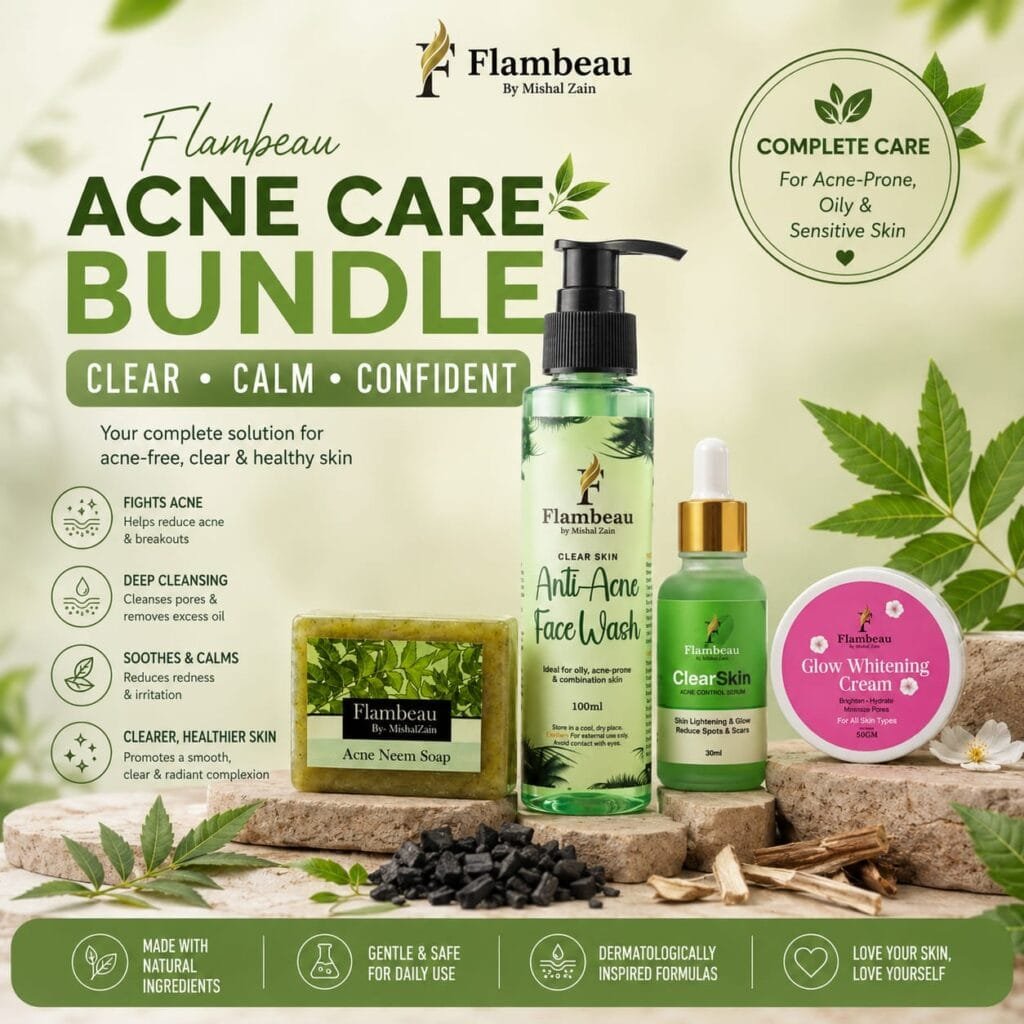
If you struggle with **acne-prone skin** but also have fine lines, the Acne Care Bundle might surprise you—it may include a serum with niacinamide, which helps both acne and fine lines. Niacinamide is non-comedogenic, so it won’t clog pores, and it strengthens the skin barrier. However, always check if the serum is suitable for the eye area; if not, use a dedicated eye serum.
For a **luxury treatment**, you might look for serums containing a high concentration of peptides and growth factors. Brands like SkinCeuticals and Estée Lauder offer premium options, but they come with a higher price tag. If you’re in Pakistan, you can find these in high-end department stores or online, but they might cost anywhere from PKR 15,000 to PKR 30,000. A more affordable alternative is to look for Korean skincare brands like COSRX or The Ordinary, which offer effective peptide serums at lower prices (PKR 3,000-5,000).
If you prefer **natural or organic options**, look for serums that feature plant-based ingredients like bakuchiol, squalane, and botanical extracts. These are gentle and often safe for sensitive skin. However, be cautious with essential oils, which can be irritating. Always check the ingredient list for potential allergens. For a reliable natural serum, you might consider brands like Pai Skincare or Evolve Organic Beauty, but they can be pricey. In Pakistan, you can also find local brands like Flambeau that prioritize skin-friendly ingredients.
When comparing products, pay attention to the concentration of active ingredients. A serum with 2% hyaluronic acid might be more effective than one with 1%. Similarly, a peptide serum with a blend of different peptides might offer better results. Don’t be swayed by fancy marketing; instead, look for the actual ingredient list and the percentage if disclosed. The American Academy of Dermatology has some great tips on choosing anti-aging products; you can read more about them on their skin care secrets page.
Ultimately, the best serum for you is one that fits your skin type, addresses your specific concerns, and fits your budget. Don’t be afraid to ask for samples or read reviews from other users with similar skin. Remember, you don’t need a separate eye serum if your regular serum is gentle enough and doesn’t contain actives that could irritate the eyes, but a dedicated eye serum is often formulated with a lower concentration of actives and a more nourishing base, making it a safer choice. Always patch test and consult a dermatologist if you have severe eye conditions.
Frequently Asked Questions
What is the best serum for fine lines around the eyes?
The best serum contains hydrating ingredients like hyaluronic acid, collagen-boosting peptides, and antioxidants like vitamin C or retinol. Choose one that suits your skin type and is specifically formulated for the eye area.
How long does it take to see results from an eye serum?
Most eye serums take 4-6 weeks of consistent use to show visible improvements in fine lines and skin texture. Be patient and apply it daily as directed.
Can I use a regular facial serum around my eyes?
It's generally safer to use a dedicated eye serum because the eye area is more delicate and easily irritated. Facial serums may contain higher concentrations of active ingredients that can cause redness or stinging.
Are there any ingredients to avoid in eye serums?
Avoid serums with fragrance, essential oils, alcohol, and high concentrations of retinol or acids, as they can irritate the thin skin around your eyes. Instead, look for fragrance-free formulas with soothing ingredients.
Written by Flambeau by Mishal Zain — sharing practical, affordable beauty and skincare tips.
Updated: September 2026