Learn how to balance an oily scalp and dry ends with a tailored hair care routine. Discover products, ingredients, and expert tips for healthy, shiny hair.
To care for oily roots and dry ends, use a gentle sulfate-free shampoo on the scalp, condition only the mid-lengths and ends, and apply a lightweight serum or oil to dry ends. Wash every 2–3 days, avoid heavy products near the scalp, and deep condition weekly. This balances oil production while restoring moisture where it’s needed most.
Understanding the Oily Roots and Dry Ends Dilemma
If you have oily roots and dry ends, you’re not alone—it’s one of the most common hair complaints, especially in Pakistan where the climate swings from humid to dry and back again. This condition, sometimes called combination hair, happens when the scalp produces excess sebum (natural oil) while the ends, which are older and more exposed to damage, become dry and brittle. The result? Hair that looks greasy at the top but feels straw-like at the bottom. It’s frustrating, but totally manageable with the right approach.
The root cause often lies in a mix of genetics, hormones, and environmental factors. Your scalp has sebaceous glands that produce oil to protect and lubricate the skin. For some people, these glands are overactive, leading to an oily scalp just a day after washing. Meanwhile, the ends of your hair—being the oldest part—have weathered countless washes, heat styling, sun exposure, and pollution. They lose moisture faster and have weaker cuticles, so they feel dry and look dull. This dual nature means you can’t treat your whole head the same way.
In Pakistan, the challenge is amplified. Summers are hot and humid, which can make your scalp sweat and produce even more oil. Winters, on the other hand, are dry and cold, stripping moisture from your ends. Add hard water in many cities, and you’ve got a recipe for hair that’s simultaneously greasy and parched. Understanding this balance is the first step to building a routine that actually works.
Many people make the mistake of using harsh shampoos to combat oiliness, which only strips the scalp and triggers more oil production. Others pile on heavy conditioners and oils, hoping to fix dry ends, but end up with limp, greasy roots. The key is targeted care: treat your scalp and ends as two different zones with distinct needs. Once you grasp that, you can choose products and techniques that address both without compromising either.
Key Ingredients and Products to Look For
When you’re shopping for hair care, the ingredient list matters more than the front label. For oily roots, you want gentle cleansing agents that remove excess oil without stripping. Sulfates like sodium lauryl sulfate (SLS) are effective but can be too harsh, leading to rebound oiliness. Instead, look for sulfate-free shampoos with coco-glucoside or sodium cocoyl isethionate. These clean effectively while respecting your scalp’s moisture barrier. Ingredients like tea tree oil, neem, and salicylic acid can help regulate oil and keep the scalp fresh—neem is a traditional Pakistani favorite for its antibacterial properties.
For dry ends, you need moisture and protein in balance. Hydrating ingredients like glycerin, aloe vera, and hyaluronic acid draw water into the hair shaft. Emollients like shea butter, argan oil, and coconut oil seal that moisture in. If your ends are damaged from coloring or heat, look for hydrolyzed proteins (wheat, silk, or keratin) which temporarily fill gaps in the cuticle. But beware: too much protein can make hair stiff and prone to breakage, so alternate with moisturizing products.
Conditioners are non-negotiable for dry ends, but choose the right type. A lightweight, silicone-free conditioner won’t weigh down your roots if you apply it only from mid-length to ends. For deeper treatment, a hair mask with ceramides or fatty alcohols can restore softness. Leave-in conditioners and serums are great for detangling and adding shine without heaviness—just keep them away from your scalp. Oils like jojoba (which mimics scalp sebum) and argan (light and non-greasy) are excellent for ends.
Don’t forget the importance of pH-balanced products. Your scalp’s natural pH is slightly acidic (around 5.5), and shampoos that are too alkaline can disrupt it, leading to dryness or irritation. Look for pH-balanced formulas, especially if you have sensitive skin. Also, consider the water you wash with: if you live in an area with hard water, a clarifying shampoo once a month can remove mineral buildup that makes hair look dull and feel rough.
Step-by-Step Routine for Balanced Hair
Building a routine for oily roots and dry ends doesn’t have to be complicated. The goal is to cleanse the scalp thoroughly while pampering the ends. Here’s a step-by-step guide you can follow 2–3 times a week (or adjust based on your activity level and oiliness).
Step 1: Pre-Wash Detangling and Oil Treatment (Optional)
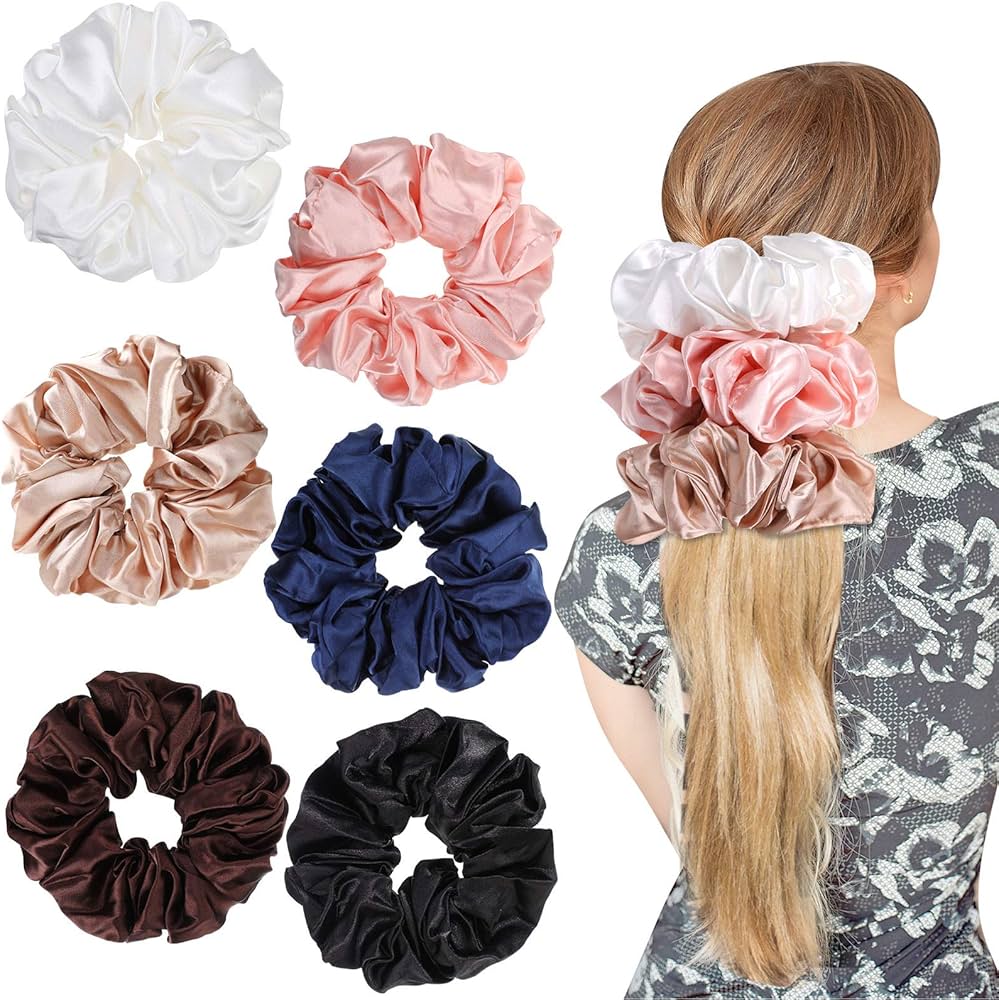
Before you hop in the shower, gently detangle your hair with a wide-tooth comb to prevent breakage. If your ends are extremely dry, apply a small amount of coconut or olive oil to the ends only, 30 minutes before washing. This acts as a protective barrier against shampoo. Avoid applying oil to your roots—it will only add to the greasiness. For an extra treat, you can use a 1 Silk Scrunchie – Gentle & Perfect for All Hair Types to tie your hair loosely without causing creases or breakage.
Step 2: Shampooing the Scalp
Wet your hair thoroughly with lukewarm water—hot water strips oil and can irritate the scalp. Apply a sulfate-free shampoo directly to your scalp, using your fingertips to massage in circular motions. Don’t scrub aggressively; gentle pressure is enough to lift dirt and oil. Let the shampoo run down the lengths as you rinse—this provides a mild cleanse to the ends without stripping them. If your scalp is very oily, you can shampoo twice, but only the scalp. Rinse well until the water runs clear.
Step 3: Conditioning the Ends
After shampooing, squeeze excess water from your hair. Apply a moisturizing conditioner from mid-length to ends, avoiding the roots completely. Leave it on for 2–3 minutes (or as directed), then rinse with cool water to seal the cuticle and boost shine. For deep conditioning, use a hair mask once a week instead of your regular conditioner. Look for masks with shea butter, argan oil, or hydrolyzed keratin. If your ends are prone to tangling, a leave-in conditioner or detangler spray can help.
Step 4: Drying and Styling
Gently squeeze water out of your hair with a microfiber towel or an old cotton t-shirt—rubbing with a regular towel causes frizz and breakage. If you blow-dry, use the lowest heat setting and keep the dryer moving. Apply a heat protectant to your ends before styling. For daily wear, avoid tight ponytails that pull on your roots; instead, use a silk scrunchie or a clip. If you have oily roots, you might be tempted to use dry shampoo, but don’t overdo it—it can build up and clog follicles. Use it sparingly on days between washes.
Step 5: Weekly Treatments
Once a week, treat your scalp to a clarifying or exfoliating treatment to remove product buildup and dead skin cells. You can use a scalp scrub with salicylic acid or a simple mixture of sugar and coconut oil. For your ends, apply a deep conditioning mask and leave it on for 15–20 minutes. This two-pronged approach keeps your scalp healthy and your ends nourished. Remember, consistency is key—stick to your routine for at least a month to see improvements.
Common Mistakes That Worsen the Problem
Even with good intentions, certain habits can sabotage your hair. One of the biggest mistakes is over-washing. While it’s tempting to shampoo daily to control oil, this strips your scalp’s natural oils, triggering even more sebum production. Try to stretch washes to every other day or every third day. Use dry shampoo or a gentle hair care product to freshen up in between.
Another common error is applying conditioner to the roots. Conditioner is designed for the ends, not the scalp. It can weigh down your roots, making them look greasy faster. Always keep conditioner from mid-length downwards. Similarly, using heavy oils or serums on the scalp can clog pores and lead to dandruff or folliculitis. Reserve those for your ends only.
Many people also use the wrong shampoo for their hair type. If you have oily roots, you might think a strong, clarifying shampoo is the answer, but using it daily can be too harsh. Instead, use a gentle shampoo for regular washes and a clarifying one once a week or every two weeks. Also, avoid hot water—it feels great but strips moisture from your ends and stimulates oil production. Lukewarm or cool water is your friend.
Over-styling with heat tools is another culprit. Frequent blow-drying, straightening, and curling can damage your ends, making them drier and more prone to split ends. If you must use heat, always apply a heat protectant and keep the tool moving. And never skip trims—getting rid of split ends every 8–12 weeks prevents damage from traveling up the hair shaft. Finally, don’t ignore your diet. A diet high in processed foods and sugar can exacerbate oiliness, while缺乏 essential fatty acids can lead to dry hair. Eat a balanced diet rich in vitamins and minerals.
Adapting the Routine to Different Hair Types
Not all hair is created equal, so your routine should be tailored to your specific hair type. Here’s how to adjust the basic principles for different textures and conditions.
Fine Hair with Oily Roots and Dry Ends
Fine hair tends to get oily quickly because there’s less hair to absorb sebum. It also shows product buildup easily. For fine hair, choose lightweight, volumizing shampoos that are sulfate-free. Avoid heavy conditioners; instead, use a lightweight leave-in conditioner or a few drops of argan oil on the ends. Dry shampoo is your best friend for extending washes. When conditioning, use a pea-sized amount and focus only on the very ends. Silk scrunchies are ideal for tying fine hair without causing breakage or leaving creases.
Thick or Coarse Hair
Thick hair can handle richer products, but the contrast between oily roots and dry ends may be less pronounced. You can use a more moisturizing conditioner and even a hair oil on the ends. However, be careful not to apply too much near the scalp. A weekly deep conditioning mask is beneficial. Consider using a boar bristle brush to distribute natural oils from the scalp to the ends—this helps moisturize dry ends naturally. For thick hair, a Beauty Care Deal that includes a silk scrunchie and other essentials can be a great way to maintain hair health.

Curly or Wavy Hair
Curly hair is naturally drier because the curl pattern makes it harder for sebum to travel down the shaft. So you might have an oily scalp but very dry curls. Use a sulfate-free, moisturizing shampoo and a rich conditioner. Apply leave-in conditioner and a curl cream to define curls. Avoid brushing dry curls; detangle in the shower with conditioner. Use a microfiber towel or plopping to dry. For oily roots, you can use a dry shampoo specifically designed for curly hair, but apply it sparingly and massage it in.
Color-Treated or Chemically Treated Hair
If you color or chemically treat your hair, your ends are likely more porous and dry. Use a shampoo and conditioner formulated for color-treated hair to protect the color and add moisture. Deep condition weekly with a mask that contains protein and moisture. Avoid clarifying shampoos too often as they can strip color. For oily roots, use a gentle shampoo and consider a scalp treatment that balances oil without fading color.
Lifestyle Habits That Support Healthy Hair
Your hair care routine is only part of the equation. Lifestyle factors play a huge role in how your hair looks and feels. Diet and hydration are crucial. Drink plenty of water to keep your body and scalp hydrated. Eat foods rich in omega-3 fatty acids (like fish, flaxseeds, and walnuts), biotin (eggs, nuts), and vitamins A, C, and E. These nutrients support healthy oil production and hair growth. In Pakistan, incorporating local superfoods like amla (Indian gooseberry) and fenugreek seeds into your diet or hair masks can work wonders.
Managing stress is also important. High stress levels can trigger hormonal imbalances that lead to excess oil production and even hair loss. Practice stress-reducing activities like yoga, meditation, or simply getting enough sleep. Aim for 7–8 hours of quality sleep each night. Also, protect your hair from environmental damage: wear a hat or scarf in the sun, and rinse your hair with fresh water after swimming in chlorinated pools.
Your pillowcase matters too. Cotton pillowcases can absorb moisture from your hair and cause friction, leading to breakage. Switch to a silk or satin pillowcase to reduce friction and help your hair retain moisture. Similarly, avoid tying your hair too tightly, especially when sleeping. Use a loose braid or a silk scrunchie to prevent tension on your roots and breakage on your ends. If you use hair accessories, choose ones that are gentle and don’t snag.
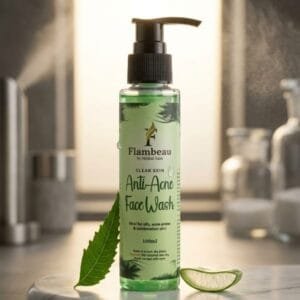
Finally, regular trims are non-negotiable. Even if you’re growing your hair out, trimming every 8–12 weeks removes split ends and prevents them from traveling up. This keeps your ends looking healthy and reduces the need for heavy products. Also, be mindful of the products you use—check for harsh sulfates, parabens, and silicones that can build up over time. Opt for natural and gentle formulations whenever possible. For more tips on natural ingredients, check out our guide on Natural Face Wash Ingredients for Glowing Skin—many of these ingredients are great for hair too!
Frequently Asked Questions
Still have questions? Here are answers to some common queries about managing oily roots and dry ends.
How often should I wash my hair if I have oily roots and dry ends?
Ideally, wash every 2–3 days. If your scalp gets very oily, you can wash every other day, but use a gentle shampoo and condition only the ends. Over-washing can strip your scalp and worsen oiliness.
Can I use coconut oil on my scalp?
Coconut oil is comedogenic and can clog pores on the scalp, leading to dandruff or folliculitis. It’s best to use it only on your ends. For scalp oiling, choose lighter oils like jojoba or tea tree oil.
What is the best way to apply dry shampoo?
Spray dry shampoo on your roots, wait a minute, then massage it in with your fingertips. Brush through to distribute. Use it sparingly and only on days between washes to avoid buildup.
Should I use a leave-in conditioner on my roots?
No, leave-in conditioners are designed for the ends. Applying them to your roots can make your scalp look greasy and weigh down your hair. Focus on mid-lengths to ends.
Remember, achieving balance takes time. Be patient and consistent with your routine. For more hair care tips, visit our blog archive and explore our Hair Care category. And don’t forget to check out our related post on Herbal Face Packs for Dull Skin for more natural beauty inspiration.
Frequently Asked Questions
How often should I wash my hair if I have oily roots and dry ends?
Wash every 2–3 days with a gentle, sulfate-free shampoo. If your scalp gets very oily, you can wash every other day, but condition only the ends. Over-washing can strip your scalp and increase oil production.
Can I use coconut oil on my scalp?
Coconut oil is comedogenic and can clog pores on the scalp, leading to dandruff or folliculitis. It's best to use it only on your ends. For scalp oiling, choose lighter oils like jojoba or tea tree oil.
What is the best way to apply dry shampoo?
Spray dry shampoo on your roots, wait a minute, then massage it in with your fingertips. Brush through to distribute. Use it sparingly and only on days between washes to avoid buildup.
Should I use a leave-in conditioner on my roots?
No, leave-in conditioners are designed for the ends. Applying them to your roots can make your scalp look greasy and weigh down your hair. Focus on mid-lengths to ends.
Written by Flambeau by Mishal Zain — sharing practical, affordable beauty and skincare tips.
Updated: September 2026