Discover how switching to handmade soap benefits your whole family's skin. Gentle, natural ingredients, better for sensitive skin, budget-friendly, and...
Switching to handmade soap for the whole family can mean gentler cleansing, fewer harsh chemicals, and better moisture retention for all skin types. It often reduces irritation, supports sensitive or eczema-prone skin, and is a more eco-friendly, cost-effective choice over time.
Why Handmade Soap Is Different from Commercial Bars
Most commercial soaps you find in supermarkets are not technically soap at all. They are detergents made with synthetic surfactants, hardeners, and a long list of additives designed to create lots of lather, a strong fragrance, and a long shelf life. These bars often strip your skin’s natural oils because they contain ingredients like sodium lauryl sulfate, which can be harsh even on healthy skin. Handmade soap, on the other hand, is created through a process called saponification, where natural oils and butters react with lye to form soap and glycerin. That glycerin is a natural humectant that attracts moisture to your skin, and in handmade bars, it is left in rather than removed and sold separately. This single difference explains why many people find their skin feels softer and less tight after washing with a handmade bar.
Another key distinction is the ingredient list. Commercial soap manufacturers often use cheap fillers, synthetic fragrances, and preservatives like parabens or triclosan. Handmade soap makers typically use olive oil, coconut oil, shea butter, cocoa butter, castor oil, and other plant-based ingredients. These oils are chosen for their specific skin benefits: olive oil is gentle and conditioning, coconut oil provides cleansing power and lather, shea butter is rich in vitamins and fatty acids that soothe dry skin. When you switch to handmade soap, you are essentially trading a cocktail of synthetic chemicals for a shorter, more recognizable list of ingredients. That can make a real difference, especially for children, the elderly, and anyone with sensitive or reactive skin.
It is also worth noting that handmade soap often undergoes a curing process that can last from four to six weeks. During this time, the soap hardens and becomes milder. The result is a bar that lasts longer and feels gentler on the skin. Commercial bars are often machine-pressed and shipped quickly, without this curing period, which can leave them harsher. So while the upfront cost per bar might be higher for handmade soap, the quality and skin-friendly nature often justify the price. For families looking to reduce exposure to unnecessary chemicals, handmade soap is a straightforward, everyday swap.
Key Benefits for Every Family Member
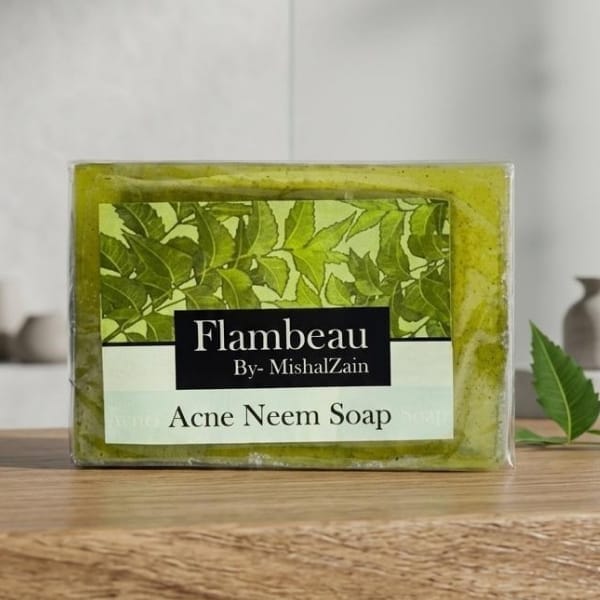
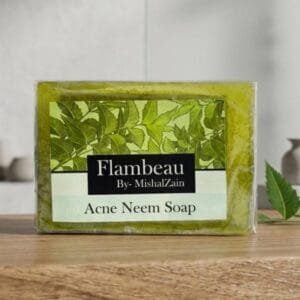
One of the most compelling reasons to switch is that handmade soap can be tailored to different skin needs. For babies and young children, whose skin is thinner and more permeable, the gentle nature of handmade soap is a big plus. A simple olive oil or goat milk soap without added fragrance can cleanse without disrupting the skin barrier. For teenagers dealing with acne and oily skin, a handmade neem soap can be a game-changer. Neem has natural antibacterial properties that help control acne-causing bacteria, while also soothing inflammation. You can find a great example in our Acne Neem Soap for Pimples, Oil Control & Deep Skin Cleansing, which is formulated to tackle breakouts without over-drying. For adults with dry or mature skin, a soap rich in shea butter or coconut milk can provide deep hydration and leave skin feeling nourished rather than tight.
Another benefit is that handmade soap is often free from common irritants like synthetic dyes and fragrances. If anyone in your family suffers from eczema, psoriasis, or contact dermatitis, you know how frustrating it is to find products that don’t trigger flare-ups. Handmade soaps that use essential oils for scent and natural colorants like clay or turmeric are much less likely to cause reactions. Many families report that after switching, they see fewer dry patches, less itching, and an overall improvement in skin comfort. This is particularly noticeable in harsh weather, whether it’s the dry winter air or the intense summer sun, because handmade soap doesn’t strip the skin’s moisture barrier as aggressively.
Beyond skin health, there is also the psychological comfort of knowing exactly what you’re putting on your family’s skin. When you read a handmade soap label, you can usually pronounce every ingredient. That transparency builds trust and allows you to make informed choices. Plus, many handmade soap makers are small businesses that prioritize ethical sourcing and sustainable practices. By choosing handmade, you are often supporting local artisans and reducing your carbon footprint. In Pakistan, for instance, brands like Flambeau by Mishal Zain create handmade soaps with locally sourced ingredients, which means your purchase supports the community and reduces shipping emissions. It’s a win-win for your family and the planet.
How to Choose the Right Handmade Soap for Your Family
When you start shopping for handmade soap, the options can feel overwhelming. The first step is to identify the specific skin needs of each family member. For very dry skin, look for soaps with high percentages of olive oil, shea butter, or avocado oil. These oils are known for their moisturizing properties. For oily or acne-prone skin, seek out soaps with neem, tea tree, or charcoal. For normal skin, a balanced recipe with coconut and olive oil works well. If you have sensitive skin, avoid soaps with heavy essential oils or exfoliants like oatmeal or coffee grounds, as these can be too abrasive. Always check the ingredient list for any known allergens, and when in doubt, choose unscented varieties.
Next, consider the type of soap base. Handmade soaps can be made using cold process, hot process, or melt-and-pour methods. Cold process soaps retain more of the natural glycerin and are generally considered the highest quality, but they require a longer curing time. Hot process soaps are similar but are cooked, which speeds up the process. Melt-and-pour soaps are made from a pre-made base and are often milder but may contain some synthetic additives. For families, cold process soaps are a great choice because they are rich in natural glycerin and free from harsh chemicals. You can also look for certifications like “palm oil free” or “cruelty free” if those matter to you.
It’s also important to think about the form and packaging. Handmade soaps come in bars, which are generally more eco-friendly than liquid soaps because they use less plastic and have a lower carbon footprint. If you have multiple children, you might want to assign each person their own bar to avoid cross-contamination, especially if someone has a skin infection. You can also buy soap in bulk or subscribe to a monthly box to save money. And don’t forget to store your soap properly: a draining soap dish will keep bars dry between uses, making them last longer. If you’re new to handmade soap, start with a small batch or a sampler pack to see how your family’s skin responds. You can browse a variety of options in our Soaps category to find something that suits everyone.
Making the Switch: A Step-by-Step Guide for Families
Transitioning your whole family to handmade soap doesn’t have to be done overnight. A gradual approach can help everyone adjust and avoid any sudden reactions. Start by replacing the soap in one high-use area, like the bathroom sink or the shower. Let your family use it for a week and ask for feedback. Some people might notice their skin feels different—often less tight—but others might need a few days to get used to the lack of synthetic lather. Remember, handmade soap does not produce the same thick, foamy lather as commercial bars because it lacks synthetic foaming agents. That doesn’t mean it’s not cleaning; it’s just a different experience. You can help by using a washcloth or loofah to create more lather if desired.
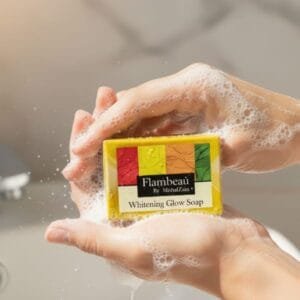
Once your family is comfortable with the first bar, expand to other areas. Replace hand soap at all sinks, then body soap in the shower, and eventually consider a gentle handmade soap for face washing if it suits your skin. For children, make it fun: let them pick their own bar from a selection of colors and scents (as long as they are natural). This gives them a sense of ownership and makes the switch feel like a treat rather than a chore. If anyone has a specific skin condition like acne, you can introduce a targeted soap like the Whitening Glow Soap for brightening and evening skin tone. Just be sure to patch test first, especially on sensitive areas.
During the transition, pay attention to how your skin responds. It’s normal to experience a brief adjustment period where your skin might feel slightly drier or oilier as it rebalances. This usually settles within a week or two. If you notice persistent irritation, redness, or itching, discontinue use and consult a dermatologist. Also, keep in mind that handmade soap should be kept out of direct streams of water and allowed to dry between uses. Teach your family to use a soap dish and to avoid leaving the bar in a puddle. With these simple habits, your handmade soap will last longer and perform better. Finally, consider keeping a backup commercial soap for guests who might be sensitive to essential oils, but for daily family use, handmade is a wonderful upgrade.
Common Mistakes to Avoid When Using Handmade Soap
Even with the best intentions, some families run into issues when switching to handmade soap. One of the most common mistakes is not giving the soap enough time to dry. Handmade soap, especially cold process, can become soft and mushy if left in water. This not only wastes the bar but can also harbor bacteria. Always use a well-draining soap dish, and if possible, alternate between two bars so each has time to dry completely. Another mistake is expecting the same lather as commercial soap. As mentioned, handmade soap has a creamier, less bubbly lather. If you miss the foam, you can add a little more water and rub the bar between your hands longer, or use a washcloth. But don’t judge the cleaning power by the bubbles—handmade soap cleans effectively without them.
Another pitfall is using a single soap for everyone without considering individual skin types. What works for your oily-skinned teenager might be too drying for your dry-skinned partner. It’s better to have two or three different bars in the shower, each labeled with a name or initial. This avoids confusion and ensures everyone gets the right care. Also, be wary of “handmade” soaps that are actually melt-and-pour bases with added synthetic fragrances. While these can be fine, they may not offer the same benefits as cold process soaps. Read the ingredient list carefully: if you see “fragrance” without specifying essential oils, it’s likely synthetic. Look for terms like “saponified olive oil” or “sodium olivate” to confirm it’s true soap.
Finally, don’t store handmade soap in a hot, humid place for long periods. Heat can cause the oils to become rancid, and humidity can make the bars soft. Keep them in a cool, dry cupboard until you’re ready to use them. If you buy in bulk, consider storing them in a breathable container like a cardboard box rather than plastic, which can trap moisture. And always patch test new soaps, especially if you have allergies or sensitive skin. A small test on the inner arm for 24 hours can save you from a full-body reaction. By avoiding these common mistakes, you’ll get the most out of your handmade soap and enjoy smoother, healthier skin.
Cost and Value: Is Handmade Soap Worth It for Families?
At first glance, handmade soap might seem more expensive than a pack of commercial bars. A single handmade bar can cost anywhere from PKR 300 to PKR 800, while a commercial bar might be PKR 100 or less. However, when you factor in quality, longevity, and skin benefits, the value proposition shifts. Handmade soap often lasts longer because it is denser and contains natural glycerin, which attracts moisture and helps the bar stay hard. A well-cured handmade bar can outlast two or three commercial bars, especially if kept dry. So per wash, the cost difference may be negligible. Moreover, by investing in gentle, chemical-free soap, you may reduce the need for expensive lotions, creams, and medicated ointments to treat dry or irritated skin. That’s a hidden saving many families overlook.
There’s also the health cost to consider. Commercial soaps with harsh detergents can exacerbate skin conditions like eczema, leading to doctor visits and prescription creams. By switching to handmade soap, you may find that your family’s skin is calmer and requires less intervention. This is not just about money; it’s about comfort and well-being. In Pakistan, where the climate can be harsh—hot and humid in summer, dry and cold in winter—having a soap that respects your skin barrier is invaluable. You can explore our range of handmade soaps at Flambeau by Mishal Zain to see options that fit various budgets. We also offer a blog with tips on skincare, like 5 Skincare Myths to Unlearn for Healthier Skin, which can help you make informed choices.
If budget is a concern, you can still enjoy handmade soap by buying in bulk or choosing simpler recipes. Unscented soaps with fewer ingredients are often cheaper but just as effective. You can also make your own handmade soap at home, though that requires an initial investment in materials and safety gear. For most families, buying from a trusted local maker is the best balance of cost and convenience. And remember, the money you spend on handmade soap supports small businesses and sustainable practices, which has a positive ripple effect. So while the price tag might be higher per bar, the overall value—for your skin, your health, and your community—makes handmade soap a worthwhile investment.
Adapting Handmade Soap for Different Skin Types and Ages
Every family member has unique skin, and handmade soap can be adapted to suit each one. For babies and toddlers, choose a fragrance-free soap with minimal ingredients, like a simple olive oil or goat milk bar. Their skin is delicate and prone to irritation, so avoid any soap with essential oils or exfoliants. For children aged 5–12, a mild soap with a light natural scent, such as lavender or chamomile, can make bath time enjoyable without causing harm. If your child has dry patches, look for soaps with added shea butter or oatmeal. For teenagers, acne is a common concern. A handmade neem or charcoal soap can help control oil and bacteria. Our Acne Neem Soap for Pimples, Oil Control & Deep Skin Cleansing is specifically designed for this, combining neem’s antibacterial properties with gentle cleansing. Encourage teens to wash their face twice daily and moisturize afterward.
For adults, skin type matters. Oily skin benefits from soaps with citrus or tea tree oil, which help balance sebum. Dry skin needs rich butters like shea or cocoa. Combination skin can use a balanced bar with olive and coconut oils. Mature skin often appreciates soaps with added oils like rosehip or carrot seed, which are rich in antioxidants. If you have sensitive skin, stick to unscented, dye-free bars and always patch test. For the elderly, skin becomes thinner and drier, so a superfatted soap (one with extra oils) is ideal. Superfatting leaves a little unsaponified oil in the bar, which provides extra moisture. You can also look for soaps with lanolin or glycerin for added hydration. And don’t forget about hair—some handmade soap bars can double as shampoo, but it’s best to use a specific shampoo bar for hair to avoid dryness.
It’s also worth considering the seasons. In summer, when sweat and oil production increase, a slightly more cleansing soap with tea tree or neem can help prevent body odor and breakouts. In winter, switch to a more moisturizing bar with shea or olive oil to combat dryness. You can even have a summer soap and a winter soap for each family member. This might sound like a lot of bars, but it’s a simple way to keep everyone’s skin happy year-round. If you’re unsure where to start, our blog has a helpful article on Unlock Real Results from Your Vitamin C Serum that can complement your soap routine. And for general skincare guidance, the American Academy of Dermatology recommends gentle cleansing and moisturizing, which aligns perfectly with using handmade soap.
Frequently Asked Questions About Handmade Soap
Many families have questions before making the switch. Below are some common concerns, but if you have more, feel free to explore our blog archive for more tips.
Is handmade soap safe for babies?
Yes, but choose a mild, fragrance-free bar with simple ingredients like olive oil or goat milk. Avoid essential oils and exfoliants. Always patch test on a small area first.
Will handmade soap help with eczema?
It can be less irritating than commercial soap because it lacks harsh detergents. Look for soaps with colloidal oatmeal or shea butter, and consult a dermatologist for severe eczema.
How long does a handmade soap bar last?
With proper storage in a draining dish, a handmade bar can last 3–4 weeks per person, sometimes longer. Keeping it dry between uses is key.
Can I use handmade soap on my face?
Yes, if it’s formulated for facial skin. Look for gentle, non-comedogenic ingredients. Some soaps, like our neem soap, are designed for face and body. Always avoid getting it in your eyes.
Frequently Asked Questions
Is handmade soap better for sensitive skin than commercial soap?
Yes, handmade soap is often better for sensitive skin because it typically avoids harsh synthetic detergents, fragrances, and preservatives that can trigger irritation. The natural glycerin retained in handmade soap also helps maintain moisture, reducing dryness and reactivity.
Can children use handmade soap?
Absolutely, but choose a mild, unscented bar with minimal ingredients, such as one made with olive oil or goat milk. Avoid soaps with strong essential oils or exfoliants, and always do a patch test first.
How do I store handmade soap to make it last longer?
Keep handmade soap in a well-draining soap dish away from direct water streams. Allow it to dry completely between uses. If you buy in bulk, store unused bars in a cool, dry place, like a cardboard box, to prevent rancidity.
Does handmade soap expire?
Handmade soap doesn't expire in the traditional sense, but its quality can degrade over time. After about a year, the oils may become rancid, and the scent may fade. It's best to use within 12 months for optimal freshness.
Written by Flambeau by Mishal Zain — sharing practical, affordable beauty and skincare tips.
Updated: September 2026