Discover how lemon extract can brighten skin safely. Learn the benefits, step-by-step routines, and product picks for a radiant, even complexion without...
Lemon extract can brighten skin safely when diluted and used cautiously, thanks to natural citric acid and vitamin C that gently exfoliate and even tone. Always patch test first and limit use to 1–2 times weekly to avoid irritation, especially for sensitive skin.
Why Lemon Extract Is Used for Skin Brightening
Lemon extract has been a kitchen-cabinet beauty staple for generations, and for good reason. Its natural acidity—primarily from citric acid—acts as a mild chemical exfoliant, helping to slough off dead skin cells that can make complexions look dull and uneven. When used carefully, this gentle shedding of the top layer reveals fresher, brighter skin underneath. Additionally, lemon extract contains a modest amount of vitamin C, an antioxidant that can help defend against environmental stressors and support a more even skin tone over time.
But here’s the catch: lemon extract is potent. Its pH is far lower than what skin naturally prefers (around 4.5–5.5), which means undiluted application can disrupt the skin barrier, leading to redness, stinging, and even post-inflammatory hyperpigmentation. That’s why the key word here is safely. When you dilute lemon extract properly and pair it with soothing ingredients, you can enjoy its brightening benefits without compromising your skin’s health.
In Pakistan, where sun exposure is intense and humidity varies, many people turn to natural remedies for brightening. Lemon extract is readily available and affordable, making it an attractive option. However, it’s crucial to understand that natural doesn’t automatically mean gentle. The same compounds that brighten can also burn if you’re not careful—especially if you step into the sun immediately after application. So, before you squeeze that lemon, let’s explore how to use it wisely.
It’s also worth noting that lemon extract isn’t a one-size-fits-all solution. Oily and acne-prone skin types may tolerate it better, while dry or sensitive skin might need to avoid it entirely. Throughout this guide, we’ll walk you through the safe ways to incorporate lemon extract into your routine, plus product alternatives if your skin says no to citrus.
What You Actually Need: Ingredients and Products
To use lemon extract safely, you’ll need more than just the fruit itself. First, you’ll want to create a diluted solution—never apply pure lemon juice directly to your face. A common approach is mixing one part fresh lemon juice with three parts water or a soothing base like aloe vera gel or honey. These bases not only reduce the acidity but also add hydrating and antibacterial benefits.
You’ll also need sun protection. Lemon extract makes skin more sensitive to UV rays, so a broad-spectrum sunscreen with SPF 30 or higher is non-negotiable. In Pakistan, where the sun can be harsh even on cloudy days, this step is critical. Look for lightweight, non-comedogenic formulas that won’t clog pores.
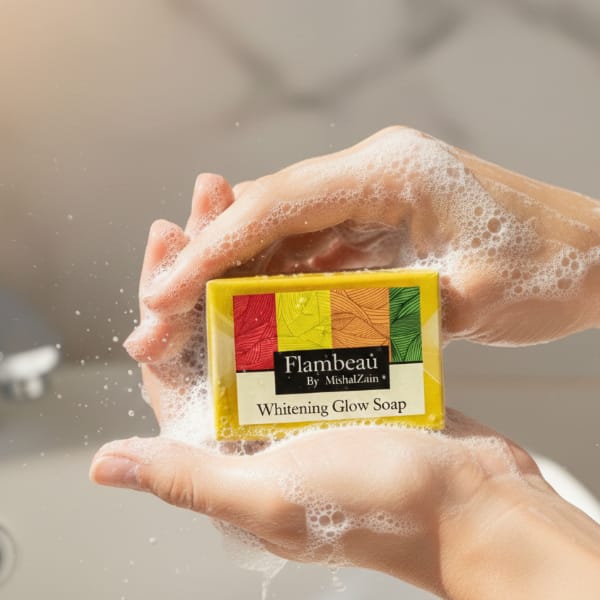
If you prefer ready-made products, there are safer alternatives to DIY lemon juice. For instance, Whitening Glow Soap is formulated with brightening ingredients that are gentler than raw lemon. Similarly, the Beauty Care Deal offers a curated set of skincare essentials that can support a brightening routine without the risks of undiluted citrus.

When choosing products, scan for ingredients like niacinamide, vitamin C derivatives, and licorice root extract—these provide brightening effects with a lower irritation risk. Avoid products that list lemon juice high on the ingredient list, as they may be too harsh for regular use. Also, be wary of “natural” labels that don’t disclose concentrations; transparency matters.
Finally, consider incorporating a hydrating serum to counterbalance any dryness from exfoliation. You can find more tips in our guide on choosing a hydrating serum for oily, dehydrated skin. And if you’re using lemon extract, you’ll want to avoid stripping your skin barrier with harsh cleansers—check our post on how to avoid stripping your skin barrier with face wash for more.
Step-by-Step: How to Use Lemon Extract Safely
Step 1: Patch test first. Before applying anything to your face, test the diluted lemon mixture on a small area of your inner forearm. Wait 24 hours. If you see redness, itching, or burning, stop immediately. This simple step can save you from a full-face reaction.
Step 2: Cleanse gently. Start with a mild, pH-balanced cleanser to remove dirt and oil without stripping your skin. Pat dry with a soft towel—don’t rub. Your skin should be clean but not raw.
Step 3: Dilute properly. Mix one part lemon juice with three parts water or aloe vera gel. For sensitive skin, go even weaker: one part lemon to five parts water. Never use undiluted lemon juice. You can also add a teaspoon of honey for extra soothing.
Step 4: Apply sparingly. Use a cotton ball or clean fingers to dab the mixture onto areas you want to brighten—like dark spots or uneven patches. Avoid the eye area and any broken skin. Leave it on for no more than 5–10 minutes. If it stings, rinse off immediately.
Step 5: Rinse thoroughly. Wash off with cool water. Follow with a gentle, alcohol-free toner if you use one, then a moisturizer to replenish hydration. Always moisturize after exfoliating to support your skin barrier.
Step 6: Sunscreen, always. In the morning, apply a broad-spectrum sunscreen. If you used lemon extract the night before, your skin may still be photosensitive. Reapply every two hours if you’re outdoors. Remember, sun protection is the most important step for maintaining bright, even skin.
Limit this treatment to once or twice a week. Overuse can lead to irritation, dryness, and ironically, more hyperpigmentation. Consistency and moderation are your friends.
Common Mistakes to Avoid with Lemon Extract
Mistake 1: Using undiluted lemon juice. This is the fastest way to irritate your skin. Pure lemon juice is highly acidic and can cause chemical burns, especially if left on for too long. Always dilute.
Mistake 2: Skipping sunscreen. Lemon extract contains photosensitizing compounds called furanocoumarins. When exposed to UV light, these can trigger severe sunburn and dark spots. If you’re going to use lemon, you must commit to daily sun protection—no exceptions.
Mistake 3: Applying to sensitive areas. The skin around your eyes and mouth is thinner and more delicate. Lemon extract can easily irritate these zones. Stick to your cheeks, forehead, and chin.
Mistake 4: Overusing it. More isn’t better. Using lemon extract daily can erode your skin barrier, leading to redness, flaking, and increased sensitivity. Once or twice a week is plenty.
Mistake 5: Ignoring your skin type. If you have dry, sensitive, or rosacea-prone skin, lemon extract may do more harm than good. Listen to your skin—if it stings, it’s not for you. Consider gentler brightening alternatives like niacinamide or vitamin C serums.
Mistake 6: Mixing with other actives. Don’t combine lemon extract with retinoids, AHAs, or benzoyl peroxide in the same routine. This can overload your skin and cause irritation. Keep it simple.
By avoiding these pitfalls, you can enjoy the brightening benefits of lemon extract without the downsides. Remember, your skin barrier is precious—protect it at all costs.
Choosing Safe Brightening Products
If DIY lemon extract feels too risky, or if your skin is sensitive, there are plenty of safe, effective brightening products on the market. Look for formulations that combine multiple brightening agents at stable concentrations. Niacinamide (vitamin B3) is a superstar—it reduces redness, regulates oil, and fades dark spots over time. Vitamin C in its stabilized forms (like ascorbyl glucoside or sodium ascorbyl phosphate) offers antioxidant protection and brightening without the acidity of lemon.
Alpha arbutin and licorice root extract are other gentle options that inhibit melanin production, helping to even out skin tone. When shopping, look for products that are fragrance-free and alcohol-free, as these can be drying. Also, check for non-comedogenic labels if you’re acne-prone.
In Pakistan, you can find effective brightening products at various price points. For a budget-friendly option, consider the Whitening Glow Soap, which uses gentle brightening ingredients. For a more comprehensive routine, the Beauty Care Deal bundles several products that work together to improve skin clarity.
Always read reviews and patch test new products. What works for one person may not work for another. And remember, consistency beats intensity—a gentle product used regularly will outperform a harsh one used sporadically.
If you’re unsure where to start, explore our Skin Care category for curated options. You can also browse our blog archive for more tips on building a safe brightening routine.
Adapting Lemon Extract Use for Different Skin Types
Oily and Acne-Prone Skin
Oily skin may tolerate diluted lemon extract slightly better because excess oil can buffer some of the acidity. However, that doesn’t mean you should go overboard. Lemon’s antibacterial properties might help curb acne-causing bacteria, but it can also over-dry skin, triggering more oil production. Use a diluted toner (1 part lemon to 4 parts water) once a week, and follow with a lightweight, oil-free moisturizer. If you’re using acne treatments like salicylic acid, skip lemon on those days to avoid irritation.
Dry and Dehydrated Skin
Dry skin types should be cautious. Lemon extract can further strip moisture, leading to flaking and tightness. If you want to try it, dilute heavily (1 part lemon to 6 parts water) and mix with hydrating ingredients like glycerin or hyaluronic acid. Limit to once every 10 days. Better yet, opt for gentle brightening serums that don’t disrupt your moisture barrier.
Sensitive and Rosacea-Prone Skin
For sensitive skin, lemon extract is generally a no-go. The risk of redness, stinging, and flare-ups is high. Instead, focus on barrier-repairing ingredients and gentle brighteners like niacinamide. If you’re determined to try natural remedies, consider oatmeal or chamomile—they soothe rather than exfoliate.
Combination Skin
Combination skin can use lemon extract on oily zones (T-zone) while avoiding drier areas. Apply the diluted mixture only where needed, and always follow with a moisturizer suitable for your skin. Monitor how your skin responds and adjust frequency accordingly.
Mature Skin
Mature skin may benefit from lemon’s exfoliating action to reveal fresher skin, but it’s also thinner and more prone to dryness. Use a very weak dilution (1 part lemon to 5 parts water) and pair with a rich moisturizer. Consider alternating with a gentle AHA like lactic acid for similar benefits with less risk.
No matter your skin type, patch testing is essential. And if you’re ever in doubt, consult a dermatologist. For general skin care guidance, the American Academy of Dermatology offers reliable advice.
Frequently Asked Questions
We’ve covered a lot, but you might still have questions. Here are some common ones.
Final Thoughts: Brighten Safely, Brighten Smart
Lemon extract can be a useful tool for skin brightening when used with care. Its natural acids and vitamin C offer exfoliating and antioxidant benefits, but the risks—irritation, photosensitivity, and barrier damage—are real. By diluting properly, patch testing, and always wearing sunscreen, you can minimize those risks. However, for many people, especially those with sensitive or dry skin, gentler alternatives like niacinamide or stabilized vitamin C are a better choice.
If you decide to go the DIY route, start slow and listen to your skin. If you prefer ready-made products, look for formulations that prioritize safety and efficacy. Brands like Flambeau by Mishal Zain offer options like the Whitening Glow Soap and the Beauty Care Deal that can support your brightening goals without the guesswork.
Remember, healthy skin is bright skin. Focus on gentle cleansing, hydration, and sun protection—these habits will do more for your complexion than any single ingredient. For more tips, explore our blog and skin care products.
Here’s to a brighter, healthier you—safely.
Frequently Asked Questions
Is it safe to put lemon juice directly on my face?
No, undiluted lemon juice is too acidic and can cause burns, redness, and irritation. Always dilute it with water or a soothing base like aloe vera gel, and patch test first.
How often can I use lemon extract for brightening?
Limit use to once or twice a week. Overuse can damage your skin barrier and lead to dryness or increased sensitivity.
Can lemon extract help with dark spots?
It may help fade dark spots over time due to its exfoliating and antioxidant properties, but it's not a quick fix. Consistent use with sun protection is key, and gentler alternatives like niacinamide may be safer.
What should I do if lemon extract stings my skin?
Rinse it off immediately with cool water. If irritation persists, apply a soothing moisturizer or aloe vera gel. Avoid using lemon extract again if you have sensitive skin.
Written by Flambeau by Mishal Zain — sharing practical, affordable beauty and skincare tips.
Updated: September 2026