Discover how neem naturally treats acne and oily skin. Learn its antibacterial, anti-inflammatory benefits and how to use it in your routine for clearer,...
Neem helps treat acne and oily skin by reducing acne-causing bacteria, controlling excess oil, and soothing inflammation. Its antibacterial, anti-inflammatory, and astringent properties make it a natural, effective ingredient for clearer, healthier-looking skin.
Why Neem Is a Game-Changer for Acne and Oily Skin
If you have oily or acne-prone skin, you know the struggle: constant shine, frequent breakouts, and a seemingly endless search for products that actually work without stripping your skin. Enter neem, a botanical that has been used in South Asian skincare for centuries. Unlike harsh chemicals that can leave your skin dry and irritated, neem works with your skin’s natural balance to address the root causes of acne. Neem is packed with antibacterial, antifungal, and anti-inflammatory compounds that target acne from multiple angles.
One of the primary reasons neem is so effective for acne is its ability to fight Cutibacterium acnes, the bacteria responsible for inflammatory acne. Studies have shown that neem extract can inhibit the growth of this bacteria, reducing the frequency and severity of breakouts. Additionally, neem contains quercetin, a flavonoid with potent anti-inflammatory properties, which helps calm redness and swelling associated with pimples. For oily skin, neem acts as a natural astringent, helping to tighten pores and control excess sebum production without over-drying. Regular use of neem can lead to fewer breakouts and a more balanced complexion.
But neem isn’t just about treating existing acne; it’s also about prevention. Its antioxidant properties help protect the skin from environmental damage that can clog pores and trigger breakouts. Moreover, neem has been traditionally used to soothe skin irritation and promote healing, making it ideal for those with sensitive, acne-prone skin. Unlike benzoyl peroxide or salicylic acid, which can cause dryness and peeling, neem is gentle yet effective. It’s a natural alternative that supports long-term skin health.
Incorporating neem into your skincare routine doesn’t have to be complicated. From soaps and cleansers to masks and spot treatments, there are many ways to harness its benefits. In this post, we’ll explore how neem works, how to use it effectively, and what to look for when choosing neem-based products. Whether you’re dealing with occasional breakouts or persistent oily skin, neem offers a natural path to clearer, healthier-looking skin.
What You Need: Neem Products and Ingredients for Acne-Prone Skin
To get the most out of neem, you need to choose the right products and understand how to combine them with other skin-friendly ingredients. Not all neem products are created equal; some may contain harsh additives that counteract neem’s benefits. Here’s what to look for:
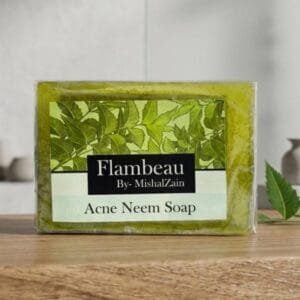
Neem soap is one of the easiest and most affordable ways to incorporate neem into your routine. A good neem soap should have neem extract or neem oil as a primary ingredient, ideally cold-processed to retain its beneficial compounds. Our Acne Neem Soap for Pimples, Oil Control & Deep Skin Cleansing is formulated to harness neem’s antibacterial and oil-control properties, making it a great choice for daily use. It gently cleanses without stripping, leaving your skin feeling fresh and balanced.
Neem oil is a concentrated form that can be used as a spot treatment or added to masks. However, pure neem oil is potent and should be diluted with a carrier oil like jojoba or coconut oil before applying to the skin. A little goes a long way; always patch test first to ensure you don’t have an adverse reaction. Neem oil is rich in fatty acids and vitamin E, which nourish the skin while fighting acne.
Neem powder is another versatile option. You can mix it with water, yogurt, or honey to create a custom mask. Neem powder is great for those who prefer DIY skincare and want to control exactly what goes on their face. Combine it with other acne-fighting ingredients like turmeric or fuller’s earth (multani mitti) for an extra boost. For more skincare inspiration, explore our Skin Care category.
When shopping for neem products, look for labels that specify the percentage of neem extract or oil. Avoid products with alcohol, artificial fragrances, and sulfates, as these can irritate acne-prone skin. Always check the ingredient list for neem as one of the top ingredients, not just a trace amount. Also, consider products that combine neem with other beneficial ingredients like tea tree oil, aloe vera, or salicylic acid for synergistic effects.
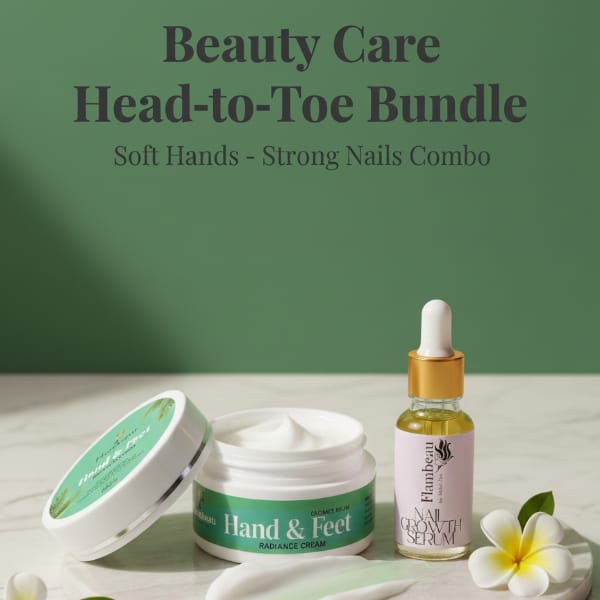
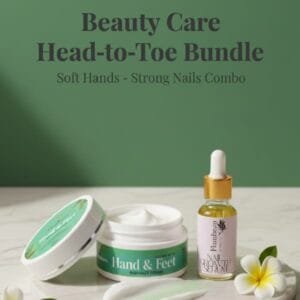
If you’re looking for a comprehensive solution, the Beauty Care Head-to-Toe Bundle includes neem-based products that address acne and oily skin from head to toe. This bundle is perfect for those who want a complete routine without piecing together individual items.
How to Use Neem for Acne and Oily Skin: A Step-by-Step Routine
Incorporating neem into your daily routine is simple, but consistency is key. Follow these steps for best results:
Step 1: Cleanse with neem soap. Start your morning and evening routine by washing your face with a neem soap. Wet your face with lukewarm water, lather the soap in your hands, and gently massage it onto your skin in circular motions. Avoid scrubbing harshly, as this can irritate acne. Rinse thoroughly and pat dry with a clean towel. Use neem soap twice daily for optimal oil control.
Step 2: Apply a neem-based spot treatment. If you have active pimples, dab a small amount of diluted neem oil directly onto the blemish using a clean cotton swab. Leave it on overnight and rinse in the morning. For a more gentle approach, mix a few drops of neem oil with aloe vera gel and apply to the affected areas. Neem oil can reduce redness and speed up healing.
Step 3: Use a neem mask once or twice a week. Create a mask by mixing one tablespoon of neem powder with enough water or yogurt to form a paste. Apply an even layer to your face, avoiding the eye area. Leave it on for 10-15 minutes, then rinse with warm water. This mask helps draw out impurities and tighten pores. For an extra boost, add a pinch of turmeric, which has additional antibacterial properties.
Step 4: Moisturize with a lightweight, non-comedogenic moisturizer. Even oily skin needs hydration. After cleansing and treating, apply a gel-based moisturizer to lock in moisture without clogging pores. Look for ingredients like hyaluronic acid or aloe vera. Don’t skip moisturizer—it helps maintain your skin barrier.
Step 5: Protect your skin with sunscreen during the day. Sun exposure can worsen acne and lead to dark spots. Apply a broad-spectrum sunscreen with at least SPF 30 every morning, even on cloudy days. The American Academy of Dermatology recommends daily sunscreen use for all skin types.
Remember, results won’t happen overnight. Give your skin at least 4-6 weeks of consistent neem use to see noticeable improvements. If your acne is severe or doesn’t improve, consult a dermatologist.
Adapting Neem to Your Skin Type: Oily, Combination, and Sensitive
Neem is generally well-tolerated, but how you use it should depend on your specific skin type. Here’s how to tailor your neem routine:
Oily Skin
If your skin is very oily, you can use neem soap twice daily and follow with an alcohol-free toner. Consider using a neem mask two to three times a week to keep oil production in check. Neem’s astringent properties help reduce shine throughout the day. You might also benefit from a neem-based clay mask, which absorbs excess oil.
Combination Skin
For combination skin, use neem soap on your entire face, but apply a neem spot treatment only on oily areas (like the T-zone). Moisturize dry areas with a richer cream while using a lightweight gel on oily zones. Balance is key—neem helps regulate oil without stripping.
Sensitive Skin
If you have sensitive skin, start with a gentle neem cleanser once a day, and always dilute neem oil before applying. Patch test on your inner arm before using it on your face. Introduce neem slowly to avoid irritation. You may also prefer neem products combined with soothing ingredients like chamomile or oatmeal.
Acne-Prone Skin
For persistent acne, incorporate neem into both your morning and evening routines. Use a neem soap daily, and alternate between a neem spot treatment and a gentle exfoliant (like salicylic acid) to keep pores clear. Consistency and patience are crucial for acne-prone skin. For more tips on treating specific acne types, check out our post on how to treat closed comedones (tiny bumps) at home.
Common Mistakes to Avoid When Using Neem for Acne
While neem is natural, it’s not foolproof. Avoiding these common pitfalls will help you get the best results:
Mistake 1: Using undiluted neem oil. Neem oil is potent and can cause irritation, redness, or even burns if applied directly to the skin. Always dilute it with a carrier oil like jojoba, almond, or coconut oil. A good ratio is 1 part neem oil to 10 parts carrier oil. Dilution is non-negotiable for safe use.
Mistake 2: Overusing neem products. More isn’t better. Using neem soap multiple times a day or leaving masks on for too long can dry out your skin, leading to increased oil production as your skin tries to compensate. Stick to the recommended frequency: twice daily for cleansing, once or twice weekly for masks.
Mistake 3: Skipping moisturizer. Many people with oily skin avoid moisturizer, thinking it will make them greasier. In reality, skipping moisturizer can cause your skin to produce more oil. Always follow up with a lightweight, non-comedogenic moisturizer. Neem controls oil, but your skin still needs hydration.
Mistake 4: Not patch testing. Even natural ingredients can cause allergic reactions. Before using any new neem product, apply a small amount to your inner forearm and wait 24 hours. If you notice redness, itching, or swelling, discontinue use. Patch testing saves you from potential skin disasters.
Mistake 5: Expecting overnight results. Neem works gradually. It may take several weeks to see a significant difference in your acne and oil levels. Be patient and consistent. If you don’t see improvement after 6-8 weeks, consider consulting a dermatologist.
Mistake 6: Using neem alongside harsh actives. If you’re using prescription retinoids, benzoyl peroxide, or high-concentration salicylic acid, introducing neem might overwhelm your skin. Introduce one new product at a time and monitor your skin’s response. Simplify your routine when trying neem.
Choosing the Right Neem Products: What to Look For
With so many neem products on the market, it’s important to know how to spot quality. Here’s what to look for:
1. Check the ingredient list. Neem should be listed among the first few ingredients, indicating a significant concentration. Avoid products where neem is at the bottom of the list, as it’s likely present in minimal amounts.
2. Look for cold-processed or organic neem. Cold processing helps retain neem’s beneficial compounds. Organic certification ensures no pesticides or harmful chemicals were used during cultivation.
3. Avoid unnecessary additives. Steer clear of products with artificial fragrances, dyes, sulfates, and parabens, which can irritate acne-prone skin. Simplicity is best for sensitive, acne-prone skin.
4. Consider the form. Neem soap is great for daily cleansing, while neem oil is best for spot treatments. Neem powder offers versatility for DIY masks. Choose based on your lifestyle and preferences.
5. Read reviews and do a patch test. What works for one person may not work for another. Read reviews from people with similar skin types, and always patch test before full application. For more skincare advice, visit our blog archive.
If you’re ready to try neem, our Acne Neem Soap for Pimples, Oil Control & Deep Skin Cleansing is a gentle yet effective option. And for a complete head-to-toe solution, the Beauty Care Head-to-Toe Bundle covers all your bases.
Beyond Acne: Other Benefits of Neem for Skin and Hair
While neem is famous for treating acne and oily skin, its benefits extend far beyond. Neem is a multitasking ingredient that can improve overall skin and hair health.
For skin: Neem helps fade dark spots and pigmentation, thanks to its antioxidant properties. It also soothes conditions like eczema and psoriasis, reducing itching and inflammation. Additionally, neem can help fight signs of aging by protecting against free radical damage. Regular neem use can lead to brighter, more even-toned skin.
For hair: Neem is excellent for scalp health. It combats dandruff, lice, and scalp infections due to its antifungal and antibacterial properties. Neem oil can be massaged into the scalp to promote hair growth and strengthen roots. For more natural hair remedies, read our post on herbal hair rinses for dandruff.
For overall wellness: Neem is also used in traditional medicine to boost immunity and detoxify the body. While we’re focusing on skincare, it’s worth noting that neem’s internal benefits can reflect externally. However, always consult a healthcare professional before ingesting neem.
Incorporating neem into your beauty routine is a holistic approach to health. Whether you’re dealing with acne, oily skin, or just want to maintain healthy skin, neem is a versatile ally.
Neem offers a natural, effective solution for acne and oily skin. By understanding how to use it correctly and choosing quality products, you can achieve clearer, more balanced skin without harsh chemicals. Remember to patch test, be consistent, and give your skin time to adjust. With neem, you’re not just treating symptoms—you’re nurturing your skin from within.
Frequently Asked Questions
Can neem cure acne completely?
Neem can significantly reduce acne by fighting bacteria and controlling oil, but it's not a guaranteed cure. For persistent acne, consult a dermatologist for a personalized treatment plan.
How often should I use neem soap for oily skin?
You can use neem soap twice daily—morning and evening—for best results. If your skin feels dry, reduce to once a day and follow with a moisturizer.
Is neem safe for sensitive skin?
Neem is generally safe, but sensitive skin may react to concentrated neem oil. Always dilute neem oil and patch test before use. Start with a gentle neem cleanser once a day.
Can I use neem with other acne treatments?
Yes, but introduce neem slowly to avoid irritation. If you're using prescription actives like benzoyl peroxide or retinoids, consult your dermatologist before combining them with neem.
Written by Flambeau by Mishal Zain — sharing practical, affordable beauty and skincare tips.
Updated: September 2026