Teen hair fall is common but manageable. Learn causes, gentle routines, and products to strengthen hair naturally and reduce shedding for healthier-looking...
Teenage hair fall is often temporary and linked to hormones, stress, diet, or harsh styling. A gentle routine with mild cleansing, balanced nutrition, and avoiding tight hairstyles can reduce shedding and support healthier-looking hair within a few months.
Why Teenagers Experience Hair Fall: Common Causes and What’s Normal
It’s completely normal to lose between 50 and 100 strands of hair per day – that’s just the natural shedding cycle. But when you’re a teenager and suddenly notice more hair on your pillow, in the shower drain, or on your hairbrush, it can feel alarming. The good news is that most teen hair fall is not permanent, and understanding the root cause is the first step to addressing it. Hair growth cycles are sensitive to internal and external changes, and the teenage years are full of both.
One major factor is hormonal fluctuations. Puberty brings surges in androgens and oestrogen that can affect hair follicles, sometimes causing temporary shedding. For girls, the start of menstruation and later irregular cycles can also influence hair health. Additionally, many teens experience telogen effluvium – a condition where a large number of hairs enter the resting phase and shed a few months after a stressful event, illness, or rapid weight change. This type of hair fall is usually self-correcting once the trigger resolves.
Nutrition plays a huge role too. Iron deficiency is surprisingly common in teenagers, especially girls, and can lead to increased shedding. Low levels of vitamin D, zinc, and B vitamins are also linked to weaker hair. If you’re skipping breakfast, dieting aggressively, or eating a lot of processed food, your hair may be missing key building blocks. Crash diets and eating disorders can cause significant hair loss, so it’s important to fuel your body consistently.
Stress – whether from exams, social pressures, or lack of sleep – raises cortisol levels, which can disrupt the hair cycle. And let’s not forget harsh hair styling habits: tight ponytails, braids, frequent heat styling, and chemical treatments can cause traction alopecia or breakage that looks like hair fall. Even overwashing or using the wrong products can irritate the scalp. Finally, certain medical conditions like thyroid issues, PCOS, or scalp infections can cause hair loss, so if shedding is severe or persistent, see a doctor.
Building a Gentle, Teen-Friendly Hair Care Routine
Your hair care routine doesn’t need to be complicated or expensive. In fact, simplicity and consistency work best. Start with washing your hair 2–3 times a week using a mild, sulphate-free shampoo. Sulphates can strip natural oils and irritate the scalp, so look for gentle surfactants like coco-glucoside. If your scalp gets oily quickly, you can wash every other day, but avoid daily washing unless you’re very active and sweating a lot.
Conditioner is non-negotiable, even for oily hair. Apply a lightweight conditioner from mid-length to ends after every wash to keep hair moisturised and less prone to breakage. Always detangle with a wide-tooth comb while hair is damp and coated with conditioner – never brush wet hair vigorously. Start from the ends and work your way up to avoid pulling at the roots. When drying, pat gently with a soft microfibre towel or an old cotton t-shirt instead of rubbing vigorously with a rough towel.
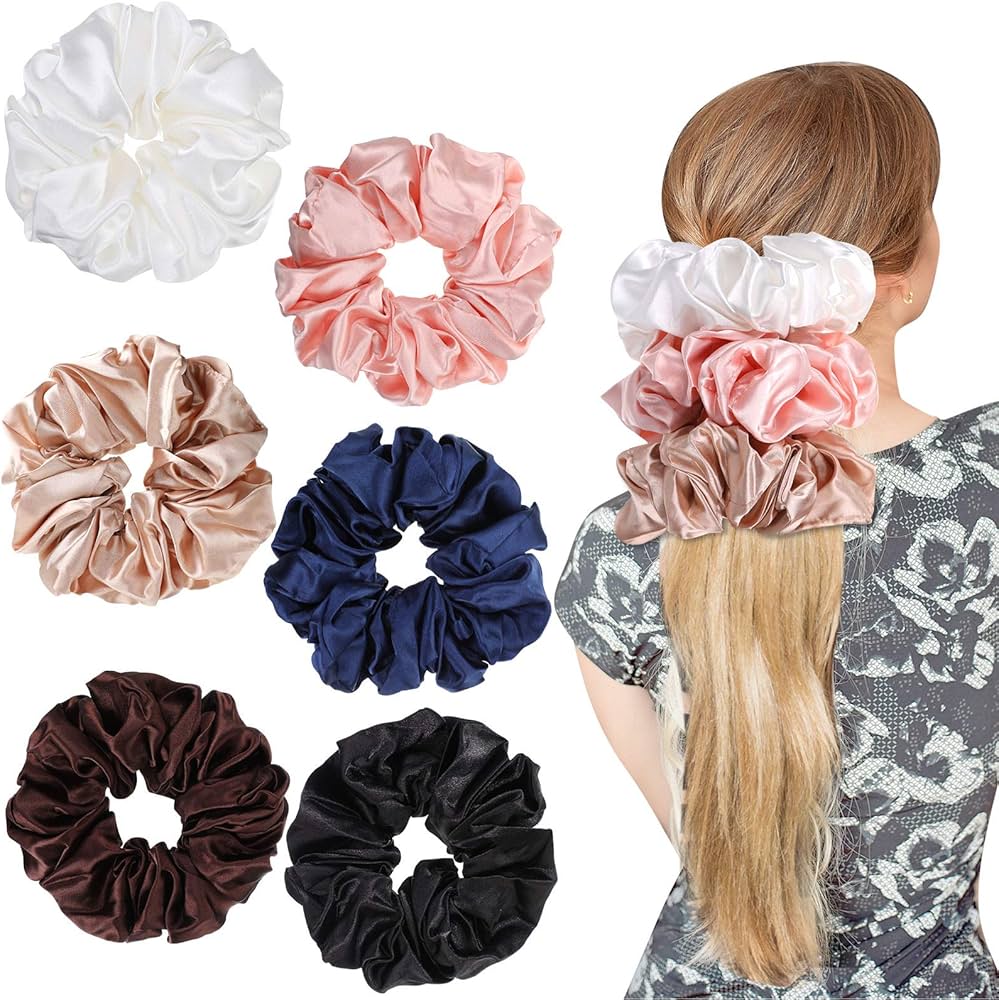
Limit heat styling as much as possible. If you must use a blow dryer or straightener, always apply a heat protectant spray first and keep the tool on the lowest effective setting. Try to air-dry whenever you can. Also, give your hair a break from tight styles: opt for loose braids, claw clips, or scrunchies instead of tight elastics. Never sleep with wet hair tied up tightly – this can cause breakage and scalp issues. A silk or satin pillowcase can reduce friction while you sleep.
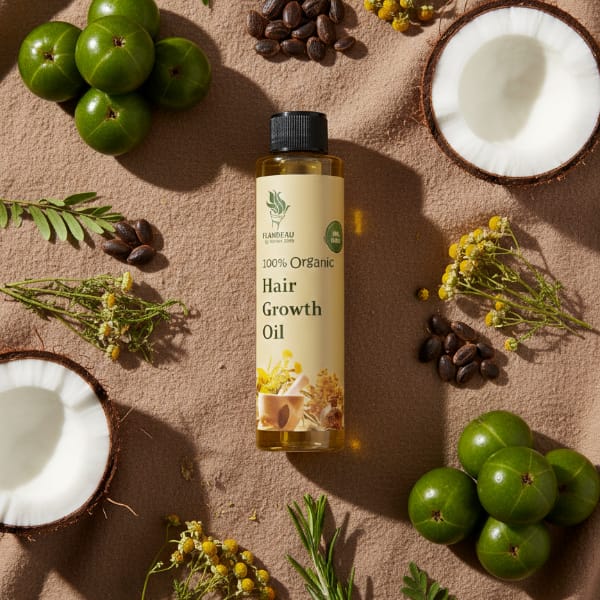
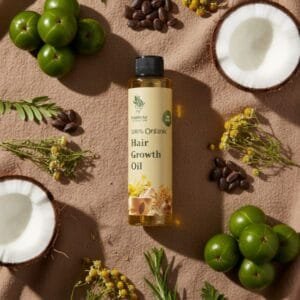
Scalp massage is a simple habit that can boost circulation. Spend a few minutes massaging your scalp with your fingertips (not nails) during your wash or before bed. You can also use a Hair Growth Oil – Strengthen & Nourish Hair Naturally once or twice a week as a pre-wash treatment. Massage it in, leave for 30 minutes to an hour, then shampoo as usual. This can help nourish the scalp and reduce dryness.
Nutrition and Lifestyle Habits That Support Hair Health from Within
You can’t out-treat a poor diet. Hair is made of protein, so make sure you’re eating enough lean protein – eggs, chicken, fish, lentils, yoghurt, and beans. Aim for a palm-sized portion at each meal. Iron-rich foods like spinach, red meat, and fortified cereals are important, especially for teenage girls. Pair plant-based iron with vitamin C (like lemon juice or oranges) to improve absorption. If you suspect a deficiency, ask your doctor for a blood test before taking supplements – too much iron can be harmful.
Omega-3 fatty acids support scalp health and reduce inflammation. Include walnuts, flaxseeds, and fatty fish like salmon a few times a week. Zinc is another key mineral for hair tissue repair and growth; you’ll find it in nuts, seeds, and whole grains. Biotin gets a lot of hype, but true deficiency is rare. Still, eating eggs, nuts, and sweet potatoes gives you a natural supply. Vitamin D from sunlight and fortified foods also plays a role in hair cycling.
Hydration matters more than you think. Drink 6–8 glasses of water daily to keep your scalp and hair hydrated from the inside. Sugary drinks and excessive caffeine can dehydrate you and spike insulin, which may worsen hormonal hair fall. Aim for a balanced plate: half vegetables and fruit, a quarter protein, and a quarter whole grains. Don’t skip breakfast – it kickstarts your metabolism and provides energy for hair follicle activity.
Sleep is when your body repairs itself, including hair follicles. Teenagers need 8–10 hours of sleep per night. Poor sleep raises cortisol and can trigger or worsen shedding. Establish a relaxing bedtime routine: dim screens an hour before bed, keep your room cool and dark, and try to go to bed at the same time each night. Regular exercise also helps manage stress and improves circulation, but avoid overtraining, which can be a stressor itself.
Step-by-Step: Your Daily and Weekly Hair Care Plan
Here’s a practical plan you can start today. Daily: take a few minutes to massage your scalp gently with your fingertips. Avoid tight hairstyles; if you tie your hair, use a soft scrunchie and keep it loose. Eat at least one protein-rich meal and several servings of fruits and vegetables. Drink water throughout the day. Get to bed on time.
Every other day or as needed: wash your hair with a mild shampoo. Focus shampoo on the scalp, not the ends. Follow with a conditioner on the lengths. Detangle with a wide-tooth comb while damp. Air-dry or use a heat protectant if blow-drying. Never brush wet hair aggressively – this is a common cause of breakage that mimics hair fall.
Once a week: do a deep conditioning treatment or a pre-wash oil massage. Apply the oil to your scalp and hair, leave it on for 30–60 minutes, then wash it out. This is also a good time to check your scalp for flakes, redness, or bumps. If you notice anything unusual, consult a dermatologist. Also, clean your hairbrush and pillowcases regularly to avoid product buildup and bacteria.
Monthly: assess your hair fall. Take a photo in similar lighting to track changes objectively. If you see no improvement after 2–3 months of consistent care, or if shedding is severe, see a doctor. They can check for underlying conditions like thyroid disorders or PCOS. Remember, hair grows slowly – about 1 cm per month – so patience is key. Don’t expect overnight results; give your new routine at least three months.
Common Mistakes That Worsen Teen Hair Fall
One of the biggest mistakes is overwashing with harsh shampoos. This strips natural oils, leading to a dry, irritated scalp and brittle hair that breaks easily. Another is skipping conditioner because you think it makes hair oily. Conditioner protects the hair shaft; just apply it to the ends and rinse well. Also, avoid brushing hair when wet – hair is more fragile when wet, and brushing can stretch and snap strands.
Using too many products – gels, sprays, serums – without proper cleansing can clog hair follicles and cause inflammation. If you use styling products, wash them out thoroughly before bed. Tight hairstyles like high ponytails, tight braids, or buns pull on the roots and can lead to traction alopecia over time. Alternate your styles and give your hair a break. Heat damage is another culprit: frequent straightening or curling without protection weakens the hair shaft, causing breakage that looks like hair fall from the root.
Diet-wise, crash dieting or skipping meals starves hair follicles of essential nutrients. Similarly, taking random supplements without a blood test can be ineffective or even harmful. Always consult a doctor before starting any supplement, especially iron. Ignoring persistent shedding is a mistake – if hair fall continues for more than a few months or is accompanied by scalp pain, itching, or patches of baldness, see a dermatologist. Early intervention can prevent long-term damage.
Lastly, don’t compare your hair to social media filters. Many influencers use extensions, wigs, and editing. Real hair has texture, flyaways, and good days and bad days. Focus on overall health, not perfection. Stress about hair fall can actually make it worse, so try relaxation techniques like deep breathing or yoga.
Choosing Products: Ingredients to Look For and Avoid
When shopping for hair care, read labels. Look for gentle surfactants like sodium cocoyl isethionate or coco-glucoside instead of harsh sulphates (SLS, SLES). For conditioning, cetyl alcohol, stearyl alcohol, and behentrimonium methosulfate are good – they’re fatty alcohols that moisturise without greasiness. Panthenol (pro-vitamin B5) and niacinamide can strengthen hair and soothe the scalp. Natural oils like argan, jojoba, and coconut are excellent for pre-wash treatments, but if you have dandruff, coconut oil may feed the yeast, so patch test first.
Avoid products with high alcohol content (denatured alcohol, SD alcohol) as they dry out hair. Formaldehyde-releasing preservatives and parabens are controversial but not proven to cause hair loss; still, many prefer to avoid them. Silicones like dimethicone can build up and weigh hair down, so use a clarifying shampoo once a month if you use them. Fragrance can irritate sensitive scalps; choose fragrance-free if you’re prone to reactions.
For a targeted treatment, consider a Hair Growth Oil – Strengthen & Nourish Hair Naturally that contains a blend of natural oils and herbal extracts. Look for ingredients like rosemary, peppermint, and castor oil, which may support circulation and reduce inflammation. Always patch test first on a small area of skin to check for allergies. If you’re looking for a complete set, the Beauty Care Deal offers a curated selection that can simplify your routine.

Remember, expensive doesn’t always mean better. Drugstore brands with good ingredients can work just as well. For more hair care product options, explore our Hair Care category. And if you’re also dealing with skin issues, our blog post on the Best Night Serum for Repairing Skin While You Sleep might be helpful, as overall health is connected. Also, don’t neglect other areas – check out How to Keep Lips Soft and Prevent Chapping Naturally for a holistic approach to self-care.
Tailoring Your Routine to Your Hair Type
Straight, Fine Hair
Fine hair gets oily quickly and can look limp with heavy products. Wash every other day with a volumising, sulphate-free shampoo. Use a lightweight conditioner only on the ends. Avoid heavy oils or butters on the scalp; instead, use a few drops of a light serum on the ends. For pre-wash treatments, choose jojoba or grapeseed oil, which are less greasy. Blow-dry on low heat with a round brush for volume, but limit heat styling to once a week.
Thick, Wavy Hair
Wavy hair tends to be drier and prone to frizz. Wash 2–3 times a week with a moisturising shampoo and always follow with a rich conditioner. Detangle with a wide-tooth comb in the shower while conditioner is in. Use a leave-in conditioner or curl cream to define waves. Pre-wash oiling with coconut or argan oil can help manage frizz. Avoid brushing dry hair – it disrupts the wave pattern and causes frizz.
Curly, Coily Hair
Curly and coily hair needs extra moisture. Wash once or twice a week with a gentle, sulphate-free shampoo or co-wash. Condition generously and detangle with fingers or a wide-tooth comb while hair is soaked in conditioner. Use the LOC method (Leave-in, Oil, Cream) to seal in moisture. Pre-poo with oil before washing to protect from stripping. Avoid tight hairstyles that pull at the roots; opt for loose buns or twists. Sleep on a satin pillowcase to retain moisture.
Oily Scalp with Dry Ends
This combination is common. Wash every other day with a balancing shampoo that cleanses the scalp without over-drying ends. Apply conditioner only from mid-length to ends. Use a clay or charcoal mask on the scalp once a week to absorb excess oil. Avoid heavy oils on the scalp; instead, use a light serum on the ends. Don’t overwash – it can trigger more oil production.
Dandruff-Prone Scalp
If you have dandruff, choose a shampoo with zinc pyrithione, ketoconazole, or salicylic acid to control flaking. Use it 2–3 times a week, leaving it on for 5 minutes before rinsing. Avoid oiling the scalp if it worsens dandruff, as Malassezia yeast feeds on oils. Instead, use a scalp serum with tea tree oil or niacinamide. If dandruff persists, see a dermatologist.
When to See a Doctor and How to Track Progress
While most teen hair fall is manageable at home, certain signs warrant a medical visit. See a doctor if you notice sudden, patchy hair loss, a receding hairline, or bald spots. Also, if hair fall is accompanied by fatigue, weight changes, irregular periods, or skin problems, it could indicate an underlying condition like thyroid disease or PCOS. Persistent shedding for more than six months, or hair fall that doesn’t improve with better care, should be evaluated.
A dermatologist can perform a pull test or trichoscopy to assess hair and scalp health. They may order blood tests for iron, ferritin, vitamin D, thyroid hormones, and sex hormones. Based on the diagnosis, they might prescribe topical minoxidil, oral medications, or supplements. Never self-prescribe hair loss drugs – some can have side effects in teenagers.
Tracking your progress is motivating. Take photos of your hairline and part line every month in the same lighting and angle. Count the number of hairs you shed on a wash day (collect them from the shower drain) – it’s normal to lose up to 100, but if it’s consistently more, note it. Keep a journal of your routine, diet, and stress levels to spot patterns. Share this with your doctor if needed.
Remember, hair growth is slow. With consistent gentle care, a balanced diet, and stress management, you should see less shedding within 2–3 months and new growth in 4–6 months. Be patient and kind to yourself. For more tips and product recommendations, visit our blog archive. And for personalised advice, consult a dermatologist or trichologist.
Frequently Asked Questions
Is it normal for teenagers to lose hair?
Yes, it's normal to shed 50–100 hairs daily. However, if you notice excessive shedding, thinning, or bald patches, it could be a sign of an underlying issue and you should consult a doctor.
Can poor diet cause hair fall in teenagers?
Absolutely. Deficiencies in iron, zinc, vitamin D, and protein are common causes of hair fall. Eating a balanced diet with enough lean protein, fruits, and vegetables supports healthy hair growth.
How often should teenagers wash their hair?
Most teenagers should wash their hair 2–3 times a week with a mild, sulphate-free shampoo. If you have an oily scalp, you may need to wash every other day, but avoid daily washing with harsh shampoos.
When should I see a doctor for teenage hair loss?
If hair fall is sudden, patchy, or persists for more than a few months, or if you have other symptoms like fatigue or irregular periods, see a dermatologist. Early diagnosis can prevent long-term hair loss.
Written by Flambeau by Mishal Zain — sharing practical, affordable beauty and skincare tips.
Updated: September 2026