Discover herbal remedies to strengthen weak, thinning hair using local ingredients like amla, bhringraj, and methi. Learn DIY masks, routines, and product...
The best herbal remedies for weak, thinning hair include amla (Indian gooseberry), bhringraj, fenugreek (methi), and aloe vera, which nourish the scalp, improve circulation, and strengthen follicles over time. These natural ingredients, when used consistently as oils, masks, or rinses, can help reduce breakage and support thicker-looking hair. For best results, pair them with a gentle hair care routine and a balanced diet.
Understanding Weak and Thinning Hair
Weak and thinning hair is a common concern that stems from a variety of factors, many of which are deeply rooted in our environment, lifestyle, and genetics. In Pakistan, the harsh sun, hard water, and pollution can take a toll on hair health, while stress, poor nutrition, and hormonal changes often accelerate the problem. It’s important to understand that hair thinning is not a single condition but a symptom of underlying imbalances—whether it’s a lack of essential nutrients, an overactive scalp microbiome, or damage from heat styling and chemical treatments.
Each hair strand grows from a follicle that relies on a rich blood supply to deliver oxygen and nutrients. When follicles are starved or inflamed, they enter a resting phase more quickly, leading to shorter growth cycles and finer, weaker strands. This is why you might notice increased shedding or a gradual reduction in hair density. Genetics plays a role too—if your family has a history of pattern baldness, you may be predisposed to thinning. But that doesn’t mean you’re powerless; the right herbal support can create a healthier scalp environment and strengthen the hair you have.
Many people in Pakistan turn to herbal remedies as a first line of defense because they are accessible, affordable, and deeply rooted in our cultural traditions. Ingredients like amla, bhringraj, and methi have been used for centuries in South Asian households, passed down through generations. Unlike harsh chemical treatments, these herbs work gently with your body’s natural processes, offering a holistic approach to hair wellness. They don’t promise overnight miracles, but with consistent use, they can visibly improve hair strength and reduce thinning.
It’s also essential to consider the role of diet and stress. Hair is made of protein, particularly keratin, so a diet lacking in protein, iron, and vitamins can manifest as weak, brittle strands. In our busy lives, we often skip meals or rely on processed foods, which may not provide the building blocks your hair needs. Similarly, chronic stress raises cortisol levels, which can disrupt the hair growth cycle and lead to excess shedding. Herbal remedies work best when they’re part of a broader self-care routine that includes nourishing food, adequate sleep, and stress management.
Before diving into specific herbs, it’s wise to rule out medical causes like thyroid imbalances or iron deficiency anemia, especially if thinning is sudden or severe. A simple blood test can give you clarity. But for most of us, strengthening weak hair is a gradual journey that combines topical care with internal wellness. The herbs we’ll discuss are not just folklore—modern research is beginning to validate their benefits, and they remain a cornerstone of Ayurvedic and traditional medicine.
Top Herbs for Hair Strength and Growth
When it comes to herbal remedies for weak hair, a few ingredients stand out for their remarkable properties. Amla, or Indian gooseberry, is a powerhouse of vitamin C and antioxidants. It not only nourishes the hair but also helps maintain natural color and prevent premature graying. You can use amla as a powder mixed with water or oil, or consume it as a supplement. Its high antioxidant content helps fight free radicals that can damage hair follicles. In Ayurveda, amla is considered a rejuvenating herb that balances all three doshas, making it suitable for most hair types.
Bhringraj, often called the “king of herbs” for hair, is another staple. It’s known to improve blood circulation to the scalp, which is vital for delivering nutrients to follicles. Bhringraj is typically used as an oil—either infused or as a powder mixed into a paste. Regular application can help reduce hair fall and promote a healthier growth cycle. It also has cooling properties, which is a bonus in our hot climate, and can soothe an irritated scalp.
Fenugreek, or methi, is a kitchen staple in Pakistan that doubles as an excellent hair strengthener. The seeds are rich in proteins, iron, and lecithin, which help rebuild hair structure and improve elasticity. Soak methi seeds overnight, grind them into a paste, and apply to your scalp and hair. This mask can reduce breakage, add shine, and even help with dandruff, which often accompanies thinning hair. Some people also rinse their hair with methi water for added benefits.
Other beneficial herbs include neem, which has antibacterial properties that keep the scalp clean, and hibiscus, which is rich in amino acids and vitamins that nourish hair. Aloe vera is another cooling and soothing gel that can help reduce scalp inflammation and create a healthy environment for growth. Each herb brings something unique, and you can rotate them or combine them based on your needs.
You can source these herbs from local markets or online stores in powder, oil, or fresh forms. Look for organic, pure products without additives. For convenience, you might also explore ready-made hair care products that incorporate these herbs, but always check the ingredient list to ensure they contain meaningful amounts.
DIY Herbal Remedies: Step-by-Step
Creating your own herbal remedies at home is both cost-effective and highly customizable. Here’s a step-by-step guide to making and applying three powerful treatments. First, let’s start with an amla and bhringraj oil infusion. Take 1 cup of a carrier oil—coconut, olive, or sesame work well. Add 2 tablespoons of dried amla powder and 2 tablespoons of bhringraj powder. Heat the mixture on low for 5-10 minutes (do not boil), then let it cool and store in a dark glass bottle. Massage this oil into your scalp in small circular motions for 5-10 minutes, leaving it on for at least an hour or overnight. Wash with a gentle sulfate-free shampoo. This oil can be used 2-3 times a week.
For a methi seed mask, soak 2 tablespoons of fenugreek seeds in water overnight. In the morning, grind them into a smooth paste, adding a little water if needed. For extra nourishment, mix in a tablespoon of yogurt or a few drops of almond oil. Apply the paste to your scalp and hair, focusing on the roots. Leave it on for 30-45 minutes, then rinse thoroughly with lukewarm water. This mask helps reduce breakage and adds a natural sheen. Use it once a week for best results.
Another simple rinse is using hibiscus and aloe vera. Blend 3-4 hibiscus petals (or 1 teaspoon of powder) with 2 tablespoons of fresh aloe vera gel. Apply this mixture to your scalp, leave for 20 minutes, then wash. Hibiscus can also be infused in water to create a final hair rinse after shampooing. This helps improve hair elasticity and reduces split ends.
When applying any of these treatments, be gentle. Always do a patch test first on a small area of skin to ensure you don’t have an allergic reaction. Also, consistency is key—you won’t see dramatic changes overnight. Stick with a routine for at least 8-12 weeks to notice improvements in hair strength and reduced shedding.
To enhance absorption, consider wrapping your hair in a warm towel after applying an oil or mask. This opens up the hair cuticle and allows nutrients to penetrate deeper. Also, avoid using hot water to wash your hair, as it can strip natural oils and cause further dryness. Lukewarm or cool water is better for locking in moisture.
Routine Tips for Different Hair Types
Your hair type and scalp condition should guide how you use herbal remedies. For oily scalps, which are common in humid climates, you may want to use lighter oils like jojoba or almond, and avoid heavy oil treatments that can weigh hair down. Apply herbal masks more frequently—maybe twice a week—but keep them on for shorter periods (20 minutes). You can also add a few drops of tea tree oil to your rinse to help control excess sebum.
Dry or damaged hair needs extra moisture. Choose richer carrier oils like coconut or castor oil, and mix in honey or banana to your masks for added hydration. Leave oil treatments on overnight once a week, and use a leave-in conditioner after washing. Herbal rinses with amla or hibiscus can help restore shine without overloading your hair.
If you have a sensitive scalp that reacts easily, opt for soothing herbs like aloe vera and chamomile. Always dilute oils and test on a small area first. Avoid essential oils that might irritate, such as peppermint or clove. Stick to simple formulations and wash thoroughly to prevent residue buildup, which can cause itching.
For dandruff-prone scalps, neem and tea tree are your allies. You can make a neem water rinse by boiling neem leaves in water, cooling, and using it after shampoo. This helps reduce flaking and keeps the scalp clean. Combine this with a gentle scalp massage to improve circulation and loosen dead skin.
No matter your hair type, always be gentle when detangling—use a wide-tooth comb and start from the ends. Avoid tight hairstyles that pull on the roots, as they can cause traction alopecia. Instead, opt for loose braids or buns, and use silk scrunchies that don’t snag or break your hair.

Common Mistakes to Avoid
Even with the best herbs, some common pitfalls can undermine your efforts. One major mistake is over-washing your hair. Washing every day strips away natural oils, leaving your hair dry and prone to breakage. Aim for 2-3 washes per week, adjusting based on your activity level and scalp oiliness. When you do wash, focus on the scalp, and let the suds run down the lengths rather than scrubbing them.
Another error is applying oils to dirty or product-filled hair. Herbal oils are meant to nourish the scalp, but if it’s covered with dust, pollution, or styling products, the oil can’t penetrate. Always apply treatments to a clean, slightly damp scalp. On the flip side, don’t leave oil on for too long—more than 12 hours can attract dirt and cause buildup, especially in our dusty environment.
Skipping a patch test is a risky mistake. Even natural ingredients can cause allergic reactions or contact dermatitis. Always test a small amount on your inner arm or behind your ear 24 hours before using a new herb. This is especially important if you have known allergies to plants like ragweed or if you have sensitive skin.
Using too much of a good thing is also problematic. For example, applying methi paste too often can dry out your hair because of its protein content. Balance is key—use protein-rich masks once a week, and moisturizing masks another day. Similarly, don’t combine too many herbs at once; start with one or two to see how your hair responds.
Finally, neglecting your diet and hydration can sabotage your efforts. Herbal remedies work from the outside, but your hair also needs internal support. Ensure you’re getting enough protein, iron, and vitamins—especially biotin and vitamin D. Drink plenty of water, and incorporate foods like eggs, fish, leafy greens, and nuts. If you’re a vegetarian, consider a supplement after consulting your doctor.
Also, be wary of miracle claims. No herbal remedy can “cure” baldness or regrow hair overnight. Realistic expectations will help you stay consistent and appreciate the gradual improvements in hair strength and appearance.
Choosing the Right Herbal Products
While DIY remedies are wonderful, you might also consider buying herbal hair care products for convenience. When shopping, read the ingredient list carefully. Look for products where herbs like amla, bhringraj, or methi appear early in the list, indicating higher concentrations. Avoid products with excessive sulfates, parabens, or artificial fragrances, as these can irritate the scalp and negate the benefits.
Consider the form of the product—oils, powders, or shampoos. Oils are great for deep treatments, powders allow you to customize, and shampoos can be a gentle daily option. If you’re new to herbal hair care, start with a mild shampoo that contains herbal extracts, then add a weekly oil treatment. This gradual introduction helps your hair adjust.
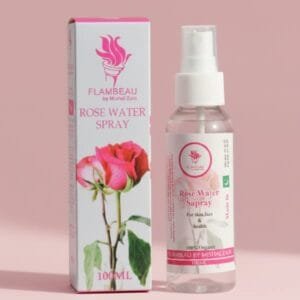
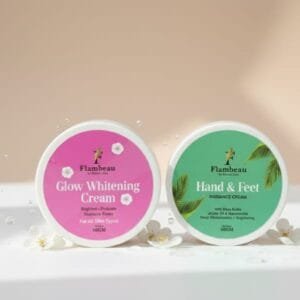
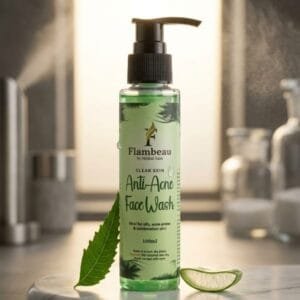
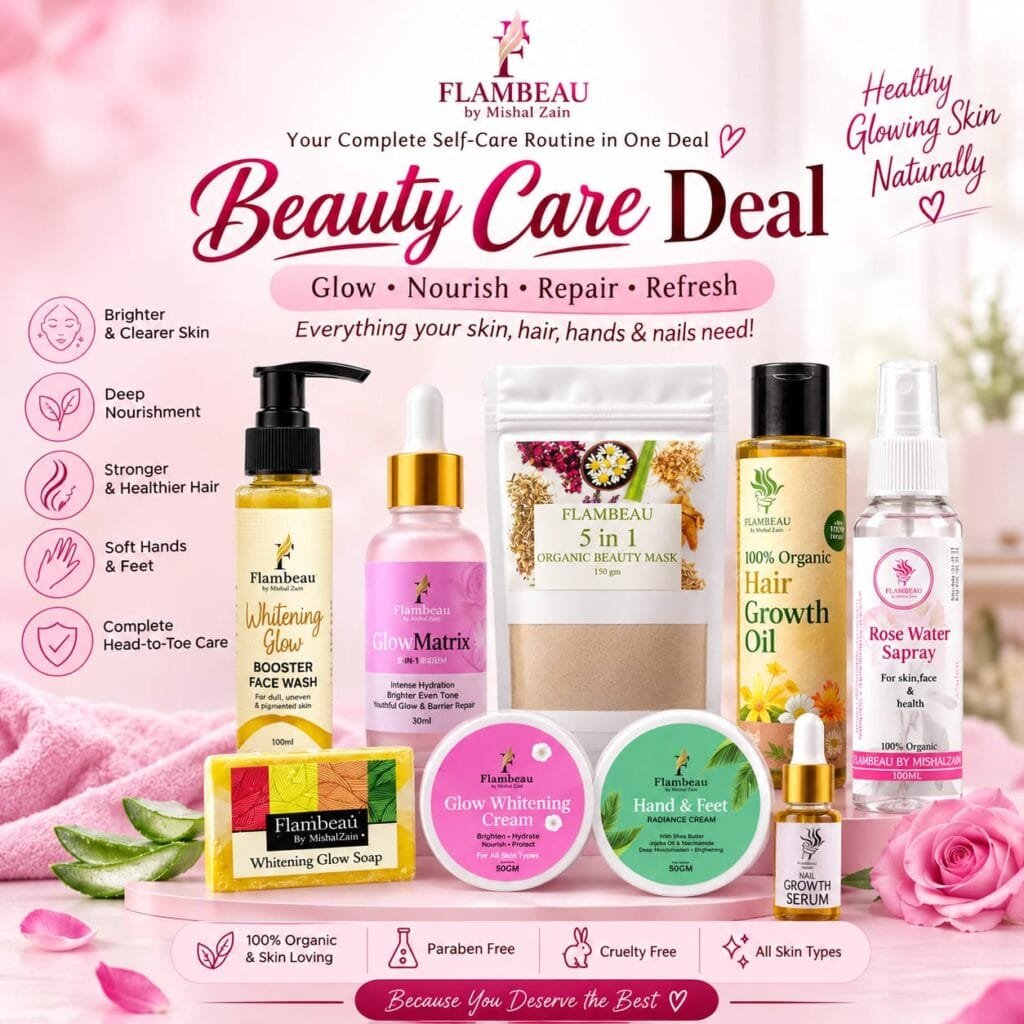
You can also find combined beauty care packages that include hair care essentials, which might be cost-effective if you want to try multiple products. However, always ensure that the products are suited to your hair type and concerns. For example, if you have sensitive skin, choose fragrance-free options.

Another tip is to look for certifications or traditional preparation methods. Ayurvedic products often mention “cold-pressed” or “herbal infused” on the label, which can indicate higher quality. Research the brand—read reviews, check their sourcing practices, and see if they’re transparent about their ingredients. A reputable brand will be happy to answer your questions.
Price is also a factor. In Pakistan, herbal products range from budget-friendly to premium. While you don’t need the most expensive option, be cautious of extremely cheap products that may be diluted with synthetic fillers. Investing in a good quality oil or mask can save you money in the long run because it’s more effective. If you’re on a tight budget, buying powders and mixing them yourself is often the most economical.
For more inspiration and tips, explore our blog archive where we cover various hair care topics. You might also enjoy reading about grooming routines that complement your hair care, or learn about natural vs. chemical exfoliants for your skin, which is part of overall wellness.
Remember, healthy hair is a reflection of a healthy body. Combine herbal remedies with a balanced lifestyle, and you’ll see the difference. Be patient, be consistent, and love your hair at every stage.
Frequently Asked Questions
How often should I use herbal hair masks for thinning hair?
For most people, using a herbal mask once a week is sufficient. If your hair is very weak, you can do it twice a week, but avoid overdoing it, especially with protein-rich masks like methi, as they can cause dryness if used too frequently.
Can herbal remedies really help with hair thinning caused by genetics?
Herbal remedies can improve the overall health and strength of your hair, which may help reduce breakage and make hair look fuller, but they cannot reverse genetic pattern baldness. They are best used as a supportive measure alongside any medical treatments your doctor recommends.
Are there any side effects of using herbs like amla or bhringraj on hair?
These herbs are generally safe when used topically, but some people may experience allergic reactions or scalp irritation. Always do a patch test first and dilute essential oils properly. If you have a known allergy to plants like ragweed, consult a dermatologist before use.
What is the best carrier oil to mix with herbal powders for hair?
Coconut oil is a popular choice because it penetrates the hair shaft well, but olive oil is good for dry hair, and castor oil is thicker and beneficial for thinning hair. Choose based on your hair type and how your skin reacts to the oil.
Written by Flambeau by Mishal Zain — sharing practical, affordable beauty and skincare tips.
Updated: September 2026