Discover the best serums to fade post-acne dark marks. Learn how ingredients like niacinamide, vitamin C, and tranexamic acid work, plus routine tips for...
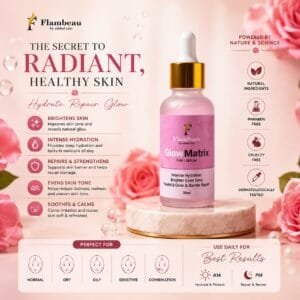
The best serums for treating post-acne dark marks are those containing niacinamide, vitamin C, alpha arbutin, or tranexamic acid—ingredients that interrupt melanin production and speed up skin renewal without harsh peeling. Used consistently for 8–12 weeks, they visibly fade hyperpigmentation and even out skin tone. Always patch test first and pair with sunscreen. For a multitasking option, the Glow Matrix 5-in-1 Serum 30ml combines several of these actives in one bottle.
Understanding Post-Acne Dark Marks: Why They Form and How Serums Help
When a pimple heals, it often leaves behind a flat, discolored patch that can range from pink to deep brown. This is post-inflammatory hyperpigmentation (PIH), a common aftermath of acne in people with medium to darker skin tones, including many Pakistanis. The dark mark is not a scar but an overproduction of melanin triggered by inflammation. Whenever your skin fights a breakout, it sends inflammatory signals that stimulate melanocytes—the cells responsible for pigment—to produce excess color. This excess pigment lingers in the upper layers of the skin, creating that stubborn shadow long after the pimple itself has vanished.
Understanding why these marks form is crucial because it guides how you treat them. Unlike true acne scars, which are textural indentations or raised bumps, dark marks are flat and purely pigmentary. That means they respond exceptionally well to topical ingredients that either block pigment production or accelerate the shedding of pigmented cells. Serums are the ideal vehicle for these actives because they are lightweight, concentrated, and designed to penetrate deeply. A good serum delivers a high dose of skin-brightening compounds directly to the affected area, working at the cellular level to fade the discoloration.
The process is not instant—it takes time for your skin’s natural renewal cycle to push out pigmented cells. On average, skin turnover takes about 28 days, but this slows as we age. Consistent serum use over two to three months is usually required to see a noticeable difference. Patience is your greatest ally here; expecting overnight results leads to disappointment and often prompts people to give up too soon. Instead, think of your serum as a long-term investment in clearer, more even-toned skin.
Additionally, the type of dark mark you have matters. If it’s pink or reddish, it’s still in the inflammatory phase, and calming ingredients like niacinamide help reduce that redness. If it’s brown or gray, it’s more established, and you’ll need pigment-blockers like vitamin C or alpha arbutin. Choosing a serum that targets your specific stage of hyperpigmentation will yield faster, more satisfying results.
Key Ingredients to Look For in a Dark Mark Serum
The most effective dark mark serums rely on a handful of scientifically backed, pigment-fighting ingredients. Niacinamide (vitamin B3) is a superstar for this purpose. It works by inhibiting the transfer of melanin from melanocytes to skin cells, effectively stopping pigment from reaching the surface. It also has anti-inflammatory properties, which help soothe the skin and prevent new marks from forming. Niacinamide is well-tolerated by most skin types, making it a safe first choice for beginners. For those with combination skin, a niacinamide serum can be particularly beneficial—learn more in our guide on how often combination skin should use niacinamide serum.
Vitamin C (ascorbic acid or its derivatives) is another powerhouse. It works as an antioxidant that neutralizes free radicals and also disrupts the enzyme tyrosinase, which is essential for melanin synthesis. This makes it excellent for brightening the skin and fading dark spots. However, vitamin C can be unstable and irritating for some, so look for serums with stabilized forms or lower concentrations. Alpha arbutin is a gentler alternative that also inhibits tyrosinase, making it ideal for sensitive skin. It’s often combined with other actives to enhance efficacy.
Tranexamic acid is a newer but highly effective ingredient that targets pigmentation by reducing the inflammatory response that triggers melanin overproduction. It’s particularly good for melasma and stubborn PIH. Kojic acid and licorice root extract are additional options that block pigment formation. Many serums use a blend of these ingredients to hit multiple pathways. For example, the Glow Matrix 5-in-1 Serum 30ml combines several of these actives, offering a comprehensive approach to fading dark marks and evening out skin tone.
When reading labels, also look for supporting ingredients like hyaluronic acid to keep skin hydrated, centella asiatica to calm inflammation, and licorice extract to boost brightening. Avoid serums with high alcohol content or synthetic fragrances, which can irritate skin and exacerbate hyperpigmentation. A well-formulated serum will balance actives with soothing and moisturizing components to maintain skin barrier health—because a compromised barrier is more prone to further pigmentation.
Step-by-Step Guide to Incorporating a Dark Mark Serum into Your Routine
To get the best results from your dark mark serum, you need to use it correctly. Start by cleansing your face with a gentle, pH-balanced cleanser to remove dirt, oil, and makeup. Pat your skin dry with a soft towel—do not rub, as friction can irritate your skin and worsen pigmentation. If you use a toner, apply it now, but ensure it’s alcohol-free to avoid stripping your skin.
Next, apply your serum while your skin is slightly damp. This helps with absorption. Dispense a few drops into your palm, then gently press the serum into your face, focusing on areas with dark marks. Avoid the eye area and any open wounds or active acne lesions, as the serum may sting or cause further irritation. Allow the serum to absorb for a minute or two before moving on to the next step.
Follow up with a moisturizer to lock in the serum and keep your skin barrier strong. This is especially important if your serum contains exfoliating actives like AHAs or if you have dry skin. Moisturizing prevents moisture loss and reduces the risk of irritation. In the morning, finish with a broad-spectrum sunscreen of at least SPF 30. Sunscreen is non-negotiable when using pigmentation-fighting serums because UV exposure stimulates melanin production and can undo your progress.
In the evening, you can use your dark mark serum as part of your nightly routine. If you use multiple active serums, layer them from thinnest to thickest or alternate on different days. For example, use vitamin C in the morning and niacinamide at night. Always patch test a new serum on a small area of skin, such as behind your ear, and wait 24–48 hours to check for any adverse reaction. Start by applying the serum every other day, gradually increasing to daily as your skin builds tolerance.
Consistency is key. Make the serum a daily habit, and don’t skip it even when you don’t see immediate changes. Most people notice a visible lightening of dark marks after 4–6 weeks of regular use, with more significant fading by 8–12 weeks. Take progress photos in the same lighting to track improvements, as your eyes can become accustomed to gradual changes.
Common Mistakes to Avoid When Treating Dark Marks
One of the most common mistakes is picking or squeezing pimples. This increases inflammation and makes the resulting dark mark darker and more persistent. Even after a pimple heals, resist the urge to scratch or scrub the area. Let your skin heal naturally and let your serum do its job.
Skipping sunscreen is another critical error. Many people focus solely on applying their serum and forget that UV exposure will not only darken existing marks but also trigger new ones. If you’re not diligent with SPF, you might find that your dark marks aren’t fading despite consistent serum use. The American Academy of Dermatology recommends using a water-resistant sunscreen with SPF 30 or higher and reapplying every two hours when outdoors. Follow their skin care secrets for more expert advice.
Another mistake is using too many strong actives at once, which can overload your skin and cause irritation. For instance, combining high-strength vitamin C with retinol or exfoliating acids can lead to redness, peeling, and even worsen hyperpigmentation. It’s better to introduce one active at a time and monitor your skin’s reaction. If you experience irritation, scale back and give your skin a break.
Impatience often leads people to abandon a serum after just two weeks. Remember that skin renewal is a slow process. Give your product at least eight weeks to show meaningful results. Also, be cautious of miracle products that promise instant whitening—they often contain harsh ingredients like hydroquinone in unregulated doses or steroids that can harm your skin. Look for products that use safe concentrations of proven actives, and always check the ingredient list.
Finally, don’t ignore your overall skin health. A diet rich in antioxidants, adequate sleep, and stress management can support your skin’s natural repair processes. Dehydrated skin heals slower and may be more prone to pigmentation, so ensure you’re drinking enough water and using hydrating products. By avoiding these pitfalls, you give your serum the best chance to work effectively.
Choosing the Right Serum for Your Skin Type and Budget
Not all dark mark serums are created equal, and what works for one person may not work for another. For oily and acne-prone skin, look for lightweight, non-comedogenic serums that won’t clog pores. Niacinamide is an excellent choice because it also helps regulate sebum production. A gel-based formula with hyaluronic acid can provide hydration without greasiness.
If you have dry or sensitive skin, opt for serums with soothing ingredients like aloe vera, centella asiatica, or allantoin. Avoid high concentrations of vitamin C or acids that might irritate. Alpha arbutin and tranexamic acid are gentler options. Always moisturize immediately after applying the serum to lock in hydration.
For combination skin, you may need to adjust your routine seasonally. In humid Pakistani summers, you might prefer a lighter serum, while in dry winters, a more emollient formula could be beneficial. As mentioned earlier, niacinamide is versatile and works well for combination skin—check our specific guide on niacinamide frequency for combination skin for more details.
Budget is also a consideration. Pakistani consumers are price-conscious, and there are effective options across price ranges. Drugstore brands like Neutrogena and Garnier offer serums with niacinamide or vitamin C under PKR 2,000. Mid-range brands like Flambeau by Mishal Zain provide targeted solutions at reasonable prices. For example, the Glow Matrix 5-in-1 Serum 30ml is a multipurpose serum that can address dark marks, dullness, and uneven texture, making it a cost-effective choice. You can also explore the full range of Flambeau serums to find one that suits your needs.
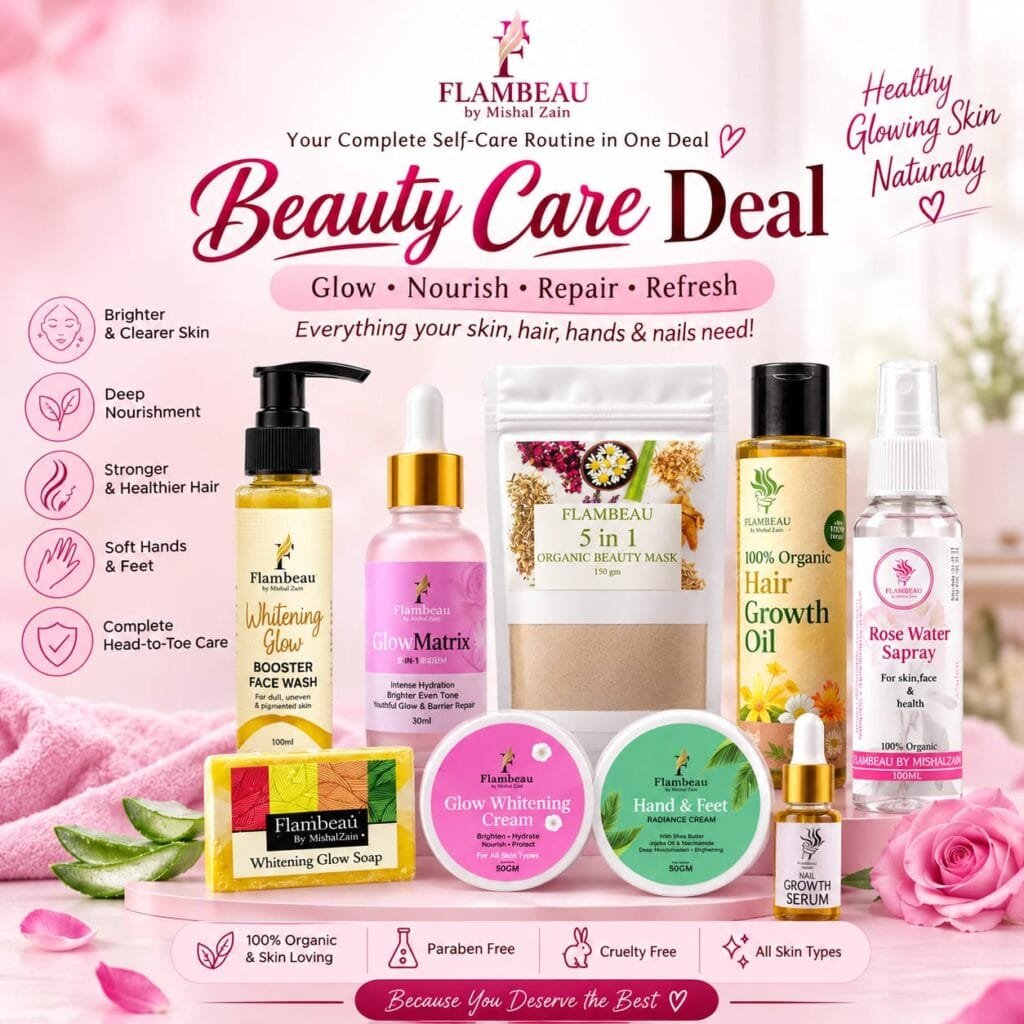
If you’re on a tight budget, consider starting with a niacinamide serum, as it’s widely available and affordable. You can also look for combination packs like the Beauty Care Deal, which may offer multiple products at a discounted price. Remember that you don’t need a dozen products—a good serum, a gentle cleanser, moisturizer, and sunscreen are the essentials. Spending wisely on a well-formulated serum will give you better results than buying several cheap, ineffective ones.

Quick Adaptation for Different Skin Types and Budgets
For dry skin: Choose a serum that contains hyaluronic acid or squalane for extra hydration. Apply it immediately after cleansing while skin is damp, and follow with a rich moisturizer to seal in moisture.
For oily skin: Opt for a water-based serum with niacinamide or alpha arbutin. Avoid heavy oils or butters. Use a light moisturizer or even skip it if your skin feels comfortable, but never skip sunscreen.
For sensitive skin: Start with a low concentration of active ingredients and patch test diligently. Use a serum with calming botanicals. If irritation occurs, stop use and let your skin heal for a few days before trying again.
Budget-friendly tip: If you’re not ready to invest in a high-end serum, look for products with niacinamide or azelaic acid at your local pharmacy. These are effective and often cost less than PKR 1,000. You can also make DIY masks with turmeric or yogurt, but they are less potent than serums and not a substitute.
In conclusion, treating post-acne dark marks requires a combination of the right ingredients, consistent application, sun protection, and patience. By choosing a serum suited to your skin type and budget, and following the steps outlined above, you can significantly improve the appearance of hyperpigmentation. For more skincare tips and product recommendations, browse our blog where we cover everything from acne to hydration.
Frequently Asked Questions
How long does it take for a dark mark serum to fade post-acne marks?
Most people see noticeable improvement in 4 to 6 weeks with consistent daily use, but significant fading can take 8 to 12 weeks because it depends on your skin's natural renewal cycle.
Can I use a dark mark serum if I have active acne?
Yes, but be cautious. Choose a non-comedogenic formula and avoid applying directly on open pimples or broken skin. Ingredients like niacinamide can help calm inflammation, but if you have severe active acne, consult a dermatologist first.
Do I need to use sunscreen if I'm using a dark mark serum?
Absolutely. Sun exposure worsens hyperpigmentation and can undo your serum's effects. Use a broad-spectrum SPF 30+ sunscreen every morning, even on cloudy days.
Are there any side effects of using dark mark serums?
Some serums may cause mild irritation, redness, or peeling, especially when starting high concentrations of vitamin C or acids. Always patch test and introduce gradually. If severe irritation occurs, stop use and consult a dermatologist.
Written by Flambeau by Mishal Zain — sharing practical, affordable beauty and skincare tips.
Updated: September 2026