Wondering if chemical or natural exfoliants suit your skin? Compare benefits, risks, and best choices for Pakistani skin types in this detailed guide.
For most skin types, chemical exfoliants are more effective and gentler than natural (physical) scrubs, but natural options can work well for sensitive skin if used correctly. The best choice depends on your skin type, concerns, and tolerance. Chemical exfoliants like AHAs and BHAs dissolve dead skin cells without friction, while natural scrubs like sugar or ground apricot kernels physically buff them away. Always introduce any exfoliant gradually and pair with sunscreen, especially in sunny climates.
Understanding Exfoliation: Why Your Skin Needs It
Exfoliation is the process of removing dead skin cells from the surface of your skin. Your skin naturally sheds millions of these cells every day, but as we age, this cellular turnover slows down. When dead cells accumulate, they can make your complexion look dull, rough, and can clog pores, leading to breakouts and uneven texture. Regular exfoliation helps to reveal the fresher, younger skin underneath, which is why it’s a key step in many skincare routines.
Think of your skin like a living layer of armor. The outermost layer, the stratum corneum, is made up of dead cells held together by a lipid matrix. This barrier protects you from environmental aggressors, but when it becomes thick and uneven, it can look lackluster. Exfoliation helps to keep this barrier thin and even, allowing your skincare products to penetrate more effectively. Without exfoliation, your serums and moisturizers may just sit on the surface, unable to do their job.
However, it’s not just about aesthetics. Proper exfoliation can also help with other skin concerns. For example, if you have hyperpigmentation or dark spots from sun damage or acne, exfoliating can help fade them by shedding the pigmented cells. It can also stimulate collagen production, which helps keep skin firm and youthful-looking. But it’s a delicate balance: over-exfoliating can strip your skin of its natural oils, leading to irritation, redness, and even breakouts.
The key is to find the right method and frequency for your skin type. In Pakistan’s climate, where humidity and pollution can be high, exfoliating once or twice a week is often sufficient. But in drier months, you might need to cut back. Listen to your skin—if it feels tight, itchy, or looks red, you’re probably overdoing it.
In this guide, we’ll compare the two main categories of exfoliants: chemical and natural (physical). We’ll explore how each works, their pros and cons, and which might be better for your specific skin type. By the end, you’ll have a clear understanding of how to exfoliate safely and effectively for a radiant, healthy complexion.
Chemical Exfoliants: Acids That Work Wonders
Chemical exfoliants are acids or enzymes that dissolve the bonds between dead skin cells, allowing them to be easily rinsed away. They are called “chemical” because they rely on a chemical reaction, not friction. The most common types are alpha-hydroxy acids (AHAs) like glycolic and lactic acid, and beta-hydroxy acids (BHAs) like salicylic acid. There are also enzymes from fruits like papaya and pineapple, which are gentler and often used in masks.
AHAs are water-soluble and work on the skin’s surface to loosen the “glue” that holds dead cells together. They are excellent for improving skin texture, fading dark spots, and boosting radiance. Glycolic acid, derived from sugar cane, has the smallest molecules and penetrates deepest, making it a popular choice for anti-aging. Lactic acid, from milk, is gentler and also helps attract moisture to the skin, making it great for dry or sensitive types.
BHAs, on the other hand, are oil-soluble, which means they can penetrate through sebum (oil) to unclog pores from within. Salicylic acid is the most well-known BHA and is a godsend for acne-prone skin. It can get inside the pore, dissolve the buildup of dead skin and oil that leads to blackheads and whiteheads, and also has anti-inflammatory properties that can calm existing breakouts.
One of the biggest advantages of chemical exfoliants is their uniformity—they don’t have the sharp edges that physical scrubs can have, so they are generally less likely to cause micro-tears in the skin. They also tend to be more effective at addressing specific concerns like hyperpigmentation, fine lines, and congestion because they work at a cellular level. Many chemical exfoliants also have antioxidant and hydrating benefits, making them a multitasking addition to your routine.
However, chemical exfoliants are not without their pitfalls. They can cause irritation, especially if you use them too often or in too high a concentration. AHAs can increase sun sensitivity, so wearing sunscreen is non-negotiable. BHAs can be drying, so you need to balance them with hydrating products. It’s also essential to start slowly, perhaps once a week, and gradually build up as your skin adjusts. Always follow the instructions on the product and never mix different acids without research.
If you’re new to chemical exfoliants, consider starting with a gentle product like a 5% glycolic acid toner or a 2% salicylic acid serum. Use it only at night, and always patch test first. Remember, more isn’t better; consistency and patience are key to seeing results.
Natural Exfoliants: The Appeal of Scrubs and Polishes
Natural exfoliants, also known as physical exfoliants, are products that contain granular particles to manually slough off dead skin. These can be anything from sugar, salt, coffee grounds, ground apricot kernels, or even jojoba beads. They are often found in scrubs, polishes, or exfoliating cleansers. The idea is simple: you massage the product onto your face, and the grains physically lift away the dead cells.
The immediate benefit of natural exfoliants is the smooth, polished feeling you get right after use. It’s satisfying to feel the grit moving across your skin, and many people enjoy the ritualistic aspect of a good facial scrub. They can also be very effective for rough areas like elbows, knees, and feet, where the skin is thicker and can handle more abrasion. For the face, they can help with flakiness and leave your skin feeling instantly softer.
Another appeal is that natural exfoliants are often perceived as “safer” or “cleaner” than chemical alternatives. Many contain simple, food-based ingredients that you can even make at home, like oatmeal or sugar mixed with honey. This DIY approach can be budget-friendly and avoids synthetic acids that might sound intimidating. For some, the physical action is more intuitive—you can control the pressure and see exactly what you’re doing.
However, natural exfoliants come with significant downsides, especially for the delicate skin on your face. The particles can be irregularly shaped and have sharp edges that cause micro-tears in the skin’s surface. These tiny tears can lead to inflammation, irritation, and even infection over time. If you have sensitive skin, rosacea, or active acne, physical scrubs can exacerbate your condition, causing redness and spreading bacteria.
Another issue is that the results are often less consistent than chemical exfoliants. Depending on how hard you press or how long you rub, you might over-exfoliate in one area and miss another. This can lead to an uneven skin tone and increased sensitivity. Also, natural scrubs often don’t penetrate into pores, so they are less effective for blackheads and deep congestion that chemical exfoliants can tackle.
If you do prefer natural exfoliants, choose ones with smooth, round particles like jojoba beads or finely ground oatmeal, and always use a gentle touch. Avoid harsh ingredients like crushed walnut shells or apricot kernels, which are known to cause micro-tears. And limit physical exfoliation to once a week if you have normal skin, or even less if you have sensitive skin. Remember, you can achieve the same, if not better, results with a well-formulated chemical exfoliant.
Comparing Effectiveness, Safety, and Skin Types
When it comes to effectiveness, chemical exfoliants generally win because they can work at a deeper level and deliver more consistent results. AHAs like glycolic acid can visibly improve skin texture and radiance over time, while BHAs like salicylic acid can unclog pores and reduce blackheads. Natural exfoliants, on the other hand, only affect the very top layer, so they are less effective for anti-aging or treating pigmentation. For overall skin health, chemical exfoliants offer a more scientific and targeted approach.
Safety is a crucial factor. Chemical exfoliants, when used correctly, are safe for most people, but they require you to follow guidelines: start with a low concentration, don’t overuse, and wear sunscreen. Natural exfoliants seem harmless but can actually be more damaging if used improperly. The friction can cause inflammation and break the skin barrier, leading to long-term issues. Some natural scrubs also contain ingredients that are not biodegradable, like microbeads (now banned in many places), which are harmful to the environment.
Your skin type should guide your choice. If you have oily, acne-prone skin, a BHA like salicylic acid is your best friend because it can penetrate pores and prevent breakouts. If you have dry or mature skin, an AHA like lactic acid will gently exfoliate while adding moisture. If you have sensitive skin, you might be hesitant about acids, but a gentle enzyme exfoliant (which is also chemical) or a very fine, smooth physical scrub (like rice powder) can work. Avoid harsh scrubs if you have rosacea or eczema, as they will only aggravate your condition.
For combination skin, you might need a mix: use a BHA on your T-zone and an AHA on your cheeks. It’s also possible to combine chemical and physical exfoliants in one routine, but never at the same time. For instance, you could use a chemical exfoliant one night and a gentle scrub the next week, but it’s usually safer to stick to one method to avoid over-exfoliation.
Let’s talk about the climate in Pakistan. With hot, humid summers and cooler, drier winters, your skin’s needs change. In summer, you might sweat more and get clogged pores, so a BHA could be beneficial. In winter, your skin can become dry and flaky, so a gentler AHA or a mild scrub might be better. Also, because our sun is strong, you must use sunscreen daily when using chemical exfoliants, as they increase photosensitivity.
Ultimately, there is no one-size-fits-all answer. Chemical exfoliants are more effective and generally safer for the long-term health of your skin, but natural exfoliants can be okay for those who prefer a physical approach and have resilient skin. The key is to know your skin, start slow, and pay attention to how it reacts.
Best Practices: How to Exfoliate Without Damaging Your Skin
Regardless of which type of exfoliant you choose, there are universal rules to keep your skin safe and happy. First, always patch test first, especially with new products. Apply a small amount to your inner arm or behind your ear and wait 24 hours to see if any irritation occurs. This is non-negotiable, as it can save you from a full-face reaction.
Exfoliate only at night, not in the morning, because your skin repairs itself while you sleep. In the morning, you can follow with a gentle cleanser and moisturizer. If you’re using a chemical exfoliant, or even a physical one, always apply sunscreen the next day, as your fresh skin is more vulnerable to UV damage. Sun protection is crucial to prevent hyperpigmentation and premature aging.
Don’t over-exfoliate. Over-exfoliation is a common mistake that leads to a damaged skin barrier. Signs include redness, stinging, burning, and increased breakouts. The AAD recommends exfoliating no more than once or twice a week, depending on your skin type. If you have sensitive skin, stick to once a week or even every other week. Listen to your skin—it will tell you if you’re doing too much.
When using a chemical exfoliant, start with a lower concentration and gradually increase the frequency as your skin builds tolerance. For example, if you have a 10% AHA, start by using it once a week for two weeks, then twice a week for a month, and then every other day if needed. Never combine multiple acid products (like AHA and BHA) in the same session, as this can overwhelm your skin. If you want to use both, alternate nights.
For physical exfoliants, be incredibly gentle. Use light pressure and small, circular motions for no more than 30 seconds. Rinse thoroughly with lukewarm water, not hot, to avoid stripping oils. After exfoliating, your skin is primed for moisture, so immediately apply a hydrating serum or moisturizer. Look for ingredients like hyaluronic acid, glycerin, or ceramides to restore the barrier.
Consider your other skincare products. If you use retinoids or strong active ingredients like vitamin C, be cautious about combining them with exfoliants. These can be irritating when used together. It’s best to exfoliate on nights when you’re not using other actives, or to space them out. If you’re a beginner, consult a dermatologist to create a routine that suits your skin.
Lastly, remember that exfoliation is just one part of a healthy skincare routine. It’s not a substitute for cleansing, moisturizing, and sun protection. In fact, if your routine is lacking in hydration, exfoliating can do more harm than good. Always keep your skin well-hydrated and nourished, especially after exfoliation.
Choosing the Right Exfoliant for Your Skin Type
Dry or Mature Skin
If your skin is dry or mature, you want to gently remove flaky patches without stripping moisture. AHAs, particularly lactic acid, are excellent because they exfoliate and also act as humectants, drawing water into the skin. Start with a low concentration (5-10%) and use once a week. Avoid physical scrubs with large grains, as they can be too harsh. Instead, opt for a creamy cleanser with fine jojoba beads if you prefer a physical method.
Oily or Acne-Prone Skin
For oily, acne-prone skin, BHAs like salicylic acid are your best bet. They penetrate oil and unclog pores, reducing blackheads and breakouts. You can use a 2% BHA serum or a toner two to three times a week. If you like scrubs, look for ones that contain salicylic acid as the active ingredient, which is technically a chemical exfoliant but in a scrub form. Avoid heavy physical scrubs that can irritate active acne and spread bacteria.
Combination Skin
Combination skin requires a balanced approach. You can use a BHA on your T-zone (forehead, nose, chin) to control oil, and a gentle AHA on your cheeks to even out texture. Alternatively, you can alternate: use a BHA one night, an AHA another, but always with a day break in between. If you prefer physical exfoliation, choose a gentle scrub with synthetic beads or finely ground rice powder, and focus on the areas that are not too sensitive.
Sensitive Skin
Sensitive skin needs the most caution. Chemical exfoliants can be too irritating, but so can harsh scrubs. Look for enzyme exfoliants (like papaya or pineapple) which are very gentle, or a very low concentration PHA (polyhydroxy acid) which has larger molecules that don’t penetrate deeply. If you want a physical scrub, use a soft washcloth with a gentle cleanser, or a scrub with smooth, round beads. Always patch test and start with once every two weeks.
Acne-Prone and Dark Spots
If you have both acne and dark spots, you need a multi-pronged approach. Salicylic acid (BHA) helps clear acne, while AHAs like glycolic acid help fade dark spots. You can alternate them on different nights, or use a product that contains both. Be patient—it can take several weeks to see improvement. And don’t forget sunscreen, as sun exposure will darken existing spots.
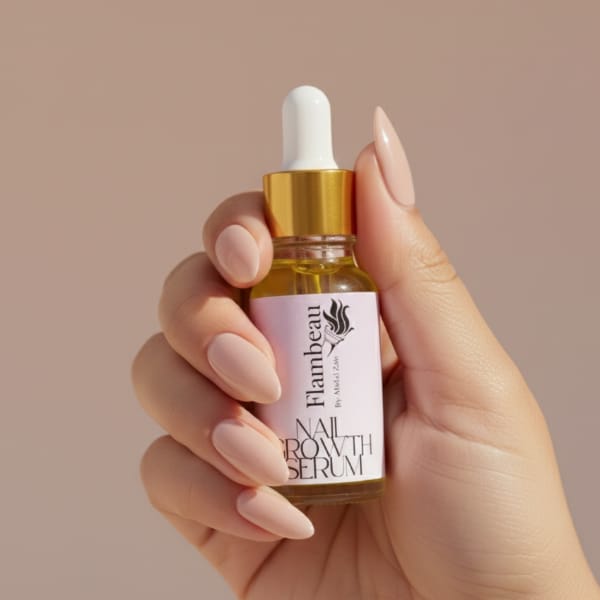
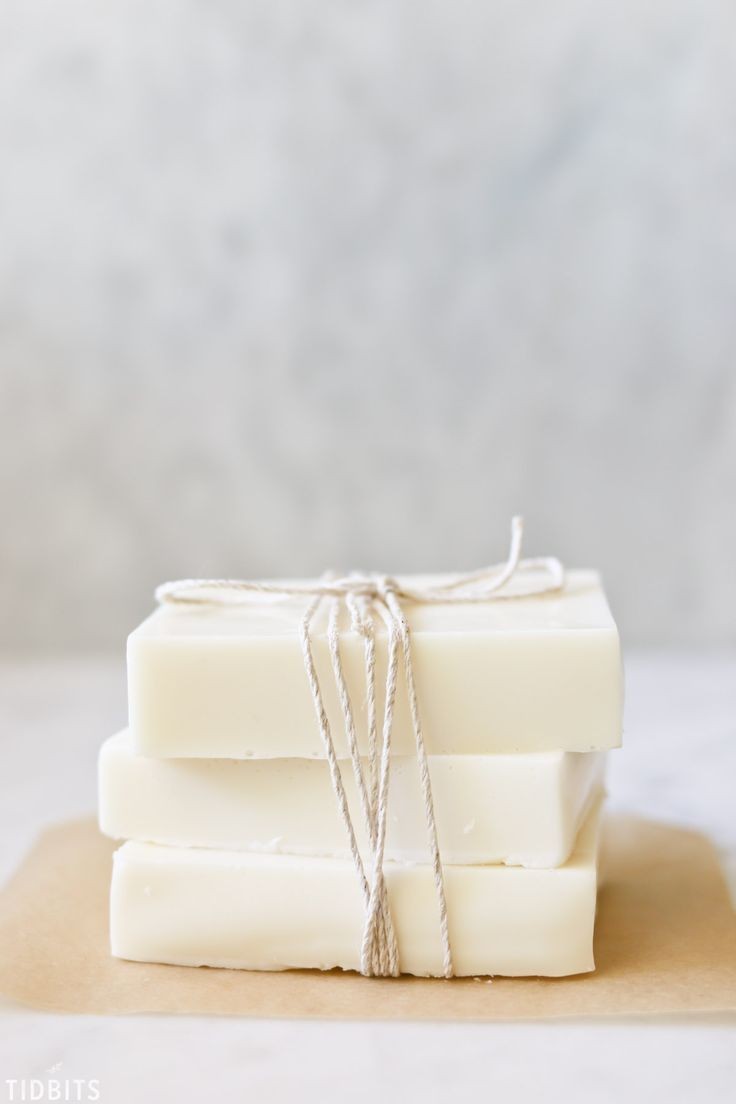
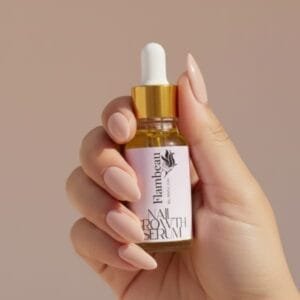
If you’re looking for products that fit these needs, consider our Nail Growth Serum – Helps Nails Grow Stronger, Healthier which is great for overall grooming. For a gentle cleansing option that supports skin health, try our Goat Milk Soap, which is mild and nourishing, perfect for sensitive skin. For more skincare tips, browse our blog.
Common Mistakes to Avoid with Exfoliation
One of the biggest mistakes is exfoliating every day. Your skin needs time to rebuild its barrier, and daily exfoliation—whether chemical or physical—will strip it, causing redness, flakiness, and increased sensitivity. Unless your dermatologist tells you otherwise, stick to 1-2 times per week maximum. Over-exfoliation can also lead to dehydrated skin, which paradoxically makes it produce more oil, leading to more breakouts.
Another mistake is using harsh physical scrubs on active breakouts. When you have pimples, the skin is already inflamed, and rubbing it with gritty particles can cause micro-tears and spread bacteria, making acne worse. It’s best to avoid physical exfoliants altogether when you have active acne, and instead use a BHA which has anti-inflammatory benefits. Similarly, if you have sunburn, don’t exfoliate at all—let your skin heal first.
Many people also forget to patch test new exfoliants. Even natural ones like lemon juice or baking soda can cause severe chemical burns or pH imbalance. Always patch test on your inner arm or behind your ear for 24 hours before applying to your face. This is especially crucial if you have sensitive skin or a history of allergies. Don’t skip this step, as it can save you from a painful reaction.
Combining too many active ingredients is another pitfall. If you’re using a prescription retinoid, adding a strong AHA or BHA can be overkill. You might end up with severe irritation and a compromised skin barrier. If you want to use both, alternate days or use a gentle exfoliant like a PHA. Always introduce new products gradually, and monitor your skin’s reaction.
Finally, ignoring sunscreen is a huge mistake. Exfoliation makes your skin more sensitive to UV rays, increasing your risk of sunburn, hyperpigmentation, and skin cancer. In Pakistan, where the sun is intense, wearing a broad-spectrum SPF 30 or higher daily is non-negotiable, especially after exfoliating. Apply it every morning, even on cloudy days, and reapply if you’re outdoors.
Beyond Exfoliation: Complementary Skincare Habits
Exfoliation is just one step in a comprehensive skincare routine. To get the most out of your exfoliants, you need to support your skin with other healthy habits. First, always cleanse your face before exfoliating. Remove makeup, sunscreen, and dirt with a gentle cleanser, then pat your skin dry. Exfoliating on a clean face ensures that the acids or scrubs can work effectively without being blocked by impurities.
Hydration is key after exfoliation. Your skin just had its top layer removed, so it’s more vulnerable and thirsty. Apply a hydrating toner or essence immediately, followed by a serum with hyaluronic acid or niacinamide, and then a moisturizer to lock it all in. These ingredients help replenish moisture and soothe any potential irritation. In a hot city like Karachi, use a lightweight gel moisturizer in summer and a richer cream in winter.
Incorporating other beneficial ingredients can also enhance your results. For instance, vitamin C is a powerful antioxidant that can brighten skin and boost collagen production. Use it in the morning under your sunscreen. At night, you might use a peptide serum to support skin firmness. If you have fine lines, consider reading our post on the Best Serum for Fine Lines Around Eyes to target that delicate area.
Don’t forget your neck and chest. These areas also need exfoliation, but they are often more sensitive than the face. Use a gentler approach, such as a diluted acid or a soft cloth. Also, keep your body hydrated by drinking plenty of water and using a good body moisturizer. Healthy skin from the inside out will complement your topical efforts.
For those who struggle with body breakouts or uneven tone, consider using a chemical exfoliant on your body as well. A salicylic acid body wash can help with back acne, while an AHA lotion can smooth rough patches. Always avoid broken skin and open wounds. If you have a condition like keratosis pilaris (rough bumps on arms), a chemical exfoliant can be particularly effective.
If you’re looking for gentle cleansing options, our Goat Milk Soap is a great choice for daily use. It’s mild and doesn’t strip your skin, making it a perfect base before exfoliating. For more guidance on non-comedogenic products that won’t clog your pores, check out our article on Non-Comedogenic Soaps for Clear, Unclogged Pores.
Final Verdict: Which One Should You Choose?
After weighing all the evidence, it’s clear that chemical exfoliants are generally superior for most skin types. They offer deeper, more consistent results, are less likely to cause micro-tears, and can be tailored to address specific concerns like acne, pigmentation, and aging. The science behind AHAs and BHAs is well-established, and when used correctly, they are safe and effective. This doesn’t mean natural exfoliants are useless—they can be a nice occasional treat, especially if you have resilient skin and enjoy the sensation of a scrub.
However, if you have sensitive skin, active acne, or any open wounds, avoid physical scrubs altogether. Instead, opt for gentle enzyme exfoliants or PHAs, which are chemical exfoliants designed for delicate skin. These will provide the benefits of exfoliation without the irritation. Always listen to your skin and adjust your routine accordingly. What works for your best friend may not work for you, and that’s okay.
Ultimately, the best exfoliant is the one that you can use consistently without causing harm. If you find that a particular product makes your skin feel tight, red, or flaky, stop using it and give your skin a break. Focus on repairing your skin barrier with hydrating and soothing ingredients before attempting to exfoliate again. Remember, healthy skin is the goal, not just exfoliated skin.
For those in Pakistan, consider the climate and your lifestyle. If you’re out in the sun a lot, be extra diligent with sunscreen after exfoliating. If you have hard water, you might need a more acidic cleanser to balance the pH. And always choose high-quality products from reputable brands. Our Nail Growth Serum is an example of a product designed to support your natural beauty, just as a good exfoliant should.
We hope this guide has been helpful in your skincare journey. For more tips and product recommendations, explore our Skin Care category. And remember, the goal isn’t to have perfect skin overnight, but to build a sustainable routine that keeps your skin healthy and glowing for years to come.
Frequently Asked Questions
Is it safe to use a physical scrub if I have sensitive skin?
It's generally not recommended because physical scrubs can cause micro-tears and irritation. If you have sensitive skin, opt for a gentle chemical exfoliant like PHA or an enzyme mask instead.
Can I use chemical and physical exfoliants together?
Yes, but not at the same time. You can use a chemical exfoliant one night and a physical scrub another night, but it's best to avoid doing both in the same routine to prevent over-exfoliation.
Which is better for acne: salicylic acid or sugar scrub?
Salicylic acid (BHA) is much better for acne because it penetrates pores to unclog them and has anti-inflammatory properties. Sugar scrubs can irritate active acne and spread bacteria.
How often should I exfoliate my face in Pakistan's climate?
Once or twice a week is sufficient in humid weather. In dry winters, reduce to once a week or every other week, and always hydrate well after exfoliating.
Written by Flambeau by Mishal Zain — sharing practical, affordable beauty and skincare tips.
Updated: September 2026