Discover the best facial oils for mature skin needing extra nourishment—from dry to sensitive types. Learn key ingredients, routine steps, and mistakes to...
For mature skin that feels tight, looks dull, or shows fine lines, the best facial oil is one rich in omega fatty acids, antioxidants, and skin-replenishing ingredients like rosehip, marula, or squalane. These oils work by supporting the skin’s lipid barrier, locking in moisture, and improving elasticity over time. Choose a non-comedogenic oil suited to your skin type—dry, combination, or sensitive—and apply it to slightly damp skin after a water-based serum for optimal absorption.
Why Mature Skin Needs Extra Nourishment
As we age, our skin’s natural oil production slows down. The sebaceous glands become less active, and the lipid barrier—the protective layer that keeps moisture in and irritants out—thins and weakens. This leads to transepidermal water loss, making skin feel parched, look flaky, and appear more lined. According to the NHS, skin naturally becomes drier with age, and conditions like eczema become more common. This is why mature skin needs extra nourishment—not just a splash of moisturizer, but a concentrated source of lipids and antioxidants that mimic the skin’s own barrier components.
Facial oils are uniquely suited to this task because they deliver fatty acids, ceramides, and vitamins directly to the skin. Unlike water-based moisturizers that evaporate, oils form an occlusive layer that slows water loss. But not all oils are equal. Light oils like grapeseed or jojoba may be too thin for deeply dehydrated mature skin, while heavy butters like shea can feel greasy without penetrating. The best oils for mature skin are those with a balanced profile—rich enough to nourish but light enough to absorb, such as **rosehip seed oil**, **marula oil**, and **squalane**.
Beyond hydration, mature skin also faces oxidative stress from UV exposure, pollution, and lifestyle factors. This stress breaks down collagen and elastin, accelerating sagging and wrinkle formation. Antioxidant-rich oils—like those containing vitamin C, vitamin E, or coenzyme Q10—help neutralize free radicals. For example, rosehip oil is naturally high in vitamin C and lycopene, while marula oil is packed with tocopherol (vitamin E). These ingredients support the skin’s repair processes and improve overall tone and texture.
Another key factor is the skin’s microbiome. As we age, the diversity of beneficial bacteria on the skin decreases, which can compromise its immune function. Certain oils, like squalane, are actually produced by our own sebaceous glands and are well-tolerated by the skin’s natural flora. Using a squalane-based oil can help reinforce the skin’s acid mantle without disrupting the microbiome. This is especially important for sensitive mature skin that may react to harsh synthetic ingredients.
Finally, hormonal changes—particularly during menopause—can dramatically alter skin’s needs. Estrogen decline leads to thinner, drier skin with reduced collagen. This is why many women in their 50s and beyond notice that their usual moisturizer no longer suffices. Facial oils can provide the lipid-rich nourishment that compensates for this hormonal shift, but they must be chosen carefully to avoid clogging pores or causing irritation. Opt for oils that are non-comedogenic and free from essential oils if you have reactive skin.
Key Ingredients: What to Look For in a Nourishing Facial Oil
When scanning the ingredient list of a facial oil, you want to see a few hero ingredients that specifically address mature skin’s needs. First and foremost is **rosehip seed oil**, a powerhouse of essential fatty acids (omega 3 and 6) and vitamin A derivatives. Studies suggest that rosehip oil can improve the appearance of scars and fine lines by promoting skin regeneration. Look for cold-pressed, unrefined versions to retain maximum nutrients.
**Squalane** is another must-have. This hydrocarbon is a saturated version of squalene, which our skin produces naturally but depletes with age. Squalane is lightweight, non-greasy, and has excellent moisturizing properties. It helps restore the skin’s barrier and is suitable for all skin types, including sensitive and acne-prone. Many high-quality oils blend squalane with other botanical oils to enhance absorption.
**Marula oil** is rich in oleic acid (omega 9) and antioxidants like vitamin E and C. It’s particularly effective for dry, mature skin because it penetrates deeply and helps soften rough patches. Marula oil also has a high stability, meaning it doesn’t oxidize quickly, so it stays effective longer. Another option is **argan oil**, which is lighter than marula but still provides essential fatty acids and vitamin E. It’s a great all-rounder for combination mature skin.
You should also look for oils that contain **ceramides** or **phytosterols**, which help rebuild the skin’s barrier. Some oils, like avocado oil, are naturally rich in phytosterols, while others may be formulated with added ceramides. These ingredients work synergistically to smooth the skin’s surface and reduce transepidermal water loss. If the oil is blended with vitamin E (tocopherol) as a preservative, that’s a bonus—it adds antioxidant protection.
Avoid oils that are predominantly **essential oils** or fragrance, as these can irritate mature skin. With age, the skin’s tolerance often decreases, and essential oils like peppermint or citrus can cause redness or stinging. Instead, choose oils that are fragrance-free or have a very mild, natural scent from the plant itself. Also, be wary of mineral oil or petroleum-based products—they may feel thick but don’t provide the same nutrient benefits as plant-derived oils.
If you’re on a budget, you can still find effective oils. Look for blends that feature **jojoba oil** as a base—it’s cost-effective and closely mimics human sebum, making it a great carrier. But for mature skin needing extra nourishment, prioritize oils that are rich in oleic acid rather than linoleic acid, as the former is more penetrating for dry skin. A blend of jojoba and rosehip can be a budget-friendly option that still delivers results.
How to Layer Facial Oils with Serums and Moisturizers
Applying facial oil correctly can make a huge difference in how well it works. The golden rule is to apply oil to **damp skin**. After cleansing, pat your face dry but leave it slightly moist. This helps the oil spread evenly and trap water in the skin. If you use a water-based serum—like a hyaluronic acid serum—apply that first, wait a minute for it to absorb, and then follow with oil. This layering technique ensures that you’re getting both hydration and nourishment.
For a step-by-step routine, start by cleansing your face with a gentle, non-stripping cleanser. Warm water is fine, but avoid hot water as it can strip oils. Next, apply a toner or essence if you use one, but keep in mind that these are optional. Then, apply your serum—look for one with peptides or niacinamide to complement the oil. After the serum has set, warm 2-3 drops of your facial oil in your palms by rubbing them together, then press the oil onto your face, focusing on dry areas like cheeks and forehead. Do not rub vigorously; gentle pressing or light sweeping motions are best.
After the oil, you can apply a moisturizer if you feel you need extra occlusion. However, many mature skin types find that oil alone is sufficient, especially if it’s a rich blend. If your skin feels tight by mid-day, you can also mix a drop of oil into your daytime moisturizer or foundation. This is a great trick for those who find oils too heavy for daytime use.
If you’re layering multiple oils—say, a lighter one like squalane and a richer one like marula—apply the lighter one first. Lighter oils have smaller molecular weights and penetrate faster, while heavier oils sit on the surface. But in most cases, a single well-formulated oil is enough. Over-layering can lead to a greasy feel or clogged pores.
In your evening routine, you can use oil as the final step after retinol or other actives. This helps buffer potential irritation and locks in the benefits of your treatment. However, if you use a retinol, wait at least 20 minutes after application before applying oil to avoid diluting the retinol. The exception is if your oil contains bakuchiol, a plant-based retinol alternative, which can be mixed with your moisturizer.
For those living in Pakistan’s hot, humid climate, you might wonder if oil is still suitable. Yes, but you may need to adjust the amount or use it only at night. During summer months, opt for a lighter oil like jojoba or squalane and use just one drop. In winter, when the air is drier, you can increase to 3-4 drops. If you find your skin becomes too shiny, let the oil absorb for 10 minutes before applying makeup.
Common Mistakes to Avoid with Facial Oils on Mature Skin
One of the most common mistakes is applying oil to dry skin. When your skin is dry, the oil sits on the surface and may not penetrate, leaving a greasy film that doesn’t hydrate. Always apply to damp skin or after a water-based serum. Another mistake is using too much oil. A few drops are all you need—excess oil can clog pores and lead to breakouts, which can be frustrating for mature skin that is already prone to congestion.
Choosing the wrong oil type is another pitfall. If you have naturally oily or combination skin, but you pick a heavy oil like avocado or coconut (which is highly comedogenic), you may experience breakouts. Even mature skin can have an oily T-zone. In that case, stick to lighter oils like squalane or jojoba. Conversely, if you have very dry, flaky skin, a light oil like grapeseed won’t provide enough nourishment—you need something richer like marula or rosehip.
Skipping a patch test is also a common error. Even natural oils can cause allergic reactions, especially if you have a nut allergy. For example, marula oil is derived from a nut, and argan oil is also nut-derived. If you’re allergic to tree nuts, these oils may trigger a reaction. Always do a patch test on your inner arm 24 hours before using a new oil on your face. This is a crucial step, especially for mature skin that may be more reactive.
Another mistake is using facial oil in place of a moisturizer when your skin still feels tight. While oils are excellent emollients, they don’t provide humectant properties that draw water into the skin. If you have severe dryness, you need both a humectant (like glycerin or hyaluronic acid) and an occlusive (like oil). So, apply a water-based moisturizer first, then seal with oil. This is often referred to as the “moisturizer sandwich” technique.
Many people also make the error of applying oil before a serum, which blocks the serum from absorbing. The oil creates a barrier that prevents water-soluble ingredients from penetrating. Always follow the light-to-heavy rule: water-based products first, then oil-based. If you’re using multiple oils, apply the one with the smallest molecule size first.
Finally, don’t expect instant results. Natural oils work gradually, and it may take 4-6 weeks of consistent use to see visible improvements in hydration and elasticity. Patience is key. Also, store your oils away from direct sunlight and heat, as they can oxidize and lose potency. Keep them in a cool, dark place, and if the oil smells rancid, it’s time to replace it.
Best Facial Oils for Different Mature Skin Types
Dry Mature Skin: If your skin feels parched and shows flaky patches, you need a rich, deeply nourishing oil. Look for oils high in oleic acid, such as **marula oil**, **avocado oil**, or **rosehip oil**. These penetrate deeply and help repair the lipid barrier. You might also benefit from an oil that contains shea butter or jojoba esters for extra comfort. Apply twice daily, and consider mixing a drop into your night cream for an extra boost.
Combination Mature Skin: You may have dry cheeks but an oily T-zone. In this case, choose a lightweight oil that still nourishes, like **squalane** or **jojoba oil**. These mimic the skin’s natural sebum and won’t clog pores. Use oil primarily on the dry areas, and skip the T-zone if you feel it’s unnecessary. You can also apply oil only at night if you find it too much for daytime.
Sensitive Mature Skin: If your skin reacts easily to fragrances or essential oils, opt for a minimal, single-ingredient oil. **Squalane** is ideal because it’s hypoallergenic and non-irritating. Alternatively, **camellia oil** is very gentle and has a light texture. Avoid oils with added fragrance or citrus extracts. Patch test every new product, and if you experience stinging, discontinue use.
Oily but Dehydrated Mature Skin: Yes, this is possible—your skin may produce excess oil but still lack water. In this case, use a non-comedogenic oil like **grapeseed oil** or **hemp seed oil**, which are high in linoleic acid and can help regulate sebum production. Apply a hyaluronic acid serum first to hydrate, then a few drops of oil. Do this only at night to avoid excessive shine during the day.
If you’re unsure which category you fall into, consider your skin’s behavior after cleansing. If it feels tight immediately, you likely have dry skin. If it gets oily by midday, you have combination or oily tendencies. Pay attention to how your skin feels with different oils—it’s a personal journey, and what works for one person may not work for another.
Budget-Friendly Adaptations and Where to Buy
Quality facial oils don’t have to break the bank. Many drugstore brands offer pure argan or jojoba oil at affordable prices. In Pakistan, you can find local options like pure coconut oil (though use it sparingly on the face) or almond oil, which is a great budget-friendly choice for dry skin. However, for mature skin needing extra nourishment, investing in a well-formulated blend can be worth it because it saves you from buying multiple products.
If you’re on a tight budget, look for oils that contain **rosehip oil** as a key ingredient but are blended with cheaper carriers like sunflower or grapeseed oil. These blends still offer benefits at a lower price point. You can also buy pure rosehip oil in bulk and mix a few drops into your regular moisturizer—this way, you get the benefits without a heavy upfront cost.
Another budget-friendly tip is to use your facial oil not just on your face but also on your neck and décolletage, which are often neglected but show signs of aging just as much. You can also apply a few drops to your cuticles or elbows, making the product multi-purpose. This maximizes value for money.
When shopping, always check the ingredient list to ensure you’re getting pure oil without added silicones or mineral oil. Look for certifications like organic or cold-pressed, but don’t be fooled by marketing buzzwords. A simple, transparent ingredient list is often best.
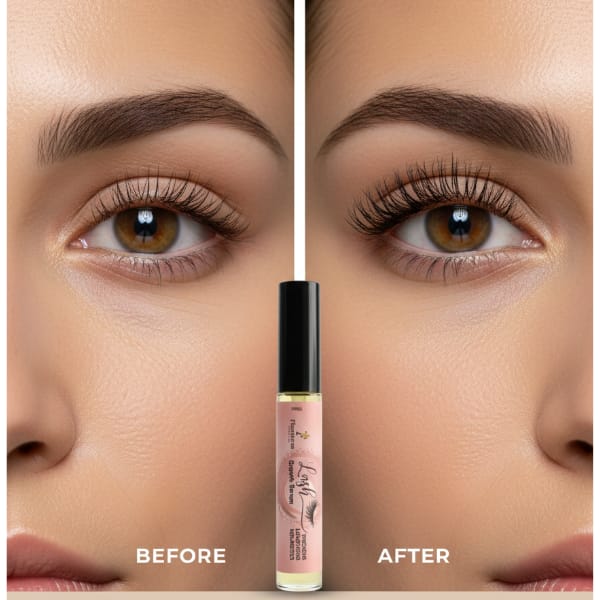
At Flambeau by Mishal Zain, you can find a curated selection of oils and serums designed for various skin concerns. While they are best known for their Eyelashes Growth Serum and Hair Growth Oil, their range also includes face oils that are formulated with nourishing blends. You can also browse their blog for more skincare tips, including how to layer oils and serums effectively.
Remember, the best facial oil for mature skin is one that suits your unique skin type and lifestyle. Don’t be afraid to experiment, but always introduce new products gradually. And if you’re also concerned about makeup longevity in humid weather, check out our guide on how to make your makeup last in hot, humid weather—it complements your skincare routine beautifully.
Frequently Asked Questions
Can I use facial oil if I have mature skin but also breakouts?
Yes, choose non-comedogenic oils like squalane or jojoba, and apply sparingly. These oils can help balance sebum production and won't clog pores if used correctly.
How often should I apply facial oil for mature skin?
Start with once daily, preferably at night. If your skin tolerates it well, you can increase to twice daily—morning and night—depending on your skin's dryness.
What is the best way to combine facial oil with my moisturizer?
Apply moisturizer first to damp skin, then seal with oil. This ensures humectants draw water in, and oil locks it in. For a simpler routine, you can mix a drop of oil into your moisturizer.
Written by Flambeau by Mishal Zain — sharing practical, affordable beauty and skincare tips.
Updated: September 2026