Discover how herbal detox teas support skin clarity and digestion. Learn key ingredients, routines, and tips for choosing the best organic blend like Slim...
Herbal detox teas support skin clarity and digestion by combining gentle botanicals that aid liver function, reduce bloating, and provide antioxidants that calm inflammation. Ingredients like dandelion, fennel, and ginger encourage regular elimination and help your body flush toxins that can trigger breakouts or dullness. For best results, enjoy a warm cup daily, stay hydrated, and pair with a balanced diet.
Understanding the Connection Between Digestion and Skin Health
The link between your gut and your skin is one of the most fascinating areas of modern wellness. Often called the ‘gut-skin axis’, this connection means that when your digestive system is out of balance, it can show up on your face. A sluggish gut can lead to a buildup of toxins that your body tries to expel through other channels, including your skin, which may result in congestion, breakouts, or a dull, tired complexion. In Pakistan, where rich, spicy foods and irregular meal times are common, many people experience occasional indigestion that mirrors itself in skin issues.
Your digestive tract is home to trillions of bacteria that influence everything from nutrient absorption to inflammation levels. When these beneficial microbes are thriving, they help break down food efficiently and produce short-chain fatty acids that support a healthy gut lining. But when your gut flora is disrupted by stress, poor diet, or dehydration, the barrier can become more permeable – often referred to as ‘leaky gut’ – allowing undigested particles and toxins to enter your bloodstream. This triggers an immune response that can manifest as redness, puffiness, or acne flare-ups.
Herbal detox teas work gently on this system by providing natural compounds that support liver detoxification pathways, stimulate bile production for better fat digestion, and soothe the intestinal lining. For example, dandelion root has long been used in traditional medicine to support liver health, and its mildly bitter taste signals your digestive system to produce more enzymes and bile. Similarly, fennel seeds contain anethole, a compound that can help relax the digestive tract and relieve gas, making your stomach feel flatter and less bloated.
But it’s not just about the herbs themselves – the act of sipping a warm, calming tea can also activate your parasympathetic nervous system, which helps your body shift into ‘rest and digest’ mode. This is particularly important in our fast-paced lives where we often eat on the go or while stressed. By taking a few minutes to brew and enjoy a cup of herbal tea after a meal, you signal to your body that it’s safe to relax, which may improve the efficiency of your entire digestive process.
Consistency is key when using herbal teas for skin and digestion. While you might feel a temporary sense of lightness after one cup, the deeper benefits – like clearer skin and more regular bowel movements – come from regular use over weeks and months. Think of it as a gentle daily ritual that supports your body’s natural detoxification systems, rather than a quick fix. Over time, as your digestion improves, you may notice fewer breakouts along your jawline or cheeks, and a more even, radiant skin tone.
Key Herbal Ingredients to Look For
When choosing a herbal detox tea, the ingredient list tells you everything. Look for herbs that are known for their digestive and skin-supporting properties, and avoid blends that rely on harsh laxatives like senna, which can cause cramping and dependence. Instead, opt for gentle, time-honored botanicals that work with your body, not against it.
Dandelion root is a powerhouse for both digestion and skin. It acts as a mild diuretic, helping to reduce water retention and puffiness, while also supporting the liver’s natural detoxification processes. A healthy liver means your body is better equipped to filter out hormones and environmental toxins that can contribute to adult acne. Dandelion also contains chicoric acid and other polyphenols that have been studied for their antioxidant and anti-inflammatory effects, which may help calm redness and irritation.
Fennel seeds are another common ingredient in quality detox teas, especially popular in South Asian households as a post-meal breath freshener. Beyond their pleasant, licorice-like flavor, fennel seeds can help relieve bloating and gas by relaxing the muscles in the gastrointestinal tract. This can make your stomach feel flatter and more comfortable, which also boosts your confidence. Fennel’s phytonutrients, including anethole, have been shown to have antimicrobial properties that may help balance gut bacteria.
Ginger is a warming herb that stimulates circulation and digestion. It contains gingerol, a bioactive compound that has potent anti-inflammatory and antioxidant effects. For your skin, this means reduced redness and a brighter appearance, as improved circulation brings more oxygen and nutrients to skin cells. Ginger is also known to ease nausea and support healthy bowel movements, making it a versatile addition to any detox blend.
Licorice root is often included for its soothing properties. It can help coat the stomach lining and reduce irritation, which is beneficial for those with sensitive digestion. Licorice contains glycyrrhizin, a compound that has been studied for its ability to calm skin inflammation and even out skin tone – though it’s usually used in small amounts in teas to avoid any potential side effects. If you have high blood pressure, do check with your doctor before consuming licorice regularly.
Peppermint is another herb commonly found in detox blends, known for its ability to relax the muscles of the digestive tract and ease symptoms of irritable bowel syndrome, like cramping and bloating. Its cooling menthol also has a soothing effect on the body, which can indirectly benefit your skin by reducing stress-related breakouts. However, if you have acid reflux, peppermint can sometimes make it worse, so listen to your body.
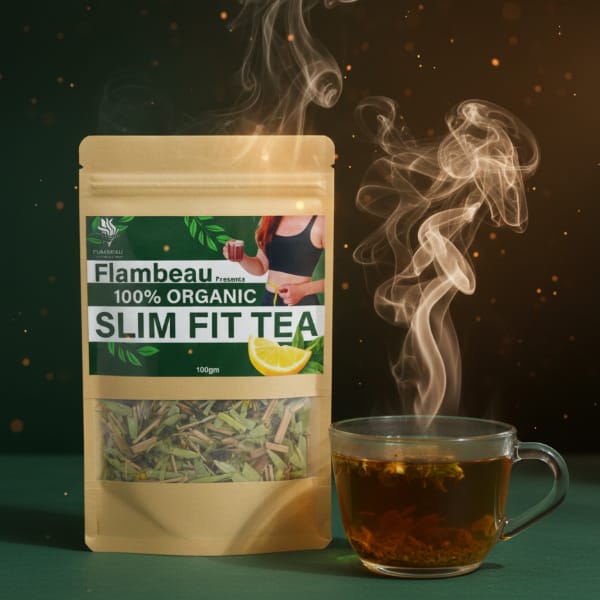
When you look at the ingredient label, the order matters – ingredients are listed by weight, so the first few are what you’ll get the most of. A good detox tea will have several of these herbs listed prominently, and you’ll be able to see recognizable plant parts, like seeds or leaves, rather than just a generic ‘herbal blend’. For a ready-made option that combines many of these beneficial herbs, consider Slim Fit Tea – 100% Organic Loose Herbal Tea, which is crafted with digestion and skin health in mind.

How to Incorporate Detox Tea into Your Daily Routine
Adding herbal detox tea to your day doesn’t require a complicated ritual – it’s about finding a sustainable habit that works for you. The best time to drink it is usually between meals, rather than with food, to avoid interfering with nutrient absorption. Many people enjoy a cup in the late morning or mid-afternoon as a pick-me-up that isn’t caffeinated, while others prefer a warm cup after dinner to aid digestion overnight.
Start by brewing your tea fresh each time. Use about one teaspoon of loose herbal tea per cup of hot water, and let it steep for 5 to 7 minutes. This allows the beneficial compounds to fully infuse into the water. If you’re using tea bags, follow the package instructions, but generally, a similar steeping time works well. Always cover your cup while steeping to keep the essential oils from escaping into the air.
To see noticeable improvements in your digestion and skin clarity, aim for one to two cups daily over a period of at least four to six weeks. Consistency is far more effective than an occasional strong brew. Some people find it helpful to have a cup first thing in the morning with a glass of water to kickstart hydration, while others prefer it as a calming bedtime ritual. Listen to your body and adjust based on how you feel.
It’s important to remember that herbal tea is a complement to, not a replacement for, a healthy lifestyle. To truly support your skin clarity, pair your tea habit with plenty of plain water throughout the day – aim for at least eight glasses. Water helps your kidneys flush out water-soluble toxins, and it keeps your skin cells plump and hydrated. Eating a diet rich in fruits, vegetables, and fiber also supports regular bowel movements, which reduces the burden on your liver and skin.
If you’re new to detox teas, start with a smaller amount, like half a cup, to see how your digestive system reacts. Some herbs can cause mild stomach upset in sensitive individuals, though most gentle blends are well-tolerated. Always patch test first if you have known allergies to plants in the daisy family, like chamomile or dandelion, and consult with a healthcare provider if you are pregnant, nursing, or taking any medications.
For a structured approach, you could try a 14-day reset where you replace your afternoon sugary beverage with a cup of detox tea. This simple swap not only reduces your sugar intake but also gives your digestion a gentle boost. Many users of Slim Fit Tea share that they notice less bloating within the first week, and their skin looks more radiant by the second or third week of consistent use.
Common Mistakes to Avoid
Even the best herbal tea won’t work miracles if you’re making some common errors that undermine your efforts. One of the biggest pitfalls is relying on detox tea as a quick fix while continuing a diet high in processed foods, sugar, and unhealthy fats. Detox teas are meant to support your body’s natural elimination processes, not to compensate for a poor lifestyle. To see real changes in your skin and digestion, you need to address your overall diet and hydration.
Another mistake is overdoing it. Some people think that if one cup is good, three or four cups must be better. However, excessive consumption of certain herbs can lead to unwanted side effects – too much dandelion, for example, might cause an upset stomach or interact with diuretic medications. Similarly, drinking detox tea late at night might cause you to wake up frequently to use the bathroom, disrupting your sleep, which in turn can affect your skin.
Choosing blends with harsh laxatives is a common trap, especially when looking for weight loss effects. Senna and cascara sagrada are stimulant laxatives that can cause cramping, diarrhea, and even electrolyte imbalances if used long-term. They may make you lose water weight quickly, but they don’t help with skin clarity or healthy digestion – and they can actually dehydrate you, which is bad for your skin. Always read the label and avoid any tea that lists these as main ingredients.
Ignoring the quality of the herbs is another error. Herbs that are grown with pesticides or processed with harsh chemicals can introduce toxins into your body, which is the opposite of what you want. Look for organic certifications or at least brands that provide transparency about their sourcing. Slim Fit Tea is made from 100% organic herbs, which gives you peace of mind that you’re not adding to your toxic load.
Finally, don’t skip the importance of hydration. Herbal teas do count toward your fluid intake, but if you’re drinking several cups of tea and very little water, you might still be mildly dehydrated. Your skin needs water to maintain elasticity and a healthy glow, and your digestive tract needs water to keep things moving. Make a conscious effort to drink a glass of water alongside your tea, and increase your intake if you’re active or live in a hot climate.
And remember, while herbal teas can support skin clarity, they are not a substitute for a proper skincare routine. If you’re struggling with persistent acne or other skin conditions, it’s wise to address both internal and external factors. You can read more about repairing your skin barrier in our related post on Damaged Skin Barrier: 7 Signs & How to Repair It Fast to understand how a compromised barrier can affect your complexion.
Choosing the Right Detox Tea for Your Needs
Not all detox teas are created equal, and what works for one person may not work for another. Your choice should depend on your specific digestive concerns, your taste preferences, and any health conditions you have. For instance, if you tend to feel bloated and gassy after meals, look for a tea with fennel, ginger, or peppermint. If your main concern is sluggish digestion and constipation, dandelion root or licorice root might be more helpful.
Consider the time of day you plan to drink it. If you want a gentle evening tea, avoid blends with ginger or peppermint if they tend to keep you awake – though peppermint is actually caffeine-free, its strong flavor might be too stimulating for some. Chamomile is a classic choice for nighttime due to its calming properties, though it’s less of a detox herb and more of a relaxant.
Read the label carefully. Look for the specific herbs and their parts, and check for any additives like artificial flavors, sweeteners, or fillers. A high-quality tea will have a clear ingredient list with recognizable botanical names. If you have any allergies, especially to plants in the asteraceae family (like chamomile, dandelion, or echinacea), make sure your chosen tea doesn’t contain them.
Another factor is the form: loose leaf vs. tea bags. Loose leaf teas often use larger pieces of herbs, which can allow for better infusion and a fresher flavor. They also give you more control over the strength. Tea bags are convenient, but some lower-quality brands might use dust or fannings, which can lose their potency quickly. If you’re buying loose tea, store it in an airtight container away from light and moisture to preserve its freshness.
Certifications like ‘organic’ are a good sign, but also look for brands that do third-party testing for heavy metals and pesticides, as herbs can sometimes absorb contaminants from soil and water. Flambeau by Mishal Zain takes pride in sourcing high-quality, organic herbs for their teas. You can explore their slim fit tea category to see their offerings, which are designed with both taste and efficacy in mind.
Price is often a reflection of quality, but you don’t need to break the bank. A decent detox tea should cost more than cheap supermarket blends, but there are affordable options that still use good ingredients. If you’re on a budget, you can also buy individual dried herbs and blend your own tea at home – though this requires some knowledge about proportions and potential interactions. For most people, a reputable ready-made blend is a safer and more convenient choice.
Detox Tea for Different Skin Types and Goals
Just as your skincare routine should be tailored to your skin type, your internal support can also be adjusted. While herbal detox teas are generally beneficial for all, you can choose specific herbs to address your dominant skin concerns.
For oily or acne-prone skin, look for teas that include burdock root, which is traditionally used as a blood purifier, and red clover, which is rich in isoflavones that may help balance hormones. Dandelion is also excellent for reducing oiliness by supporting liver function. Drinking a cup daily can help calm the internal inflammation that often contributes to breakouts.
For dry or dehydrated skin, you need herbs that support hydration and provide antioxidants. Hibiscus is rich in vitamin C and alpha-hydroxy acids, which can help improve skin texture, while marshmallow root has mucilage that soothes mucous membranes and may help with water retention. Blends that include licorice root can also help the skin retain moisture.
For sensitive or easily irritated skin, choose gentle herbs like chamomile, calendula, and lemon balm. These herbs are known for their anti-inflammatory and calming properties, both internally and topically. Avoid strong detox herbs like senna or even high doses of ginger, which might be too stimulating. A simple blend of chamomile and fennel can be soothing for your stomach and your skin.
For combination skin, a balanced blend with herbs like dandelion, ginger, and peppermint can support digestion without being too drying or too rich. You may benefit from varying your tea based on the season – lighter cooling herbs in summer (like peppermint) and warming herbs in winter (like ginger).
If your main goal is overall skin clarity and a more even tone, focus on herbs rich in antioxidants, such as rosehip, hibiscus, and green tea (if you tolerate caffeine). These help fight free radicals that contribute to premature aging and dullness. Pairing your tea with a good skincare routine that includes sunscreen can amplify the benefits.
Remember that herbal teas are a supportive addition, not a magic cure. For persistent skin issues, it’s always best to consult with a dermatologist or healthcare provider. And if you’re interested in learning more about skincare from the outside in, you might enjoy our guide on How to Keep Hands Soft Despite Frequent Handwashing, which offers practical tips for maintaining skin health in challenging conditions.
What to Expect: Timeline and Results
When you start drinking herbal detox tea regularly, it’s helpful to have realistic expectations about what you might notice and when. Most people do not experience dramatic overnight changes; instead, the benefits tend to build gradually as your digestive system and overall hydration improve. In the first few days, you may notice a reduction in bloating and a feeling of lightness after meals, especially if you were previously not drinking much tea or water.
Within the first two weeks, many individuals report more regular bowel movements and a decrease in that sluggish, heavy feeling that can accompany poor digestion. Your skin might start to look slightly more refreshed, simply because your body is eliminating waste more efficiently. You may also find that you’re less hungry for sugary snacks, as the tea’s mild sweetness and warmth can help curb cravings.
By the third and fourth weeks, you could see more visible changes in your skin’s clarity. Puffiness around the eyes and face may decrease, and any dullness may begin to lift. If you were dealing with hormonal breakouts, you might notice fewer new spots, though existing ones still need time to heal. The antioxidants in the herbs are also working to protect your skin from environmental stressors, which can contribute to a brighter overall tone.
After two to three months of consistent use, you may find that your clothes fit a bit more comfortably if you were carrying excess water weight, and your skin may have a healthy, natural glow. However, it’s important to remember that individual results vary based on your diet, lifestyle, and genetics. A detox tea is a tool, not a solution in itself.
To get the most out of your tea, pair it with a balanced diet and regular exercise. Eating plenty of fiber from fruits, vegetables, and whole grains helps keep your digestive tract moving, while physical activity promotes circulation and encourages your body to sweat out impurities. Both of these habits complement the benefits of your herbal tea and contribute to clearer skin.
Also, be mindful of how your body responds. If you experience any discomfort, such as stomach cramps or diarrhea, reduce your intake or discontinue use. It’s possible to be sensitive to certain herbs, so always listen to your body. If you have any underlying health conditions or are taking medications, it’s wise to discuss your herbal tea habit with your doctor, as some herbs can interact with drugs.
For more tips on maintaining healthy skin from the inside out, explore our blog for additional articles on skincare and wellness. And remember, the journey to clear skin is a holistic one that involves what you put on your body as well as what you put in it.
Frequently Asked Questions
How long does it take for herbal detox tea to improve skin clarity?
Most people notice subtle improvements in digestion within a few days, but visible changes in skin clarity typically take 3-4 weeks of consistent use. For best results, drink 1-2 cups daily and pair with a healthy diet and hydration.
Can I drink herbal detox tea if I have sensitive stomach or IBS?
Yes, but choose gentle herbs like fennel, ginger, or peppermint, which are known to soothe the digestive tract. Avoid harsh laxatives like senna. Start with a small amount to see how you react, and consult your doctor if you have a medical condition.
Are there any side effects of drinking detox tea every day?
When consumed in moderate amounts, most herbal teas are safe for daily use. However, excessive intake or blends with stimulant laxatives can cause cramping, diarrhea, or dehydration. Always follow the recommended serving and check with a healthcare provider if you're pregnant or on medication.
Written by Flambeau by Mishal Zain — sharing practical, affordable beauty and skincare tips.
Updated: September 2026