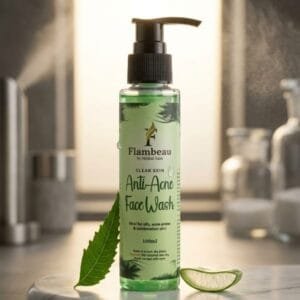
Learn how to control excess facial oil without stripping your skin. Discover gentle cleansers, hydrating ingredients, and lifestyle tweaks for a healthy,...
To reduce oiliness without over-drying, focus on gentle cleansing, consistent hydration, and oil-regulating ingredients that respect your skin’s moisture barrier. Avoid harsh, stripping products that trigger rebound oil production. Instead, use a mild cleanser, a lightweight moisturizer, and targeted treatments with niacinamide or salicylic acid. Always patch test new products and adjust your routine based on climate and season. This approach helps maintain a healthy, balanced complexion without the tight, uncomfortable feeling of over-drying.
Understanding Your Skin’s Oil Production
Your skin produces oil, or sebum, to protect and lubricate the surface. Sebum is a natural mixture of lipids, wax esters, and other compounds that help maintain the skin’s barrier and keep it supple. However, when your skin produces too much oil, it can lead to a shiny appearance, clogged pores, and breakouts. Several factors influence oil production, including genetics, hormones, stress, diet, and even the weather. For instance, in Pakistan’s hot and humid summer months, many people notice their skin becomes oilier than usual. This is because heat and humidity stimulate the sebaceous glands to produce more oil.
It’s a common misconception that oily skin doesn’t need moisture. In reality, your skin needs water to function properly. When you strip away all the oil with harsh cleansers or astringent toners, your skin’s barrier becomes compromised. The skin then tries to compensate by producing even more oil, leading to a vicious cycle of oiliness and dryness. This is why over-drying can actually make your oil problem worse. The key is to find a balance: remove excess oil without completely eliminating the natural oils that keep your skin healthy.
Your skin type also plays a role. Some people naturally have oilier skin, while others are dry or combination. Understanding your specific skin type helps you choose the right products and routine. For example, if you have combination skin, you might need to focus more on your T-zone (forehead, nose, and chin) while using lighter products on your cheeks. If you have sensitive skin, you’ll want to be even more careful about the ingredients you use, avoiding anything that could cause irritation.
Moreover, the concept of a healthy skin barrier is crucial. The skin barrier is the outermost layer that protects against environmental damage and locks in moisture. When this barrier is damaged, it leads to increased water loss, which can trigger more oil production. Therefore, any routine aimed at reducing oiliness should also focus on maintaining or repairing the skin barrier. This means incorporating ingredients like ceramides, fatty acids, and cholesterol, which are the building blocks of a healthy barrier.
Finally, it’s important to set realistic expectations. You cannot completely stop your skin from producing oil—it’s a natural process. The goal is to manage it so that it doesn’t interfere with your appearance or cause skin issues. By understanding your skin’s unique needs and responding with a balanced routine, you can achieve a healthier, more matte complexion without compromising your skin’s integrity.
Gentle Cleansing: The Foundation of Oil Control
The first step in any oil-reducing routine is cleansing, but not all cleansers are created equal. Many people with oily skin choose foaming cleansers with sulfates, which can leave your skin feeling squeaky clean. However, this squeaky-clean feeling is often a sign that you’ve stripped your skin of too much oil. Instead, look for gentle, sulfate-free cleansers that effectively remove dirt and excess oil without disrupting your skin’s pH balance. Gel or cream cleansers with ingredients like aloe vera, green tea, or cucumber are excellent choices.
When washing your face, use lukewarm water rather than hot. Hot water can strip away natural oils and cause irritation. Massage the cleanser onto your skin in circular motions for about 30 seconds, then rinse thoroughly. Avoid scrubbing too hard, as this can damage the skin barrier and stimulate more oil production. Pat your face dry with a clean towel—don’t rub. Rubbing can irritate the skin and lead to inflammation.
How often should you cleanse? Most dermatologists recommend washing your face twice a day—once in the morning and once at night. Over-cleansing can dry out your skin, so resist the urge to wash every time you feel oily. Instead, you can use blotting papers or a gentle toner to manage shine throughout the day. If you wear makeup, be sure to remove it thoroughly before your nighttime cleanse to prevent clogged pores.
For those in Pakistan, the water hardness can vary, which may affect how your cleanser performs. If you have hard water, you might notice more residue on your skin. In such cases, using a micellar water as a first step can help remove impurities before your regular cleanser. Also, consider using a cleansing brush or a soft silicone pad to gently exfoliate and unclog pores, but only 2-3 times a week to avoid irritation.
An example of a gentle yet effective cleanser is one that contains salicylic acid, which helps dissolve excess oil and exfoliate inside the pores. However, if you’re new to salicylic acid, start with a lower concentration (around 0.5-2%) and use it every other day to see how your skin reacts. Always patch test first, and if you experience any redness or irritation, reduce frequency or discontinue use.
Hydration: The Secret to Less Oil
It might seem counterintuitive, but hydrating your skin is one of the best ways to reduce oiliness. When your skin is well-hydrated, it signals to your sebaceous glands that it doesn’t need to produce as much oil. This is because the skin’s moisture barrier is intact, preventing water loss and reducing the need for compensatory oil production. Therefore, incorporating a lightweight, oil-free moisturizer into your routine is essential.
Look for moisturizers that contain humectants like hyaluronic acid, glycerin, or aloe vera. These ingredients draw water into the skin, providing hydration without adding extra oil. Avoid heavy, occlusive moisturizers that contain petrolatum or mineral oil, as they can trap heat and oil, leading to breakouts. Gel-based moisturizers are often ideal for oily skin types because they are water-based and absorb quickly.
In addition to your daily moisturizer, consider using a hydrating serum before it. Serums with niacinamide are particularly beneficial, as niacinamide not only hydrates but also regulates sebum production and improves skin texture. A few drops of a niacinamide serum can help balance your skin and reduce the appearance of pores. This ingredient is well-tolerated by most skin types, but as always, patch test first.
Another way to boost hydration is by using a facial mist throughout the day. A simple rosewater or green tea mist can refresh your skin and provide a burst of hydration without clogging pores. However, be careful not to let the mist sit on your skin for too long without moisturizer, as it can evaporate and leave your skin drier. Follow up with a light moisturizer or a few drops of facial oil if needed.
Don’t forget to hydrate from the inside by drinking plenty of water. While the jury is still out on whether drinking water directly affects skin oiliness, staying well-hydrated is vital for overall skin health. In Pakistan’s warm climate, it’s easy to become dehydrated, so make sure to drink at least 8 glasses of water a day. You can also include hydrating foods like watermelon, cucumber, and oranges in your diet.
Targeted Treatments for Oil Control
Beyond cleansing and moisturizing, you can incorporate targeted treatments to help control oil and prevent breakouts. The most effective ingredients for oily skin include salicylic acid, niacinamide, and alpha hydroxy acids (AHAs) like glycolic acid. Salicylic acid is oil-soluble, meaning it can penetrate deep into pores to dissolve the oil and dead skin cells that cause blackheads and whiteheads. It also has anti-inflammatory properties, making it great for active breakouts.
Niacinamide, a form of vitamin B3, is another powerhouse ingredient. It helps reduce inflammation, minimize the appearance of pores, and regulate sebum production. Many people see visible improvements in their skin’s texture and oiliness within 4-8 weeks of regular use. Niacinamide is generally well-tolerated, but it’s wise to start with a lower concentration (2-5%) and gradually increase if needed.
AHAs, like glycolic or lactic acid, are water-soluble and work on the surface of the skin to exfoliate dead cells. While they don’t directly reduce oil, they help keep pores clear and improve overall skin tone. Regular exfoliation with AHAs can also prevent the buildup of oil and debris that leads to breakouts. However, AHAs can increase sun sensitivity, so always wear sunscreen during the day.
When using these treatments, it’s crucial not to over-exfoliate. Start by using them 1-2 times a week, and observe how your skin responds. If you experience excessive dryness, irritation, or flaking, reduce frequency or take a break. Always apply these treatments to clean, dry skin and follow with a moisturizer to minimize irritation.
Another option is a clay mask, which can help absorb excess oil and draw out impurities. Bentonite or kaolin clay masks are particularly effective. Use them once a week for about 10-15 minutes, but avoid letting the mask dry completely on your skin, as this can pull moisture from the skin. Rinse with lukewarm water and follow up with a hydrating toner or moisturizer.
Lifestyle Adjustments for Balanced Skin
Your daily habits can significantly impact your skin’s oiliness. One of the most effective ways to manage oil is to manage stress. When you’re stressed, your body produces cortisol, a hormone that can stimulate sebum production. Taking time to relax, practicing deep breathing, or engaging in hobbies you enjoy can help keep stress levels in check. Regular exercise also helps reduce stress and improves blood circulation, which can benefit your skin.
Your diet also plays a role. Foods high in refined sugars and carbohydrates can cause blood sugar spikes, leading to increased oil production. Try to reduce your intake of sugary drinks, processed snacks, and white bread. Instead, opt for a diet rich in fruits, vegetables, and healthy fats like avocados and nuts. These foods provide essential nutrients that support skin health.
Another tip is to avoid touching your face throughout the day. Your hands carry dirt, oil, and bacteria that can clog pores and worsen oiliness. If you need to touch your face, make sure your hands are clean. Also, keep your hair off your face, as hair products and natural oils can transfer to your skin.
In Pakistan, the sun can be intense, so wearing sunscreen is non-negotiable. Choose a sunscreen that is oil-free and non-comedogenic to avoid adding extra shine. Apply it every morning, even if you’re indoors, and reapply every 2-3 hours if you’re outside. Sun exposure can damage the skin barrier, making it more prone to oiliness and breakouts.
Finally, make sure you’re getting enough sleep. Lack of sleep can increase stress hormones and lead to imbalanced oil production. Aim for 7-8 hours of quality sleep each night. Your skin repairs itself during sleep, so a good night’s rest is essential for a healthy complexion.
Common Mistakes to Avoid
One of the biggest mistakes people make when dealing with oily skin is over-cleansing. Washing your face more than twice a day, or using harsh soaps, can strip away natural oils and cause your skin to produce even more oil to compensate. Similarly, using multiple exfoliating products at once, such as a scrub and an acid toner, can irritate your skin and break down your moisture barrier.
Another mistake is skipping moisturizer out of fear it will make you oilier. As we’ve discussed, moisturizer is essential for maintaining a healthy barrier. Instead of skipping it, choose a lightweight, oil-free formula that suits your skin. Also, avoid using heavy, comedogenic products that can clog pores, such as thick creams or oils like coconut oil, which can be problematic for acne-prone skin.
Many people also rely on blotting papers or powder throughout the day, but overuse can actually dry out your skin and lead to more oil production. Blotting papers are fine for emergencies, but limit them to 2-3 times a day. When using powder, choose a translucent, oil-absorbing formula and apply only to the T-zone.
Ignoring your skin’s changing needs is another pitfall. As seasons change, so does your skin. In winter, you may need a slightly richer moisturizer, while in summer, a lighter one. Pay attention to how your skin feels and adjusts your routine accordingly. Also, if you notice increased sensitivity or breakouts after introducing a new product, stop using it and reassess.
Finally, be patient. It takes time to see results when adjusting your skincare routine. Many people give up after a week because they don’t notice immediate changes. Stick with a consistent routine for at least 4-6 weeks before evaluating its effectiveness. If you don’t see improvement, consider consulting a dermatologist for personalized advice.
Adapting Your Routine for Different Skin Types
While the principles of oil control are universal, your specific skin type requires a tailored approach. For oily skin that is not sensitive, you can safely use stronger exfoliants like salicylic acid and AHAs more frequently. You might also benefit from a clay mask once a week. Use a gel-based moisturizer and avoid heavy creams. Look for products labeled “oil-free” and “non-comedogenic.”
If you have combination skin, focus your oil-control efforts on the T-zone while being more gentle on your cheeks. You may need to use different products on different areas of your face. For example, use a gentle cleanser that doesn’t strip, and apply a light moisturizer all over, but add a drop of niacinamide serum to your T-zone. When choosing a sunscreen, a gel-based or mattifying formula works well.
For sensitive, oily skin, the priority is to avoid irritation. Choose very mild, fragrance-free cleansers and moisturizers. Introduce active ingredients slowly, starting with low concentrations and using them only once or twice a week. Niacinamide is usually well-tolerated, but always patch test. Avoid physical scrubs and opt for gentle chemical exfoliants like PHA. Keep your routine minimal and simple to reduce the risk of reactions.
If you have acne-prone oily skin, consistency is key. Use a cleanser with salicylic acid or benzoyl peroxide, but start with one active at a time. A non-comedogenic moisturizer is crucial, and you might find that a product containing both niacinamide and zinc helps with breakouts. Consider incorporating a retinoid, but only under the guidance of a dermatologist, as it can be irritating.
Remember that your skin can change over time, so be open to tweaking your routine. What works in your 20s may not be suitable in your 30s or 40s. Listen to your skin’s signals and adjust accordingly. If you’re ever unsure, a dermatologist can provide personalized recommendations based on your skin type and concerns.
Choosing the Right Products: A Practical Guide
When shopping for skincare products, reading labels is essential. Look for key ingredients that help with oil control: salicylic acid, niacinamide, witch hazel, and tea tree oil. Avoid products that contain alcohol (especially denatured alcohol), which can be very drying. Also, avoid heavy oils like mineral oil and lanolin, which can clog pores.
Check the pH of your cleanser. Your skin’s natural pH is around 4.5-5.5, and using a cleanser with a higher pH can disrupt your barrier. Many gentle cleansers are formulated to be pH-balanced, so look for that on the label. Similarly, avoid cleansers that leave your skin feeling tight or “squeaky clean” – that’s a sign of over-stripping.
Consider the texture of your moisturizer. Gel, water-cream, or lotion formulations are best for oily skin. Creams, especially those in jars, tend to be heavier and may be too rich. When testing a moisturizer, apply it to your face and wait a few minutes. If it absorbs quickly without leaving a greasy residue, it’s a good match.
For treatments, start with one active ingredient at a time so you can monitor your skin’s reaction. If you’re using a serum with niacinamide, use it consistently for at least a month before adding another product. When using acids, be cautious about using multiple types on the same day. For example, don’t use a salicylic acid cleanser and a glycolic acid toner together in the same routine, as this can be too harsh.
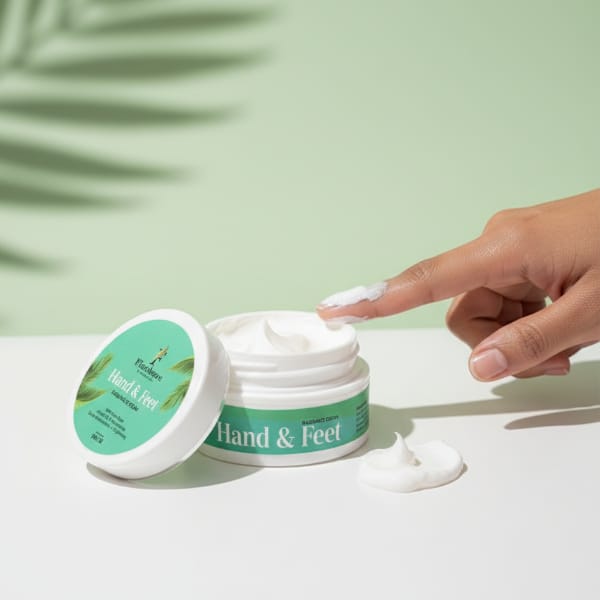
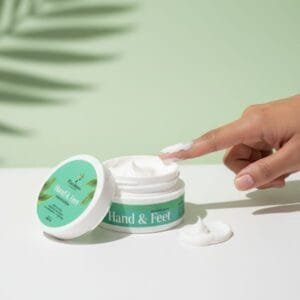
If you’re on a budget, focus on the essentials: a gentle cleanser, a moisturizer, a sunscreen, and one treatment product. You don’t need a 10-step routine. Brands like Flambeau by Mishal Zain offer affordable options that cater to local skin needs. For instance, their Hand & Feet Whitening Cream is a multitasker that can help brighten and even out skin tone, which can be a nice addition to your routine. While it’s not specifically for facial oil control, it’s a good example of a product that addresses skin concerns without stripping the skin.
Also, consider the climate you live in. In Pakistan, the humid summers call for lighter products, while the cooler winters might allow for a slightly richer moisturizer. Listen to your skin and adjust. And always patch test new products on a small area of your skin (like behind your ear or on your jawline) for 24-48 hours before applying them to your entire face.
The Bottom Line: Embrace Balance
Reducing oiliness without over-drying is achievable with the right approach. Remember that your skin’s oil production is natural and necessary. The goal is not to eliminate oil entirely but to manage it so that your skin looks and feels its best. A gentle cleansing routine, consistent hydration, and targeted treatments can help you achieve a balanced complexion.
Avoid the temptation to use harsh, stripping products in the hope of quick results. They will only create more problems in the long run. Instead, be patient and consistent. Your skin will thank you for it. If you’re looking for more skincare tips, explore the Flambeau blog for articles on various topics. You might also find the Skin Care category helpful for product recommendations.
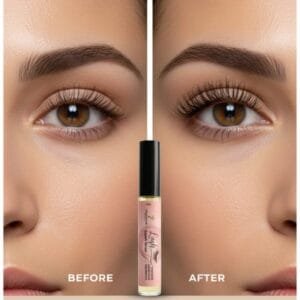
For those with oily skin, incorporating a product like the Eyelashes Growth Serum is unrelated to oil control but can be a nice addition to your beauty routine for longer-looking lashes. However, remember that any new product should be introduced carefully.
Ultimately, the key is to listen to your skin. If a product causes irritation or excessive dryness, stop using it and try something else. Your skin is unique, and what works for someone else may not work for you. With time and experimentation, you’ll find the perfect routine that keeps your skin healthy, balanced, and beautifully oily-free.
And if you’re struggling with other beauty concerns, like hair fall, you can check out our guide on Stop Hair Fall from Tight Ponytails & Buns or our post on Volume-Boosting Hair Care Routine for Fine, Limp Hair for more tips.
Frequently Asked Questions
How often should I wash my face if I have oily skin?
Wash your face twice a day – once in the morning and once at night. Over-washing can strip your skin and worsen oiliness.
Can using moisturizer make my skin oilier?
No, using a lightweight, oil-free moisturizer helps balance your skin and can reduce oil production. Skipping moisturizer can lead to over-drying and more oil.
What ingredients should I look for to control oil?
Look for salicylic acid, niacinamide, and hyaluronic acid. These help exfoliate pores, regulate sebum, and hydrate without adding oil.
Is it okay to use blotting papers throughout the day?
Yes, but limit to 2-3 times a day. Overuse can dry out your skin, causing it to produce more oil.
Written by Flambeau by Mishal Zain — sharing practical, affordable beauty and skincare tips.
Updated: August 2026