Discover the truth behind common skincare myths—from pore size to sunscreen myths—and learn practical, science-backed habits for healthier, glowing skin in...
Many popular skincare beliefs are actually myths that can harm your skin over time. The truth is, your skin doesn’t need harsh scrubs, steaming, or “tightening” toners to look its best. Instead, a gentle, consistent routine with the right ingredients—like niacinamide, hyaluronic acid, and SPF—will do more for your skin’s health and appearance. In this guide, we’ll bust five of the most common skincare myths and give you clear, practical advice to replace them with habits that actually work.
Myth #1: You Need to “Detox” Your Skin with Harsh Scrubs
One of the most persistent skincare myths is that your skin needs a deep “detox” through vigorous scrubbing or using gritty, harsh exfoliants. You might have seen influencers scrubbing their faces with sugar, salt, or even crushed apricot kernels, promising a “deep clean” that will magically remove all impurities. But the reality is that your skin has its own natural detox system—sweat, sebum, and your skin barrier work together to shed dead cells and protect you from environmental stressors. Over-scrubbing strips away these natural oils and disrupts the skin barrier, leading to irritation, redness, and even breakouts.
Instead of harsh physical scrubs, opt for chemical exfoliants like AHAs (glycolic acid, lactic acid) or BHAs (salicylic acid). These ingredients gently dissolve the bonds between dead skin cells, allowing them to slough off naturally without the need for abrasive friction. For example, a 2% salicylic acid toner or a 10% glycolic acid serum used 2-3 times a week can improve skin texture and tone without damaging your barrier. Always patch test first, and if you have sensitive skin, start with a lower concentration. Remember, your skin doesn’t need to feel “squeaky clean”—that feeling actually indicates over-stripping, which can lead to more oil production and breakouts.
In Pakistan’s hot, humid climate, the temptation to scrub away sweat and grime is strong, but resist it. Instead, double cleanse in the evening: first with an oil-based cleanser to remove sunscreen and makeup, then a gentle water-based cleanser. This method is far more effective at removing impurities than any scrub, and it respects your skin’s pH balance. If you’re looking for a refreshing, gentle way to hydrate after cleansing, a Rose Water Spray 100% Organic can be a soothing, alcohol-free toner that preps your skin for the rest of your routine.

Myth #2: Pores Can Open and Close
You’ve probably heard that hot water “opens” your pores and cold water “closes” them, which is why some people swear by a final cold splash after washing their face. But the truth is, pores are not muscles—they don’t open or close. They are tiny openings in your skin that contain hair follicles and sebaceous glands. What changes is their appearance: when pores are filled with oil, dirt, or dead skin, they look larger and more noticeable. When they’re clean and hydrated, they appear smaller, but the actual size of the pore opening remains the same.
This myth leads people to use extreme temperatures on their skin, which can actually cause damage. Hot water strips the skin’s natural oils, leading to dryness and irritation, while cold water can cause redness and may not feel comfortable. Instead of temperature tricks, focus on keeping pores clear with a consistent routine that includes gentle cleansing, a BHAs like salicylic acid, and if you want, a clay mask once a week to absorb excess oil. Niacinamide is another superstar ingredient for pore care—it helps regulate sebum production and improves the appearance of pores over time.
For those with oily or combination skin in Pakistan’s heat, you might feel like your pores are always noticeable. But rather than trying to “close” them, work on reducing their visibility by keeping your skin well-hydrated. Dehydrated skin can produce more oil to compensate, making pores look worse. Use a lightweight, non-comedogenic moisturizer and a hydrating toner like the rose water spray mentioned earlier. Over time, you’ll notice that your pores look refined, not because they’ve opened or closed, but because they’re clear and your skin is balanced.
Myth #3: Sunscreen Is Only for Sunny Days or Summer
One of the most dangerous skincare myths is that sunscreen is only necessary when you’re at the beach or during the hottest months. In Pakistan, many people skip sunscreen on cloudy days or during winter, thinking the sun isn’t strong enough to cause damage. But the reality is that UV rays penetrate clouds and can damage your skin year-round, even on overcast days. UVA rays, in particular, are responsible for premature aging and skin cancer, and they can pass through glass windows, so you’re exposed even when you’re indoors near a window.
The American Academy of Dermatology recommends using a broad-spectrum sunscreen with an SPF of 30 or higher every day, regardless of the weather. This means applying sunscreen as the last step of your morning routine, before makeup, and reapplying every two hours if you’re outdoors. In Pakistan’s sunny climate, sun damage is a major contributor to uneven skin tone, dark spots, and fine lines. Yet many people only reach for sunscreen during summer trips to Murree or the beach, leaving their skin unprotected for the rest of the year.
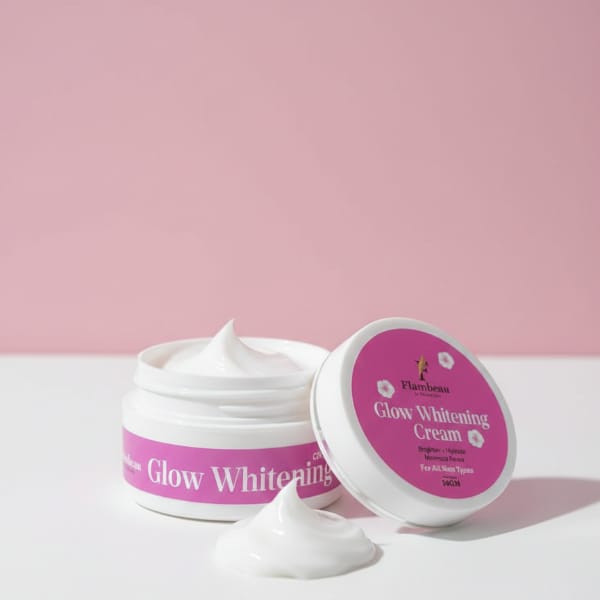
To make sunscreen a habit, choose a formula that feels good on your skin. Look for lightweight, non-greasy options labeled “broad-spectrum” to ensure protection against both UVA and UVB rays. If you have oily skin, a gel-based or matte-finish sunscreen might be more comfortable. If you’re worried about a white cast, look for tinted sunscreens or those with chemical filters. Remember, sunscreen is your best anti-aging product—no serum or cream can undo the damage UV rays cause, so prevention is key. For a simple routine, you can layer a moisturizer with SPF, but for adequate protection, a dedicated sunscreen is better. And if you’re looking for a brightening product to help fade existing sun spots, consider a gentle cream like Glow Whitening Cream, which is formulated to support a more even skin tone while providing hydration.
Myth #4: Oily Skin Doesn’t Need Moisturizer
It’s a common belief that if your skin is oily, you should skip moisturizer to avoid making it even oilier. But this is a huge mistake. When you strip away your skin’s natural oils by washing without moisturizing, your skin actually goes into overdrive and produces more oil to compensate—this is called reactive seborrhea. The result is a greasy, uncomfortable skin that’s also dehydrated underneath. Oily skin can be dehydrated too, and it needs hydration to maintain a healthy balance.
The key is to choose the right moisturizer for your skin type. If you have oily or combination skin, reach for a lightweight, oil-free, gel-based moisturizer that contains ingredients like hyaluronic acid or glycerin. These humectants pull water into the skin without adding heavy oils, providing hydration without clogging pores. Avoid thick creams with heavy oils like coconut oil or shea butter, which can feel too rich and potentially lead to breakouts. Instead, look for labels like “non-comedogenic” and “water-based.”
In Pakistan’s climate, where humidity can make skin feel sticky, it’s tempting to skip moisturizer altogether. But even in summer, your skin loses water through sweat and air conditioning. A simple water-based moisturizer can help maintain your skin’s barrier, reduce excess oil production, and keep your skin feeling comfortable. If you’re acne-prone, you might worry that moisturizer will cause breakouts, but many modern moisturizers are formulated to be safe for acne-prone skin. For a budget-friendly option, you can even use a hydrating toner like rose water spray as a lightweight layer, but you’ll still need a moisturizer to lock in hydration. The bottom line: every skin type needs moisture, and skipping it is a myth that can worsen oiliness and cause long-term damage.
Myth #5: “Natural” or DIY Ingredients Are Always Safe and Effective
There’s a widespread belief that anything “natural” is automatically good for your skin, and that DIY recipes made from kitchen ingredients are harmless and effective. While some natural ingredients like aloe vera or honey can be soothing, many DIY treatments can actually harm your skin. For example, lemon juice is highly acidic and can cause chemical burns and hyperpigmentation, especially when you go out in the sun after applying it. Baking soda, often used in scrub recipes, has a high pH that disrupts your skin’s acid mantle, leading to irritation and dryness. Even natural ingredients like essential oils can cause allergic reactions or sensitize your skin over time.
The truth is that your skin doesn’t know whether an ingredient is “natural” or “synthetic”—it responds to the molecule’s structure and concentration. A well-formulated skincare product, whether it uses natural or lab-made ingredients, is designed to be safe and effective, with proper pH and preservatives to prevent bacterial growth. DIY products lack these safeguards and can be contaminated, unstable, or too concentrated, leading to irritation or infection. For example, while lemon juice might seem like a brightening treatment, a formulated vitamin C serum is stabilized to be effective and safe, with a pH that allows the vitamin C to penetrate without causing damage.
Instead of DIY experiments, choose products from trusted brands that have been tested for safety and efficacy. In Pakistan, there are many excellent skincare brands, including our own Flambeau by Mishal Zain skin care line, which uses quality ingredients in safe concentrations. If you’re tempted by a DIY recipe, always do a patch test first and avoid ingredients known to be irritating, like lemon, baking soda, or undiluted tea tree oil. Remember, “natural” doesn’t automatically mean safe, and a little knowledge can save you from a painful reaction. For reliable information, check resources like the American Academy of Dermatology, which offers evidence-based guidance on skincare.
Building a Myth-Free Routine for Your Skin Type
Now that we’ve busted these common myths, let’s talk about how to build a skincare routine that works for your specific skin type. The basics are always the same: cleanse, moisturize, and protect. But the details depend on whether your skin is dry, oily, combination, sensitive, or acne-prone. For dry skin, focus on creamy cleansers, rich moisturizers containing ceramides and hyaluronic acid, and avoid over-exfoliating. For oily skin, use a gentle foaming cleanser, a lightweight gel moisturizer, and don’t skip sunscreen—choose a mattifying one if needed.
For combination skin, you might need to use different products on different areas of your face. For example, a gel moisturizer on your T-zone and a slightly richer one on your cheeks. Sensitive skin requires extra care: choose fragrance-free products, patch test everything, and introduce new products one at a time. Acne-prone skin benefits from non-comedogenic products, salicylic acid or benzoyl peroxide treatments, and consistent use of a moisturizer to support the skin barrier. No matter your type, always include sunscreen in your morning routine—it’s non-negotiable.
To keep things simple, start with a basic routine: a gentle cleanser, a moisturizer suited to your skin, and a broad-spectrum SPF 30+ in the morning. In the evening, cleanse again and apply any treatment serums (like niacinamide or retinol) before your moisturizer. This minimal routine is enough to see improvements in your skin’s overall health. As you learn more, you can add products like exfoliants or masks, but always introduce them gradually to avoid irritation. If you’re on a budget, you don’t need to spend a lot—there are effective products at every price point. For more guidance, check out our post on building a complete skincare routine without overspending.
Common Mistakes to Avoid on Your Journey
Even with the right knowledge, it’s easy to fall into common skincare mistakes that can sabotage your progress. One of the biggest is using too many products at once, which can overwhelm your skin and lead to irritation. If you’re trying to fix a skin concern, introduce one active ingredient at a time and give it at least two weeks before adding another. Another mistake is skipping patch tests—always test a new product on a small area of your jawline or behind your ear for 24-48 hours before applying it to your whole face. This simple step can prevent painful reactions and breakouts.
Another common error is over-exfoliating. Many people think that if a little exfoliation is good, more is better, but over-exfoliating can damage your skin barrier, causing redness, flaking, and increased sensitivity. Limit exfoliating to 2-3 times a week, and if you’re using both chemical and physical exfoliants, don’t use them on the same day. Also, be careful with active ingredients like retinol and acids—they can be drying, so always moisturize well and use sunscreen, as they increase sun sensitivity. Finally, don’t forget your neck and chest—these areas show aging just as much as your face, so extend your routine down to your décolletage.
One mistake that’s particularly common in Pakistan is using harsh whitening products that can be damaging. Many people seek out creams that promise dramatic lightening, but these often contain hydroquinone or mercury, which can cause serious skin damage. Instead, focus on brightening your skin’s natural glow through safe exfoliation, vitamin C, and sunscreen. If you want a product to help even out your skin tone, look for one with niacinamide or licorice extract, which are safe and effective. Remember, healthy skin is your goal, not a lighter shade—embrace your natural complexion and focus on radiance.
What to Look for When Choosing Skincare Products
When you’re shopping for skincare, the marketing claims on the front of the bottle can be misleading. Instead of relying on words like “miracle” or “instant,” turn the bottle around and read the ingredient list. Look for key active ingredients that address your concerns, and be wary of fragrance or alcohol high up on the list if you have sensitive skin. For example, if you want to boost hydration, look for hyaluronic acid, glycerin, or ceramides. For brightening, vitamin C, niacinamide, or alpha arbutin are good choices. For acne, salicylic acid or benzoyl peroxide are proven.
Also, consider the formulation’s pH. Your skin’s natural pH is slightly acidic, around 4.5-5.5. Products that are too alkaline can disrupt your skin barrier, leading to dryness and irritation. Most well-formulated cleansers and toners are pH-balanced, but it’s worth checking. Another important factor is the concentration of active ingredients. A product with 0.1% retinol is very different from one with 1%, and higher isn’t always better—it can cause irritation if your skin isn’t used to it. Start with a lower concentration and gradually increase.
In Pakistan, the climate also matters. In hot, humid weather, lightweight gel-based products are more comfortable than heavy creams. In winter, you might need a richer moisturizer. Also, consider the packaging—opaque or airtight containers help preserve ingredients that are sensitive to light and air, like vitamin C. And don’t forget to check the expiry date. Expired products can harbor bacteria and lose their effectiveness. When in doubt, choose products from reputable brands that provide clear ingredient information. You can explore our blog for more tips on choosing products that suit your skin.
Adapting Your Routine for Different Skin Types
If you have dry skin, your priority is hydration and barrier support. Use a gentle, cream-based cleanser, apply a hyaluronic acid serum on damp skin, then seal it in with a rich moisturizer containing ceramides or shea butter. In the morning, follow with a sunscreen that has a moisturizing base. At night, you can add a facial oil like jojoba or rosehip oil to lock in moisture. For oily skin, choose a foaming cleanser, a light gel moisturizer, and a sunscreen that’s oil-free. You might also benefit from a niacinamide serum to control sebum production. In the evening, a BHA exfoliant can help keep pores clear.
Combination skin needs balance: use a gentle cleanser, a light moisturizer on your T-zone, and a slightly richer one on your cheeks. You can also use a clay mask on your T-zone once a week to absorb excess oil. For sensitive skin, simplicity is key. Use a fragrance-free cleanser, a soothing moisturizer with ingredients like aloe or oat extract, and a physical sunscreen with zinc oxide or titanium dioxide, which are less likely to irritate. Avoid alcohol, essential oils, and strong acids. Acne-prone skin should focus on non-comedogenic products and spot treatments with salicylic acid or benzoyl peroxide. Always moisturize, even if your skin is oily—it helps maintain a healthy barrier.
Final Thoughts: Unlearn, Relearn, and Let Your Skin Thrive
Skincare is a journey, not a destination. By unlearning these five myths, you’re already on the right path to healthier-looking skin. Remember, the best routine is one you can stick with consistently—it doesn’t have to be complicated or expensive. Focus on the basics: cleanse, moisturize, and protect. Listen to your skin, and don’t be afraid to adjust your routine as the seasons change or as your skin’s needs evolve. If you’re ever unsure, consult a dermatologist, especially for persistent concerns like severe acne or pigmentation.
We hope this guide has been helpful. For more skincare insights, explore our budget-friendly routine guide or learn about managing seasonal hair changes. And if you’re looking for gentle, effective products, consider trying items from our skin care line, like the Rose Water Spray for hydration or the Glow Whitening Cream for a brighter, more even complexion. Your skin deserves care that’s based on facts, not myths—so go ahead and give it the love it truly needs.
Frequently Asked Questions
Can I use DIY ingredients like lemon juice on my skin?
It's best to avoid lemon juice on your skin because it's highly acidic and can cause irritation, burns, and hyperpigmentation, especially with sun exposure. Instead, use a formulated vitamin C serum for brightening.
Do I really need sunscreen in winter or on cloudy days?
Yes, UV rays can penetrate clouds and windows, so you need broad-spectrum SPF daily, even in winter. Sun exposure is a major cause of premature aging and skin cancer.
How can I reduce the appearance of large pores?
You can't shrink pores, but you can make them less visible by keeping them clear with salicylic acid, using niacinamide to control oil, and staying hydrated. Avoid harsh scrubs and extreme temperatures.
Is it okay to skip moisturizer if I have oily skin?
No, skipping moisturizer can make your skin produce more oil to compensate. Choose a lightweight, oil-free, gel-based moisturizer to hydrate without clogging pores.
Written by Flambeau by Mishal Zain — sharing practical, affordable beauty and skincare tips.
Updated: August 2026