
Herbal Remedies for Strengthening Weak, Thinning Hair

Herbal remedies can help strengthen weak, thinning hair by nourishing the scalp, improving circulation, and providing essential nutrients. Ingredients like amla, bhringraj, and rosemary oil are known for their hair-strengthening properties. Regular use of these herbs, combined with a healthy diet and gentle hair care, can improve hair thickness and reduce breakage. Consistency is key—expect gradual improvements over several weeks. Understanding Hair Thinning and How Herbs Help Hair thinning can result from genetics, hormonal changes, stress, nutritional deficiencies, or damage from styling. Each hair strand undergoes a growth cycle: anagen (growth), catagen (transition), and telogen (resting). When this cycle is disrupted, more hairs enter the resting phase, leading to noticeable thinning. Herbal remedies often target the scalp environment, encouraging…

Continue ReadingHerbal Remedies for Strengthening Weak, Thinning Hair

Goat Milk Soap vs Regular Soap: What Truly Helps Your Skin

Goat milk soap is more than a gentle cleanser—it’s a skin-loving alternative to regular soap. Unlike conventional bars that can strip moisture and disrupt your skin’s protective barrier, goat milk soap offers a creamy, nourishing cleanse that supports hydration and a more even tone. For most people, switching to goat milk soap helps their skin feel softer, calmer, and less irritated. What’s Really Different Inside the Bar To understand why goat milk soap behaves so differently on your skin, you need to look at its composition. Regular soaps, especially mass-market bars, are typically made from a blend of harsh surfactants, synthetic detergents, and sometimes fragrances that can leave your skin feeling tight and “squeaky clean.” That tightness is actually…

Continue ReadingGoat Milk Soap vs Regular Soap: What Truly Helps Your Skin

Best Soap for Men with Rough, Oily Skin: A Pakistani Guide

The best soap for men with rough, oily skin combines deep cleansing with gentle exfoliation and oil control, using ingredients like neem, salicylic acid, or charcoal, without stripping the skin’s natural moisture. In Pakistan’s humid climate, a soap that lathers well, rinses clean, and leaves skin feeling fresh—not tight—is essential. Look for options like neem-based soaps, which target acne and excess oil while soothing rough texture, and always follow with a light moisturizer to maintain balance. Understanding Rough, Oily Skin in Men Men’s skin is naturally thicker and produces more sebum than women’s, thanks to higher testosterone levels. This means oily skin is common, especially in hot, humid climates like Pakistan’s. But when oil combines with dead skin cells,…

Continue ReadingBest Soap for Men with Rough, Oily Skin: A Pakistani Guide

Build a Calming Nighttime Wind-Down Routine for Better Sleep and Skin

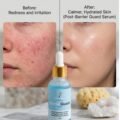
To build a relaxing nighttime wind-down routine, start by setting a consistent bedtime and creating a calming environment that signals your body it's time to rest. Incorporate gentle skincare, light stretching, and screen-free activities to transition from the day's stress. Focus on hydration and barrier repair with products like a soothing serum. This routine not only improves sleep but also supports healthier-looking skin overnight. Why a Nighttime Wind-Down Routine Matters for Your Skin and Mind Your body operates on a natural circadian rhythm, and aligning your evening habits with this internal clock can profoundly affect both your sleep quality and your skin's overnight repair processes. During deep sleep, your skin's blood flow increases, and cell turnover accelerates, helping to…

Continue ReadingBuild a Calming Nighttime Wind-Down Routine for Better Sleep and Skin

Herbal Steam for Scalp & Hair: Benefits, Steps & Tips

Herbal steam treatments involve exposing the scalp and hair to steam infused with beneficial herbs, which helps open pores, improve blood circulation, and deliver nutrients directly to hair follicles. This traditional practice can soothe an itchy scalp, reduce excess oil, and promote healthier-looking hair. Regular steaming, combined with nourishing oils, supports a balanced scalp environment and can enhance the effectiveness of your hair care routine. Why Herbal Steam Works: The Science Behind Scalp and Hair Benefits Steam has been used for centuries in various cultures as a way to cleanse and rejuvenate the skin and hair. When applied to the scalp, the gentle heat from steam helps to dilate blood vessels, increasing blood flow to the hair follicles. This…

Continue ReadingHerbal Steam for Scalp & Hair: Benefits, Steps & Tips

Gel vs Cream Moisturizer for Oily Skin: Which One Actually Works?

For oily skin, a gel-based moisturizer is almost always the better choice because it hydrates without adding heavy oils or greasiness. Gels are lightweight, water-based, and absorb quickly, helping to balance oil production while keeping skin comfortable. Creams, on the other hand, are richer and can clog pores or feel too heavy for oily skin, though some oil-free creams can work if chosen carefully. The key is to pick a product that matches your skin's needs and the local climate.What Oily Skin Really Needs from a MoisturizerOily skin produces excess sebum, which can leave a shiny appearance and make pores look larger. Many people with oily skin skip moisturizer entirely, thinking it will make things worse. That's a mistake.…

Continue ReadingGel vs Cream Moisturizer for Oily Skin: Which One Actually Works?

How to Treat Closed Comedones (Tiny Bumps) at Home

Closed comedones, also known as whiteheads, are small, flesh-colored bumps that form when pores become clogged with oil and dead skin cells. To treat them at home, focus on gentle exfoliation with salicylic acid or lactic acid, keep your skin hydrated with non-comedogenic moisturizers, and never pick or squeeze the bumps. Consistency and patience are essential, as it can take several weeks to see improvement.What Are Closed Comedones and Why Do They Form?Closed comedones are a type of non-inflammatory acne. Unlike blackheads, which are open at the surface, closed comedones have a tiny opening that is blocked, leaving the contents trapped beneath the skin. They often appear as small, skin-colored or slightly white bumps, commonly on the forehead, chin,…

Continue ReadingHow to Treat Closed Comedones (Tiny Bumps) at Home

Herbal Remedies for Under-Eye Puffiness from Poor Sleep

Waking up with puffy eyes after a poor night's sleep is a common frustration. Fortunately, simple herbal remedies like chilled green tea bags, cucumber slices, and aloe vera gel can help tighten skin and reduce fluid retention. These natural ingredients contain anti-inflammatory compounds that soothe the delicate under-eye area. Combined with adequate hydration, gentle massage, and a cool compress, you can visibly de-puff and brighten your eyes in minutes.Understanding Puffiness: Why Poor Sleep Causes Swollen EyesWhen you don't get enough restorative sleep, your body's circulation slows down, and fluid can pool around your eyes. This happens because the skin under your eyes is extremely thin and delicate, making it prone to swelling. Additionally, lack of sleep can increase cortisol…

Continue ReadingHerbal Remedies for Under-Eye Puffiness from Poor Sleep

Best Serums to Fight Pollution-Induced Dullness

To fight skin dullness caused by pollution, the best serums are those loaded with antioxidants like vitamin C, niacinamide, and ferulic acid, which neutralize free radicals and brighten the skin. A daily antioxidant serum, applied in the morning under sunscreen, is your most effective tool for preventing and reversing the tired, uneven look that city living brings. Look for a formula with a stable vitamin C concentration (around 10-20%) and hydrating ingredients like hyaluronic acid for a dual-action boost. Understanding Pollution's Toll on Your Skin Pollution isn't just a nuisance for your lungs—it's a constant assault on your skin's surface. Microscopic particles like PM2.5, along with heavy metals and polycyclic aromatic hydrocarbons, settle on your skin throughout the day.…

Continue ReadingBest Serums to Fight Pollution-Induced Dullness

Stop Hair Fall from Tight Ponytails & Buns: A Complete Guide

Tight ponytails and buns can cause a type of hair loss called traction alopecia, which occurs when constant pulling puts stress on your hair follicles. Over time, this can lead to thinning around your hairline, temples, and crown. The good news is that you can prevent this by changing how you style your hair, using the right products, and giving your scalp regular breaks. Here’s your complete guide to keeping your hair healthy and full while still enjoying sleek updos. What Is Traction Alopecia and How Do Tight Styles Cause It? Traction alopecia is a form of hair loss that results from prolonged or repeated tension on the hair root. When you pull your hair back into a tight…

Continue ReadingStop Hair Fall from Tight Ponytails & Buns: A Complete Guide