Learn how to use body oil correctly for soft, hydrated skin. Get step-by-step tips, common mistakes to avoid, and product picks for glowing skin.
To use body oil correctly, apply it to damp skin right after a shower, massaging in upward circular motions. This locks in moisture and prevents dryness. For best results, choose a non-comedogenic oil suited to your skin type and use it daily, especially on rough areas like elbows and knees.
Why Your Skin Needs Body Oil (And How It Actually Works)
Your skin has a natural barrier made of lipids—ceramides, fatty acids, and cholesterol—that keeps moisture in and irritants out. When this barrier is compromised by harsh soaps, hot water, or dry weather, it loses water rapidly, leading to tightness, flaking, and dullness. Body oils work by mimicking these natural lipids, creating a seal that slows water loss and gives your skin a chance to repair itself. Unlike lotions, which are water-based and evaporate quickly, oils are occlusive and emollient: they sit on the surface, soften rough texture, and lock in hydration for hours.
But not all oils are created equal. Jojoba oil, for example, closely resembles human sebum, making it ideal for acne-prone skin. Sweet almond oil is rich in vitamin E and absorbs quickly, while coconut oil is heavier and better for very dry patches. The key is to match the oil’s molecular weight and fatty acid profile to your skin’s needs. If you have oily or combination skin, lightweight oils like grapeseed or rosehip won’t clog pores. For dry, flaky skin, thicker oils like avocado or shea olein provide deeper nourishment. Understanding this chemistry helps you avoid the greasy, sticky feeling that gives body oils a bad reputation.
Another crucial factor is timing. Applying oil to dry skin does little because there’s no water to trap—it just sits on top. But when you apply it to damp skin, the oil emulsifies slightly and spreads evenly, sealing in that moisture. This is why dermatologists often recommend the “soak and seal” method: pat dry after a shower, leaving a bit of water on your skin, then immediately massage in oil. The result is skin that feels soft, bouncy, and hydrated within minutes. In Pakistan’s hot, dry climate, this step can be a game-changer for maintaining comfortable skin year-round.
Choosing the Right Body Oil for Your Skin Type
Selecting the right oil is half the battle. Start by identifying your skin type: dry, oily, combination, sensitive, or acne-prone. For dry skin, look for oils high in oleic acid, such as olive, avocado, or rice bran. These are thicker and create a stronger barrier. For oily or acne-prone skin, choose high-linoleic oils like safflower, grapeseed, or hemp seed—they’re lighter and less likely to clog pores. Sensitive skin benefits from soothing oils like chamomile-infused sunflower or calendula, which reduce redness and irritation. Combination skin can often handle a blend, or you can use different oils on different zones: a lighter one on your back and a richer one on your legs.
Beyond the base oil, consider added ingredients. Many commercial body oils include essential oils, fragrances, or synthetic additives that can irritate sensitive skin. If you’re prone to reactions, opt for unscented or naturally scented oils. Also, check for antioxidants like vitamin E or rosemary extract, which help the oil last longer and provide extra skin benefits. Cold-pressed, unrefined oils retain more nutrients than refined ones, though they may have a stronger natural scent. For a budget-friendly option, you can even blend your own using a carrier oil and a few drops of essential oil—just always patch test first to avoid allergic reactions.
When shopping, don’t be swayed by marketing claims like “whitening” or “instant glow.” Instead, read the ingredient list. If the first ingredient is a lightweight oil like caprylic/capric triglyceride, it’ll absorb fast. If it’s mineral oil, it’s occlusive but may feel heavier. If you’re looking for a curated selection, explore our Oils & Serums category for options that suit Pakistani skin and climate. And remember: the best oil is one you’ll actually use consistently, so texture and scent matter as much as the ingredient list.
Step-by-Step: How to Apply Body Oil for Maximum Hydration
Follow these steps to get the most out of your body oil. First, start with a warm (not hot) shower. Hot water strips away natural oils, so keep it lukewarm and limit your time to 10 minutes. Use a gentle, sulfate-free cleanser to avoid over-drying. When you step out, pat your skin dry with a towel—leave it slightly damp, like a wrung-out sponge. This is the ideal canvas for oil.
Next, warm a few pumps of oil in your palms. Rubbing it between your hands helps it spread more easily and ensures even coverage. Start at your feet and work upward, using long, sweeping strokes toward your heart. This direction supports lymphatic drainage and circulation. Spend extra time on rough areas: elbows, knees, heels, and any dry patches. Use circular motions on your joints to stimulate blood flow. For your back, use a back strap or ask for help—don’t skip it, as it’s a common spot for dryness.
After applying, give the oil a minute to absorb before dressing. If you’re in a hurry, blot excess with a tissue. For an extra boost, layer a body lotion or cream over the oil—this “oil then cream” approach is especially effective for very dry skin, as the cream adds water and the oil seals it in. In the morning, you can use a lighter oil or skip it if you’re layering sunscreen. At night, a richer oil can work while you sleep. Consistency is key: apply oil daily, ideally within three minutes of showering, to maintain soft, hydrated skin.
Common Mistakes to Avoid When Using Body Oil
Even with good intentions, it’s easy to fall into habits that undermine your body oil’s benefits. One major mistake is applying oil to completely dry skin. Without moisture to trap, the oil just sits on the surface, feeling greasy and doing little for hydration. Always dampen your skin first—a quick spritz of water or a few seconds under the shower works. Another error is using too much oil. Start with a small amount—about a teaspoon per limb—and add more if needed. Over-application leads to stained clothes and a slick feeling that might make you want to quit altogether.
Another common pitfall is ignoring your skin’s changing needs. In summer, you might need a lighter oil; in winter, a heavier one. If you’re acne-prone, avoid oils high in oleic acid (like coconut) on your back and chest, as they can trigger breakouts. Also, don’t use body oil on broken or irritated skin—it can sting and delay healing. If you have a skin condition like eczema or psoriasis, consult a dermatologist before experimenting. And never mix oil with your sunscreen; apply sunscreen first, let it dry, then apply oil if desired, or choose a sunscreen with moisturizing ingredients.
Finally, don’t neglect exfoliation. Oils soften skin, but they don’t remove dead cells. Once or twice a week, use a gentle scrub or dry brush before your shower to slough off flakes. This allows the oil to penetrate better and prevents buildup. Also, store your oil properly: keep it away from direct sunlight and heat, as these can degrade antioxidants and turn the oil rancid. If it smells off, toss it. And remember, patch test new oils on a small area for 24 hours to check for reactions, especially if you have sensitive skin.
Tailoring Body Oil to Different Skin Types and Concerns
Your skin type isn’t just about dry vs. oily—it’s a spectrum, and your body oil routine should adapt. For very dry skin, look for oils with added ceramides or shea butter. These ingredients not only seal in moisture but also help repair the barrier. Apply a thick layer at night and wear cotton socks and gloves to lock it in. If you have oily or acne-prone skin on your body (like bacne), choose non-comedogenic oils such as grapeseed or squalane. These won’t clog pores and can even help balance oil production. Apply sparingly and avoid heavy oils on your back and chest.
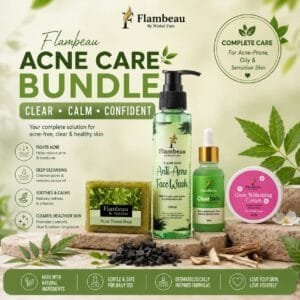
Sensitive skin requires a minimalist approach. Opt for single-ingredient oils like sweet almond or jojoba, which are less likely to cause irritation. Avoid essential oils and synthetic fragrances. Mature skin benefits from oils rich in antioxidants, like rosehip or pomegranate seed oil, which can help improve elasticity and reduce the appearance of fine lines. For eczema-prone skin, oils like sunflower seed or oat oil can soothe itching and redness, but always check with your doctor first. If you’re dealing with body acne, our Acne Care Bundle – All in One might complement your routine, but introduce one product at a time.
Climate also plays a role. In Pakistan’s humid coastal areas, you might prefer a lightweight, fast-absorbing oil. In dry, cold regions like the north, a richer oil provides a protective layer against moisture loss. Adjust your oil choice seasonally, and don’t be afraid to switch. If you’re unsure where to start, our Beauty Care Deal offers a variety of products to experiment with. And for more tips on maintaining healthy skin, check out our blog.

Frequently Asked Questions About Body Oil
You’ve got questions—we’ve got answers. Here are some common queries about using body oil correctly.
Can I use body oil on my face?
It depends on the oil and your skin type. Facial skin is more delicate and prone to clogged pores, so use oils labeled non-comedogenic and suited for your face. Oils like jojoba, rosehip, and squalane are generally safe for most skin types. If you have oily or acne-prone facial skin, avoid heavy oils like coconut. Always patch test first. For a dedicated facial routine, see our post on reducing facial oil without drying.
How often should I apply body oil?
For best results, apply body oil daily, ideally right after a shower when your skin is still damp. If your skin is very dry, you can apply it twice a day—morning and night. If you have oily skin, once a day or every other day may be enough. Listen to your skin: if it feels greasy, cut back; if it feels tight, increase frequency.
Can body oil help with stretch marks or scars?
While no oil can erase stretch marks or scars, consistent use of oils rich in vitamin E, like wheat germ or rosehip, can improve skin elasticity and may help fade their appearance over time. Massaging the area increases blood flow, which supports healing. For best results, combine with other treatments and be patient—improvements take months.
Is it okay to use body oil if I have keratosis pilaris?
Yes, but choose oils that are high in linoleic acid, such as safflower or grapeseed, as they can help soften the keratin plugs. Avoid heavy, occlusive oils that might trap debris. Exfoliating gently before applying oil can also help. If your condition is severe, consult a dermatologist. For more on caring for your skin, see our guide on trimming and filing nails—healthy habits extend beyond skin!
By following these guidelines, you can turn body oil from a greasy afterthought into a powerful hydration tool. Remember, the key is consistency, proper application, and choosing the right oil for your skin. With a little practice, you’ll enjoy soft, supple skin that feels as good as it looks.
Frequently Asked Questions
Can I use body oil on my face?
It depends on the oil and your skin type. Facial skin is more delicate and prone to clogged pores, so use oils labeled non-comedogenic and suited for your face. Oils like jojoba, rosehip, and squalane are generally safe for most skin types. Always patch test first.
How often should I apply body oil?
For best results, apply body oil daily, ideally right after a shower when your skin is still damp. If your skin is very dry, you can apply it twice a day. If you have oily skin, once a day or every other day may be enough.
Can body oil help with stretch marks or scars?
While no oil can erase stretch marks or scars, consistent use of oils rich in vitamin E, like wheat germ or rosehip, can improve skin elasticity and may help fade their appearance over time. Massaging the area increases blood flow, which supports healing.
Is it okay to use body oil if I have keratosis pilaris?
Yes, but choose oils that are high in linoleic acid, such as safflower or grapeseed, as they can help soften the keratin plugs. Avoid heavy, occlusive oils that might trap debris. Exfoliating gently before applying oil can also help.
Written by Flambeau by Mishal Zain — sharing practical, affordable beauty and skincare tips.
Updated: September 2026