
Learn how to choose a fragrance-free face wash for sensitive skin. Discover key ingredients, what to avoid, and step-by-step tips for calmer, healthier skin.
Choosing a fragrance-free face wash is essential for sensitive skin because synthetic fragrances are among the most common triggers for irritation, redness, and allergic reactions. Look for cleansers labeled “fragrance-free” (not just “unscented”), with simple ingredient lists, gentle surfactants, and soothing botanicals. Always patch test a new product on your inner arm for 24 hours before use, and avoid harsh scrubs, sulfates, and alcohol. Below is a detailed guide to help you navigate the process with confidence.
Understanding Sensitive Skin and Why Fragrance Matters
Sensitive skin isn’t a medical diagnosis but a skin type that reacts more easily to environmental factors, cosmetics, and even temperature changes. Symptoms can include stinging, burning, tightness, dryness, redness, and sometimes flare-ups of conditions like eczema or rosacea. The skin barrier in sensitive individuals is often compromised, meaning it loses moisture more quickly and allows irritants to penetrate deeper. This is why choosing the right cleanser—your first step in any routine—is crucial.
Fragrance is a leading culprit in skincare irritation. The term “fragrance” can hide hundreds of chemical compounds, many of which are known allergens. Even “natural” essential oils, like lavender or citrus, can cause reactions in some people. When you wash your face, you expose your skin to these ingredients for a short but intense period, and if your barrier is already weak, the effects can be immediate or cumulative. Fragrance-free means no added fragrance ingredients whatsoever, not even natural ones, making it the safest option for sensitive skin.
Many people mistakenly equate “unscented” with “fragrance-free,” but they are not the same. Unscented products may contain a masking fragrance to hide the chemical smell of other ingredients. Always check the ingredient list for terms like “parfum,” “aroma,” or “essential oil.” If a product claims to be fragrance-free, it should have no trace of these. For those with reactive skin, this difference is not just a technicality—it can be the difference between a calming cleanse and a painful rash.
Beyond fragrance, sensitive skin also reacts to harsh surfactants (like sodium lauryl sulfate, SLS), high pH levels, and abrasive particles. A good face wash should be pH-balanced around 5.5, close to your skin’s natural pH, to support a healthy barrier. It should also contain gentle cleansing agents, often derived from coconut or amino acids, that remove dirt and oil without stripping natural lipids. Understanding these basics will empower you to read labels like a pro.
In Pakistan, where humidity and pollution can vary dramatically between cities like Karachi and Lahore, sensitive skin can be further stressed. Airborne dust and high temperatures may cause excess oiliness or dehydration, making the choice of cleanser even more important. Always patch test first—apply a small amount behind your ear or on your inner forearm for 24 hours to ensure no adverse reaction. This simple step is your best defense against a full-face surprise.
Key Ingredients to Look For and Avoid
When selecting a fragrance-free face wash, focus on what’s inside the bottle. Look for soothing ingredients like aloe vera, chamomile, green tea, and oat extract, which help calm redness and inflammation. Similarly, humectants like glycerin, hyaluronic acid, and panthenol (provitamin B5) attract moisture to the skin, leaving it soft and supple. These ingredients are especially beneficial if your skin feels tight after cleansing.
Gentle surfactants are the backbone of a sensitive-friendly cleanser. Instead of SLS or SLES, look for cocamidopropyl betaine, decyl glucoside, or sodium cocoyl isethionate—these are milder and less likely to disrupt the barrier. Many cream or lotion cleansers are formulated with these and are excellent for dry or easily irritated skin. For oily but sensitive skin, a gel formula with these same gentle surfactants can clean without over-drying.
Avoid at all costs: alcohol (like denatured alcohol, SD alcohol), which can strip the skin; menthol or peppermint, which can tingle but also irritate; and exfoliating beads or seeds that cause micro-tears. Also be wary of “natural” ingredients that are actually irritants, like lemon oil or eucalyptus. Just because something is derived from nature doesn’t mean it’s gentle—poison ivy is natural too! Always avoid sulfates and alcohol in your cleanser if you have sensitive skin.
Preservatives are necessary to prevent bacterial growth, but some, like methylisothiazolinone (MI), are common allergens. If you have had reactions to skincare before, look for products preserved with phenoxyethanol or potassium sorbate, which are considered less sensitizing. However, even these can be problematic for a small percentage of people, so patch testing remains essential.
Some brands incorporate niacinamide (vitamin B3) in their cleansers to support the barrier and reduce redness. While niacinamide is generally well-tolerated, it can cause flushing in some individuals at high concentrations. Start with a low percentage and observe your skin’s response. Similarly, ceramides are fantastic lipids that help repair the barrier—look for them in your cleanser or follow with a ceramide moisturizer.
For those in Pakistan, humidity can make skin feel sticky, but that’s not an excuse to strip it bare. The facewash collection at Flambeau includes gentle, fragrance-free options suitable for local weather. Remember, the best ingredient list is a short one—fewer ingredients mean fewer potential irritants. If you can pronounce most ingredients, that’s a good sign.
Step-by-Step Guide to Choosing Your Face Wash
Start by determining your skin type. Sensitive skin can be dry, oily, combination, or even normal. Your cleanser should match your skin’s needs without aggravating sensitivity. For example, if you have dry and sensitive skin, you may prefer a creamy, non-foaming cleanser that doesn’t leave a tight feeling. If you have oily and sensitive skin, a gentle gel cleanser can control excess oil without triggering breakouts or redness. Combination skin might benefit from a balanced formula that cleanses thoroughly but doesn’t over-strip the cheeks.
Next, learn to read the ingredient list. Ingredients are listed in descending order of concentration, so the first few are the most important. Water is usually first, followed by surfactants and humectants. Look for the absence of fragrance (as indicated by “fragrance-free”) and the presence of gentle surfactants. Avoid any product that lists alcohol or essential oils in the top five. A quick scan can save you a world of trouble.
Third, consider your environment and lifestyle. If you live in a polluted city like Lahore, you need a cleanser that effectively removes dirt and pollution without being harsh. A double cleanse method—using an oil-based cleanser first, then a gentle water-based one—can be very effective but may be too drying for some. Alternatively, choose a single cleanser that works well for both. In humid Karachi, a lighter gel formula may be more comfortable.
Fourth, test the product. Always patch test first—apply a small amount to your inner forearm or behind your ear for 24 hours. If no redness or itching occurs, you can try it on your face. Start by using it once a day in the evening, then gradually increase to twice daily if your skin tolerates it. This cautious approach helps you identify any delayed reactions.
Fifth, evaluate the results after two to three weeks. Does your skin feel clean, not tight? Is any redness decreasing? Are breakouts or dry patches improving? If not, it might be time to try a different formula. Keep a skincare journal to track your reactions—this can be invaluable in identifying what your skin loves and hates.
Finally, consult a dermatologist if your sensitivity is severe or persistent. They can perform patch testing to identify specific allergens and recommend medical-grade products. Remember, even the best face wash can’t fix an underlying skin condition like eczema or rosacea, so professional guidance is wise.
Common Mistakes to Avoid With Sensitive Skin
One of the biggest mistakes is using water that is too hot. Hot water strips the skin of its natural oils, exacerbating dryness and irritation. Always use lukewarm water to rinse your face—it’s gentle and effective. Similarly, washing your face too often, more than twice a day, can disrupt your barrier. Stick to morning and night, and immediately follow with a moisturizer to lock in hydration.
Another common error is over-exfoliating. Even if your face wash claims to be gentle, using it in combination with physical scrubs or strong chemical exfoliants like glycolic acid can be disastrous. Sensitive skin should avoid exfoliating more than once a week, and only with products specifically formulated for reactive skin. Do not scrub or rub your face harshly—pat it dry with a soft towel.
Many people also overlook the pH of their cleanser. Soap-based bars often have a pH of 9 or higher, which disrupts the acid mantle. Always opt for a pH-balanced cleanser (around 5.5). If you’re not sure, check the product’s label or website. You can also buy pH strips and test a small amount of the cleanser mixed with water—this is a simple way to know for sure.
Ignoring the rest of your routine is another pitfall. A fragrance-free face wash is a great start, but if you follow with a toner that contains alcohol or a moisturizer with essential oils, you’re still exposing your skin to irritants. Review your entire skincare routine to eliminate any other potential triggers. This includes makeup removers, sunscreens, and even your water quality if you have hard water.
Finally, don’t be seduced by “natural” or “organic” labels. Many natural ingredients, such as citrus oils or cinnamon, are potent sensitizers. In Pakistan, herbal products are popular, but not all are safe for sensitive skin. Always check the ingredient list, regardless of marketing claims. Remember that the simplest, most boring-looking cleanser is often the best for reactive skin.
Tailoring Your Choice to Your Skin Type
For dry and sensitive skin, choose a milky or cream cleanser that contains ceramides, hyaluronic acid, or oatmeal. These ingredients cleanse gently while nourishing the skin. Avoid foaming cleansers, which can be too stripping. Apply with your fingertips and rinse with lukewarm water.
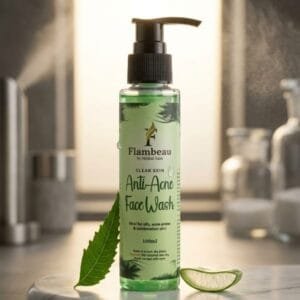
For oily and sensitive skin, a transparent gel cleanser with mild surfactants is ideal. Look for ingredients like salicylic acid in low concentrations (if you tolerate it) or niacinamide to help manage oil without irritation. Avoid heavy creams that can clog pores. The Flambeau Anti Acne Facewash is a fragrance-free option that targets oil while being gentle enough for many sensitive types—though patch test first.
For combination skin, you may need two cleansers or a versatile one that balances the T-zone and cheeks. A gentle foaming cleanser with aloe vera and green tea can work well. If your cheeks are easily irritated, you might prefer a low-foam formula. Listen to your skin—if it feels tight after cleansing, it’s too harsh.
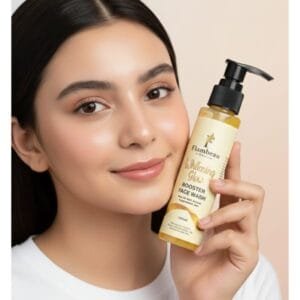
For acne-prone and sensitive skin, choose a cleanser with benzoyl peroxide or salicylic acid only if your dermatologist recommends it; these can be very irritating. A better bet is a gentle cleanser with tea tree oil (if you’re not allergic) or sulfur in small amounts. The Flambeau Whitening Face Wash is brightening and deep-cleansing, but always patch test because “brightening” ingredients like vitamin C may cause stinging in some sensitive individuals.
If you have redness or rosacea, avoid hot water, rough towels, and any product with menthol or camphor. Look for cleansers with centella asiatica (cica) or allantoin to soothe. If you have eczema or dermatitis, choose a cleanser that is also free of dyes and botanical extracts to minimize allergy risks. Always refer to the American Academy of Dermatology’s guidelines for sensitive skin care.
Budget-Friendly Tips for Sensitive Skin Care
You don’t need to spend a fortune to care for sensitive skin. Many drugstore brands offer fragrance-free cleansers under PKR 500, but be sure to scan the ingredients—cheap doesn’t always mean better. In Pakistan, you can find affordable options at local pharmacies and supermarkets. Look for simple formulations with minimal ingredients; often they are the most budget-friendly.
If you prefer to invest a bit more, mid-range products typically offer better packaging and more soothing ingredients. Prices range from PKR 1,000 to 3,000. Premium brands may exceed PKR 3,000, but they don’t guarantee a better fit for your skin. Consider buying travel sizes or samples first to test before committing to a full-size product.
Another budget-friendly tip is to use your cleanser wisely. A pea-sized amount is usually enough; don’t overuse. This makes the product last longer. If you wear heavy makeup, consider using a gentle cleansing oil or balm first, but these can also be affordable—a simple cold-pressed oil like jojoba (which you can learn about in our comparison of cold-pressed vs. refined oils) can be a budget-friendly makeup remover.
Finally, don’t forget that your diet and lifestyle impact your skin. Drinking plenty of water, eating fruits and vegetables, and managing stress can improve your skin’s resilience. Check out our morning habits for healthier skin to build a routine that supports your barrier. Remember, the best face wash is one that leaves your skin feeling comfortable, clean, and calm—regardless of price.
Frequently Asked Questions
What is the difference between 'fragrance-free' and 'unscented'?
Fragrance-free means no added fragrance ingredients at all, while unscented products may contain masking fragrances to hide unpleasant smells. For sensitive skin, always choose products labeled 'fragrance-free' and check the ingredient list for 'parfum' or 'essential oils.'
Can I use a face wash with natural essential oils if I have sensitive skin?
Essential oils can be irritating even if they are natural. If you have sensitive skin, it's best to avoid them entirely and stick to truly fragrance-free products.
How often should I wash my face if I have sensitive skin?
Wash your face twice a day—once in the morning and once at night. Over-washing can strip your skin's natural oils and worsen sensitivity. Always use lukewarm water and gently pat dry.
Are exfoliating face washes safe for sensitive skin?
Generally, no. Exfoliating face washes contain physical particles or acids that can irritate sensitive skin. If you need to exfoliate, do it separately with a very gentle product no more than once a week, and always patch test first.
Written by Flambeau by Mishal Zain — sharing practical, affordable beauty and skincare tips.
Updated: September 2026