Build a simple, effective skincare routine for oily, acne-prone teen skin. Learn gentle cleansing, oil control, and acne-fighting steps that won't strip or...
For oily, acne-prone skin in your teens, the goal is to gently cleanse twice daily, use non-comedogenic moisturizer and sunscreen, and introduce targeted acne-fighting ingredients like salicylic acid or benzoyl peroxide gradually. Avoid harsh scrubs and over-washing, which can worsen oiliness and breakouts. Consistency with a simple routine matters more than using many products. Always patch test new products and give them 4–6 weeks to show results.
Understanding Teen Skin: Why Oil and Acne Happen
During your teenage years, your body goes through significant hormonal shifts, particularly an increase in androgens like testosterone. These hormones stimulate your sebaceous glands to produce more sebum—your skin’s natural oil. For many teens, this extra oil mixes with dead skin cells that shed irregularly, leading to clogged pores. When pores get blocked, the bacteria that naturally live on your skin, especially Cutibacterium acnes, multiply rapidly, causing inflammation and the red, swollen pimples we all know as acne.
It’s important to understand that oily skin isn’t inherently bad. Sebum helps keep your skin lubricated and protects it from environmental damage. The problem arises when there’s an overproduction of oil combined with a buildup of dead skin cells. This is why simply washing your face more often or using aggressive alcohol-based toners doesn’t work—they strip away the protective barrier, prompting your skin to produce even more oil to compensate. The result is a vicious cycle of dehydration and breakouts.
Genetics also play a role. If your parents had acne as teens, you’re more likely to experience it too. But that doesn’t mean you’re doomed. With the right approach, you can manage oiliness and keep breakouts under control. The key is to work with your skin’s natural processes, not against them. Opt for products that gently remove excess oil without disrupting your skin’s pH balance, which is naturally slightly acidic, around 4.5 to 5.5.
Another factor is your diet and lifestyle. While chocolate and greasy fries don’t directly cause acne, diets high in refined sugars and dairy can trigger insulin spikes, which may increase sebum production. Stress, lack of sleep, and not drinking enough water can also affect your skin. However, the most impactful changes come from a consistent skincare routine tailored to your skin type.
Remember, acne is a medical condition that can affect your confidence and self-esteem. It’s not your fault, and you’re not alone—most teens experience some form of acne. The encouraging news is that with patience and the right products, you can see significant improvements. The American Academy of Dermatology emphasizes that a gentle routine is the foundation for acne-prone skin.
So, before you dive into buying every product that promises clear skin, take a moment to understand your unique skin needs. Your skin’s oiliness may be more intense in your T-zone (forehead, nose, chin) or spread across your entire face. Observing how your skin reacts to different products and weather—like the humid Pakistani summers versus drier winters—will help you tailor your routine effectively.
The Essential Products: What You Actually Need
You don’t need a 10-step routine. In fact, overloading your skin with too many products can clog pores and cause irritation. For oily, acne-prone teen skin, focus on these core essentials: a gentle cleanser, a lightweight moisturizer, sunscreen, and targeted treatments like salicylic acid or benzoyl peroxide. Let’s break down each one.
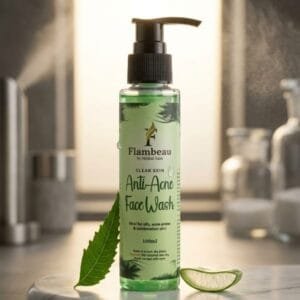
A gentle cleanser is your first line of defense. Look for a sulfate-free, gel-based cleanser that removes dirt, excess oil, and makeup without leaving your skin feeling tight or squeaky-clean. That tight feeling means your skin’s moisture barrier is compromised. Ingredients like aloe vera, green tea, or niacinamide can soothe inflammation while cleansing. Avoid cleansers with physical exfoliants like crushed walnut shells—they create micro-tears in the skin, leading to more breakouts.
You might wonder about cleansing bars. Many traditional soaps have a high pH that disrupts your skin’s acid mantle. However, some cleansing bars are formulated for acne-prone skin. For instance, the Moroccan Nila Soap is a natural clay-based soap that gently draws out impurities without over-stripping. Clay is excellent for absorbing excess oil, making it a good option for oily skin. But always follow up with a moisturizer, even if your skin feels oily.

Next is a lightweight, non-comedogenic moisturizer. Even oily skin needs hydration. When your skin is dehydrated, it produces even more oil to compensate. Look for gel or water-based moisturizers with hyaluronic acid or glycerin. Avoid heavy creams containing petrolatum or mineral oil, which can clog pores. Moisturizing in the morning and night helps maintain a healthy skin barrier, which is your defense against acne-causing bacteria.
Sunscreen is non-negotiable. Some acne medications and ingredients like salicylic acid can make your skin more sensitive to the sun. Choose a sunscreen labeled “non-comedogenic” or “oil-free” with SPF 30 or higher. In Pakistan’s sunny climate, daily sunscreen is essential to prevent post-acne dark spots from becoming permanent. Many sunscreens now come in gel or fluid textures that are weightless on oily skin.
For targeted acne treatment, salicylic acid (BHA) is a hero ingredient. It penetrates deep into pores to dissolve the buildup of dead skin cells and oil. Products containing 0.5% to 2% salicylic acid are available in cleansers, toners, or spot treatments. Benzoyl peroxide is another option that kills acne-causing bacteria, but it can be drying—start with a lower concentration (2.5%) to test tolerance. Niacinamide (vitamin B3) is also beneficial; it helps regulate oil production and calms redness.
When selecting products, look for labels that say “non-comedogenic,” “oil-free,” or “for acne-prone skin.” Also, consider your skin’s sensitivity. If you have sensitive skin, you might tolerate azelaic acid or sulfur better than stronger treatments. Always introduce new products one at a time, patch testing on your jawline or behind your ear for 24–48 hours before applying to your entire face.
Step-by-Step Routine: Morning and Night
Now that you know what to look for, here’s a simple yet effective routine you can follow every day. Consistency is key—give your skin at least 4 to 6 weeks to show improvement. Remember to always patch test first when trying any new product to avoid unexpected reactions.
Morning Routine: Start by splashing your face with lukewarm water—hot water strips natural oils. Apply your gentle cleanser with your fingertips, massaging in circular motions for about 60 seconds. Rinse thoroughly and pat dry with a clean towel (don’t rub). While your skin is slightly damp, apply a lightweight moisturizer to lock in hydration. Once absorbed, apply a pea-sized amount of sunscreen with SPF 30 or higher. If you use a treatment like salicylic acid, apply it after cleansing before moisturizer, but only if your skin tolerates it.
If your face feels extremely oily by midday, you can gently blot with blotting papers or a clean tissue. Avoid reapplying makeup or touching your face throughout the day, as this can transfer bacteria. Some people like to use a toner, but it’s optional. If you do use one, choose an alcohol-free formula with ingredients like witch hazel or tea tree oil, but always dilute and patch test—tea tree oil can be irritating in high concentrations.
Night Routine: In the evening, your skin has accumulated dirt, oil, and environmental pollutants. If you wear makeup or sunscreen, you may need to do a double cleanse: first with a cleansing oil or balm to break down products, then with your regular gentle cleanser. This ensures your pores are thoroughly clean without harsh scrubbing. After cleansing, apply your treatment—this is the best time for active ingredients like salicylic acid or benzoyl peroxide because your skin is repairing overnight.
Follow with a moisturizer. At night, you can use a slightly richer formula if your skin feels tight, but still avoid heavy creams. Some people benefit from a non-comedogenic night gel. If you’re using a spot treatment for active pimples, dab a tiny amount directly on the blemish and allow it to dry before applying moisturizer.
Once or twice a week, you can incorporate a gentle exfoliant. Instead of physical scrubs, use a chemical exfoliant like a BHA or AHA liquid. Leave it on for the recommended time (usually 1–2 minutes) and rinse. Over-exfoliating can cause irritation and worsen acne, so start with once a week and gradually increase to twice if your skin tolerates it.
Don’t forget to wash your pillowcases regularly—at least weekly—and avoid touching your face. Also, keep your hair off your face, especially if you use hair products that can migrate to your skin. Shower after workouts to remove sweat and bacteria.
Finally, be patient. Acne treatments take time. You might notice a temporary purging phase where breakouts seem worse before they improve. That’s normal when using ingredients like salicylic acid or retinol. Stick with your routine, and you’ll see clearer skin in a few weeks.
Common Mistakes Teens Make (and How to Avoid Them)
In your quest for clear skin, it’s easy to fall into habits that actually make things worse. One of the biggest mistakes is over-washing your face. Washing more than twice a day strips away protective oils, leading to rebound oiliness and irritation. Similarly, using harsh toners or astringents with high alcohol content can burn your skin and disrupt its balance.
Another common error is picking or popping pimples. This not only introduces more bacteria but also increases inflammation, leading to scarring and dark spots. It’s tempting to squeeze that whitehead, but resist. Instead, apply a spot treatment and let it heal naturally. If you need it gone for a special occasion, see a dermatologist for a professional extraction.
Using too many active ingredients at once is also problematic. Your skin might break out from irritation, not because the products aren’t working. For example, combining benzoyl peroxide with salicylic acid and retinol can be overly drying. Start with one active ingredient and see how your skin responds before adding another.
Many teens skip moisturizer because they think their skin is oily enough. This is a huge mistake. When your skin lacks moisture, it sends signals to produce more oil to compensate. Always moisturize after cleansing, even if you feel shiny. Choose a gel-based moisturizer that absorbs quickly.
Not wearing sunscreen is another oversight. Some acne treatments increase sun sensitivity, and sun exposure can darken post-acne marks, making them take longer to fade. A non-comedogenic sunscreen with SPF 30 is your best friend. If you’re worried about a white cast, look for tinted sunscreens or those formulated for darker skin tones.
Additionally, relying on toothpaste or home remedies like lemon juice can cause chemical burns or allergic reactions. Stick to proven skincare ingredients. Also, avoid using body wash or bar soap on your face—they are too harsh. And don’t forget to clean your phone screen, makeup brushes, and anything else that touches your face regularly.
Finally, don’t be discouraged if you don’t see immediate results. Consistency over weeks and months is what leads to lasting improvement. If your acne is severe, painful, or leaving scars, consult a dermatologist. They can prescribe treatments like topical antibiotics or oral medications that are safe for teens.
Tailoring Your Routine to Your Skin Type and Lifestyle
Not all oily, acne-prone skin is the same. Some teens have combination skin—oily in the T-zone but normal to dry on the cheeks. Others have sensitive skin that reacts easily to products. And some live in humid climates like Karachi while others are in drier areas like Quetta. Here’s how to adapt your routine to your specific needs.
If you have combination skin, you may need to vary your routine by area. Use a gentle cleanser all over, but apply a lighter moisturizer on your T-zone and a slightly more hydrating one on your cheeks. You might also spot-treat the oily areas with salicylic acid a few times a week, while using a more soothing ingredient like aloe vera on the dry patches. Avoid heavy masks on the entire face—instead, use clay masks only on the oily T-zone.
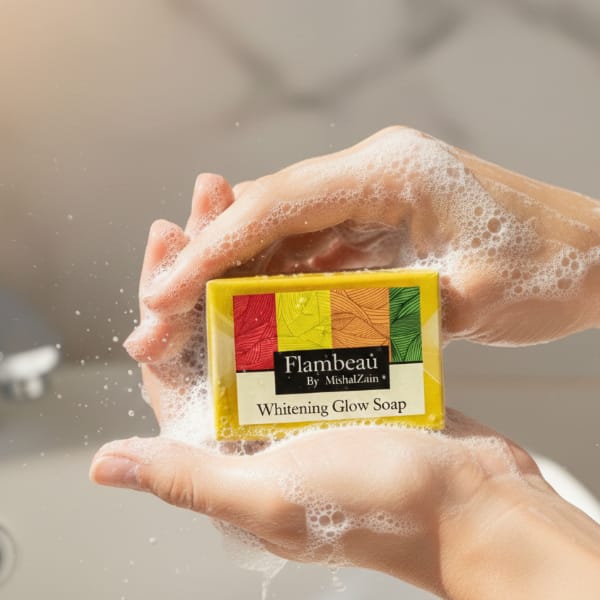
For sensitive, acne-prone skin, choose fragrance-free, alcohol-free products. Look for ingredients like centella asiatica, allantoin, or colloidal oatmeal to calm redness. Avoid strong chemical exfoliants and opt for gentle cleansers. You might find that a soap like the Whitening Glow Soap—which typically contains kojic acid or papaya extract—could be too brightening and potentially irritating if used on sensitive skin. Always patch test and start with using it only once a day. However, for normal oily skin, such soaps can help even out skin tone and fade post-acne marks when used sparingly.
Your lifestyle and environment also matter. If you’re an athlete who sweats a lot, cleanse immediately after workouts to prevent sweat and bacteria from clogging pores. In humid weather, you might need a lighter moisturizer and more frequent blotting. In dry or air-conditioned rooms, your skin may feel tight, so apply moisturizer more often. Also, if you wear makeup, choose non-comedogenic, oil-free formulas and always remove makeup before bed.
If you’re on a budget, you don’t need expensive products. Drugstore brands with salicylic acid or benzoyl peroxide can work just as well. Look for multi-purpose products like a cleanser that both treats acne and moisturizes. Also, using a clay-based soap like Moroccan Nila Soap can be a cost-effective way to deep-clean your skin without splurging on multiple products.
For those with very oily skin that feels slick within an hour of washing, consider a foaming cleanser with salicylic acid and a toner with witch hazel. You might also enjoy a weekly clay mask to draw out impurities. However, even with oily skin, don’t skip moisturizer—choose an oil-free gel. And always apply sunscreen, even if you’re indoors, because UV rays can penetrate windows.
Remember, your skin changes with seasons, stress, and hormone fluctuations. What works in winter might not be enough in summer. Be flexible and adjust your routine accordingly. If a product makes your skin burn, sting, or break out in a rash, stop using it immediately. Your skin should feel comfortable, not irritated.
Finally, take care of your overall health. Drink plenty of water, eat a balanced diet rich in fruits and vegetables, get regular sleep, and manage stress through exercise or hobbies. These habits complement your skincare routine and support your skin from the inside out.
Ingredients to Look For (and a Few to Avoid)
When shopping for skincare, decoding the ingredient list can be overwhelming. But knowing a few key ingredients can help you choose products that actually benefit your skin. Here are some to look for and why they work.
Salicylic Acid (BHA): This oil-soluble acid can penetrate through sebum to exfoliate inside the pore. It helps unclog blackheads and whiteheads. Start with 0.5% to 2% in a leave-on product for best results. You can find it in cleansers, toners, and spot treatments. It’s particularly effective for oily skin.
Benzoyl Peroxide: This ingredient kills acne-causing bacteria and helps remove excess oil. It’s available over-the-counter in strengths from 2.5% to 10%. Start low to minimize irritation. It can bleach fabrics, so use it carefully. It’s best applied as a spot treatment in the evening.
Niacinamide (Vitamin B3): This anti-inflammatory ingredient helps regulate oil production, improve skin texture, and fade dark spots. It’s suitable for sensitive skin and can be used daily. Products with 2% to 5% niacinamide are effective without causing irritation.
Hyaluronic Acid: Despite its name, it’s not an acid exfoliant. It’s a humectant that draws moisture into the skin, keeping it hydrated without making it oily. Look for lightweight serums or moisturizers with hyaluronic acid.
Zinc: Often found in sunscreens or as zinc oxide, it has anti-inflammatory properties and can help reduce oiliness. It’s also soothing for acne-prone skin.
Alpha Hydroxy Acids (AHAs) like Glycolic or Lactic Acid: These are water-soluble and exfoliate the skin’s surface, improving texture and fading dark spots. They can be beneficial but may increase sun sensitivity. Use them sparingly, especially if you’re already using BHA.
On the flip side, avoid products with high concentrations of alcohol (like denatured alcohol), which can dry and irritate skin. Also, steer clear of heavy oils like coconut oil or mineral oil that can clog pores. Fragrances and essential oils might cause allergic reactions in sensitive skin, so choose fragrance-free options when possible.
One product that has gained popularity for skin brightening is the Whitening Glow Soap—though note that “whitening” in this context means brightening, not bleaching. It often contains kojic acid, papaya extract, or vitamin C, which can help fade post-acne hyperpigmentation when used consistently. However, these soaps can be drying, so use them only once a day and always moisturize. For a gentler option, Moroccan Nila Soap with natural clay is a good alternative for deep cleansing without harsh brightening agents.
If you’re unsure where to start, you might explore the Skin Care category on our website to see a range of products suited for acne-prone skin. And if you’re also interested in makeup, check out our post on how to layer skincare before makeup to avoid breakouts.
Remember, your skin is unique, and what works for your friend might not work for you. Keep a skincare diary to track which products you use and how your skin reacts. Over time, you’ll learn what your skin loves and what it hates. And always consult a dermatologist if you have persistent or severe acne.
For more tips and routines, visit our blog where we regularly update articles on skincare, haircare, and beauty for Pakistani climates.
Frequently Asked Questions
How often should I wash my face if I have oily, acne-prone skin?
You should wash your face twice a day—once in the morning and once at night—using a gentle cleanser. Washing more than that can strip your skin and trigger more oil production.
Can I use toothpaste to dry out a pimple?
No. Toothpaste contains ingredients that can irritate your skin, causing redness and dryness. Instead, use a spot treatment with benzoyl peroxide or salicylic acid.
How long does it take for acne products to work?
Most acne treatments need at least 4 to 6 weeks to show improvement. You may notice some initial purging, but consistency is key. If you don't see results after 8 weeks, consult a dermatologist.
Is it okay to skip moisturizer if my face is very oily?
No. Skipping moisturizer can make your skin produce more oil to compensate. Always use a lightweight, non-comedogenic moisturizer to keep your skin hydrated and balanced.
Written by Flambeau by Mishal Zain — sharing practical, affordable beauty and skincare tips.
Updated: September 2026