Retinol and bakuchiol both help smooth fine lines and brighten skin, but they work differently. Discover which is better for your skin type, how to use...
Retinol and bakuchiol are both effective for reducing fine lines, improving skin texture, and boosting radiance. Retinol is a stronger, faster-acting vitamin A derivative that can cause irritation, while bakuchiol is a gentler plant-based alternative that delivers similar results over a longer period. Choosing between them depends on your skin barrier, tolerance for irritation, and your anti-aging goals.
Understanding Retinol: The Gold Standard of Anti-Aging
Retinol is a form of vitamin A that has been extensively studied for its ability to accelerate cell turnover and stimulate collagen production. When applied topically, it converts to retinoic acid in the skin, which binds to retinoic acid receptors in the nucleus of skin cells. This binding triggers a cascade of events that speeds up the shedding of dead skin cells and encourages the production of new, healthy ones. Over time, this process helps to visibly soften fine lines, improve skin texture, and even out pigmentation. Retinol is often called the gold standard in anti-aging because of its robust clinical evidence and long history of use.
However, retinol is not without its drawbacks. Because it works by accelerating cell turnover, it can cause what is commonly known as “retinization” – a period of dryness, flaking, redness, and increased sensitivity that can last anywhere from two to six weeks as your skin adjusts. The strength of the product, the frequency of application, and your skin’s natural resilience all influence how severe these side effects become. If you have a compromised skin barrier, conditions like eczema, or highly reactive skin, retinol can aggravate those issues and lead to excessive peeling and stinging. That is why dermatologists always recommend starting with a low concentration and building up gradually, often with a “sandwich” method of moisturizer around the retinol layer.
In Pakistan, where the climate can be hot and humid for much of the year, retinol’s photosensitizing effect is a major consideration. Retinol makes your skin more vulnerable to UV damage, which can lead to dark spots and premature aging if you are not diligent with sunscreen. Because many people in our region may not apply sunscreen daily, the risk of sunburn and hyperpigmentation increases with retinol use. This does not mean retinol is off-limits, but it requires a strong commitment to sun protection every single day, even when indoors or on cloudy days. If you can manage that, retinol is a powerful tool for building a more youthful-looking complexion.
When you first begin using retinol, you might notice a “purge” – a temporary worsening of breakouts or texture as your skin brings underlying congestion to the surface. This is normal for some people but can be distressing if you are not expecting it. A good way to minimize irritation is to start by applying retinol only two nights a week, then slowly increase to every other night, and eventually to nightly if your skin tolerates it. Always apply retinol to dry skin, as water can increase its penetration and potential for irritation. And for those with sensitive skin, using a pea-sized amount is more than enough for the entire face – more product does not mean better results, just more irritation.
Bakuchiol: The Natural Retinol Alternative Explained
Bakuchiol is a plant-derived compound extracted from the seeds of the Psoralea corylifolia plant, which has been used in traditional medicine for centuries. It is often referred to as a “natural retinol alternative” because it has been shown in clinical studies to produce similar improvements in fine lines, hyperpigmentation, and firmness, but without the irritating side effects commonly associated with retinol. The mechanism is not identical – bakuchiol does not bind to retinoic acid receptors, but it appears to modulate similar gene expression pathways related to collagen synthesis and cell turnover, just in a gentler way.
One of the most compelling benefits of bakuchiol is its excellent tolerability. In a landmark 2019 comparative study published in the British Journal of Dermatology, bakuchiol 0.5% applied twice daily was found to be as effective as retinol 0.5% in reducing hyperpigmentation and wrinkles after 12 weeks, with significantly less scaling and stinging. Participants using bakuchiol reported fewer side effects, which makes it an excellent choice for those who have tried retinol and found it too harsh. It also plays well with other active ingredients, so you can combine it with vitamin C, niacinamide, or exfoliating acids without worrying about compounding irritation.
For Pakistani skin, bakuchiol has several geographical advantages. Since it is not a vitamin A derivative, it is less photosensitizing than retinol, meaning you have more flexibility in your sun-exposure routine. While you should still wear sunscreen daily, bakuchiol users are at a lower risk of sun-related irritation and pigmentation if they miss a day. Additionally, bakuchiol has natural antioxidant and anti-inflammatory properties, which can help soothe the skin and reduce redness – a plus in a climate where heat and pollution can trigger inflammation. It is also considered safe for use during pregnancy and breastfeeding, unlike retinol, which is advised against in these situations.
Another reason bakuchiol is gaining popularity is its stability. Retinol is notoriously unstable and degrades quickly when exposed to light and air, which is why it is packaged in opaque, airless bottles. Bakuchiol, on the other hand, is much more stable and can be formulated in a variety of textures, from lightweight serums to rich creams, without losing efficacy. This makes it easier to incorporate into a routine suited to our warm, humid climate, where gel-based or water-light serums are more comfortable than heavy creams. If you are new to anti-aging actives or have sensitive, reactive skin, bakuchiol is a fantastic starting point to build a tolerance before potentially moving on to stronger ingredients.
However, it is important to note that bakuchiol is not a miracle worker. Because it works more gently, results may take longer to appear – some studies show visible improvements after eight to twelve weeks of consistent use, whereas retinol might show changes in four to six weeks. If you are looking for the fastest possible results and have resilient skin, retinol may still be your best bet. But if you value a slower, steadier approach without the risk of peeling and purging, bakuchiol is a highly effective alternative that many find easier to stick with.
How to Choose Between Retinol and Bakuchiol for Your Skin Type
Your skin type and current condition should be the primary factors in your decision. If you have oily, thick, or tolerant skin and are already comfortable with stronger actives, retinol might be your best option. It can help control breakouts, reduce the appearance of enlarged pores, and speed up cell turnover, which is beneficial for acne-prone skin. For beginners, starting with a low-strength retinol (0.1% to 0.3%) two to three nights a week is a safe way to introduce it. If you have normal to combination skin, you can also start with retinol, but pay extra attention to hydration and always use a moisturizer on top to buffer potential dryness.
On the other hand, if you have dry, sensitive, or easily irritated skin, bakuchiol is a far more forgiving choice. It provides the same anti-aging benefits without stripping your moisture barrier or causing redness. Those with conditions like rosacea, eczema, or a history of allergic reactions to cosmetic products should definitely lean toward bakuchiol. It is also a wiser option if you are new to skincare actives in general, as it allows your skin to acclimate gradually. If you are pregnant or nursing, bakuchiol is widely considered safe, while retinol is contraindicated.
Consider your lifestyle and commitment to sun protection. If you are diligent about applying sunscreen every morning and reapplying if you are outdoors, retinol’s photosensitivity becomes less of an issue. But if you often forget sunscreen or spend long hours commuting under the Pakistani sun, bakuchiol’s lower photosensitivity offers a safety margin. Similarly, if you have a busy schedule and cannot tolerate weeks of peeling or flaking that may be visible in social settings, bakuchiol allows you to maintain a polished look while still working on anti-aging.
Another factor is the rest of your routine. If you are already using other potentially irritating ingredients like alpha hydroxy acids (AHAs) or benzoyl peroxide, adding retinol might be overkill and increase irritation. In that case, bakuchiol is more synergistic and can be used alongside these ingredients with less risk. Conversely, if your routine is minimal and you are looking for a single powerhouse active, retinol can deliver dramatic improvements more quickly. Some people even choose to use both – bakuchiol in the morning and retinol at night – but that is an advanced approach best done under dermatological guidance.
Finally, think about your patience and expectations. Retinol is a sprint; you may see results faster, but you have to endure the adjustment period. Bakuchiol is a marathon; it takes longer but is a smoother journey. Ask yourself whether you are willing to put up with possible flaking and redness for a few weeks in exchange for quicker visible results, or whether you prefer a gentle, gradual improvement that will not disrupt your daily life. There is no right or wrong answer – it is about what you can realistically maintain.
Practical Guide: How to Add Retinol or Bakuchiol to Your Routine
Whichever ingredient you choose, a slow and steady introduction is key. First, always patch test a new product on a small area behind your ear or on your inner forearm for three days to rule out allergies or severe reactions. After that, begin by applying your chosen serum only once or twice a week at night, and never mix it with other active ingredients like strong acids, benzoyl peroxide, or vitamin C in the same session, as that can cause irritation.
For retinol, the classic advice is to apply it to dry skin. After cleansing, wait at least 20 minutes for your skin to completely dry, then apply a pea-sized amount of retinol evenly over your face, avoiding the eye area, corners of the nose, and any broken skin. Wait another 20 minutes before applying a moisturizer. This “waiting” period reduces the risk of irritation. If you find even that too strong, try the sandwich method: apply moisturizer first, then retinol, then another layer of moisturizer. Start with two non-consecutive nights per week (e.g., Tuesday and Friday) and increase to every other night after two weeks if your skin is not reacting badly.
For bakuchiol, the application is more flexible because it is so gentle. You can apply it morning and night if you like, but for simplicity, once a day at night is sufficient. Unlike retinol, bakuchiol does not require waiting for skin to dry, and you can even mix it with your moisturizer if you prefer. A few drops of a bakuchiol serum massaged onto cleansed skin, followed by your regular moisturizer, is all it takes. If you have sensitive skin, start with every other day and increase to daily after a week or two.
Regardless of which you use, sunscreen is non-negotiable – especially with retinol. Apply a broad-spectrum SPF 30 or higher every morning as the last step of your routine. In Pakistan, consider a gel-based or matte-finish sunscreen to avoid greasiness in humid weather. If you experience excessive dryness or peeling with retinol, temporarily reduce frequency and strengthen your moisturizer. Products containing ceramides, hyaluronic acid, or glycerin help repair the skin barrier. For bakuchiol users, dryness is rare, but you still need a good moisturizer to keep your skin hydrated and plump.
You might notice a slight purging of breakouts when starting retinol, but if you see severe breakouts, itching, or swelling, stop use and consult a dermatologist. For bakuchiol, purging is minimal to non-existent. Keep in mind that consistency is more important than frequency – using a low strength product regularly is better than using a high strength product sporadically. Track your skin’s response weekly and adjust as needed. If after three months you are not seeing improvements, you may need to increase concentration or switch to a different ingredient.
Common Mistakes to Avoid with Retinol and Bakuchiol
One of the biggest mistakes is starting with too high a concentration. Many people believe that 1% retinol is better than 0.25%, but higher strength does not equal faster results – it only increases the likelihood of severe irritation. Similarly, applying more than a pea-sized amount does not speed up collagen production; it just causes unnecessary peeling. Always start low and slow. Another common error is using retinol every single night from day one. Your skin needs time to build tolerance, so ignore the urge to overdo it.
Skipping moisturizer is another frequent misstep. Retinol and even bakuchiol can disrupt your skin barrier if not adequately hydrated. Always follow with a good moisturizer, and if you are using retinol, consider a “buffer” layer of moisturizer underneath to dilute its intensity. On the flip side, layering too many actives on top of each other – like using retinol with vitamin C, AHAs, or benzoyl peroxide in the same routine – can overwhelm your skin and lead to chemical burns or severe irritation. If you want to use multiple actives, do them at different times of the day or alternate days.
Forgetting sunscreen is the most dangerous mistake of all, particularly with retinol. Retinol thins the outermost layer of dead skin cells, exposing fresh, vulnerable cells to UV radiation. Without protection, you are not only undoing your anti-aging efforts but also increasing your risk of sunspots and skin cancer. Even bakuchiol users need sunscreen, although the risk of sensitivity is lower. Many people also think that retinol can be applied to the delicate eye area, but that can cause severe dryness and inflammation. Keep it away from the eyes, mouth, and nostrils.
Another mistake is expecting overnight miracles. Both retinol and bakuchiol require at least eight to twelve weeks of consistent use to show visible changes. People who quit after two weeks because they see no difference (or because of purging) miss out on the long-term benefits. Also, do not mix retinol with other vitamin A derivatives like adapalene or tretinoin unless your dermatologist tells you to. And if you are using bakuchiol, do not assume it is completely inert – it is still an active ingredient, so you should still introduce it gradually, even if the side effects are minimal.
Finally, many people make the mistake of ignoring their skin’s signals. If your skin is stinging, burning, or peeling excessively, that is not “getting used to it” – that is irritation. Listen to your skin and cut back. If you are using a product that contains bakuchiol and you notice breakouts, check whether it is a purging reaction or an actual intolerance. Bakuchiol is generally well-tolerated, but everyone’s skin is different. When in doubt, consult a dermatologist, especially if you have underlying skin conditions.
What to Look for in Products and How to Adapt for Different Skin Types
When shopping for retinol or bakuchiol serums, scrutinize the ingredient list and packaging. For retinol, look for encapsulated or stabilized forms that reduce irritation (e.g., retinyl palmitate, retinyl propionate, or hydroxy-pinacolone retinoate) and concentrations between 0.1% and 1%. Bakuchiol is typically used at concentrations of 0.5% to 2%, and it is often combined with other soothing ingredients like squalane, jojoba oil, or hyaluronic acid. Avoid products with high alcohol content, which can be drying, and opt for airless pumps or dark glass bottles to protect the active from degradation.
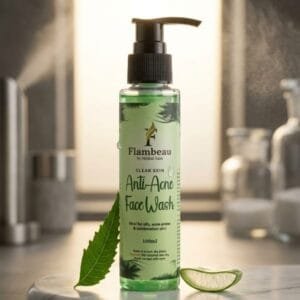
For oily and acne-prone skin, a lightweight gel serum is preferable. Retinol can be beneficial in controlling breakouts, but if you also want to address acne scars, consider a product that combines retinol with niacinamide. For example, the Clear Skin Acne Control Serum targets spots and scars, and you could pair it with a separate retinol at night if your skin tolerates it. For dry or sensitive skin, bakuchiol is your best bet because it is less likely to strip moisture. Look for bakuchiol serums that also contain ceramides or peptides to support the skin barrier.
If you have combination skin, you might opt for a bakuchiol serum that is hydrating but not heavy, applied to the whole face. If you have mature skin with deep wrinkles, you might want a higher concentration of retinol (0.5% or above) to see more pronounced results, but start with every other night. For those with hyperpigmentation, bakuchiol has shown promise in evening out skin tone, and it can be used in the morning alongside vitamin C, as long as you keep sunscreen in your routine.
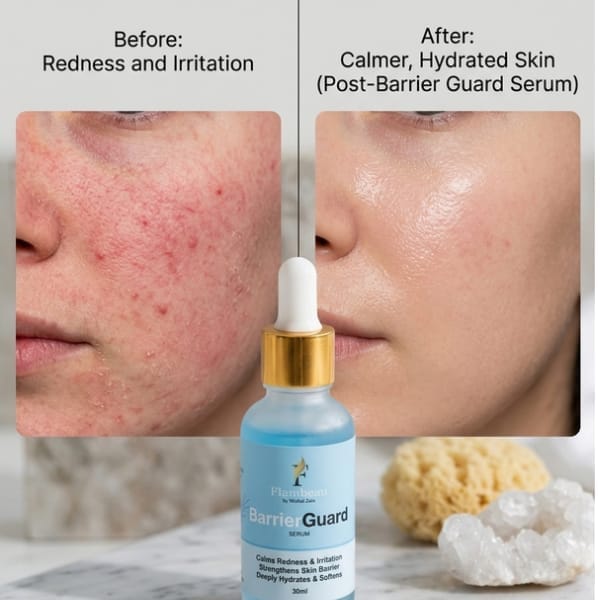
In a hot, humid climate like Pakistan, you may prefer a bakuchiol serum that feels weightless, while in cooler months you can switch to a cream-based retinol. If you are new to anti-aging actives, a product like the Barrier Guard Serum can help fortify your skin before you introduce retinol or bakuchiol, reducing the risk of irritation. This is especially important if your skin is easily stressed by pollution or weather changes.
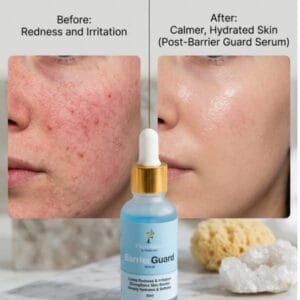
Remember that your routine should be adapted to your skin’s current state, not just your skin type. If you are experiencing a flare-up of acne, eczema, or contact dermatitis, pause your anti-aging active and focus on barrier repair. If your skin is healthy, you can proceed with your chosen product. Always read the pH and formulation instructions, and do not mix retinol with vitamin C in the same application because they work best at different pH levels and can deactivate each other.
Quick Adaptation Guide
For sensitive skin: Choose bakuchiol alone, and apply it every other night. If you have a reaction, reduce frequency or use a barrier-repair serum first.
For oily, acne-prone skin: Start with retinol 0.25% twice a week, and always follow with an oil-free moisturizer. Bakuchiol can also be used daily without worsening oiliness.
For dry skin: Opt for bakuchiol, and layer a rich moisturizer on top. If you use retinol, do the sandwich method to minimize flaking.
For combination skin: You can try either, but if you use retinol, apply it only to the T-zone or areas with fewer dry patches, or use bakuchiol all over.
Budget-Friendly Tips and Final Thoughts
You don’t need to spend a fortune to get the benefits of retinol or bakuchiol. Start with a low-concentration product and keep your routine simple. A basic cleanser, moisturizer, and your chosen serum are sufficient. If you are on a tight budget, bakuchiol serums are often comparable in price to retinol, but you might find that a bakuchiol product lasts longer because you only need a few drops for your entire face. Always look for sales or bundle offers – many Pakistani brands offer discounts during festive seasons.
If you are considering a retinol, remember that a pea-sized amount is enough, so a 30ml bottle can last up to six months with proper use. Bakuchiol is similarly concentrated, so a few drops per application suffice. Avoid buying more than one active serum at a time; introduce one product at a time to truly assess its effects. This not only saves money but also prevents irritation from over-layering.
As you plan your anti-aging journey, do not forget the basics: a healthy diet, adequate sleep, stress management, and sun protection. No serum can completely reverse the signs of aging, but consistent use of either retinol or bakuchiol can significantly improve the appearance of fine lines and dullness. For more skincare education, check out our other posts on skincare myths and our blog for more tips. Remember that what works for someone else may not work for you, so listen to your skin and adjust as needed.
Ultimately, the best choice is the one you can use consistently without harming your skin. If you are still uncertain, consult a dermatologist who can assess your skin and guide you. Whichever route you take, be patient and gentle – healthy, glowing skin is a marathon, not a sprint.
Frequently Asked Questions
Is bakuchiol as effective as retinol for wrinkles?
Clinical studies suggest that bakuchiol can be as effective as retinol for reducing fine lines and hyperpigmentation after 12 weeks, but with fewer side effects like peeling and redness. Results may come slightly slower, but they are comparable for many people.
Can I use retinol and bakuchiol together?
Yes, but it's best to alternate them or use bakuchiol in the morning and retinol at night to minimize irritation. If you're new to these actives, start with one, and only add the second after your skin has adjusted.
Which is better for sensitive skin: retinol or bakuchiol?
Bakuchiol is generally much better for sensitive skin because it is gentler and less likely to cause irritation. It provides similar anti-aging benefits without the flaking and redness that retinol often causes.
Do I need to wear sunscreen when using bakuchiol?
Yes, you should always wear sunscreen daily, regardless of which anti-aging ingredient you use. Bakuchiol is less photosensitizing than retinol, but sun protection is crucial for preventing premature aging and dark spots.
Written by Flambeau by Mishal Zain — sharing practical, affordable beauty and skincare tips.
Updated: September 2026