Learn how indoor air pollutants, humidity, and ventilation impact your skin and hair health—and discover practical steps to protect them in Pakistani homes.
Indoor air quality directly affects your skin and hair because the air you breathe and live in carries pollutants, allergens, and moisture levels that your skin and hair constantly interact with. Poor ventilation, cooking fumes, dust, and even indoor humidity can trigger dryness, irritation, breakouts, and dull hair. Fortunately, with a few targeted habits and skincare choices, you can build a protective barrier that minimizes these effects.
Understanding the Invisible: What Is Indoor Air Pollution?
When we think of air pollution, we usually picture smog-filled streets and factory smoke, but the air inside our homes can be several times more polluted than outdoor air. Indoor air pollution includes fine dust particles (PM2.5), volatile organic compounds (VOCs) from paints, cleaning products, and air fresheners, as well as biological pollutants like mold spores, pet dander, and pollen. In Pakistani households, especially during winter when windows are sealed and gas heaters are running, these pollutants accumulate to surprisingly high levels.
These invisible particles are not just a respiratory concern—they land on your skin and hair throughout the day. Dust and soot particles settle on your face, mixing with your natural sebum and leading to clogged pores, blackheads, and a dull, gritty texture. Over time, exposure to these particles can trigger oxidative stress, which breaks down collagen and elastin, contributing to premature fine lines and a loss of firmness. Your hair, being porous and often exposed, absorbs these airborne pollutants, leaving strands feeling rough, brittle, and prone to tangling.
Another major factor is humidity levels. In Karachi or Lahore, the monsoon season brings high humidity, which makes the air feel heavy and causes your skin to overproduce oil, leading to breakouts. On the other end, winter or running an air conditioner for hours can drop indoor humidity below 30%, which pulls moisture from your skin and hair, leaving them dry, flaky, and static-prone. Even the temperature of your indoor air matters—extremes force your skin to work harder to maintain its moisture balance.
Finally, consider the chemical load from common household products. Strong cleaning agents, bleach, and synthetic fragrance sprays release VOCs that can irritate sensitive skin and scalp. If you live near a busy road or industrial area, outdoor pollutants also seep indoors through cracks and open windows. Understanding that these elements are present is the first step toward protecting your skin and hair effectively.
How Indoor Air Quality Affects Your Skin Barrier
Your skin is your body’s first line of defense, and it’s constantly exposed to whatever is in your indoor air. The outermost layer, known as the stratum corneum, acts as a barrier that keeps moisture in and harmful substances out. When indoor air is full of particulates, these tiny particles can disrupt this barrier by triggering low-grade inflammation. Studies have shown that exposure to particulate matter increases the activity of enzymes that break down collagen, leading to weakened skin structure and increased sensitivity.
This barrier disruption often shows up as redness, itching, or a stinging sensation when you apply your usual products. In Pakistan, where many women have combination or sensitive skin, the reaction can be even more pronounced. For example, if you live in a bustling area like Gulberg or Clifton, your indoor air may carry traffic-related pollutants that settle on your skin, making it look tired and uneven. Over time, this can lead to a condition called ‘sensitive skin syndrome,’ where your face reacts to almost everything you put on it.
One of the most visible signs of poor indoor air quality is accelerated skin aging. Free radicals from pollution attack the lipids in your skin barrier, causing moisture loss and the appearance of fine lines. In an environment with high indoor pollution, you might notice that your makeup oxidizes faster or your skincare products don’t seem to absorb as well. This is because your skin is busy trying to defend itself, leaving less energy for repair and regeneration.
The good news is that you can strengthen your skin barrier with the right habits. Antioxidants are your best allies in neutralizing free radicals and supporting your skin’s natural defenses. Incorporating vitamin C serums, niacinamide, or green tea extracts into your routine can help. Also, maintaining a consistent skincare routine that includes gentle cleansing, moisturizing, and protection is crucial. If you’re unsure where to start, check out our skin care category for products that support your barrier.
Hair Health: The Overlooked Victim of Stale Indoor Air
Your hair is exposed to indoor air just as much as your skin, but we often forget that it needs protection too. Hair strands are made of a protein called keratin, and they are surrounded by a protective lipid layer. When indoor air is dry or polluted, this lipid layer gets stripped away, leaving the cuticle raised. This makes hair look frizzy, feel rough, and lose its natural shine. In high-pollution environments, your scalp also suffers—dust and toxins clog hair follicles, which can lead to itchiness, dandruff, and even thinning over time.
Central heating and air conditioning are notorious for drying out hair during Pakistan’s hot summers and cold winters. In Lahore, where people often run air conditioners for months, the lack of humidity makes hair static and unmanageable. On the other hand, during the rainy season, excess humidity causes hair to swell and become porous, making it more prone to breakage. This constant battle between dry and humid conditions leaves your hair perpetually stressed.
Another hidden factor is indoor smoking. If anyone in your household smokes indoors, the smoke deposits tar and nicotine onto your hair strands. This not only makes your hair smell but also weakens it and makes it appear yellowed over time. Even cooking fumes from frying or grilling can settle on your hair, leaving a greasy film that attracts more dust.
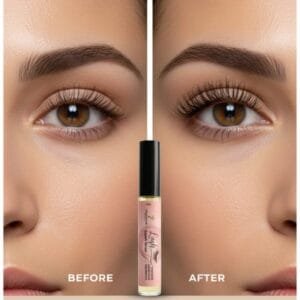
To protect your hair, focus on keeping your scalp clean but not stripped. Washing your hair with a gentle sulfate-free shampoo 2-3 times a week helps remove pollutant buildup without over-drying. Oiling your scalp weekly with a nourishing oil like coconut or argan can create a barrier against particulate matter. And if you spend long hours in a dry, air-conditioned room, consider using a leave-in conditioner or a hydrating hair mist to maintain moisture. For lashes, which are also hair and can be affected by dry indoor air, using a conditioning product like Eyelashes Growth Serum can help keep them nourished and less prone to breakage.
Practical Steps to Improve Indoor Air Quality for Your Skin and Hair
Improving your indoor air quality doesn’t require a complete home renovation—simple changes can make a significant difference. First and foremost, ventilate your home daily. Open windows for at least 10-15 minutes each morning, even in winter, to let out stale air and bring in fresh air. This is especially important after cooking or using cleaning products. If you live in a high-pollution area, ventilate during off-peak traffic hours, like early morning.
Second, invest in an air purifier with a HEPA filter for the rooms where you spend the most time, such as your bedroom or living room. HEPA filters can capture up to 99.97% of airborne particles as small as 0.3 microns, including dust, pollen, and smoke. If purchasing an air purifier is out of your budget, place potted plants like aloe vera, spider plants, or peace lilies around your home, which help absorb certain toxins. However, be mindful of mold growth—water plants sparingly and ensure good drainage.
Third, control humidity levels using a humidifier or dehumidifier depending on your season. In winter, when indoor air becomes dry from heaters, a humidifier can add moisture back, helping your skin and hair retain hydration. In monsoon, a dehumidifier can prevent excess moisture that leads to fungal infections and frizzy hair. Keep indoor humidity between 40-50%—you can measure it with a hygrometer. Simple habits like not over-boiling water and using ventilation fans in the bathroom also help regulate moisture.
Fourth, adopt a ‘clean skincare’ approach by washing your face and hands when you come home from outside, but also consider using a gentle micellar water or cleansing wipe to remove any particles that have settled on your skin during the day. At night, always double-cleanse if you’ve been in a polluted environment. For your hair, cover it with a scarf or hat when you go out, especially on smoggy days, to minimize pollutant exposure.
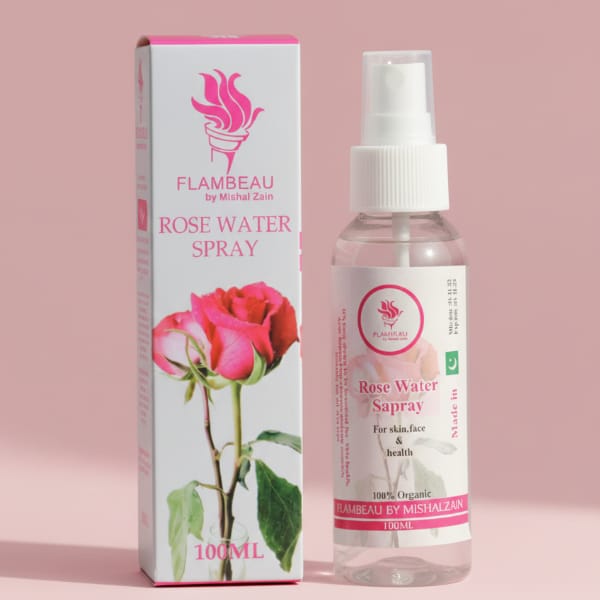
Finally, create a skincare routine that includes antioxidants and barrier-repairing ingredients. Using a product like Rose Water Spray 100% Organic – Refresh & Hydrate Skin can be a refreshing way to hydrate your skin and neutralize some environmental stress. Rose water has natural anti-inflammatory properties, making it ideal for calming skin that has been exposed to indoor pollutants. Always patch test first and introduce new products gradually.
Common Mistakes That Worsen Indoor Air Quality (and Your Skin)
Many of us unknowingly make choices that worsen our indoor air and, in turn, harm our skin and hair. One major mistake is using harsh chemical air fresheners that release synthetic fragrances into the air. These not only irritate your respiratory system but also land on your skin, potentially causing allergic reactions. Instead, opt for natural alternatives like essential oil diffusers or simply open a window.
Another mistake is irregular cleaning routines. Dust that accumulates on shelves, fans, and carpets becomes airborne every time you walk by or switch on the fan. This dust settles on your skin and hair, clogging pores and dulling your complexion. Make it a habit to dust surfaces with a damp cloth at least twice a week, and vacuum carpets and upholstery regularly. Washing your bedding in hot water weekly is also crucial, as dust mites thrive in sheets and can trigger skin flare-ups.
Failing to maintain your HVAC systems is another overlooked issue. Air conditioners and heaters accumulate dust and mold in their filters, and when running, they blow these contaminants directly into your living space. Clean or replace filters every 1-3 months, depending on usage. Also, have your ducts cleaned every few years if you have central heating or cooling.
Additionally, many people skip washing their hair after spending time in a polluted indoor environment. Even if you don’t go outside, your hair can collect dust and smoke from cooking or from other people in the house. Leaving these pollutants on your scalp can lead to irritation and dandruff. Use a clarifying shampoo once a week to remove buildup, but always follow with a conditioner or mask to restore moisture.
Finally, neglecting your skin’s hydration is a common mistake that magnifies the effects of poor air quality. When your skin is dehydrated, it becomes more vulnerable to irritants. Drink plenty of water throughout the day, and use a moisturizer tailored to your skin type. For extra support, consider incorporating a barrier-repairing moisturizer with ceramides or shea butter into your evening routine.
Choosing the Right Products and Habits for Your Skin and Hair Type
Your response to indoor air quality depends largely on your skin and hair type. For those with dry skin, the lack of humidity in air-conditioned or heated rooms can worsen flakiness and tightness. Look for rich, oil-based moisturizers that lock in hydration, and use a humidifier in your bedroom. Hyaluronic acid serums are excellent for drawing moisture into the skin.
If you have oily or combination skin, you might notice increased oiliness in humid conditions, leading to breakouts. Use a lightweight, gel-based moisturizer and a salicylic acid cleanser to keep pores clear. However, don’t skip moisturizer—your skin still needs hydration to maintain its barrier, especially if you’re using acne treatments that can be drying. Also, ensure you’re not over-washing your face, as this can stimulate more oil production.
For sensitive skin, indoor pollutants can trigger redness, stinging, or eczema flare-ups. Choose fragrance-free, hypoallergenic products and perform a patch test before introducing anything new. Keep your routine minimal and soothing—look for ingredients like aloe vera, chamomile, and centella asiatica. An air purifier in your bedroom can be particularly beneficial for sensitive individuals.
When it comes to hair, fine hair tends to get weighed down by pollutants and heavy products. Use a clarifying shampoo once a week and avoid heavy oils near the roots. Thick or curly hair is more prone to frizz and dryness, so incorporate a leave-in conditioner or hair oil to seal moisture and protect the cuticle. If you have a sensitive scalp, watch for irritation from dust and consider using a gentle, sulfate-free shampoo.
In Pakistan, where humidity and smog vary by city and season, adapt your routine accordingly. During smoggy winters, wear a hat or scarf when going out, and wash your hair more often to remove particles. In humid summers, use non-comedogenic products to avoid clogged pores. For more tailored advice on building a routine, explore our blog where we discuss various skin concerns and solutions.
When to Consider Professional Help or Extra Measures
Sometimes, despite your best efforts, you might notice persistent skin or hair issues that seem linked to your environment. If you experience severe itching, flaking, or hair loss, it’s wise to consult a dermatologist to rule out conditions like eczema or seborrheic dermatitis, which can be exacerbated by poor air quality. A professional can recommend prescription treatments or specialized products to manage your symptoms.
Additionally, if you live in an area with extremely high outdoor pollution, you might benefit from more advanced air filtration systems, such as whole-house purifiers or electrostatic precipitators. While these can be an investment, they make a significant difference in the long run. Similarly, if you work in a high-pollution environment, consider wearing a hat and washing your face immediately after returning home.
For those who are deeply concerned about oxidative stress, incorporating a diet rich in antioxidants can complement your topical skincare. Foods like berries, nuts, and green leafy vegetables help fight free radicals from inside out. And don’t forget to stay hydrated—drinking plenty of water supports your skin’s natural detoxification processes.
Finally, remember that consistency is key. Protecting your skin and hair from indoor air pollution is an ongoing effort. It’s not about quick fixes but about building habits that support long-term health. For more detailed guidance, check out our related posts on building a complete skincare routine without overspending and winter skin survival. These resources offer practical tips that align with Pakistani weather and budgets.
Final Thoughts: Breathe Better, Glow Better
Your indoor environment plays a silent but powerful role in the health of your skin and hair. By understanding the pollutants, humidity levels, and chemical stressors around you, you can take proactive steps to minimize their impact. Start with simple changes like ventilating your home, using an air purifier, and adjusting your humidity. Pair these with a skincare routine that strengthens your barrier and neutralizes free radicals.
Remember, no product can completely shield you from environmental stress, but with the right habits, you can significantly reduce its effects. Always patch test new products, and listen to what your skin and hair are telling you. If you experience persistent issues, seek professional advice. For more information on skin care basics, the American Academy of Dermatology offers reliable guidelines.
Ultimately, achieving healthy, glowing skin and luscious hair is about creating a balanced environment and consistent care. By paying attention to your indoor air quality and choosing the right products—like the soothing Rose Water Spray to refresh your skin or the nourishing Eyelashes Growth Serum for your lashes—you can protect these delicate areas from indoor stressors. Start today, and your skin and hair will thank you.
Frequently Asked Questions
Can poor indoor air quality cause acne?
Yes, indoor air pollutants like dust and smoke can settle on your skin, mix with sebum, and clog pores, which can contribute to breakouts. Regularly cleaning your face and using non-comedogenic products can help.
How often should I wash my hair if I live in a polluted area?
If you are exposed to high indoor pollution, washing your hair 2-3 times a week with a gentle shampoo is usually sufficient. If you notice buildup, you can use a clarifying shampoo once a week.
Does using a humidifier really help my skin?
Yes, a humidifier adds moisture to the air, which can prevent your skin from drying out. Keeping indoor humidity between 40-50% helps maintain your skin's hydration and supports a healthy barrier.
Written by Flambeau by Mishal Zain — sharing practical, affordable beauty and skincare tips.
Updated: September 2026