Learn how retinol serum works, its benefits for skin, and who should avoid it. Includes step-by-step usage tips and product recommendations for Pakistani skin.
Retinol serum works by accelerating skin cell turnover and stimulating collagen production, which helps improve skin texture, reduce fine lines, and fade dark spots over time. However, it is not suitable for everyone—pregnant women, those with active eczema or rosacea, and individuals with very sensitive skin should avoid it or use it with extreme caution. Always patch test first and start with a low concentration to minimize irritation.
What Retinol Serum Does to Your Skin
Retinol is a form of vitamin A that has been widely studied for its anti-aging and skin-renewing benefits. When applied topically, it penetrates the upper layers of the skin and converts into retinoic acid, the active form that binds to retinoic acid receptors on skin cells. This binding signals the cells to behave like younger, healthier cells—speeding up the natural exfoliation process and increasing the rate at which new skin cells are produced.
One of the key actions of retinol is boosting collagen production, a protein that keeps skin firm and plump. Collagen naturally declines as we age, leading to sagging and wrinkles. By encouraging the skin to produce more collagen, retinol helps to smooth out fine lines and improve overall skin firmness over weeks of consistent use. It also thins the outer layer of dead skin cells, revealing fresh, brighter skin underneath—which is why many people notice a more even tone and a healthy glow after a few months.
Retinol also regulates keratinization—the process by which skin cells mature. In acne-prone skin, dead skin cells and excess sebum often clog pores, leading to breakouts. Retinol helps prevent this by normalizing the shedding of cells within the pore lining, reducing blockages and thus minimizing the formation of blackheads and whiteheads. Its anti-inflammatory properties further help calm existing acne lesions, making it a valuable ingredient in many acne treatment serums.
Another benefit is its ability to fade hyperpigmentation. Sun exposure and hormonal changes can cause melanin to clump, forming dark spots. Retinol accelerates the turnover of pigmented cells, helping them to be shed more quickly and replaced with less pigmented cells. Over time, this can visibly lighten dark spots and improve skin clarity, though results are gradual and require consistent application.
It’s important to understand that retinol is not a magic overnight fix. Skin needs to go through a full renewal cycle—typically around 28 days—before noticeable changes appear. Most dermatologists suggest waiting at least 8 to 12 weeks to see meaningful improvements in fine lines and texture. Patience and consistency are essential, as stopping after a few weeks will undo any progress made.
Because retinol increases cell turnover, it can also make your skin more susceptible to sun damage. The new skin cells are more delicate and less protected, so daily sunscreen application is absolutely non-negotiable when using retinol. Without sun protection, you risk sunburn and further pigmentation, which defeats the purpose of using the serum.
Who Should Avoid Retinol (and Who Should Be Cautious)
Retinol is a powerful ingredient, but it’s not for everyone. Pregnant women and those breastfeeding are advised to avoid retinol altogether due to the risk of vitamin A toxicity to the baby. High doses of vitamin A derivatives like isotretinoin are known to cause birth defects, and while topical retinol is less potent, most doctors recommend discontinuing its use during pregnancy as a precaution. Always consult your obstetrician before using any retinol product if you are pregnant or planning to conceive.
Individuals with active skin conditions such as eczema, psoriasis, or rosacea should avoid retinol unless specifically directed by a dermatologist. These conditions involve a compromised skin barrier and chronic inflammation, which retinol can aggravate. The exfoliating action may worsen redness, flaking, and itching, leading to a flare-up. Even in remission, such skin types are often too sensitive to tolerate retinol, and alternative ingredients like bakuchiol—a plant-based retinol alternative—might be a safer choice.
People with very sensitive skin—those who react easily to fragrances, acids, or even water temperature changes—should also proceed with caution. Retinol can cause irritation, peeling, and dryness, especially in the first few weeks of use. If you have a history of reacting to skincare actives, start with a low concentration (0.1% or less) and apply it only once or twice a week, gradually increasing as your skin builds tolerance. Even then, it’s wise to do a patch test on your inner arm before applying to your face.
Those who are currently using other exfoliating acids like glycolic acid, salicylic acid, or prescription tretinoin should avoid layering retinol on the same night unless advised by a professional. Combining strong actives can strip the skin’s barrier, causing severe dryness and irritation. If you want to incorporate retinol, reduce the frequency of your acid exfoliation and alternate nights.
If you are taking any photosensitizing medications (such as certain antibiotics, diuretics, or acne medications like doxycycline), retinol may increase your skin’s sensitivity to the sun, raising the risk of sunburn. In such cases, it’s best to avoid retinol or use it only with extreme sun protection and under medical supervision.
Finally, people who have just undergone cosmetic procedures like laser resurfacing, chemical peels, or microdermabrasion should wait until the skin is fully healed before starting retinol. Typically, you need to wait at least a week or two, but follow your dermatologist’s advice. Applying retinol to broken or healing skin can cause severe burning and scarring.
How to Start Using Retinol Serum the Right Way
If you’ve decided that retinol is suitable for you, starting slowly and methodically is the key to avoiding irritation. Always patch test first—apply a small amount behind your ear or on your inner forearm for 3 consecutive nights to see if any severe reaction occurs. If redness, swelling, or intense itching appears, discontinue use.
When you’re ready, begin by using retinol once or twice a week at night. Your skin needs time to adjust, and using it every night from the start can overload your barrier. Choose a pea-sized amount and apply it to clean, dry skin. Wait about 20 minutes after washing your face to ensure your skin is completely dry—applying retinol to damp skin can increase penetration and irritation.
If you find that your skin is not reacting badly after two weeks, you can increase the frequency to every other night, and eventually, if tolerated, to every night. However, many people find that every other night is sufficient to get the benefits while maintaining comfort. Listen to your skin—if it feels tight, stings, or appears flaky, reduce the frequency or take a night off.
In the morning after a retinol night, be sure to use a gentle cleanser and a moisturizer to soothe the skin. Follow with a broad-spectrum sunscreen of at least SPF 30. Sunscreen is not optional—it protects the new, vulnerable skin cells and prevents further damage that could counteract retinol’s benefits. Reapply sunscreen every two hours if you are outdoors.
When you’re not using retinol on alternate nights, you can focus on hydration and barrier repair. Look for ceramides, hyaluronic acid, or niacinamide to replenish moisture and calm any potential irritation. This balanced approach helps your skin handle the retinol better and minimizes the dreaded “retinol uglies” (that initial phase of peeling and breakouts).
Consistency matters more than intensity. Even if you only use retinol twice a week, doing it regularly over months will yield far better results than using it nightly for a week and then quitting. Set a routine that you can stick to, and don’t be discouraged if you don’t see immediate changes—retinol is a marathon, not a sprint.
Common Mistakes to Avoid When Using Retinol
One of the most common mistakes is using too much product. A pea-sized amount is enough for the whole face. Applying more does not speed up results—it only increases the risk of irritation, redness, and peeling. Remember that retinol is potent, and a little goes a long way.
Another frequent error is layering retinol with other strong actives like vitamin C, benzoyl peroxide, or AHAs/BHAs in the same routine. These combinations can destabilize the retinol or cause excessive irritation. If you want to use vitamin C, apply it in the morning and retinol at night, or alternate days. For acids, use them on separate nights and always listen to your skin’s tolerance.
Skipping sunscreen is perhaps the biggest mistake of all. Retinol makes your skin more sensitive to UV rays, and without protection, you increase your risk of sunburn, premature aging, and hyperpigmentation. Even on cloudy days, UV rays penetrate the skin, so make sunscreen a daily habit.
Starting with a high concentration is also a pitfall. Many beginners jump straight to 1% retinol, thinking it will work faster, but this often leads to severe irritation and peeling, causing them to give up entirely. It’s better to start with a 0.1% to 0.3% concentration and gradually move up after your skin acclimates.
Using retinol on wet skin is another common mistake. When your skin is damp, the retinol penetrates more deeply and can become too irritating. Always wait 15–20 minutes after cleansing to let your skin dry completely before application. If you have very dry skin, you can apply a light moisturizer first and wait 10 minutes before retinol to create a buffer.
Finally, many people expect results too quickly and stop after a few weeks. Retinol takes at least 8–12 weeks to show visible improvements in fine lines and texture. If you quit early, you lose any progress. Stick with it, but if you experience persistent irritation beyond the first few weeks, it’s wise to see a dermatologist to adjust your routine.
Choosing the Right Retinol Serum for Your Skin Type
Not all retinol serums are created equal, and what works for your friend may not work for you. Your skin type plays a huge role in how you tolerate retinol and what formulation is best. Let’s break it down by skin type so you can make an informed choice.
For dry skin: Retinol can exacerbate dryness and flakiness, so choose a serum that includes hydrating ingredients like hyaluronic acid, glycerin, or ceramides. Look for formulations with a lower concentration (0.1–0.2%) and apply it only two to three times a week. Always follow with a rich moisturizer to seal in hydration. You might also consider using a retinol serum that comes in a cream or oil base, which is more emollient.
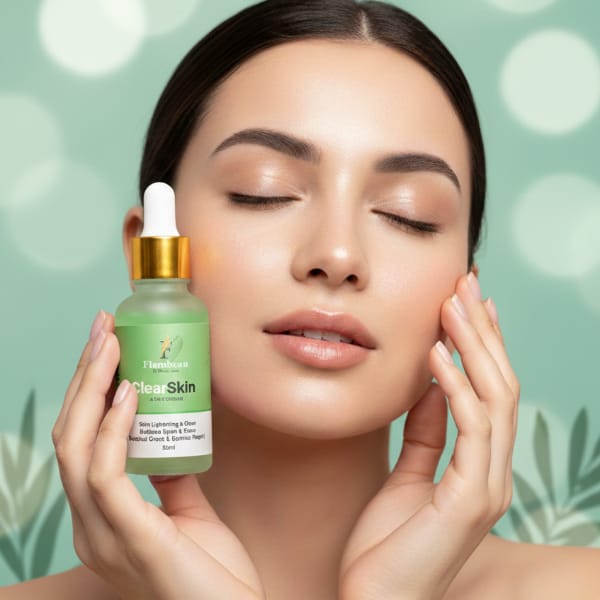
For oily and acne-prone skin: Retinol is often well-tolerated and beneficial because it helps unclog pores and reduce acne. You can handle higher concentrations (0.3% or even 0.5%) but still start gradually. Choose a lightweight, oil-free serum that won’t clog pores. If you have active breakouts, consider a serum that combines retinol with salicylic acid or niacinamide, but be careful with layering at the same time. A product like our Clear Skin Acne Control Serum can help manage breakouts while you ease into retinol.
For combination skin: Your T-zone may be oily while your cheeks are dry. Use retinol on the oily areas more frequently and skip the dry patches if they get irritated. A balancing serum with hydrating and oil-regulating ingredients is ideal. Start with a moderate strength and adjust based on how each area reacts.
For sensitive skin: This is a tricky category. If you have mild sensitivity, you can try a low concentration (0.1%) and apply it only once a week, always buffered with a moisturizer. If you have reactive skin with conditions like rosacea, it’s best to avoid retinol altogether. Consider bakuchiol, a gentler plant-based alternative that offers similar benefits without the irritation. Also, look for barrier-supporting serums like our Barrier Guard Serum to keep your skin calm.
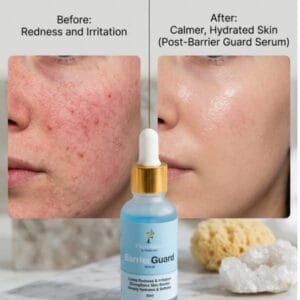
When choosing a serum, read the ingredient list carefully. The concentration of retinol matters, but so does the delivery system. Encapsulated retinol is often gentler because it releases slowly into the skin. Also, look for added soothing agents like aloe vera, panthenol, or allantoin to counteract potential irritation.
Finally, consider the climate you live in. In Pakistan’s hot and humid summers, you might prefer a gel-based serum that feels light, while in winter, a more emollient cream serum may be necessary. Our serums collection offers a range of formulations to suit different needs. And if you’re new to retinol, you may want to explore our blog for more tips on building a routine.
Retinol and Pakistani Skin: Climate and Culture Considerations
Living in Pakistan comes with unique skincare challenges. Our climate is often hot and humid, especially in cities like Karachi and Lahore, which can affect how your skin reacts to retinol. In humid weather, your skin may produce more oil, making it easier to tolerate retinol, but you also need to be diligent about cleansing and moisturizing to prevent clogged pores. In winter, the dry air can increase flakiness and irritation, so you may need to reduce usage frequency and ramp up your hydration.
Sun exposure is also a significant concern. Pakistan enjoys sunshine year-round, and the UV index can be high even in winter. Retinol increases your skin’s sensitivity to the sun, so using a broad-spectrum sunscreen with at least SPF 30 is essential. Many people in Pakistan forget to apply sunscreen during cloudy days or indoors, but UVA rays can penetrate windows and clouds, contributing to premature aging and dark spots. Make sunscreen a non-negotiable part of your morning routine.
Cultural practices like applying turmeric masks or using chemical exfoliants like sandalwood might be common, but they can interfere with retinol use. For instance, using gritty scrubs on the same day as retinol can cause micro-tears in the skin and increase irritation. It’s best to avoid physical exfoliation altogether when using retinol, and instead use a soft washcloth or a gentle cleanser.
Another consideration is the availability of authentic products. Counterfeit skincare is a problem in many regions, including Pakistan. Always buy from reputable sources, whether online or in stores. Check the packaging for seals and batch codes, and purchase from official brand websites or authorized retailers. Our own Clear Skin Serum is made with quality ingredients, but always ensure you are getting genuine products.
If you are new to retinol, you might also want to try incorporating it into your routine gradually during a cooler month when your skin is less stressed by heat and humidity. This allows your skin to adapt without the added stress of summer sweat and sun. And if you experience any unusual reactions, consult a dermatologist in your city—they can provide personalized advice based on our local climate and your skin type.
Alternatives to Retinol for Those Who Can’t Use It
If you fall into the category of people who should avoid retinol, don’t worry—there are other effective ingredients that offer similar benefits without the same level of irritation. One popular alternative is bakuchiol, a plant-based compound derived from the seeds of the Psoralea corylifolia plant. Bakuchiol has been shown in studies to have comparable anti-aging effects to retinol but with much less irritation. It is safe for pregnant women and those with sensitive skin.
Another option is peptides, which are short chains of amino acids that signal your skin to produce more collagen. They are gentle and well-tolerated by most skin types. Peptides can help with firmness and fine lines, though they don’t exfoliate like retinol. They are excellent for maintaining skin health and can be used alongside other actives.
Vitamin C is a powerful antioxidant that brightens the skin and boosts collagen synthesis. It’s an excellent choice for fading dark spots and protecting against environmental damage. Unlike retinol, it is safe for most skin types and can be used in the morning. However, some forms of vitamin C can be irritating if you have very sensitive skin, so choose a gentle derivative like magnesium ascorbyl phosphate.
For acne-prone skin, niacinamide is a versatile ingredient that reduces inflammation, regulates oil production, and improves the skin barrier. It has been shown to be as effective as some prescription antibiotics for acne, making it a great choice for those who can’t use retinol due to irritation. Niacinamide also helps with redness and enlarged pores, making it a good all-rounder.
If you are looking for a serum that combines multiple benefits, our Clear Skin Acne Control Serum is formulated with ingredients like niacinamide and botanical extracts to help combat breakouts and fade scars without the harshness of retinol. For barrier repair, consider our Barrier Guard Serum, which contains ceramides and soothing agents to strengthen your skin’s natural defenses.
Retinol is a proven skincare superstar when used correctly, but it’s not everyone’s cup of tea. Understanding how it works, who should avoid it, and how to use it safely can help you make the best decision for your skin. Always start slow, listen to your skin, and don’t hesitate to consult a dermatologist if in doubt. Your skin will thank you in the long run.
Frequently Asked Questions
What is the best way to start using retinol serum?
Start by patch testing on your inner arm, then apply a pea-sized amount to clean, dry skin once or twice a week at night. Gradually increase frequency as your skin tolerates it, always following with moisturizer and sunscreen in the morning.
How long does it take to see results from retinol?
Most people notice improvements in skin texture and fine lines after 8 to 12 weeks of consistent use. Full benefits, such as fading dark spots, can take up to 6 months.
Can I use retinol if I have dry skin?
Yes, but choose a low concentration (0.1%–0.2%) and apply it only two to three times a week. Always hydrate with a rich moisturizer and consider buffering by applying moisturizer before retinol.
Is retinol safe during pregnancy?
No, it is generally advised to avoid retinol during pregnancy and breastfeeding. Consult your doctor for safe alternatives like bakuchiol or vitamin C.
Written by Flambeau by Mishal Zain — sharing practical, affordable beauty and skincare tips.
Updated: September 2026